
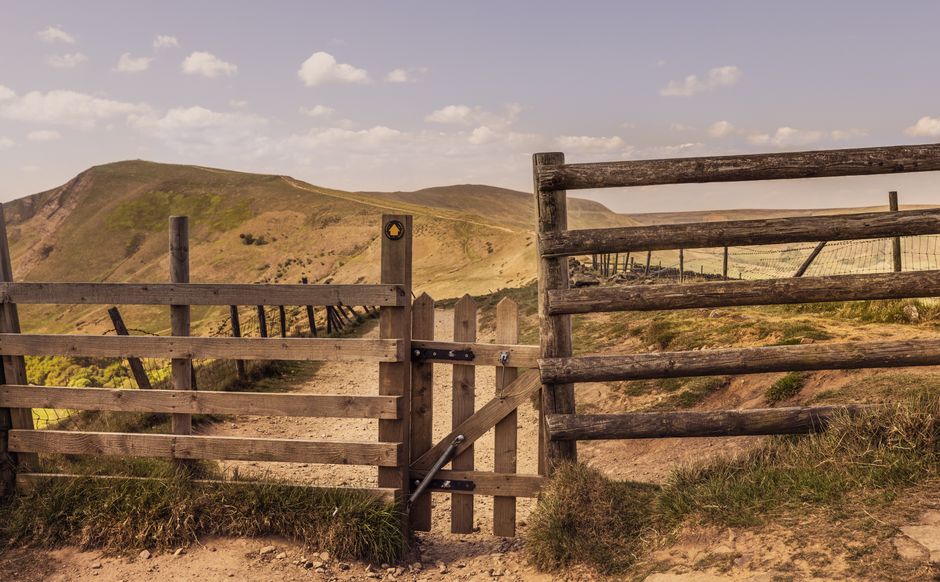
Why does a Meta ad for your fencing and gates business rack up forty reactions and a dozen comments, then produce almost no quote requests?
That gap costs more than it looks like on the surface. A truck sits half-booked on a Wednesday. Your admin spends an hour chasing three Messenger threads that went cold overnight. A homeowner who messaged you about a Colorbond fence after last month’s storm has already booked a quote with the fencer down the road, because nobody replied before they moved on. None of that shows up as a bad metric in Ads Manager. It shows up as a diary with gaps in it. Across industries, Meta Ads are tracking close to a 2.8x return on spend in 2026 benchmarking, against roughly 4.2x for Google Ads. For a trade built on physical site measures and a six-to-eight-week install queue, that gap matters: Meta samples a much less deliberate audience than someone typing “pool fencing quote” into Google, so every technical or creative mistake in your account gets repeated across thousands of low-intent impressions before anyone notices.
Here’s what most fencing and gates owners get wrong about fixing it. They assume the problem is the bid, or the daily budget, or “the algorithm.” Almost never. The real leak sits in one of a dozen specific spots: the objective you picked when you set the campaign up, the photo you used, what happens in the first ninety seconds after someone messages you. Running your account through a scored checklist, instead of reading another “five tips for better Facebook ads” article, is how you find out which of those twelve spots is actually bleeding your budget this month.
The fencing and gates Meta Ads audit scorecard
Score each item below as pass, weak, or fail, using your own Ads Manager, your enquiry inbox and the last two months of jobs won against jobs quoted. You’ll come out the other end knowing roughly where your next couple of thousand dollars in ad spend should go, instead of guessing.
Audit scorecard
-
1Objective is Leads, not Engagement
A lot of fencing businesses start with a boosted post because it's the button right under the photo. That optimises for cheap likes and comments, not people who want a quote. Check your active campaigns in Ads Manager: if the objective reads Engagement or Traffic, Meta is spending your money finding people who will interact, not people who will book a site measure.
-
2Geography matches your real radius, and the storm map
Most fencing and gates accounts run one fixed radius around the yard. A storm front or a bushfire rebuild zone changes demand overnight, in specific postcodes you can see on the Bureau of Meteorology warnings or your local council's recovery updates. If your targeting hasn't moved in months, you're spending the same way in a quiet suburb as in an LGA where half the boundary fences just came down.
-
3Creative shows your actual work
Stock photos of a white picket fence tell a homeowner nothing about whether you can handle a sloped block, a retaining wall tie-in, or an automatic sliding gate. Pull your last ten ads: how many use real before-and-after shots or a short clip of your crew mid-install, with the customer's permission to use the footage? If it's mostly supplier catalogue images, that's your first fail.
-
4The hook names the actual job in the first three seconds
"We install quality fences" stops nobody scrolling. "Pool fence not passing inspection?" or "Fence down after last week's storm?" does, because it matches the exact reason someone is on their phone right now. Check whether your video or static headline names a specific trigger, a specific fence type, or just describes the business in general terms.
-
5The call to action matches how homeowners actually want to start
Instant Forms are low friction, but a bare "Get a Quote" form with name, phone and email produces a flood of tyre-kickers. A form with two or three qualifying fields, fence type, rough length, suburb, timeframe, filters harder and gives your estimator something to work with before they even pick up the phone. If your form is generic contact-form fields only, mark it weak.
-
6The landing page asks what you'd actually need to quote
If you send clicks to your homepage instead of a page built for the ad, you're asking a stormed-out homeowner to go hunting for a phone number. A proper landing page for a fencing and gates ad should mention boundary versus pool fencing, note that pool fencing needs to meet AS1926.1, flag whether the job sits in a bushfire-prone area with a BAL rating that limits material choice, and state that quotes include GST. Pages that skip all of that are sending traffic to a form with no context.
-
7Someone replies inside the hour
Pull your Messenger and Instant Form response times for the last thirty leads. If the average sits above an hour, especially overnight or on weekends, you're losing the most urgent enquiries, storm damage, a pool fence that failed a council inspection, to whichever fencer answers first. This is rarely a marketing problem. It's a roster problem that marketing spend is paying to expose.
-
8Pixel and Conversions API fire the same event, once
If you've only ever installed the Meta pixel, you're losing a meaningful share of conversion signal to ad blockers and iOS privacy settings, and Meta's delivery algorithm is learning from an incomplete picture. Check Events Manager for duplicate or missing events between pixel and Conversions API. Weak signal here is the quiet reason "the algorithm just isn't finding good people anymore."
-
9You check frequency and CPM, not just lead count
Creative fatigue shows up in rising CPMs a week or two before lead volume actually drops. If you only glance at the account when the phone goes quiet, you're always reacting a fortnight late. Look at frequency on your top ad set now: above 3 to 4 in a local radius usually means the same households have seen it enough times to stop noticing it.
-
10A retargeting sequence exists for the decision window
Nobody picks a fencing contractor on the first click. Most households compare two or three quotes over several weeks. If you have no retargeting ad set running to people who watched your video, visited your landing page, or started and abandoned your Instant Form, you're letting that warm interest go cold with nothing to pull it back.
-
11Price expectations and GST are stated where homeowners look for them
Vague "obligation-free quote" copy with no indication of scale attracts every price shopper in the postcode. Stating a rough starting range, and being upfront that quoted prices include GST, filters out the enquiries that were never going to book, before your estimator wastes a Saturday morning on a site measure that was always going nowhere.
-
12Reviews and proof sit one tap from the click
A homeowner who just watched a fence blow over in a storm wants to know you've done this before, safely and properly. If your landing page has no reviews, no licence or insurance mention, and no gallery, you're asking them to take a trust leap your competitor's page doesn't require.
If you want to see exactly where interested homeowners actually stall on that landing page, rather than guessing which section is losing them, HeyLead Insights shows scroll depth, where people hover before leaving, and the exact field where an Instant Form or page form gets abandoned. It turns “the page isn’t converting” into “they get to the price section and leave,” which is a very different fix.
Scoring it: what to fix before you spend another dollar on reach
Once you’ve run the checklist, you’ll have a column of pass, weak and fail marks. Resist the urge to fix whichever one annoys you most. There’s an order to this, and it matters more than most owners expect.
Fix tracking failures first, always. If your pixel and Conversions API aren’t aligned, every other decision you make, which creative to scale, which audience to widen, is being made on partial data. You could spend three months improving a campaign that was never actually underperforming, just under-measured. This is boring work, usually an afternoon with your developer or a quick review inside Events Manager, but it has to come before anything else on the list.
After tracking, fix intent before you fix budget. A weak hook or a mismatched landing page will waste more money at $50 a day than it will at $500 a day, so increasing spend before the creative and the page actually speak to a real trigger just scales the leak. This is where most fencing businesses get it backwards: they see flat lead numbers and reach for the budget slider, when the fix was in the headline and the first photo.
Fix response speed before you fix anything else creative. There’s no ad combination that outperforms a Messenger reply that arrives in three minutes instead of three hours, particularly for storm damage or a failed pool fence inspection, where the homeowner is already messaging two other fencers at the same time. If this item scored a fail, it will usually undo gains from everything else on the list until it’s sorted.
Only once tracking, intent and response speed are clean does it make sense to chase scale: wider geography, a bigger daily budget, a second campaign targeting gate automation separately from fencing. Scaling a leaky setup just means losing more money faster, with a bigger number attached to it.
Get a free marketing audit. We review your search, ads, and landing pages and send back what to fix first.
Get a free audit
Your 30-day fix plan
This isn’t a new strategy. It’s the repair order for whatever your scorecard just flagged, sequenced so each fix actually holds.
DIY playbook
- 1Week one: fix tracking. Confirm pixel and Conversions API are firing the same lead event once, deduplicated, and that it's mapped to an actual quote request, not a page view. Check this in Events Manager against three real test submissions.
- 2Week one: set a response rule. Whoever is on Messenger duty answers within thirty minutes during business hours, with an after-hours auto-reply that sets a time and promises a callback. Test it yourself by messaging the page from a second account.
- 3Week two: rebuild your top ad's creative around a real job. Shoot or source footage of an actual install, name the trigger in the first three seconds (storm damage, a failed pool inspection, an automatic gate upgrade), and pair it with a landing page that mentions AS1926.1 pool compliance, bushfire BAL ratings where relevant, and GST-inclusive pricing.
- 4Week three: add qualifying fields to your Instant Form or page form, fence type, approximate length, suburb, timeframe, so your estimator can triage before calling back.
- 5Week three: build a retargeting ad set aimed at video viewers, landing page visitors and form abandoners from the last 30 days, using a review or before-and-after gallery as the creative.
- 6Week four: review frequency and CPM on your top three ad sets. Anything with frequency above 3.5 in a tight radius gets a new creative variant, not just a budget change.
DIY tools for this section
If the fix list above looks bigger than the hours you have left this month, that’s a fair read. Running the checklist, the retargeting build, and the weekly fatigue check on top of actual jobs is where most owner-operators quietly give up on Meta Ads after a few months. A Meta Ads partner that handles this as ongoing work, not a one-off setup, is how most fencing and gates businesses keep this running once the season picks up.
What fencing and gates owners notice when the phone stops matching the ad spend
“We budget harder in the two weeks after a storm front comes through, because that’s when the enquiries actually mean something. Outside of that, if the ad’s just sitting there on autopilot, we’re basically paying to find out who’s curious, not who’s ready.”
Owner, two-crew fencing and gates company, regional Victoria
“Our biggest issue was never getting messages. We got plenty. It was that half of them came in overnight and sat there till someone opened the laptop at nine, and by then they’d already booked a quote with someone else.”
Operations manager, fencing and gates business, Perth
FAQ
Should a fencing and gates business run Meta Ads or Google Ads first? Google Ads tends to catch someone actively searching, which usually converts better for this trade because fence and gate decisions are often triggered by a specific event: storm damage, a failed pool inspection, a new build. Meta Ads work well alongside that for brand familiarity, retargeting warm visitors and reaching homeowners before they’ve started searching, particularly after a weather event hits a specific area. Most fencing businesses get more out of running both than choosing one over the other.
How much should we budget for Meta Ads as a fencing and gates company in Australia? There’s no single right number, it depends on your radius and how competitive your area is, but most owner-operators we see start testing with a modest daily budget on one or two ad sets, then scale the ones that actually produce booked quotes, not just cheap clicks. Spend more on reach only after the tracking and response items on the scorecard above are clean.
Instant Form or a dedicated landing page? Instant Forms reduce friction and work well for simple enquiries, but they strip out the context a homeowner would otherwise read, pool fencing standards, bushfire material limits, GST-inclusive pricing. A short, well-built landing page usually produces fewer but better-qualified leads. Many fencing businesses run both and compare which one actually turns into booked jobs over a month.
Can we use a photo of a customer’s pool fence or boundary fence in our ads? Get explicit permission first, ideally in writing or a quick text thread you can point to later, and avoid anything that identifies the address if the customer hasn’t agreed to that. Most homeowners are happy to let you use the photo once the job’s done well, and a real before-and-after shot will outperform a stock image every time.
How long before Meta Ads actually produce booked jobs, not just leads? Given the six-to-eight-week decision window typical for fencing and gate work, expect a lag between first click and signed quote. Judge the campaign on quotes booked and jobs won over six to eight weeks, not on lead count in the first fortnight.
Putting it to work
Start this week by pulling the last sixty days of Meta leads straight out of your inbox or CRM and marking each one against what actually happened: quoted, booked, went quiet, never replied. It takes about half an hour. You’re looking for two things: how many leads came from a storm-hit or bushfire-prone postcode versus your normal radius, and how long it took someone on your team to reply to each one. That single exercise usually tells you more about where your Meta budget is leaking than another week of watching the Ads Manager dashboard.
If what you find is a gap between an engaged Meta audience and quotes that never get booked, that’s exactly the mechanism this piece has walked through, tracking, creative, response time and the landing page, and it’s the kind of thing HeyLead runs as an ongoing program rather than a one-off account setup. Chat with us on WhatsApp if you want a second set of eyes on your account.
Free marketing audit, or reach Martin directly:
Get a free audit Connect on WhatsApp · [email protected]