
Laundromat marketing in Australia: how organic search actually wins bookings
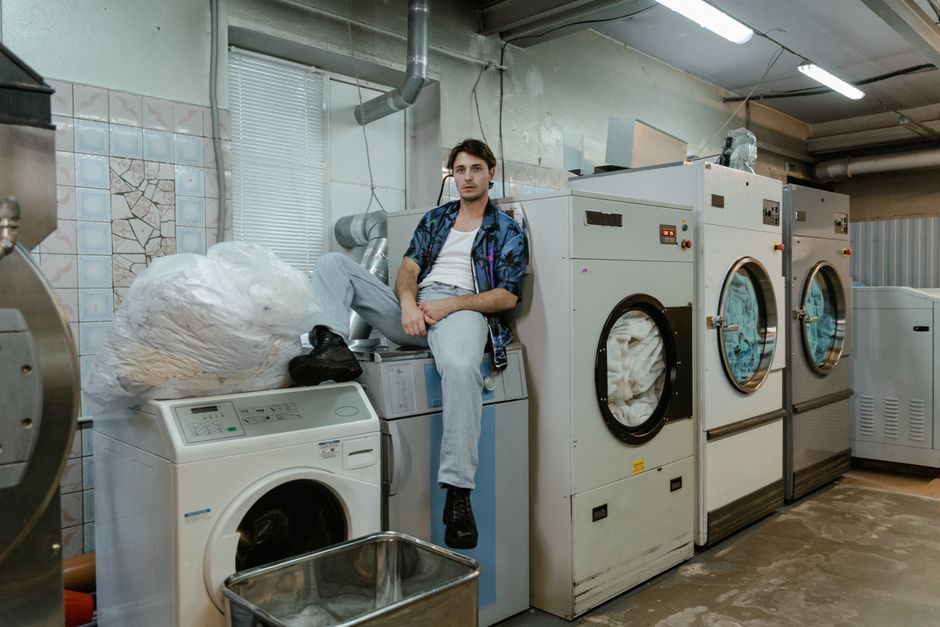
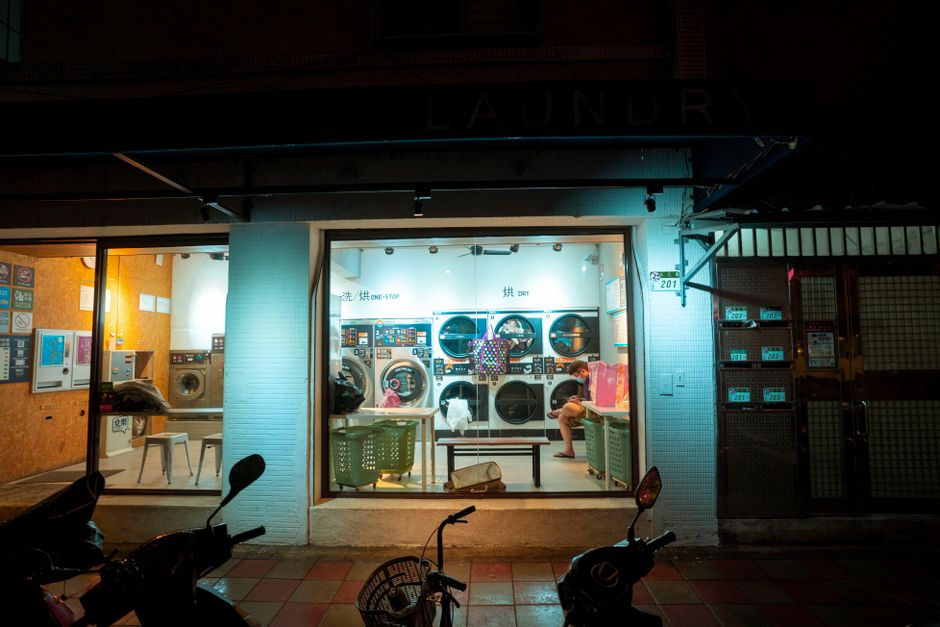
Walk into a busy self-serve place in Brunswick on a Sunday afternoon and you will see the same pattern every week. Students with bags of gym gear, share-house renters between leases, and a tradie who finally has a day off. Very few of them “researched laundry brands.” They typed something blunt into Google: open late, coin or card, near me, dryers that actually finish a load. If your site is not the clear answer for that suburb and that job, the phone stays quiet and the machines stay empty in the slow midweek slots.
That is the real job of digital marketing for laundromats Australia when organic search is doing the heavy lifting. Not brand storytelling for its own sake. Booked visits, wash-and-fold pickups, and commercial accounts that keep utilisation up when the weather is mild and walk-ins thin out.
What Australian laundry buyers actually type before they choose a store
Intent here is local, urgent, and practical. People rarely browse for fun. They need a machine now, after hours, or before an inspection. In Sydney and Melbourne apartment belts you will see clusters around “24 hour laundromat,” “laundromat near me open now,” card payment, and large capacity dryers. In Brisbane and the Gold Coast, holiday peaks and student turnover push “wash and fold,” “service wash,” and “same day laundry.” End of lease weeks spike “commercial laundry near me” language even from ordinary renters who just need bulk linen done once.
Commercial buyers sound different. Strata managers, Airbnb cleaners, small gyms, and cafes search for reliable turnaround, pickup routes, and GST-ready invoices. They still start on Google, but they stay longer on proof: service areas, response time, and whether you look like a real operator rather than a thin directory listing with a stock photo of a row of washers.
Organic demand that books work sits in three buckets. Navigational searches for your brand and suburb when someone already heard of you. High-intent service searches with suburb or “near me.” And job-specific phrases: pet bedding, doonas, workwear, curtains, or bulk towels. Rank for the first two and you fill walk-in peaks. Rank for the third and you smooth the calendar with higher-ticket service wash and B2B work.
A good week for an owner-operator is not “more impressions.” It is machines busy outside the Saturday crush, a few wash-and-fold bags booked before midday, and at least one enquiry from a cleaner or property manager that can turn into a weekly route. Organic search can feed all three if the site matches how people actually decide: hours, access, price cues, and proof that you will not wreck their gear.
Where organic traffic dies before anyone books a machine
Plenty of laundromat sites in Australia get some map pack visibility and still underperform. The failure mode is rarely “we need more blog posts about fabric care.” It is a mismatch between the query and what lands after the click.
Someone searches “laundromat open late [suburb]” and hits a homepage that never states closing time above the fold. Or the Google Business Profile says 10pm while the website still shows last year’s hours. Or the only call to action is a generic contact form with no phone number large enough for a wet-handed mobile user standing outside a competitor’s door. Mobile is where most of these searches happen. If the page is slow, the map embed fights the thumb, or the form asks for six fields before a simple “do you take card,” you lose the visit that paid nothing in CPC but cost you a full load plus dryer money.
Another quiet leak is thin local entity signals. One NAP across site, GBP, directories, and Facebook still matters for multi-site groups in Perth or Adelaide. Duplicate “laundromat near me” pages that only swap suburb names without real address, parking notes, or machine mix get filtered or ignored. Reviews sit unanswered for months, so the one-star complaint about a broken dryer sits at the top of the pack while your five-star replies never show you fixed it.
Tracking makes the problem worse when it is vague. If every call from the website is untagged, you cannot tell whether organic is sending tyre-kickers hunting free Wi-Fi or people who actually start a wash. Owners then cut SEO because “Google traffic does not convert,” when the real issue is proof, speed to answer, and a page that never answers the query. If you want a partner that already lives in this niche, skim how we frame Laundromats marketing before you rebuild the whole site on a hunch.
Get a free marketing audit - we review your search, ads, and landing pages and send back what to fix first.
Get a free audit
The organic playbook that turns local intent into booked work
Start with the map pack and the service pages that support it. Your Google Business Profile should match real hours, payment methods, amenities (parking, seating, CCTV, air con), and categories that fit self-serve versus service wash. Photos should look like this week’s floor, not a brochure from fit-out day. Q&A should answer card vs coin, detergent, and whether staff are on site. That is table stakes for digital marketing for laundromats Australia when the SERP is a map first and a blue link second.
On-site, build one clear page per location and one clear page per high-value service. Location pages need suburb language people use, transport and parking, machine sizes, and a click-to-call button. Service pages for wash and fold, commercial laundry, and end-of-lease bulk runs need process, turnaround, and who you serve. Do not hide pricing if competitors already publish starting rates. Even a “from” range in AUD reduces junk calls and sets GST-aware expectations for small business customers.
Content that ranks and converts in this niche is operational, not fluffy. Think “how long does a family load take in our 12kg machines,” “what we need for strata linen contracts,” or “after-hours access in [suburb].” Those pages can earn long-tail traffic and give AI Overviews something concrete to cite. Zero-click behaviour already shows up on laundromat SERPs: urgent local queries such as “laundromat near me open now” and “24 hour laundromat [suburb]” often resolve in the map pack or a short overview, while informational searches (“how long to dry a doona,” “wash and fold vs self serve”) are more likely to trigger AI Overviews. For those summaries, publish clear FAQ content, LocalBusiness and FAQ schema, and plain-English answers on hours, payment, turnaround, and suburbs served so the named local operator in the overview is you-then win the click when someone still needs the full page. Information gain beats another generic “history of laundry” post. When most content is AI-drafted, the edge is human-specific detail - machine counts, real turnaround times, suburb quirks - that only the operator can publish.
Technical basics still decide whether you keep the visit. Core Web Vitals are not vanity. As of Q1 2025, roughly 54% of origins in CrUX pass all three Core Web Vitals thresholds (web.dev), and laundry searches are impatient. Compress hero images of the storefront, keep third-party chat widgets under control, and make sure INP does not tank when someone opens the hours accordion. Schema for LocalBusiness, opening hours, and FAQ helps machines parse what humans already need to see.
Reviews are conversion copy. Ask for them after a smooth service-wash return or a commercial first job. Reply in Australian English, name the fix when something broke, and pull two or three lines onto the landing page near the call button. Pair that with response speed: missed calls after 6pm are lost loads. Even a simple after-hours SMS or call-back SLA turns organic clicks into bookings.
For multi-site groups, sustainable publishing is the hard part. You need suburb updates, seasonal pages (festival weeks, student move-in, Christmas shutdowns), and service explainers without hiring a full-time writer per site. That is where a managed cadence helps. HeyLead’s Auto Blogger is built to ship region- and niche-aware articles under human strategy so each location stays visible without a giant in-house content team. Strategy still sets the intent clusters; automation helps you keep the calendar honest.
If organic is the growth engine and you need the technical and content loop run as a program, our Australian SEO work is scoped around local visibility that ties back to calls and bookings, not vanity rankings alone.
Two store-level scenarios: what changed after the click path got fixed
Scenario one: a single-site operator near a Melbourne university (composite, anonymised example-results vary by suburb competition and review baseline). Organic sessions looked healthy in Analytics, but weekday evenings stayed soft. The mechanism was simple. Rankings for “laundromat open late” pointed at a homepage hero that led with brand story and a carousel. Hours lived in the footer. The fix was a late-night landing section above the fold, GBP hours corrected to match the door sign, and a sticky call button. They also added a short FAQ on card top-up and dryer heat settings. Evening calls tagged to organic roughly doubled over the next fortnight, and staff reported more first-time visitors who already knew the place took cards. One metric mattered most: share of organic phone calls after 7pm, not total sessions.
Scenario two: a two-site group in Brisbane chasing wash-and-fold and cleaner accounts. They had blog posts about stain removal that ranked nowhere useful, and a single “Services” page that mixed self-serve with commercial. The break was intent separation. They built a dedicated wash-and-fold page with turnaround windows, minimum bag notes, and a short form that only asked name, suburb, and bag count. Commercial got its own page with suburbs served and a direct mobile for the ops lead. Review snippets from Airbnb cleaners went next to the form. Organic enquiry quality shifted: fewer “are you open” calls, more bag bookings. They tracked form submits and calls with separate numbers so SEO reporting finally matched the till.
In both cases the lesson was the same. Organic search books work when the SERP promise, the page proof, and the human response line up. Rankings without that path just inflate bounce rates.
When traffic still “does not convert,” look at behaviour on the page before you buy more links. Session patterns, scroll depth, and form abandon show whether people ever see hours, pricing cues, or the call button. Tools like HeyLead Insights help you see those leaks with evidence instead of guessing from a monthly traffic chart.
What operators told us
“We ranked for the suburb name but the site never said we closed at 11. Once hours and click-to-call sat under the first screen, organic evening bags stopped being a mystery.” - Owner-operator, inner-Melbourne laundromat
“Cleaners only enquired after we split commercial laundry off the self-serve page and put turnaround in plain English. Same rankings, better jobs.” - Founder, multi-site laundry group, SEQ
Free tools
DIY free tools for this playbook
Run these on the pages and campaigns this article covers, then fix what they flag before you scale spend or content volume.
Run these on this playbook
If the checklist shows a leak you cannot close in-house, request a free marketing audit.
Frequently asked questions
How long does laundromat SEO take to show results in Australia?
Map pack and GBP cleanup can shift calls within weeks if the store is already decently reviewed. Competitive suburbs in Sydney or Melbourne often need a few months of consistent pages, reviews, and citations before service terms stick. Treat 3-6 months as the honest window for durable organic share, not an overnight spike.
Should we run Google Ads as well as organic?
Paid search can cover gaps while pages mature, especially for wash-and-fold and commercial terms. Just do not send ads or organic traffic to a weak homepage. Align the landing page to the query. Many operators keep a modest paid presence for “open now” style terms and let SEO own brand-plus-suburb and evergreen service demand.
What content is worth writing for laundry SEO?
Pages that answer a real job: late hours, machine sizes, service wash process, commercial routes, end-of-lease bulk, and suburb access notes. Skip generic fabric essays unless they include your machines, your turnaround, and a clear next step. Information gain and local proof beat volume of posts.
How do we know organic is booking real work?
Use unique call tracking numbers or clean call recording rules for website and GBP, tag wash-and-fold forms, and review weekly which queries and pages precede booked bags or commercial chats. If you only watch sessions, you will misread performance whenever AI Overviews or map packs change click behaviour.
Is multi-location SEO different from one store?
Yes. Each site needs its own pages, photos, reviews, and accurate NAP. Shared thin suburb clones underperform. Publishing cadence across locations is usually where in-house teams stall, which is why a managed content system under clear strategy matters more than another one-off blog blitz.
Putting it to work
Pull the last 60 days of Google Business Profile calls and website forms, then mark which landing URLs and which hour blocks actually produced wash-and-fold bags or commercial chats. Fix the single highest-intent page where hours, payment, and click-to-call still sit below the fold, and align GBP to the same facts before you commission another round of posts.
When you want the full organic loop owned end to end, from local intent clusters and location pages through review proof, conversion tracking, and a publishing cadence that stays suburb-real, HeyLead can run that program so you are not juggling rankings while you are also clearing machines on the floor. Start a conversation at [email protected].
Free marketing audit, or reach Martin directly:
Get a free audit Chat with us on WhatsApp · [email protected]