
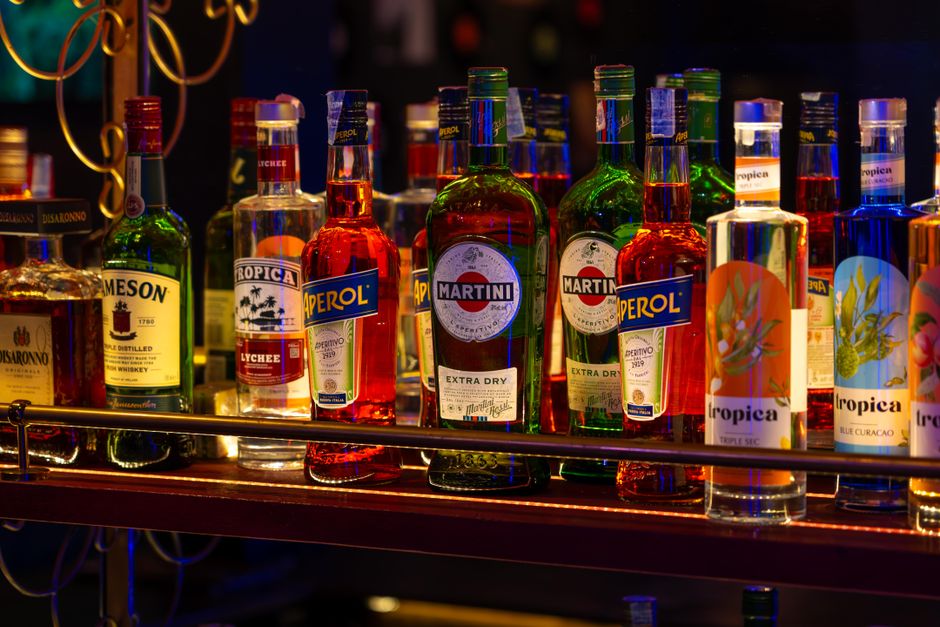
Run a Friday-night happy hour promo on Meta Ads and send the click straight to your homepage, and you’ve just paid good money to watch someone bounce off a page about your 2019 renovation. They never see the offer again. They open the next bar’s Instagram instead, book a table in four taps, and you’ve funded their night out.
The cost of that mistake doesn’t show up as a line item. It shows up as staff standing around at 7pm waiting for a rush that a competitor’s working “book a table” button already pulled away, as a DJ night that undersells because the ad looked great but the click led nowhere useful, as group bookings for a 21st that went to the venue down the road because theirs loaded in under two seconds and yours didn’t. Most people deciding whether to walk into your bar are looking at a phone first, often with patchy reception standing outside, and only 55.9% of sites pass all three of Google’s Core Web Vitals checks as of the May 2026 CrUX data. That means close to half the web is asking someone standing on a footpath, three drinks deep already, to wait for a page to catch up.
Here’s the insight that actually matters: nobody decides to visit your venue by reading your story. They decide in about four seconds, either standing outside looking at their phone or on the couch at 9:40pm scrolling for somewhere to go, and the page has to answer three questions instantly - are you open right now, is there room for us, and how do we lock it in. Everything else on a nightlife landing page is decoration. Get those three answers above the fold and the rest of the page can do far less work.
The booking system, hours, and offer you need sorted before you build anything
A landing page can’t manufacture certainty that doesn’t exist upstream. Before you or anyone else touches a page builder, there’s a short list of things that have to be true, because a beautiful page sitting on top of a broken booking process just fails faster and more expensively.
You need a real-time booking or table system, whether that’s a platform like SevenRooms, TheFork, Quandoo, or ResDiary, or even just a Google Form tied to a shared calendar someone actually checks. If your “book now” button leads to a phone number nobody answers until 4pm, the page is lying to the customer the moment they click it. You also need your Google Business Profile hours accurate down to the public holiday, because Australia’s trading hours shift constantly around Anzac Day, Easter, Christmas and New Year, and each state’s liquor authority sets its own rules on extended trading - a page that says “open until late” while GBP says “closed” sends mixed signals that kill trust before someone’s even walked in.
If your page shows prices anywhere, set menus, VIP tables, bottle packages, they need to be GST-inclusive. Australian Consumer Law requires prices quoted to consumers to include GST, and a “plus GST” figure on a nightlife offer reads like a bait-and-switch to someone scrolling on a Saturday night, not a pricing nuance. Last thing before you build: decide what the actual offer is. “Great atmosphere” isn’t an offer. “Happy hour cocktails until 7, no booking fee, last table seated 9pm” is. The page is only as sharp as the thing it’s selling.
One more prerequisite that gets skipped constantly: tracking. If GA4 isn’t set up to count a tap on “book a table,” a click to call, and a tap through to WhatsApp or Instagram DM as separate conversion events, you’ll spend the next three months guessing which ad actually filled the room. Get that wired before launch, not after the first invoice from your ad account arrives.
How-to
- 1Pull up your best-performing ad or post from the last 30 days and read the exact headline and image. Whatever it promises, your landing page headline needs to say the same thing in the same words within the first two seconds of load. If the ad says "$15 cocktails, 5 to 7pm," the page headline says that, not "Welcome to [venue name]."
- 2Build one page per offer, not one page for the whole venue. A weeknight happy hour page, a weekend bottle service page, and a one-off event page (a DJ set, a Melbourne Cup lunch, a NYE ticket release) each need their own URL with their own headline, photos, and booking flow, because a generic "contact us" page answers none of the specific questions a specific offer raises.
- 3Put the live availability widget or booking button above the fold. Not after a slideshow of the renovation, not under three paragraphs about your story. The first thing a thumb hits should be "check availability" or "book a table," full stop.
- 4Show today's status clearly, pulled from your live hours feed if you can manage it: open now, last entry at 11pm, fully booked until 9. People standing outside deciding whether to queue need this answered before anything else loads.
- 5Use real photos and short video of your actual room, your actual crowd on a busy night, and your actual drinks, not licensed cocktail stock that could be any bar in any city. Ask a few regulars if you can use a phone video from last Saturday. It will outperform a styled shoot almost every time.
- 6Write the copy for someone standing on a footpath or on the couch at 9:40pm, not for someone reading your "About Us" page at midday. Short sentences. Answer "is there room for us" and "what's the vibe tonight" before anything about your history or your awards.
- 7Strip the page down for mobile and speed. Cut the extra Instagram embeds, the second and third tracking pixel nobody remembers adding, and any PDF menu that takes six seconds to render on patchy 4G outside a venue. Every one of those drags your Core Web Vitals and Interaction to Next Paint scores down, and a slow page on a phone with one bar of reception is a lost booking.
- 8Set up click-to-book, click-to-call, and click-through to WhatsApp or Instagram DM as named conversion events in GA4, not just form submissions. Most nightlife bookings still happen over a message or a call, and if you're only counting form-fills you're measuring a fraction of what's actually working.
- 9Build seasonal variants ahead of the Australian calendar rather than reusing one page year-round. Summer beer-garden season (roughly December through February) wants a different headline and photos to a Melbourne Cup lunch page, a footy finals weekend, a schoolies-adjacent coastal venue push, or a NYE ticket release. Have the next one built and ready at least three weeks out, not thrown together the week of.
- 10Tag every link with a UTM parameter specific to the placement, the Instagram story swipe-up, the Google Ads search ad, the Facebook feed post, so your reporting tells you which exact placement actually drove a booked table rather than one vague "paid social" bucket.
- 11Add any required age, licence, or responsible service disclaimer cleanly in the footer or a small banner, not as a pop-up that blocks the booking button. Compliance and conversion don't have to fight each other if you place it deliberately.
- 12Before you spend a dollar sending traffic to it, test the page on an actual phone, outside, with one bar of reception if you can manage it. Time how long it takes to go from tapping the ad to seeing an available table. If it's more than a few seconds, fix it before launch, not after the invoice.
A soft place to start if you’d rather not build all twelve from scratch: a web design partner can build the mobile-first template once and swap the offer, photos, and dates for each seasonal variant, which is usually faster than rebuilding the whole page every time the calendar turns over.
DIY tools for this section
Get a free marketing audit. We review your search, ads, and landing pages and send back what to fix first.
Get a free audit
Where nightlife landing pages quietly die before last drinks
The most common failure is the one from the intro: every ad, regardless of offer, points at the homepage or a generic “find us” page. The second a reader can’t find the exact thing they clicked for, they leave, and your ad spend just paid for a bounce. If you’re running more than one offer at a time, happy hour plus a weekend DJ night plus a private function package, and they all land on the same page, you’re forcing one page to answer three different questions badly instead of three pages answering one question well.
The second failure is burying the booking widget. We see pages with a gorgeous hero shot, a paragraph about the venue’s history, a second paragraph about the head bartender, and only then, three scrolls down, a “contact us” link. Someone standing outside deciding whether to queue isn’t going to scroll three times. They’ll check the next bar’s Google listing instead.
The third is a speed problem disguised as a content problem. A PDF menu that opens in a new tab and takes six seconds to render on mobile data isn’t just annoying, it’s dragging your whole page’s Core Web Vitals score down, and Google and your own customers both notice. Pair that with three different tracking pixels nobody remembers installing and an embedded Instagram feed that loads fifteen images nobody asked for, and you’ve built a page that fights its own ad spend.
The fourth is measurement that only counts form fills. If your GA4 setup doesn’t separately track a tap-to-call, a tap-through to WhatsApp, and a click into Instagram DMs, you’re missing most of how nightlife bookings actually happen, and you’ll end up reallocating budget away from the channel that was quietly working best. This is exactly the kind of gap HeyLead Insights is built to catch, showing you where someone scrolled to the booking widget and then hesitated, where they tapped the map and it didn’t load, where the form got halfway filled and abandoned, rather than leaving you to guess from a GA4 dashboard that only shows what did convert.
The fifth, and the one that’s genuinely Australian in flavour, is running the same page across the whole calendar. A page built for December’s beer-garden rush still showing NYE ticket copy in March, or a generic “book now” page sitting there in the quiet post-Easter lull with no acknowledgment that footy finals or Melbourne Cup lunch bookings are the next thing worth pushing. The Australian nightlife calendar moves in distinct seasonal waves, summer long weekends, winter’s quieter trade, finals season, the holiday run from Melbourne Cup through NYE, and a page that doesn’t move with it is leaving bookings on the table every single season it sits stale.
What venue managers notice once the booking page actually works
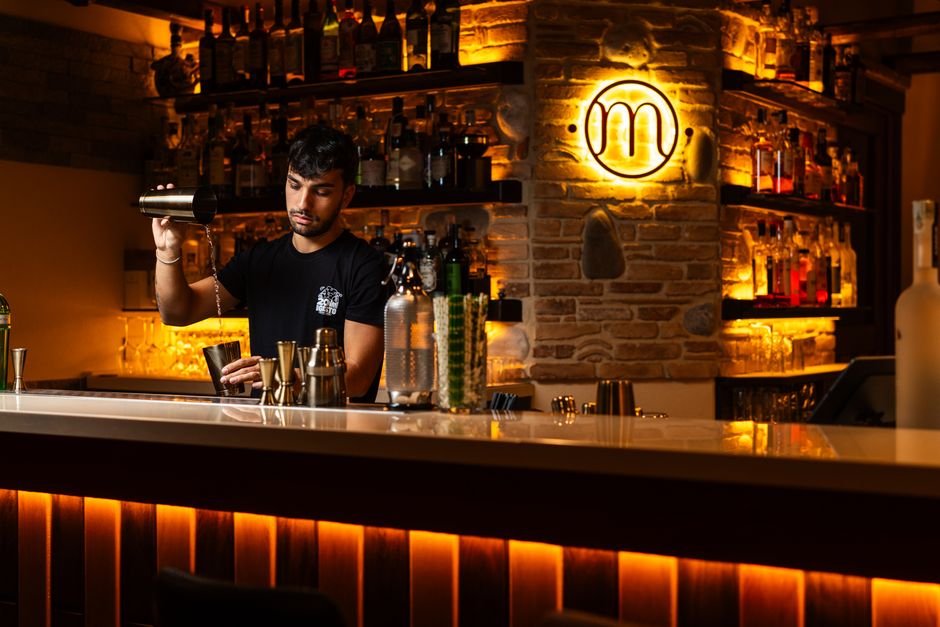
“We used to get the ‘are you open tonight’ DM about twenty times a Friday, and half of them never turned into a table because by the time someone replied, they’d already booked somewhere else. Once the page actually showed live hours and a booking button up top, that question mostly stopped, which meant the actual staff time saved was almost as valuable as the extra covers.”
— Venue manager, inner-city cocktail bar
“The thing that finally clicked for me wasn’t the ad creative, it was realising our Instagram bio link was basically our landing page, and it had zero tracking on it. We had no idea which post actually drove a booking versus which one just got likes.”
— Owner, two-site bar and nightclub group
FAQ
Do we really need a separate page for every single event, or can one page cover everything? One evergreen page for your core offer (your standard happy hour or weekend booking) plus a fresh variant for anything time-bound, a NYE ticket, a Melbourne Cup lunch, a one-off DJ night, is the workable version. You don’t need twenty pages, you need the two or three that match what you’re actually advertising right now.
We don’t have an online booking system, just phone and walk-ins. Is a landing page still worth it? Yes, and arguably more so, because the page’s job becomes making the phone number and the hours impossible to miss, with a click-to-call button that’s trackable, rather than asking someone to hunt through your Instagram bio to find a number buried in the third line.
Should ad traffic go to our landing page or straight to Instagram? Instagram is great for discovery and vibe, but it can’t show live availability, can’t be tagged with a UTM parameter that tells you which ad drove the click, and strips out any booking data you collect. Use Instagram to build interest and send the actual ad click to a page you control and can measure.
How fast does a nightlife landing page actually need to load? Fast enough that someone standing outside with one bar of reception doesn’t give up. Aim to pass Google’s Core Web Vitals thresholds, and treat anything over two to three seconds to first meaningful content as a problem worth fixing before you spend more on ads pointing at it.
Do we need to show GST on our pricing? If you’re quoting a price to the public, set menu, bottle package, table minimum, it needs to be GST-inclusive under Australian Consumer Law. Showing a “plus GST” figure on a consumer-facing offer isn’t just a compliance risk, it reads as a hidden fee to someone deciding fast on a Saturday night.
Putting it to work
This week, pull your best-performing Google or Meta ad from the last month and open the exact page it lands on, on your own phone, standing outside if you can. Time how long it takes to see live availability and a working booking button. If it takes more than a couple of scrolls or more than a couple of seconds, that’s the fix to make before you spend another dollar sending traffic there.
If the gap you’ve just found is the mismatch between what your ads promise and what your landing page actually delivers, that’s exactly the kind of ongoing build, seasonal variants, tracking, and speed work HeyLead takes off a venue owner’s plate rather than handing you one more thing to manage. Chat with us on WhatsApp.
Free marketing audit, or reach Martin directly:
Get a free audit Connect on WhatsApp · [email protected]