


Martin
Founder, strategy and audits
Writes every audit and takes every first call. On your account from day one, running growth for SMEs since 2010.
A buyer who registers for an off-the-plan release may wait a year before choosing a unit. A customer record system, called a CRM, keeps each registrant's interests, budget and history, sends release alerts at the right moment and gives your sales team a clear next step for every person on the list.
For developers and sales teams whose registrations sit in spreadsheets and agent inboxes, and who want release follow-up that is prompt, polite and consistent.
Context from how your customers search, compare and book.
The registration list is the asset of a project. It holds everyone who asked to hear about prices, layouts or the next release. In many projects it lives in a single spreadsheet, passed between the marketer, the sales agents and the developer, with no clear history of who was contacted or what they said.
Buyers are not equal. An investor from overseas wants completion timing and rental figures. A downsizer wants a level entry and a particular aspect. A first-home buyer wants to know about deposits. Notes on unit interest, budget and timeline let the sales team speak to each one properly at a release.
Release days are intense. Hundreds of registrants may be contacted within hours, then shown a price list and invited to the display suite. A record system sends staged alerts, books appointments, tracks who attended and flags who needs a call, so the team spends its time on the buyers who are ready.
After a reservation the relationship continues for years. Contracts, deposits, construction updates and settlement all involve the same buyer, and each is a chance to ask for a referral or a review. Keeping that history in one record means a delay or a price change is communicated carefully, to the right people.
A clear, repeatable process built around how new developments and off the plan customers search and decide.

We gather registrations from forms, portals, agents and sign-in sheets into one record, merge duplicates and tag each person by buyer type, unit interest and source. The list is then ready for a controlled release, not a scramble.

Stages follow the real path: registered, price list sent, appointment booked, visited, reservation, contract issued, contract exchanged and settled. Each stage has a next task and a clear owner, so no registrant drops out because everyone assumed someone else had called.

Agent-introduced buyers are tagged with the agent, and rules decide who owns each buyer and who can see which notes. This avoids two people calling the same buyer with different messages, and keeps agent commissions clear.

For each release, we build a short sequence: advance notice, price list, booking link, reminder and follow-up after the visit. Registrants receive only what suits their stated interest. Messages are drafted by us and approved by you.

After reservation the record tracks contract steps, deposit reminders, construction updates and settlement. A review or referral request goes out at a sensible point after handover, and the results are sent back to the ad accounts so spend follows real buyers.
Get every enquiry into your CRM (customer tracking system) fast, with its source recorded in the UK
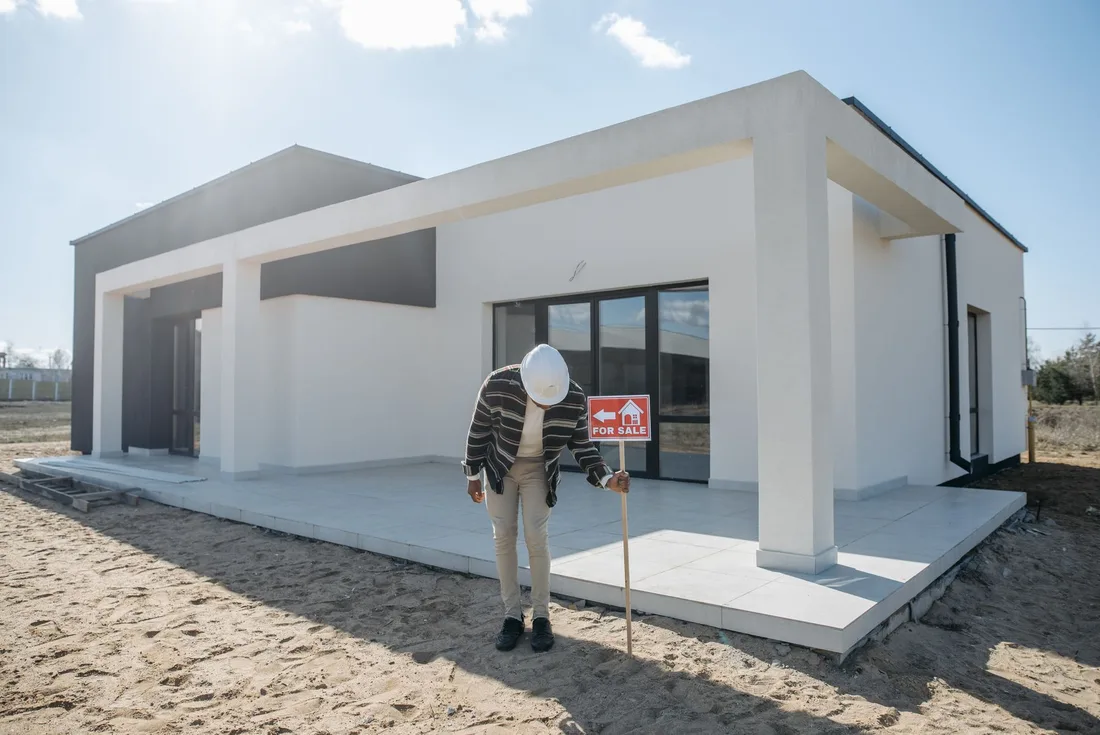
The mechanics behind CRM Integration for new developments and off the plan, explained plainly.
Unit types, floors, aspects, budgets and buyer type are stored as fields that can be filtered. A release for one-bedroom units goes only to registrants who asked about them, which keeps messages relevant and unsubscribes low.
Booking links reserve display suite slots and prevent overbooking. Reminders reduce no-shows, and the record logs who arrived. A missed appointment triggers a polite rebooking message, written to suit the project tone.
Messages go only to people who asked to hear from the project, with a clear opt-out and consent stored on the record. Marketing rules differ by area, so we follow local requirements and your legal team's guidance on disclosures.
New Developments and Off the Plan CRM integration is scoped to the system you already use, or a simple one if you have none. We quote it after a short look at how leads reach you today.
What's included
Every lead from forms, calls and ads lands in one place with its source, and goes to the right person.
Fast first replies and follow-up steps, so fewer leads go quiet.
Booked and lost outcomes tagged, so reports and ad accounts learn which leads were real.
The cost depends on your current tools and how many steps you want automated. Talk to us for a fit.
A good setup comes before the next release, so the team is ready on the day.
We collect and clean the list, design the stages and connect registration forms, calls and agent feeds. A test release runs through the sequence so the team sees each alert and task.
New registrations arrive tagged, appointments are booked through the system and follow-up tasks appear after each visit. We adjust stages and messages to what the sales team actually does.
Reservations flow through contract steps, earlier registrants are re-engaged for later stages, and results feed the ad accounts. By the next release the list is cleaner and the team's follow-up is faster.
Our team
Martin writes every audit and takes the first call. The same team stays on the account. 160+ businesses since 2010.
Founder, strategy and audits
Writes every audit and takes every first call. On your account from day one, running growth for SMEs since 2010.

Social and app development
Shapes social strategy and builds practical app experiences that turn attention into action.

SEO
Owns technical, local and content SEO so the right buyers find you when demand is highest.

Paid media
Plans and manages paid search and social campaigns around qualified leads.

Analytics
Connects tracking, attribution and reporting so decisions are based on revenue-quality data.

Design
Creates clear brand and conversion-focused design across landing pages, campaigns and product experiences.
Certified and experienced
Verified platform knowledge, 25+ years of hands-on experience, and an operating track record since 2010.
Get a free audit and we will show you where you are losing enquiries today.
Get a Free Audit arrow_forward