


Web Design for Family Law

Web Design for UK Family Law Firms

A family-law website has to calm a worried visitor and make the next step obvious. We design fast, accessible sites with clear matter pages, honest trust signals and enquiry routes that work on a phone, connected to tracking.

Pages name the regulator that applies in your nation, show only registration details your firm holds, and can be edited by your own team without a developer.

What a family law website needs to do

Context from how your customers search, compare and book.

Visitors often arrive at a family-law site in distress or uncertainty, and they decide quickly whether it feels safe. Layout, wording, and tone all communicate. Short paragraphs, plain headings, and a visible way to call or write help people feel they are in the right place.

Structure matters. A home page should lead into separate pages for divorce, children arrangements, finance, cohabitation, and agreements, each answering common questions and explaining the first step. Separate pages by nation stop a reader in Edinburgh or Belfast from reading procedure written for England and Wales.

Trust signals must be real. We show the regulator and registration details your firm holds, published fee information, and genuine reviews where you have permission and the rules allow. We do not add badges, accolades, or figures you cannot substantiate.

The site also has to work behind the scenes. It should load quickly on mobile, meet accessibility expectations, feed calls and forms into tracking, and let your team update fees, staff, and news without waiting on a developer. Compliance and content decisions stay with your firm.

Who this web design work is for

groups Customer segments

  • person Firms with an older site that is slow or hard to read on a phone
  • person Practices merging or opening offices that need a coherent structure
  • person Firms working across more than one UK nation
  • person Boutique firms wanting a calm, professional first impression

psychology What drives their decision

  • check_circle A wish for a site that feels reassuring to a worried visitor
  • check_circle A need for pages the team can edit
  • check_circle A requirement for accurate regulator and fee wording
  • check_circle A desire for tracking that ties enquiries to sources

How we deliver Web Design

A clear, repeatable process built around how family law customers search and decide.
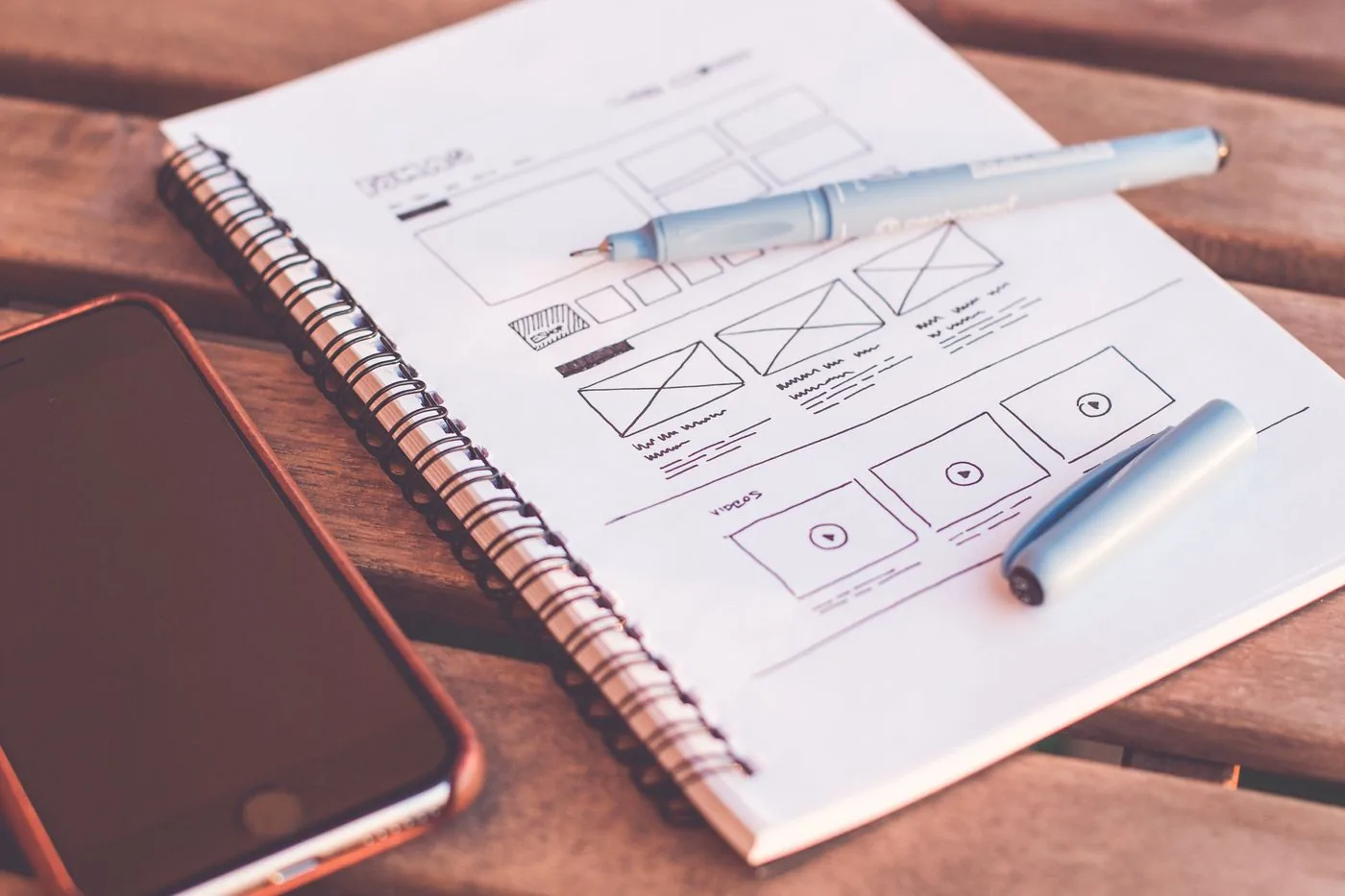
Website wireframes sketched in a notebook with mobile device in the UK. Photo by picjumbo.com on Pexels
1

Discovery and content audit

We meet your principal and intake lead, review your current site and enquiries, and list the matters, nations, and regulator details to show. This decides the page structure before any design begins.

Dual monitors showing UI design work in progress in the UK. Photo by Tranmautritam on Pexels
2

Structure and wireframes

We sketch how visitors move from the home page to matter pages to an enquiry, and agree where phone numbers, forms, and fee information sit. Layouts are checked on a phone first.

Desktop and mobile screens showing a responsive website design in the UK. Photo by Designecologist on Pexels
3

Design and copy

We design a calm, uncluttered look and draft plain-language copy for your review. Every claim is checked with your team, so only facts you can substantiate appear on the site.

Team reviewing conversion-focused page designs on laptops in the UK. Photo by fauxels on Pexels
4

Build and accessibility checks

The site is built for speed and tested on common phones and browsers. We check contrast, text size, keyboard use, and form labels, aiming for recognised web accessibility guidelines.

Developer optimising site performance code on a laptop in the UK. Photo by Lukas Blazek on Pexels
5

Launch and handover

Before launch we test forms, call tracking, and redirects from old pages so existing search visibility is kept. Your team receives training on editing pages and adding reviews, news, or fee changes.

web

What Family Law Web Design includes

Pages that make it easy to understand the offer and take the next step in the UK

  • check_circle Site structure and wireframes
  • check_circle Design and plain-language copy
  • check_circle Build with accessibility checks
  • check_circle Tracking, forms, and redirects
  • check_circle Team training and handover
Mother and child holding hands walking along a sunny park path in the UK. Photo by Gustavo Fring on Pexels

What you can expect

  • verified A calmer first impression for worried visitors
  • verified Clear routes to call or write on every page
  • verified Pages that use the correct regulator wording per nation
  • verified A site your own team can update
  • verified Tracking that shows which page led to each enquiry
  • verified Faster loading on mobile connections
Learn about HeyLead Web Design arrow_forward

Deliverables you receive

inventory_2 A page structure covering matter types, nations, and cities you serve
inventory_2 Mobile-first templates with click-to-call and short enquiry forms
inventory_2 Plain-language copy for each page, drafted for principal approval
inventory_2 A regulator and registration block that shows only details your firm holds
inventory_2 Accessibility testing and fixes aimed at recognised web accessibility guidelines
inventory_2 A redirect map and tracking set-up so calls and forms are counted from launch

Technical approach

The mechanics behind Web Design for family law, explained plainly.

Website wireframes sketched in a notebook with mobile device in the UK. Photo by picjumbo.com on Pexels

Speed and mobile performance

Images are sized and compressed, code is kept light, and fonts are limited. A page that loads quickly on a mobile connection is easier to use and gives search engines a better experience of your site.

Dual monitors showing UI design work in progress in the UK. Photo by Tranmautritam on Pexels

Forms, calls, and data protection

Forms ask only for what intake needs and explain how data will be used, in line with UK data protection rules. Click-to-call buttons are tracked, and enquiries go to the person or inbox your team chooses.

Desktop and mobile screens showing a responsive website design in the UK. Photo by Designecologist on Pexels

Editing and structure for search

The site uses a content system your team can edit, with clean headings, structured data, and sensible addresses for each page. We plan for future pages, so new matters or offices fit without restructuring.

What family law web design involves in the UK

Scope depends on page count, nations, and content ready for review. Talk to us.

Typical website range

Starting at £2,000 GBP

Talk to us. Quoted in GBP.

Get a Free Audit

What's included

  • Focused practice site

    Included

    Suits a single-office firm with a limited set of matters. Core pages, clear enquiry routes, and tracking are covered, with room to add pages later as the practice grows.

  • Multi-matter, multi-city site

    Included

    Suits firms covering children, finance, and cohabitation across several offices. It needs more pages, a stronger structure, and more content review, with local pages kept genuinely distinct.

  • Multi-nation site

    Included

    Suits firms in more than one UK nation. Each nation has its own pages, terms, regulator wording, and tracking, which increases scope but keeps the site accurate and easy to navigate.

The price for your scope is shown separately on this page. Content readiness affects effort, so having fee information and staff details ready helps.

What to expect from a family law website project

Timelines depend on content approval, the number of nations, and how quickly your team can review pages.

Days 1 to 14

Discovery, content audit, and structure are agreed. We collect regulator details, fee information, and any reviews you have permission to use.

Days 15 to 45

Design, copy, and the first build are produced and reviewed with your principal. Feedback rounds happen here, and tracking and forms are wired in.

Days 46 to 75

Testing, accessibility checks, and redirects are completed before launch. Your team is trained and the site goes live, with early monitoring afterwards.

Our team

The same people on the audit and on the work

Martin writes every audit and takes the first call. The same team stays on the account. 160+ businesses since 2010.

Martin, Founder, strategy and audits in the UK

Martin

Founder, strategy and audits

Writes every audit and takes every first call. On your account from day one, running growth for SMEs since 2010.

Yoana, Social and app development in the UK

Yoana

Social and app development

Shapes social strategy and builds practical app experiences that turn attention into action.

Mike, SEO in the UK

Mike

SEO

Owns technical, local and content SEO so the right buyers find you when demand is highest.

Robert, Paid media in the UK

Robert

Paid media

Plans and manages paid search and social campaigns around qualified leads.

Elmer, Analytics in the UK

Elmer

Analytics

Connects tracking, attribution and reporting so decisions are based on revenue-quality data.

Dino, Design in the UK

Dino

Design

Creates clear brand and conversion-focused design across landing pages, campaigns and product experiences.

Certified and experienced

Certified where it matters. Accountable for the outcome.

Verified platform knowledge, 25+ years of hands-on experience, and an operating track record since 2010.

Google AdsCertified
Google AnalyticsCertified
Google Tag ManagerCertified
Operating since 2010Proven experience

Frequently Asked Questions

Which regulator details go on the site? expand_more
Those that apply to your firm, such as SRA registration for England and Wales or the relevant law society for Scotland or Northern Ireland. We add only details your firm actually holds, and your principal confirms them before launch.
Can you use client testimonials? expand_more
Only real ones, with permission, and only if they fit your regulator's rules and client confidentiality. We suggest displaying genuine independent reviews rather than written testimonials. Your firm decides what is shown.
Will we lose our search visibility? expand_more
We plan redirects from every important old page and check the site after launch. Temporary movement can occur whenever a site is rebuilt, and no outcome can be promised, but careful migration limits the risk.
Do you build separate pages for each nation? expand_more
Yes, when your firm practises in more than one. Terms and procedures differ, so each nation gets its own accurate pages. Shared pages are used only where the content is genuinely the same.
How accessible will the site be? expand_more
We aim to meet recognised web accessibility guidelines, including contrast, text size, keyboard use, and clear form labels, and we test before launch. Accessibility is a continuing responsibility, so we advise on it as content changes.
Can our team edit the site? expand_more
Yes. We build on a system that fee-earners or administrators can use, and we train your team at handover. Fee tables, staff profiles, reviews, and news can be updated without a developer.
How do you handle fee information? expand_more
We can display fee guidance in the way your firm chooses and make clear whether VAT is added. We do not invent prices or success rates. Your principal decides how much to publish.
Do you host the site? expand_more
We can advise on hosting or arrange it, and the domain and content always remain yours. Either way, you keep access to your accounts and can move the site if you ever wish.

Ready to get more from Family Law Web Design?

Get a free audit and we will show you where you are losing enquiries today.

Get a Free Audit arrow_forward