
Martin
Founder, strategy and audits
Writes every audit and takes every first call. On your account from day one, running growth for SMEs since 2010.
Plastering is judged on flatness, and flatness only shows in good photos. We design websites that show finished walls and ceilings properly, answer the dust and drying questions owners ask, give builders quick crew details and turn visits into quote requests with room counts and photos.
For plastering firms that need a fast site with finish galleries, room-based pages and a quote form that brings in usable details.
Context from how your customers search, compare and book.
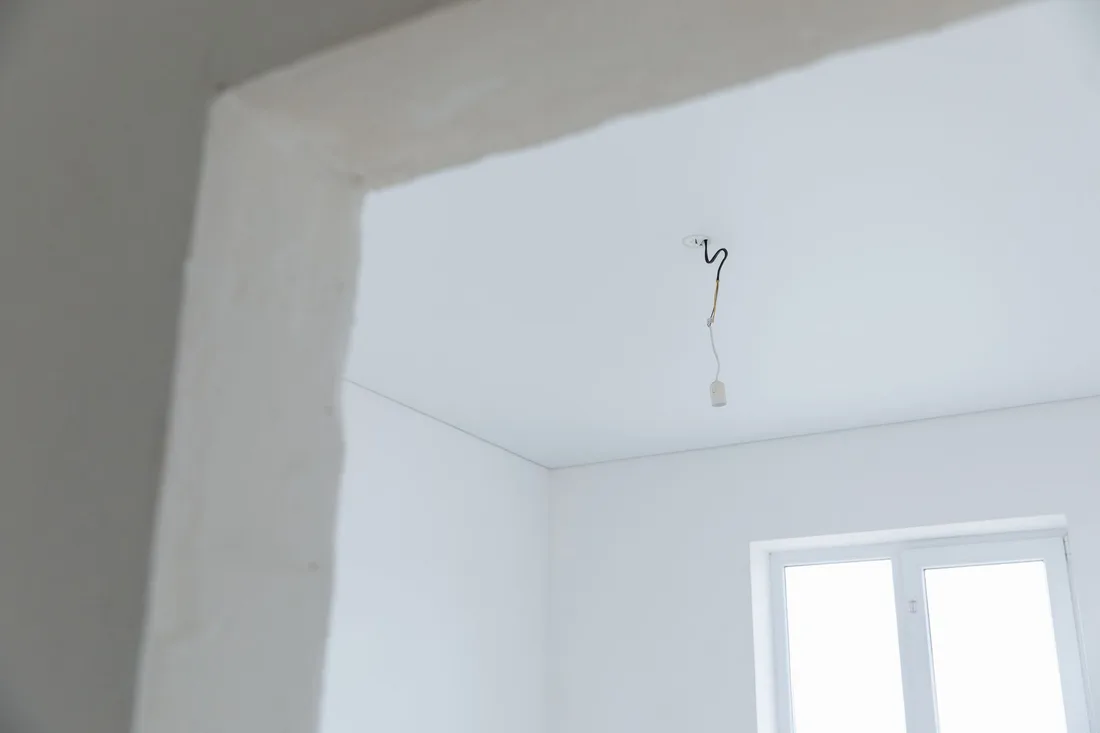
A visitor wants to know one thing first: will the finish be flat and clean? Open with a raking-light photo of a finished wall or ceiling, then say in a line or two who you work for, what you do and where. Plain, large images do this better than a banner of building tools or a long list of services.
Pages should follow how people think about the job. Owners think in rooms, hallways and ceilings. Builders think in sites, boards and schedules. Restoration clients think in cornices and roses. Three clear paths from the home page, each with its own proof and form, stop the site becoming a list of every service.
Answers to practical worries belong in plain view. How much dust is there, how long until paint, can the family stay in the house, what happens to the furniture? Short answers placed beside the quote button reduce hesitation far more than a general promise of quality, and they save your office from repeating the same replies.
Phones matter. Many owners find a plasterer while standing in a room with cracks, and many builders check from site. Tap-to-call buttons, large text and an option to attach a photo of the wall let them act at once, without waiting to get home or find a pen. Slow pages and tiny buttons lose these visitors fast.
A clear, repeatable process built around how plastering customers search and decide.

We choose your best flat walls, ceilings and ornamental work, sort them by job type and list the photos still needed, such as corners, window reveals and before and after pairs shot in the same light.

We plan a home page with clear paths for owners, builders and restoration clients, then pages for skim coats, ceilings, new builds, ornamental work and commercial lining. You approve the layout before we build, and changes are easy at that stage.

We design a form that asks for rooms, current surface, occupancy and painter date, with photo upload. Calls, texts and forms land with you and your customer records, with a clear message about when you will reply, so owners do not feel ignored.

The site goes onto a fast platform, photos are compressed, and reviews, credentials and answers on dust and drying are added. You check technical statements before anything is published, and we test on older phones and slow connections.

We connect call and form tracking, redirect old addresses and test every button. Your team learns to add new rooms to the gallery, and we watch the first weeks for any awkward spots or forms that confuse people.
Pages that make it easy to understand the offer and take the next step in the UK
The mechanics behind Web Design for plastering, explained plainly.
Comparison images are persuasive but can be heavy. We build them light, test on slow phones and give a plain two-photo fallback so the proof loads even if the slider fails.
The quote form accepts several phone photos, shrinks them on upload and confirms receipt right away. If something fails, it tells the visitor how to call instead of dropping their details, which saves many a lost lead.
Calls, forms and gallery views carry tags for owner, builder or ornamental. Reports then show which pages bring requests and what room counts they involve, so you can see which pages earn their place.
Plastering web design starts at £2,000. Scope depends on how many pages and features you need, and we agree it with you after seeing your current site.
What's included
The pages customers need to decide, laid out for phones first, with proof and a clear next step.
Forms and call buttons that work on every phone, with each request tracked to its source.
Image, speed and mobile checks before launch, and a short list of fixes afterwards.
Larger builds, such as online shops or booking systems, are scoped after discovery. Talk to us for a fit.
A plastering site stands or falls on its photos, so the first weeks are about getting the right shots.
We review your best work, agree the page list and photo plan and approve a layout. You see how owners, builders and restoration clients will move through the site, and which photos still need taking.
We build the pages and test them on phones. You review dust and drying statements, we connect tracking, and the site goes live once forms and calls work from start to finish on several devices.
We watch how visitors use the site, add new rooms and test form changes. Results depend on traffic, photo quality and reply speed, and we promise no particular numbers or ranking positions.
Our team
Martin writes every audit and takes the first call. The same team stays on the account. 160+ businesses since 2010.
Founder, strategy and audits
Writes every audit and takes every first call. On your account from day one, running growth for SMEs since 2010.

Social and app development
Shapes social strategy and builds practical app experiences that turn attention into action.

SEO
Owns technical, local and content SEO so the right buyers find you when demand is highest.

Paid media
Plans and manages paid search and social campaigns around qualified leads.

Analytics
Connects tracking, attribution and reporting so decisions are based on revenue-quality data.

Design
Creates clear brand and conversion-focused design across landing pages, campaigns and product experiences.
Certified and experienced
Verified platform knowledge, 25+ years of hands-on experience, and an operating track record since 2010.
Get a free audit and we will show you where you are losing enquiries today.
Get a Free Audit arrow_forward