
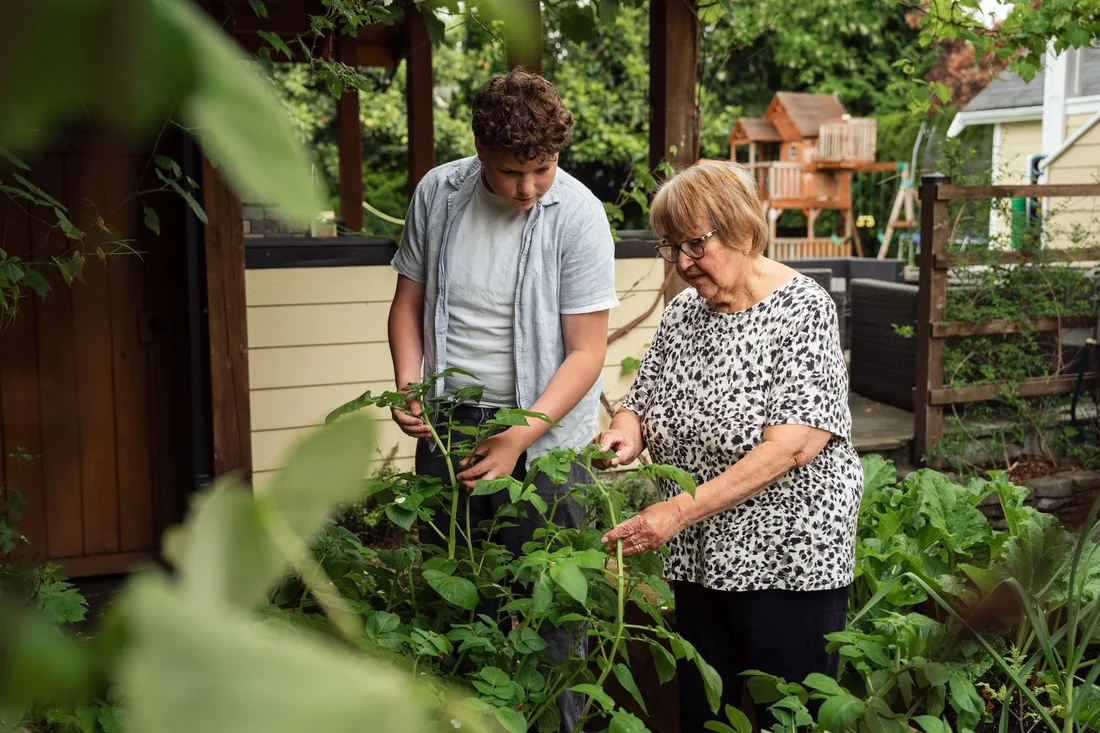

Martin
Founder, strategy and audits
Writes every audit and takes every first call. On your account from day one, running growth for SMEs since 2010.
A garden website has two jobs. It must make an owner think this is the team that could build my terrace, and it must make a busy household think this is the person who will keep my lawn tidy. Gallery first, process second, a simple way to ask third. We design, build and test it. Lead numbers are not promised.
For landscaping and gardening owners who need a site that shows finished gardens first, explains routes and projects clearly and takes consultation requests easily from a phone.
Context from how your customers search, compare and book.
Gallery quality sets the tone. Visitors judge a garden business by its photos, in seconds, before they read a word. Large, bright images of finished work, grouped by terraces, planting, turf, walls and lawns, tell them whether your standard matches their taste. Small, dark or cluttered photos undersell good work.
Two types of buyer need two paths. Someone who wants weekly lawn care needs a simple page: what is included, which suburbs, how to join a route. Someone planning a full garden build needs inspiration, a clear process, an idea of timelines and an easy way to book a consultation.
Process reduces fear. Owners worry about mess, delays, cost creep and how a design will actually look. A page walking through the site visit, concept plan, quote, staged payments, build days and aftercare shows you have done this many times, and it helps your own team set expectations.
Local detail helps. Mentioning slopes, clay or sandy soil, shade, water rules and the plants that suit the area proves you know the district. Short project notes from each suburb tie the portfolio to places visitors know, which is more persuasive than a general promise.
A clear, repeatable process built around how landscaping and gardening customers search and decide.

We gather your best project photos, the services you offer, your service area, insurance details and customer comments. We review the current site for speed and gaps, and note the questions callers ask most so the new pages answer them.

We plan a home page, maintenance pages, design and build pages, an irrigation page if you offer it, a process page, a gallery and area pages. The home page offers two clear paths: join a route or plan a garden.

We write plain copy with your lead gardener, covering visits, inclusions, weather policy, design steps and staged payments. Galleries group projects by type, with suburb, scope and materials noted in captions. Stock photos give way to your own work.

Maintenance forms ask lawn size, garden type and preferred day. Design forms ask project idea, suburb and an optional photo of the space. Click-to-call sits on every screen. Each route alerts your team and is tagged for reporting.

We test on phones, tablets and slow connections, send test forms to confirm delivery and check that old links redirect. You approve the final site, then we launch and keep a close eye on the first weeks, checking for broken links, slow pages and forms that fail.
Pages that make it easy to understand the offer and take the next step in the UK
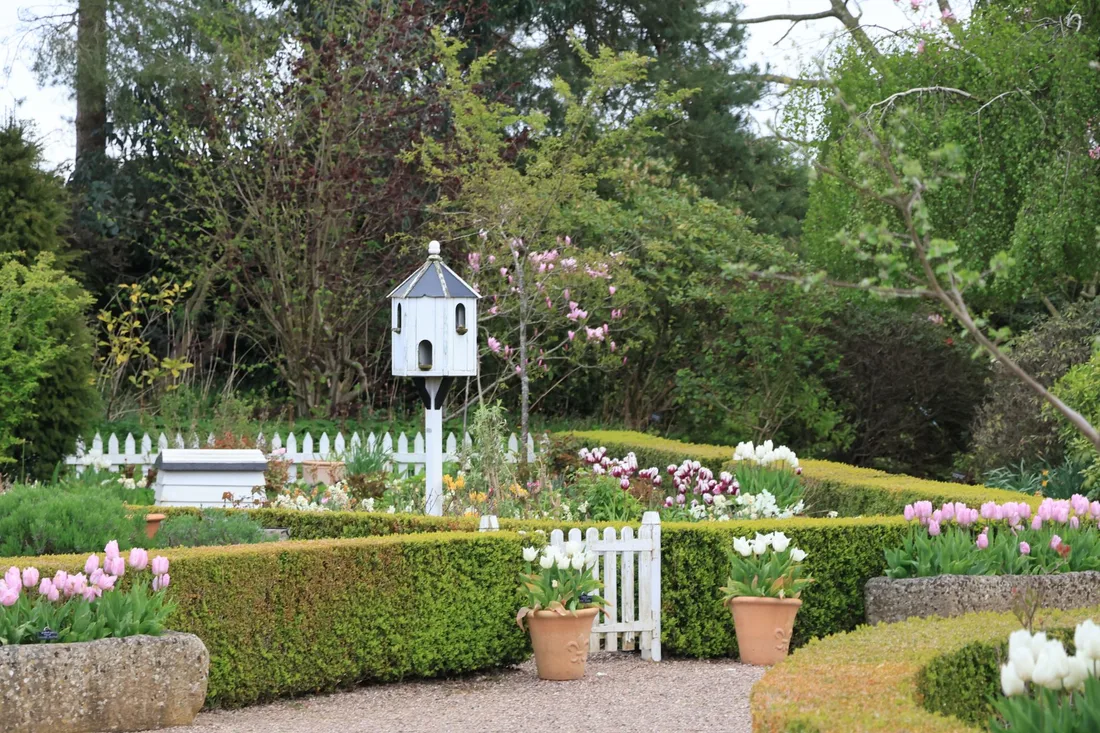
The mechanics behind Web Design for landscaping and gardening, explained plainly.
Garden galleries can hold hundreds of photos. We resize them, serve modern formats where browsers allow, load them as people scroll and add text descriptions. The gallery stays quick on a phone and the page remains easy for search engines to read.
Banners and offers can change with the season without a rebuild: spring planting, summer upkeep, leaf clean-ups and winter planning. You or we can update them in minutes, and old seasonal pages stay in place so search history is not lost.
Each service and area page has a clear title, heading and markup for services and reviews. Internal links join maintenance, design and area pages. Redirects keep older links working, so listings and shared garden photos still lead to the right place.
Landscaping and Gardening web design starts at £2,000. Scope depends on how many pages and features you need, and we agree it with you after seeing your current site.
What's included
The pages customers need to decide, laid out for phones first, with proof and a clear next step.
Forms and call buttons that work on every phone, with each request tracked to its source.
Image, speed and mobile checks before launch, and a short list of fixes afterwards.
Larger builds, such as online shops or booking systems, are scoped after discovery. Talk to us for a fit.
Photos and facts from your team drive the pace. After that, pages come together quickly and improve as you add new projects.
We gather photos, service details, insurance information and comments, agree the page plan and set up tracking. You tell us the services to push, the suburbs to cover and anything you want to stop taking.
Text is drafted and pages are assembled, then previewed on a phone and a laptop. Your lead gardener checks the detail, test forms are sent and fixes follow. Launch happens once you approve.
We read call and form data, add new projects each season, tidy weak pages and extend into new services or suburbs. Visits from search arrive gradually, and the volume cannot be promised.
Our team
Martin writes every audit and takes the first call. The same team stays on the account. 160+ businesses since 2010.
Founder, strategy and audits
Writes every audit and takes every first call. On your account from day one, running growth for SMEs since 2010.

Social and app development
Shapes social strategy and builds practical app experiences that turn attention into action.

SEO
Owns technical, local and content SEO so the right buyers find you when demand is highest.

Paid media
Plans and manages paid search and social campaigns around qualified leads.

Analytics
Connects tracking, attribution and reporting so decisions are based on revenue-quality data.

Design
Creates clear brand and conversion-focused design across landing pages, campaigns and product experiences.
Certified and experienced
Verified platform knowledge, 25+ years of hands-on experience, and an operating track record since 2010.
Get a free audit and we will show you where you are losing enquiries today.
Get a Free Audit arrow_forward