
Martin
Founder, strategy and audits
Writes every audit and takes every first call. On your account from day one, running growth for SMEs since 2010.
A homeowner standing on a cracked driveway looks up a concreting firm on a phone. If the site is slow, the photos are tiny or the form is vague, they call the next firm. We design sites that show the work, explain the process and turn visits into measure-up requests.
For concreting firms that need a fast, clear site with finish galleries, job pages and a quote form that brings in usable details.
Context from how your customers search, compare and book.
Visitors arrive with one question: will this firm do a clean job on my surface? The top of each page should show a finished pour that looks like theirs, then a short line on who you serve, what you do and how a visit works, and a button to book a measure-up.
Concrete jobs differ, so one catch-all page fails. A driveway buyer wants drainage and cracking answers, a patio buyer wants finish samples, and a builder wants slab experience and pump access. A clear menu by job type sends each visitor to the right place within a tap or two.
Proof carries more weight than adjectives. Place sized photos, short notes on base and reinforcement, a few reviews about turning up and cleaning the site, and your registration and insurance details close to the form. Owners worry about trust at the moment they decide to ask.
Most visitors use a phone, often outdoors in glare, so text must be large and the phone number a big button. A form that asks for area, access, finish and a photo takes a minute to fill in and saves you a wasted trip across town.
A clear, repeatable process built around how concreting customers search and decide.

We go through your best pours, sort them by job type and finish, and note what is missing. A short photo list for your next jobs fills the gaps, so the gallery grows with the business rather than being redone each year, and weak shots are quietly dropped.

We sketch the home page and one page for each main job: driveways, slabs, decorative, paths and patios, commercial. You approve the layout before we build, and it follows how your customers decide, starting with the question they ask first.

We design a short form asking for job type, approximate area, access and photos, plus a prominent call button and text option. Each submission lands with you and in your record system, with a confirmation that says when someone will reply.

We build on a fast platform, compress photos, add reviews, registration and insurance details, and test on older phones and slow connections. You review every claim, especially any technical statement about base, reinforcement or curing, before launch.

We connect call and form tracking, redirect old addresses and test every button. After launch we watch the first weeks, fix small issues and show you how to add photos and update the gallery yourself.
Pages that make it easy to understand the offer and take the next step in the UK
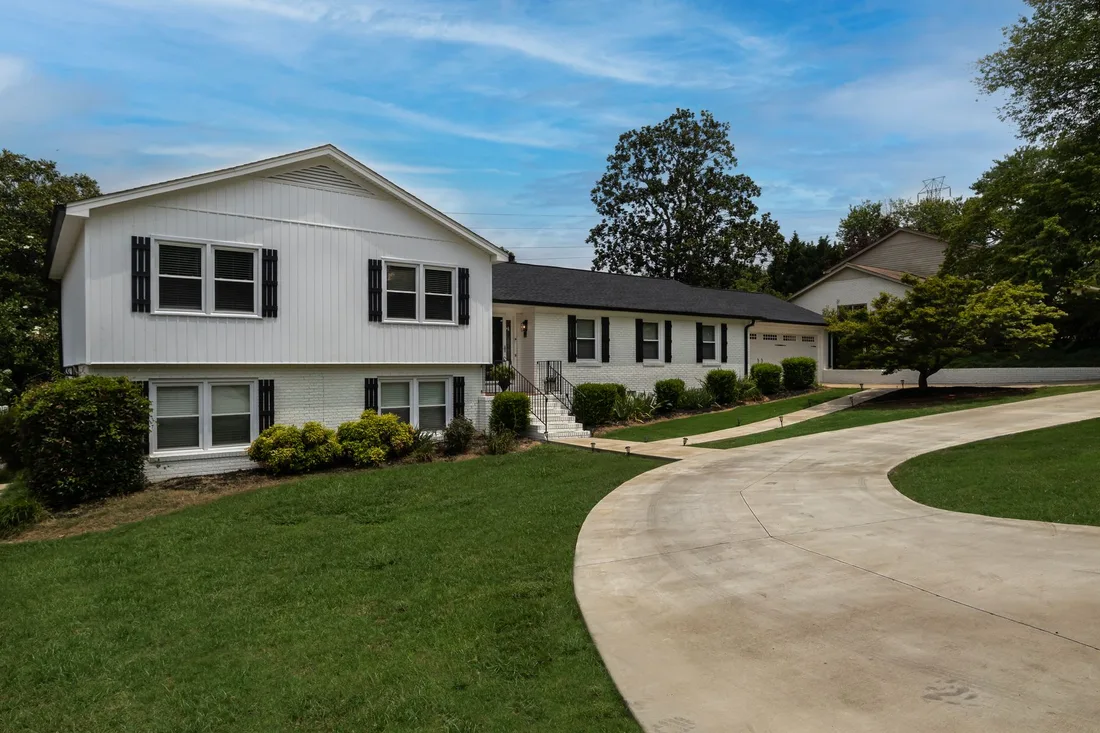
The mechanics behind Web Design for concreting, explained plainly.
A concrete site lives on photos, which are often the slowest part. We resize and compress each image, set fixed dimensions to stop the page jumping, and load lower images only as visitors scroll.
Forms accept photo uploads, check phone numbers and block bots without making visitors tick boxes full of blurry pictures. Messages route to the right person, and a failed send shows a clear fallback to call.
We tag calls, form sends and gallery views so reports show which pages bring measure-up requests. The editing area is simple enough that your office can add new pours without calling a developer.
Concreting web design starts at £2,000. Scope depends on how many pages and features you need, and we agree it with you after seeing your current site.
What's included
The pages customers need to decide, laid out for phones first, with proof and a clear next step.
Forms and call buttons that work on every phone, with each request tracked to its source.
Image, speed and mobile checks before launch, and a short list of fixes afterwards.
Larger builds, such as online shops or booking systems, are scoped after discovery. Talk to us for a fit.
A concreting site is built around your photos, so progress depends on how quickly good images arrive.
We review your work and photos, agree the page list and approve a layout. You see the plan for galleries, forms and proof before any build starts, and we ask for the missing photos early.
Pages are built and tested on phones. You review text and technical claims, we connect tracking, and the site goes live once forms and calls work from end to end.
We watch how visitors use the site, add new pours and test form changes. A site is never finished, and results depend on traffic, your replies and the strength of your work.
Our team
Martin writes every audit and takes the first call. The same team stays on the account. 160+ businesses since 2010.
Founder, strategy and audits
Writes every audit and takes every first call. On your account from day one, running growth for SMEs since 2010.

Social and app development
Shapes social strategy and builds practical app experiences that turn attention into action.

SEO
Owns technical, local and content SEO so the right buyers find you when demand is highest.

Paid media
Plans and manages paid search and social campaigns around qualified leads.

Analytics
Connects tracking, attribution and reporting so decisions are based on revenue-quality data.

Design
Creates clear brand and conversion-focused design across landing pages, campaigns and product experiences.
Certified and experienced
Verified platform knowledge, 25+ years of hands-on experience, and an operating track record since 2010.
Get a free audit and we will show you where you are losing enquiries today.
Get a Free Audit arrow_forward