
Martin
Founder, strategy and audits
Writes every audit and takes every first call. On your account from day one, running growth for SMEs since 2010.
A ducted heating website has to work at two speeds. One visitor has a cold house and wants a phone number now. Another is spending a month on a replacement worth many repair visits. We design pages for both, with quick breakdown paths, clear comparisons and forms that tell your estimator what to expect.
For ducted heating and cooling firms that need a quick, trustworthy site with separate breakdown and upgrade paths and tracking that shows which pages bring work.
Context from how your customers search, compare and book.
The first screen must sort visitors. A bold phone button and a line about breakdown attendance serve the stranded household, while a link to replacement and cooling guides serves the planner. Without that split, both groups read the wrong content and many simply leave the site within seconds.
Planners need comparison above all. A clear page on gas ducted against reverse cycle ducted, with notes on zoning, ductwork condition and running costs, helps owners understand what they are buying. Diagrams of a roof-space unit, return air and ceiling outlets make the system less mysterious.
Proof does heavy lifting on a hidden installation. A gallery of plant units, duct runs and finished outlets, captioned by home type and system, lets a buyer picture the result. Customer comments you may quote and visible credentials ease the worry about a stranger working in the roof.
Forms should sort jobs before anyone drives out. Asking for system type, age, fault, home size, levels and a photo of the existing unit lets your estimator prepare. Breakdown forms stay short, while assessment forms can ask more, with every field chosen after testing on real phones and tablets.
A clear, repeatable process built around how ducted heating and cooling customers search and decide.

We map the pages: breakdown, repair, replacement, cooling add-on, zoning, service plans, gallery, about and contact. The layout puts a breakdown path and a planning path on the first screen, with the phone button never out of reach.

The site uses your brand and photos. Comparison pages rely on plain diagrams and short sections instead of technical walls of text. Galleries filter by system type and home style, with captions you supply and approve before they appear.

A short breakdown form or call button handles urgent jobs. A fuller assessment form covers system type, age, levels and photos, and sends a copy to your estimator. Both give the customer a confirmation with the expected reply time.

Many visitors arrive on a phone in a cold house. Images are compressed, heavy scripts removed and key pages tested on common handsets and slow connections. Text stays readable, buttons are large and forms work for keyboard and screen reader users.

Call and form tracking are installed and each path tested. Your team is trained to update galleries, plan pages and notes. Monthly, we review which pages produced bookings and adjust the layout where visitors stall.
Pages that make it easy to understand the offer and take the next step in the UK
The mechanics behind Web Design for ducted heating and cooling, explained plainly.
The breakdown page is deliberately light: a phone button, attendance information, a short form and little else. We test it on slow connections, since it is often opened in the worst possible conditions.
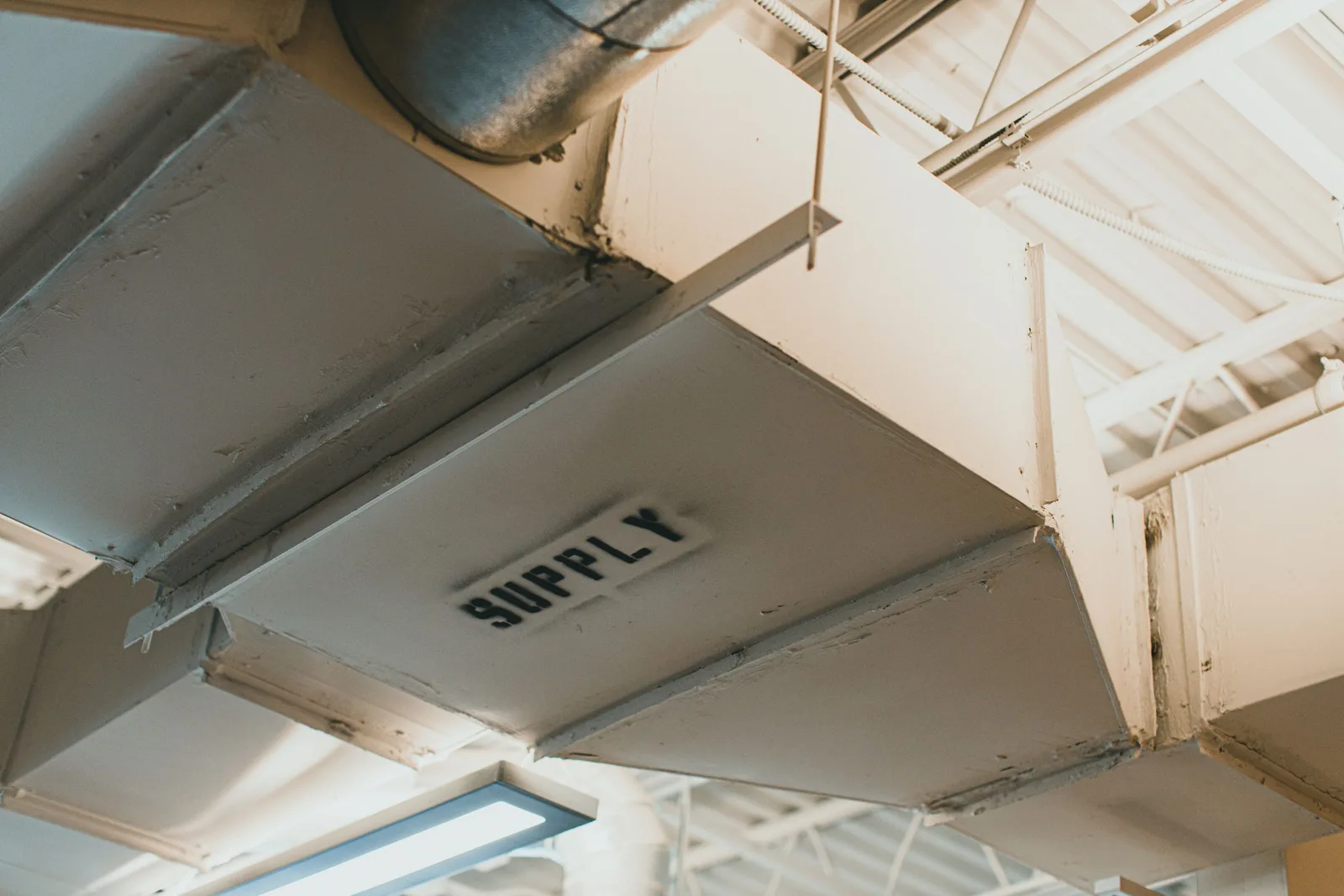
Duct systems are invisible, so diagrams do much of the work. We use light graphics that load quickly, with text alternatives, to show where the unit, ducts and outlets sit in a typical home.
Incentive wording, product notes and service-plan details sit in editable blocks. Your team can change them in minutes, and a review reminder prompts someone to check them each season.
Ducted Heating and Cooling web design starts at £2,000. Scope depends on how many pages and features you need, and we agree it with you after seeing your current site.
What's included
The pages customers need to decide, laid out for phones first, with proof and a clear next step.
Forms and call buttons that work on every phone, with each request tracked to its source.
Image, speed and mobile checks before launch, and a short list of fixes afterwards.
Larger builds, such as online shops or booking systems, are scoped after discovery. Talk to us for a fit.
A ducted site takes a few weeks to plan, build and test, and keeps improving as real visitors use it.
Before any design, we agree the page list, gather photos and decide which person gets which kind of request. Mock-ups of the front page, a breakdown page and the assessment form come next, and any claim a technician must confirm is marked.
The site is built in stages and checked on phones as it grows. Tracking goes in before release, forms are tested against your real booking routine, and your team practices editing a page so nothing depends on us afterwards.
Once live, the site is watched for the places where visitors give up. Forms get shorter or sharper, and new pages follow the systems and suburbs that bring jobs. Results are never guaranteed, though the numbers will show what works.
Our team
Martin writes every audit and takes the first call. The same team stays on the account. 160+ businesses since 2010.
Founder, strategy and audits
Writes every audit and takes every first call. On your account from day one, running growth for SMEs since 2010.

Social and app development
Shapes social strategy and builds practical app experiences that turn attention into action.

SEO
Owns technical, local and content SEO so the right buyers find you when demand is highest.

Paid media
Plans and manages paid search and social campaigns around qualified leads.

Analytics
Connects tracking, attribution and reporting so decisions are based on revenue-quality data.

Design
Creates clear brand and conversion-focused design across landing pages, campaigns and product experiences.
Certified and experienced
Verified platform knowledge, 25+ years of hands-on experience, and an operating track record since 2010.
Get a free audit and we will show you where you are losing enquiries today.
Get a Free Audit arrow_forward