
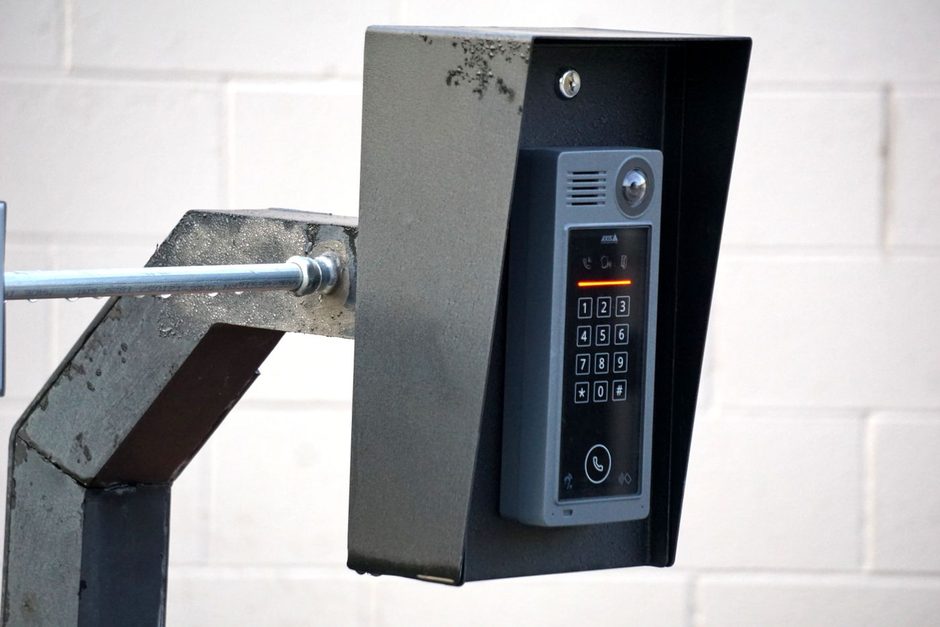
Friday, 4:40pm in a Manchester block. A facilities lead has a failed door entry panel, residents locked out of the communal entrance, and the managing agent on the phone again. They do not browse “smart home inspiration”. They type something blunt into Google: “intercom repair near me”, “video door entry installation Leeds”, “replace apartment door entry system London”. That is the traffic that pays for vans, stock, and engineers. Everything else is noise dressed up as demand.
For UK intercom firms, high-intent Google Ads is not a brand awareness exercise. It is a filter that decides whether you buy surveys, quotes, and booked installs, or you fund DIY enquiries, pure price shoppers, and people who wanted a wireless doorbell kit from a big-box retailer. This guide walks through how buyers actually search, what a clean paid-search setup looks like in pounds and response time, and where campaigns quietly leak before spend can scale.
If you already run Search and still feel the diary is thinner than the lead count, you are not alone. The gap is almost always intent, match type, negatives, the page after the click, and how fast a human answers the phone.
How UK intercom buyers search when something has already failed
Intercom demand in the UK splits into two moods, and they do not behave the same in Google Ads. Emergency and “panel is dead” work arrives with short, local, high-urgency queries. Planned upgrades from freeholders, managing agents, and estate agents arrive with longer research strings, brand-plus-system language, and more comparison. Both can be profitable. Mixing them in one campaign with one bid and one landing page is how accounts burn budget.
High-intent patterns you want to bid into look like service plus place plus problem: “video intercom installation Birmingham”, “audio door entry system repair Glasgow”, “block intercom upgrade quote Bristol”, “Comelit video door entry repair Edinburgh” when a specific stack is already in the building. Commercial and multi-dwelling language matters. A click from a managing agent who needs a multi-apartment door entry retrofit is worth more than a homeowner comparing a £80 wireless kit. Your ad copy and keywords should say “block”, “flats”, “communal entrance”, “door entry”, and “wired / video door entry” when that is the work you want.
Lower-intent neighbours crowd the auction: general “home security system”, “CCTV install”, “smart lock”, and pure product research with no install intent. Those queries can look cheap on a CPC dashboard and still never become a survey. In many SEM accounts, 20 to 30 percent of spend still drifts into irrelevant queries, weak negatives, or pages that do not match the promise in the ad. For intercoms, that waste shows up as “security” traffic that wanted alarms, and product shoppers who never needed an engineer on site.
Mobile still drives a large share of paid search clicks, often well over half. For emergency door entry, that is normal. Conversion rates on mobile often lag desktop, so your call extensions, click-to-call, and a form that does not fight a thumb are not nice-to-haves. They are the difference between a booked job and a bounce while the buyer rings the next firm on the SERP.
When paid search fills the CRM but not the van schedule
The failure mode is familiar. Lead volume looks healthy. CPL in Google looks “acceptable”. Ops still says the diary has holes, or the surveys that do book are wrong-fit: single-dwelling gadgets, out-of-area tyre-kickers, or people who wanted a different trade entirely. Marketing was optimising for form fills. The business needed cost per booked job and cost per won install, in GBP, after VAT reality and engineer travel time.
Three leaks show up again and again. First, keyword sets that are too broad: “intercom”, “door phone”, “entry system” without geo, service type, or commercial modifiers suck in research and retail intent. Second, ad groups that send every click to a homepage selling CCTV, alarms, locks, and intercoms in one scroll. The buyer who searched “video door entry for flats Manchester” lands on a general security brochure and leaves. Third, forms-only thinking. Plenty of UK buyers in a corridor failure still want to speak to someone now. If you only count form conversions, you underbid the true winners and over-credit slow email enquiries that never answer the phone back.
Response capacity is part of the media plan. Winning the auction at 7pm when nobody answers until Monday morning trains Google’s smart bidding on weak outcomes and trains the market to choose your competitor. Dayparting is not a gimmick here. Align spend with when survey slots and engineers can actually commit. If evenings are call-only with a duty phone, bid and extensions should reflect that. If weekends are dead for commercial blocks, stop paying full freight for them.
Tracking completes the picture. Call tracking that ties the number in the ad to the keyword, offline import of booked surveys and won jobs, and a simple status the sales or office team will actually update beat a pretty last-click dashboard. Automated bidding without clean conversion signals is how people end up saying the algorithm “inflates budgets”. Often the algorithm is chasing the only event you gave it: a half-complete web form.
If you want a sharper view of how paid search should be structured for this trade, HeyLead’s UK team lays out the operating model on our SEM / Google Ads page, with the same focus on qualified demand rather than raw enquiry volume.
Building Search campaigns around booked door-entry work
Start with intent clusters, not one giant “intercoms” campaign. Separate emergency repair, new install for houses, multi-dwelling / block upgrades, and brand or manufacturer-led work if you specialise. Give each cluster its own ads, negatives, and landing proof. Exact and phrase match still matter for control while you learn; broad can work later when negatives are mature and conversion feedback is trustworthy. “Signals over keywords” is real in 2026, but for a specialised trade you still need a keyword skeleton so you are not funding every adjacent security click in London.
Write negatives like an operations manager, not like a thesaurus. Exclude retail and DIY intent (kit, wireless doorbell brand names you do not install, “how to”, “DIY”, “Amazon”, “Argos” where relevant), pure CCTV and alarm language if you are not fulfilling that job from the same ad group, job-seeker terms, and geography you will not cover. Review search terms weekly at first, then on a steady cadence. The account that never touches negatives is the account that slowly becomes a general security magnet.
Ads should sound like the job. Lead with video or audio door entry, flats and communal entrances, response area (Greater Manchester, West Midlands, and so on), and a clear next step: call for emergency fault, or book a survey for upgrades. Sitelines that mention NSI / SSAIB where you hold them, manufacturer experience, and multi-dwelling work raise trust faster than vague “security experts” copy. Extensions are working tools: call, location, sitelinks to repair vs install vs commercial, and structured snippets for system types.
Bids and budgets should answer a business question: what can we pay for a booked survey that converts at our historic win rate and still leaves margin after parts and labour? That number is your north star, not an industry-average CPL. A London block upgrade worth £8,000 in labour and parts can support a cost-per-booked-survey north of £200 and still leave healthy margin - a ROAS frame built on Google’s cross-industry averages will undervalue that ceiling. Your unit economics and travel radius decide the ceiling.
Dayparting and geo should match capacity. Tighten radius around depots and engineer density in cities like Birmingham, Leeds, or Bristol rather than painting the whole UK and hoping. Use bid adjustments where call answer rates are strong. Pause or cut hours where nobody can book. That discipline feels boring. It is also how you stop buying leads that expire in a voicemail box.
Get a free marketing audit - we review your search, ads, and landing pages and send back what to fix first.
Get a free audit

Landing pages, proof, and the handoff after the click
High-intent ads fail when the page after the click argues with the query. A dedicated page for “video door entry for apartment blocks” should open on that job: photo of a real panel install, the problem you solve for managing agents, service area, and a single primary action. Do not make a facilities manager hunt past alarm packages and locksmith upsells. Message match is still one of the highest-leverage fixes in PPC, and agencies that “just send traffic to the homepage” still create that mess daily.
Proof on UK intercom pages is specific. Show block and commercial work, not only pretty hallway shots. Name the types of systems you support. Surface response expectations (“survey slots this week in…”) without promising fantasy SLAs you cannot hit. Include trust marks, insurance, and a plain route for estate agents and managing agents who need a PDF quote trail. Forms should ask only what dispatch needs: site type (house vs flats), fault vs new install, postcode, and phone. Every extra field is a tax on mobile urgency. Route form submissions to an SMS alert or CRM task so the first human response happens in minutes, not the next morning when the buyer has already booked elsewhere.
Calls deserve equal design love. Click-to-call above the fold on mobile, a tracked number, and a short script for whoever picks up so the first minute qualifies multi-dwelling vs domestic and books the survey rather than “we will email a brochure”. Speed-to-lead is a conversion rate lever. The firm that answers in two minutes while the resident is still standing at the door wins more often than the firm with the prettier banner.
When traffic is expensive and conversion is soft, guesswork is costly. Watch real sessions: where people stall on the form, whether they ever see your multi-dwelling proof, whether the call button is ignored. HeyLead Insights (session recordings, heatmaps, scroll and click behaviour) is built for that post-click honesty so you fix the leak instead of raising bids on a page that never sells the panel. Pair that with clean tags and, where you can, enhanced conversions so smart bidding sees something closer to truth after privacy gaps and ad blockers remove a chunk of signal.
For a niche-shaped view of offers, pages, and demand programmes in this trade, see HeyLead’s Intercoms marketing overview and keep the paid search layer tied to the same booked-job definition ops already uses.
Two UK scenarios: repair rush versus planned block upgrade
Scenario one: a Leeds-based installer was spending steadily on a single Search campaign built around “intercom” and “door entry”. Enquiry volume looked fine. Booked jobs did not. The search terms report was full of wireless consumer products and generic security research. The fix was mechanical, not magical.
They split emergency repair from install, added phrase and exact themes around “door entry repair”, “video intercom fault”, and city modifiers, and stacked negatives for DIY and retail intent. Ads and a repair-specific landing page led with same-week engineer language and click-to-call. Forms still existed, but calls were imported as conversions when a survey was booked. A typical result we see in this kind of rebuild is search terms going from roughly 40% non-install intent to under 10% after about six weeks, with the share of leads that became site visits rising sharply because the auction was no longer shared with people who wanted a box off a shelf. The single mechanism that mattered was stopping non-install intent at the keyword and page layer, not “more budget”.
Scenario two: a London-adjacent firm wanted managing-agent upgrade work, not only panic repairs. Their ads talked about “smart security” and sent clicks to a broad homepage. CPCs in competitive London postcodes hurt, and the office complained about tyre-kickers.
They rebuilt one campaign cluster around multi-dwelling language: “video door entry system for flats”, “communal entrance intercom upgrade”, “apartment door entry installation” plus borough-level geos they could serve profitably. The landing page opened on block case photos, a short note on working with managing agents, and a survey CTA that asked for number of entrances and dwellings. They dayparted heavier into office hours when agents actually answer. Cost per enquiry went up slightly. Cost per qualified survey dropped - a typical result we see is cost per booked survey falling from around £380 to about £190 over 90 days - because each click was closer to a real project. That is what high-intent looks like when you measure the right denominator.
-
Pull 30 to 90 days of search terms and tag each as job-fit, adjacent security, or junk.
-
Map each job-fit theme to one ad group, one ad promise, one page.
-
Define the conversion you bid toward as booked survey or won job, not raw form submit.
-
Align hours and call handling with when you can truly respond.
Patterns we see in audits
The short quotes below are illustrative composites drawn from patterns in account reviews. They are not quotes from named clients.
Here is how two clients described the shift after restructuring their campaigns (illustrative composites that reflect common feedback rather than named testimonials):
“We kept celebrating a lower CPL on Google while the install team said half the enquiries were doorbell kit questions. Once we split block door-entry terms onto their own ads and page, the cost per booked survey made sense again.” - Owner, UK door entry and intercom installer
“Call tracking showed our best keywords never filled in the web form. We were teaching Smart Bidding to chase the wrong event for months.” - Marketing lead, multi-site security contractor

FAQ
What counts as a high-intent keyword for intercoms in the UK?
Queries that combine the system or fault with install or repair language and a place or commercial context: video door entry installation, communal intercom upgrade, apartment door entry repair, plus your service towns. Pure product research and generic “home security” strings are usually lower intent for an engineering business.
Should we prioritise calls or forms in Google Ads?
Both, with honest weighting. Emergency and mobile users often call. Planned upgrades and managing agents may prefer forms and email trails. Track calls to booked outcomes and do not let form-only conversion tracking hide your best traffic.
How tight should geo targeting be?
Tight enough that an engineer can profitably attend. Dense coverage around depots in cities such as Manchester, Birmingham, or Glasgow usually beats a thin national campaign that wins clicks you will decline on the phone.
Should intercom installers use Performance Max campaigns?
Without strong creative assets, clean conversion definitions, and negatives where you still control Search, automation expands into adjacent security and retail intent. Many teams still run Search with strict intent clusters as the core, and only widen when measurement of booked work is solid.
What should we look at weekly if we only have limited time?
Search terms and negatives, cost per booked survey by campaign, answer-rate or speed-to-lead on paid calls, and whether the landing page for each ad group still matches the query. That short list catches most budget leaks before a monthly vanity report does.
Free tools
DIY free tools for this playbook
Run these on the pages and campaigns this article covers, then fix what they flag before you scale spend or content volume.
Run these on this playbook
If the checklist shows a leak you cannot close in-house, request a free marketing audit.
Putting it to work
Export the last 60 days of Google Ads search terms for every campaign that touches intercoms or door entry. Mark each line as booked-job fit, wrong trade, or retail/DIY, then build one tightened ad group and one matched landing section around the fit cluster that already produces real surveys. That single pass usually surfaces the waste faster than another bid strategy debate.
When you want a partner to own the unglamorous loop of intent clustering, negatives, call-led conversion tracking, and landing-page match so paid search buys booked door-entry work rather than soft enquiries, HeyLead can run that Google Ads programme with you. Start the conversation at [email protected].
Free marketing audit, or reach Martin directly:
Get a free audit Chat with us on WhatsApp · [email protected]