
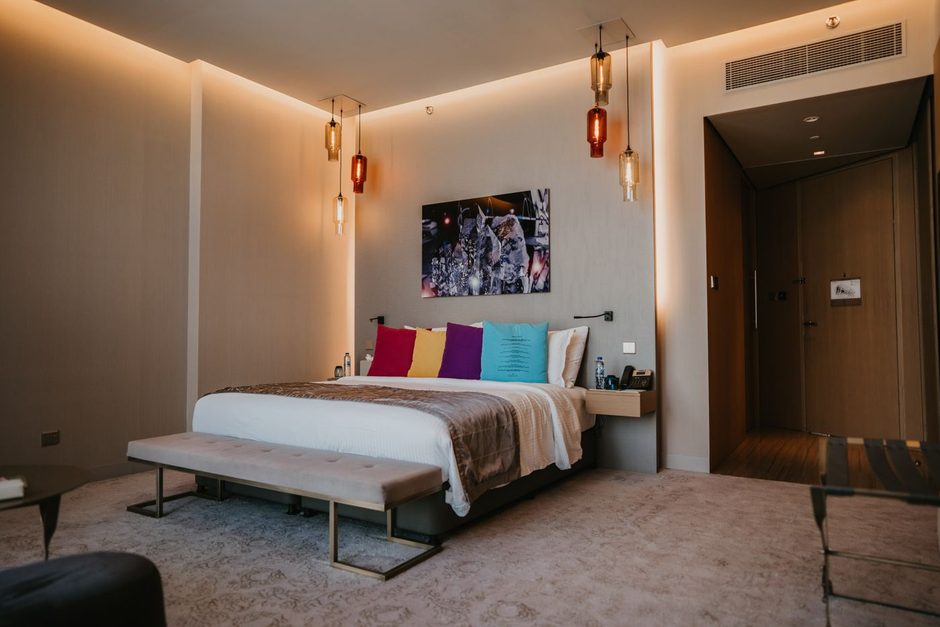
A wedding planner in Leeds opens Google at 9.40pm looking for a countryside venue with 80 covers, late bar licence, and parking for 40 cars. A corporate booker in Manchester needs a midweek block of 25 rooms plus two breakouts within 20 minutes of Piccadilly. A family in Edinburgh wants a dog-friendly coastal stay for half-term that is not a faceless chain. None of them start on your homepage. They start with a search that names the job, the place, and the constraint. If your organic presence is thin, generic, or built like a printed brochure, those queries never surface your property. That is how solid hotels, resorts, and multi-site groups across the UK stay busy on OTAs and paid channels while their own site barely contributes pipeline.
SEO for hospitality and resorts companies UK is not a branding exercise. It is the work of matching real booking intent, proving the property can deliver, and turning the visit into an enquiry or a direct book. Below are the mistakes we see most often when operators finally open Search Console and wonder why rooms, events, and spa packages are invisible for the terms that actually fill the diary.
If you already know the gap is structural rather than “we need more blog posts,” a focused SEO programme built around hospitality intent is usually the fastest way to stop guessing.
Ranking for pretty destination words while high-intent room and event queries stay empty
Plenty of UK properties still chase “best hotels in the Cotswolds” or “luxury spa weekend” as if those phrases alone fill the diary. They look impressive in a pitch deck. They rarely convert at the rate of someone typing “wedding venue Yorkshire 80 guests parking” or “conference hotel near Birmingham NEC with AV.” The first cluster is browsing. The second is a buyer with a date, a headcount, and a budget range in sterling.
Where this breaks is simple. Content teams write for aspiration. Sales teams live on RFPs, site visits, and short-notice corporate holds. The keyword map never connects the two. You end up with thin destination guides that rank for soft terms, while the pages that could rank for “dog friendly hotel Lake District two nights” or “private dining room Bristol city centre” sit on three thin paragraphs and a photo gallery. Google has little unique information to work with, so it sends traffic to OTAs, review aggregators, and larger brands with denser entity signals.
Fix the map before you fix the prose. Pull 90 days of enquiries and bookings and label each by how the guest described the need: rooms only, rooms plus meeting space, wedding, spa day, group leisure, last-minute leisure. Then match those labels to search language, not to your internal product names. A “Grand Suite” is not a query. “Family suite with interconnecting rooms near Edinburgh Zoo” is. Build or rebuild one landing URL per high-margin intent cluster, with capacity, location constraints, parking, licensing, and packages stated in plain British English on the page. That is the difference between vanity traffic and organic demand that sales will actually chase.
Watch zero-click pressure too. AI Overviews and packed SERPs mean fewer casual clicks. The visits you do win need to land on pages that answer the booking question in the first screen, not a mood board with a “enquire” button buried under a carousel.
Google Business Profile errors that kill local hotel rankings across multi-site UK properties
For hotels and resorts with a physical footprint, local SEO is not optional window dressing. Guests still search “hotel near me,” city-plus-amenity strings, and map packs when they are already in Birmingham, Glasgow, or Liverpool and need a room tonight. If your Google Business Profile categories are wrong, hours drift after a seasonal change, or the NAP on the site disagrees with directories and the booking engine, you look inconsistent to both Google and the guest.
Multi-property groups make this worse. Each site needs its own clean entity story: address, phone, geo-coordinates, primary category, secondary categories that match real services (wedding venue, conference centre, spa), and photos that show the actual rooms and spaces, not stock lakes. When five properties share one profile or one thin location page, rankings dilute and reviews scatter. Corporate planners comparing three venues in Leeds will not fight your structure for you.
Reviews are commercial proof, not vanity. Response speed and specificity matter. A generic “Thanks for staying!” does nothing for the next planner reading about slow check-in or excellent AV support. Encourage reviews that mention room type, event type, and neighbourhood. Those phrases become supporting content for the queries you want. Do not buy reviews. Do make it easy for happy groups and wedding couples to leave detail while the experience is fresh.
On-site, every property needs a location page that is more than an embedded map. Cover transport links, nearby landmarks guests actually name, parking rules, and what the building is good for. Link those pages from the main navigation and from relevant offer pages. Google has to understand you as a real place that delivers specific hospitality outcomes, not a brand logo floating above a national homepage.
Get a free marketing audit - we review your search, ads, and landing pages and send back what to fix first.
Get a free audit
Publishing seasonal campaigns then going quiet for months
Hospitality marketing calendars are feast and famine. Christmas parties, Valentine packages, summer staycations, and conference season get a burst of pages. Then the CMS goes cold until the next sales meeting. Organic visibility does not work on that rhythm. Competitors who keep shipping useful, specific pages compound. You reset every quarter.
The mistake is treating content as campaigns instead of coverage. You need durable pages for evergreen intent (weekend breaks with spa access, accessible rooms, pet policy, hybrid meeting packages) plus a steady drip of timely pieces that still earn links and internal traffic after the promo ends. A “NYE 2026 package” page that dies on 2 January is a sunk cost unless you redesign it into a reusable “New Year’s Eve hotel packages in [city]” template with fresh dates each year.
Capacity is the real blocker. Most marketing leads in hospitality do not have a full-time content team. So they either outsource random blogs about “top things to do nearby” or stop publishing. Neither builds authority. A spa-and-stay page built in October for Christmas gifting still draws leisure enquiries in February - a NYE package page rebuilt as a template earned links from three wedding blogs that stayed live past January. What works is a short list of page types tied to margin: room-type pages with real photography and floor plans, event capacity pages with sample layouts, package pages with inclusions and exclusions, and destination or occasion pages that answer planning questions without fluff.
If keeping that cadence in-house is unrealistic, a managed system helps. HeyLead Auto Blogger is built for shipping region- and niche-aware articles under human strategy, so UK hospitality sites can stay visible across seasons without hiring a newsroom. The point is not volume for its own sake. It is covering the intent clusters that feed direct bookings and qualified enquiries while your competitors are still waiting for the next agency “content pack.”

Sending organic traffic to brochure pages that never ask for the booking
You can win the click and still lose the stay. Many resort and hotel templates bury proof, force guests through multi-step booking widgets that fail on mobile, or push every high-intent visit to a homepage carousel. Corporate and wedding traffic often needs a different path: clear capacity, sample menus or day-delegate rates in GBP (plus VAT clarity where you publish prices), downloadable floor plans, and a short form or click-to-call that reaches someone who can hold space.
Response speed still decides outcomes. An organic enquiry about a 40-room block that sits unanswered until the next morning often dies. Pair SEO with an ownership rule: who picks up web enquiries within 15-30 minutes during trading hours, and what happens after hours. Track source on the form so you know organic is producing RFPs, not just sessions.
This is where on-page behaviour data earns its keep. Heatmaps and session recordings show whether guests ever reach the rate calendar, whether the “Book direct” CTA competes with OTA badges, and where mobile users abandon the enquiry form. HeyLead Insights is how we surface those leaks with evidence instead of opinions from the last brand workshop. If scroll depth dies above the first proof block, no amount of keyword work fixes the conversion problem.
Core Web Vitals are part of the same story. Slow image-heavy gallery pages punish mobile users who make up most research sessions. Compress hero media, defer non-critical scripts from the booking vendor where you can, and test the real path from SERP to room selection on a mid-range phone over 4G. Pretty pages that take six seconds to become interactive do not deserve the rankings you fight for.
For operators comparing partners, look at full-funnel Hospitality and Resorts marketing that treats SEO, landing proof, and measurement as one system rather than a rank report detached from occupancy.
What a Cotswolds resort and a northern city hotel fixed when organic stopped booking
A 64-room countryside resort outside Cirencester was ranking for soft “romantic getaway Cotswolds” terms and almost nothing transactional. Direct organic contributed a thin trickle of leisure nights. Weddings and midweek corporate, the real margin, arrived almost entirely via planner relationships and one OTA package. The mechanism was blunt: there was no dedicated page for “wedding venue Cotswolds 100 guests exclusive use,” no sample timelines, and no planner-facing FAQ on noise curfews or supplier rules. Searchers bounced to venues that answered those questions in the open.
They rebuilt three pages first: exclusive-use weddings, day-delegate and 24-hour conference rates, and dog-friendly stays with a clear fee table. Each page led with capacity and constraints, then proof (real event photos, average decision timeline, parking count). Internal links from the homepage and the offers hub replaced a single “Enquire” mega-menu. Within roughly 11 weeks, organic wedding enquiries rose from roughly 4 per month to 9, and the sales coordinator could finally name Search as a source in the weekly pipeline review instead of “website - unknown.”
A different pattern showed up for a 180-room business hotel near Manchester. Rankings looked healthy for brand and “hotels near [postcode].” Conversion did not. Session recordings showed mobile users opening the room page, tapping Book, then dropping when the third-party engine asked for loyalty login before showing flexible rates. Organic was doing its job. The handoff was not. They added a direct “view rates without signing in” path, put VAT-inclusive starting rates on the SEO landing templates, and shortened the corporate RFP form from 14 fields to 7. Organic-assisted direct bookings rose even though average position barely moved. The lesson for marketing leaders: do not celebrate ranking charts until you have watched a real guest try to book on a phone.
In both cases the team stopped publishing random “top 10 local attractions” posts and redirected effort into intent pages plus measurement. Search Console queries were joined to enquiry type in the CRM once a fortnight, not once a year. That closed the loop between SEO activity and rooms or events actually held.
Action checklist
Action checklist for SEO mistakes that keep hospitality and resorts firms
Use this as a working checklist for SEO mistakes that keep hospitality and resorts firms - specific steps you can run this week, not theory.
- Map the last 90 days of Search Console queries for SEO mistakes that keep hospitality and resorts firms into intent clusters that match how buyers actually book (high-intent service terms vs pure DIY research).
- Pick one money page that should own the primary commercial query in your UK market. Demote or 301 any blog that outranks it for that term.
- Rewrite that page with a single primary CTA, proof above the fold, financing or pricing clarity where relevant, and a short form (name, phone, need, preferred time).
- Align Google Business Profile categories, services, hours, and real photos with the same money services (every location if multi-site).
- Add internal links from the top 5 support URLs into the money page with descriptive anchors.
- Track calls and forms by landing page for two weeks before you fund more content volume.
- Only then brief one support article that answers a pre-purchase question and links back to the money page.
Free tools - try these yourself
If the checklist shows a leak you cannot close in-house this month, request a free marketing audit - we will prioritize SEO, ads, and landing pages around the same outcome metrics above.
Frequently asked questions
How long before SEO moves the needle for a UK hotel or resort?
Expect meaningful movement on non-brand commercial queries in roughly 3-6 months if technical foundations are clean and you publish or rebuild real intent pages, not filler. Multi-property groups with messy NAP and thin location pages often need the entity clean-up first or the content never sticks. Anyone promising full diary impact in a few weeks is selling theatre.
Should we prioritise SEO or paid search when OTAs already take a cut?
Run both with different jobs. Paid covers short-notice and peak promos with controllable spend. SEO compounds on high-intent room, wedding, and MICE queries so you are not renting every click forever. The expensive mistake is sending either channel to the same weak homepage. Dedicated landing paths and call tracking matter more than picking a single “winner” channel.
Do we need a blog if we already have strong property pages?
Property and offer pages do the heavy commercial lifting. Supporting content still helps when it answers planner and guest questions your competitors leave vague: accessibility routes, exclusive-use rules, shoulder-season packages, group dining. Skip generic destination listicles. Keep a cadence you can sustain, even if that means fewer, sharper pages.
How do we know organic is producing real pipeline, not just sessions?
Tag enquiry forms and phone calls with source and landing page. In the CRM or sales log, mark whether the lead became a site visit, proposal, or definite. Review organic contribution to rooms and events monthly alongside OTA mix. If you only report rankings and traffic, you will overfund vanity and underfund the pages sales already knows convert.
Is AI-generated content enough to rank in hospitality?
A large share of top-ranking pages now include AI-assisted text, but hospitality still loses when pages lack specific proof: real photos, accurate capacity, local constraints, and human answers to awkward planning questions. Use AI for drafts and structure if you must. Ship only what a GM or events manager would stand behind on a site tour.
Putting it to work
Execution sprint
This week
- Pull 30-90 days of performance for SEO mistakes that keep hospitality and resorts firms (Search Console, ads, CRM, or call logs - whatever you have).
- Flag the top leak: wrong intent, weak page, slow response, or dirty conversion tracking.
- Ship one fix on the highest-traffic money path (page, campaign split, or response rule).
- Run the free tools below on that same URL or account and log the findings.
Free tools for this sprint
Next 30 days
- Expand the fix to the next one or two money paths only after the first one shows cleaner bookings.
- Align creative, keywords, or content with the same offer the page now states.
- Review booked outcomes weekly; cut anything that still only produces unqualified volume.
Next 30 days
- Expand the fix to the next one or two money paths only after the first one shows cleaner bookings.
- Align creative, keywords, or content with the same offer the page now states.
- Review booked outcomes weekly; cut anything that still only produces unqualified volume.
Next 30 days
- Expand the fix to the next one or two money paths only after the first one shows cleaner bookings.
- Align creative, keywords, or content with the same offer the page now states.
- Review booked outcomes weekly; cut anything that still only produces unqualified volume.
Free marketing audit, or reach Martin directly:
Get a free audit Chat with us on WhatsApp · [email protected]