

A rainy August bank holiday doesn’t sink a campsite’s season. A quiet February does. By the time the sun comes out and the phone starts ringing, the pitches that should have been yours for the May half term and the late August bank holiday were already booked, in January, by someone who found a competitor’s site first and never saw yours at all.
That’s the real cost of getting SEO wrong in this trade, and it rarely looks like “no traffic”. It looks like a touring field that’s half full on a weekend it should be booked out, a glamping pod that only ever gets enquiries three days out when you can’t plan staff or stock around them, and a direct booking rate that keeps sliding while your commission bill to Pitchup or Cool Camping creeps up. More spend on a new website or a flurry of social posts in June doesn’t fix any of that, because the damage was done months earlier, in a season when nobody was watching.
Most of the SEO problems we see on UK campsite and glamping park websites aren’t big, dramatic failures. They’re small, specific, fixable things: a Google Business Profile that still says “Open” in December, a homepage trying to be everything to everyone, a booking widget that loads a beat too slowly on a phone with two bars of signal in a layby. Fix the right ones in the right order and you stop handing bookings, and commission, to someone else’s listing of your own campsite.
The six SEO mistakes draining bookings from UK campsites and glamping parks
These are the mistakes we come across most often when we look at a campground’s website and search presence for the first time. Most sites have at least two or three of them running at once, which is exactly why fixing just one rarely moves the needle much on its own.
Common mistakes
-
1Chasing "campsite near me" only once the season has started
Most owners refresh photos, write a new blog post, and push Google Business Profile updates in May or June, right as the season gets going. But families who book early, the ones locking in a half term or bank holiday stay, searched for and booked that trip back in December or January, usually within days of the next academic year's school holiday dates being confirmed. If your content, pricing pages, and availability calendar don't reflect the upcoming season until spring, you've missed the window where most of the early, committed bookings happen. Fix it by treating November to January as your main content season, not your quiet season.
-
2One homepage trying to rank for every kind of stay
A touring pitch, a static caravan for hire, a glamping pod, and a rally field for twenty touring caravans are four completely different searches with four different intents. Cram them all onto one homepage with one H1 and a photo gallery, and Google genuinely can't decide what the page is "about". More often than not, it falls back on ranking the OTA's dedicated listing page for your own site above your own homepage. The fix is dedicated landing pages per stay type, each with its own H1, its own specifics (amp rating on the hook-up, distance to the shower block, pod sleeping capacity, pet policy), and its own booking call to action.
-
3Google Business Profile out of step with every other directory
You close from November to February, but your Google Business Profile still shows regular hours. Your pitch count hasn't been touched in two years. Meanwhile UKCampsite.co.uk lists you as "Oakfield Farm Caravan & Camping Park" and your own site says "Oakfield Farm Campsite", with a different phone number on each. That inconsistency quietly tells Google these might not be the same business, which caps how high the local pack will ever rank you, no matter how good your website is underneath it. Audit your profile and your top directory listings before each reopening, and keep the attributes (hook-up, showers, dog-friendly, adults-only) accurate and current.
-
4A booking widget that loads after the visitor's already gone
A lot of campsite searching happens on a phone with patchy signal, from a layby on the way back from a weekend walk, or from the sofa with the kids half-watching. Only 55.9% of websites pass all three Core Web Vitals checks according to CrUX data from May 2026, and a heavy autoplaying hero video plus a slow third-party booking calendar embed will push most campsite sites well outside that passing half. Someone checking if you've a pitch free for the bank holiday isn't going to sit through a booking iframe loading twice. Lazy-load your imagery, test the booking widget on a throttled connection, and measure how it actually responds to a tap, not just how fast the page technically loads.
-
5Pricing pages that dodge the VAT question
Pitch fees are standard-rated for VAT, but plenty of campsite pricing pages don't say whether the nightly figure shown is inclusive, or they switch convention between the touring page and the static caravan page. A family comparing three sites on a phone screen sees £35 on yours and £42 on a competitor's, books the competitor, then finds out at checkout yours would actually have worked out cheaper. It also creates a messier problem underneath: if your structured data pricing doesn't match what's displayed on the page, Google can flag it as unreliable in rich results. Pick one convention across the whole site, state it clearly next to the price, and make sure any schema markup matches exactly.
-
6Letting the OTA keep the better copy of your own site
The quickest way to get listed on Pitchup, Cool Camping, or Canopy & Stars is to paste the same description you use on your own "About" page. Now Google has two near-identical blocks of text about the same campsite: one on a national booking platform with far more domain authority, one on a small independent site. It's not a fair fight, and the OTA wins the click, then takes a commission on the booking you'd have taken for free. Write different copy for your own site, lean on the details only you'd know (which field floods after heavy rain, which pitch is quietest, when the farm shop actually opens), and keep anything on the OTA listings shorter and more generic.
If your traffic has decent volume but the visits aren’t turning into enquiries, the leak is usually after the click, not before it. We’ve written before about where SEO work needs to connect to what actually happens on the page once someone lands there, because ranking well for the right searches only pays off if the page does its job once they arrive.
What to fix this month, and what can wait until after half term
Not every fix on that list deserves the same urgency, and trying to do all six at once usually means none of them get done properly. The order matters, and it’s not the order most owners assume.
Fix the Google Business Profile and directory consistency first, this week if you can. It costs nothing, it takes an afternoon, and it’s often the single biggest lever on local pack visibility, because Google is weighing your business information against itself across multiple sources before it even gets to judging your website. Pricing clarity sits right alongside it, because that’s a trust problem that costs you bookings the moment someone compares you against a competitor, not a ranking problem that takes months to show.
Site speed and the booking widget come next, before you spend another pound sending traffic anywhere. There’s no point fixing your seasonal content calendar or writing better landing pages if the booking widget drops a chunk of visitors before they can even see a date. Once the page itself is fast and the widget behaves on a throttled mobile connection, then it’s worth investing in pitch-type landing pages and a proper seasonal content calendar, because now there’s somewhere solid for that traffic to land.
Untangling duplicate OTA content is the one that can genuinely wait a quarter. It’s worth doing, it protects your direct bookings over time, but it requires rewriting copy across multiple platforms and it won’t move this month’s numbers. Schema markup sits last on the list for most sites, useful once everything above it is solid, but not the thing to prioritise while your Google Business Profile still says you’re closed in July.
A few free tools make the early checks faster than doing them by hand:
DIY tools for this section
Mobile speed problems are worth digging into further than a single pass, because a page that loads acceptably on wifi can fall apart on the 4G signal most campers actually have on site or on the way there. HeyLead Insights shows exactly where visitors stall on a booking page, whether that’s scrolling past the pricing table without tapping anything or abandoning the calendar halfway through, which is far more useful than guessing from a bounce rate alone.
Get a free marketing audit. We review your search, ads, and landing pages and send back what to fix first.
Get a free audit
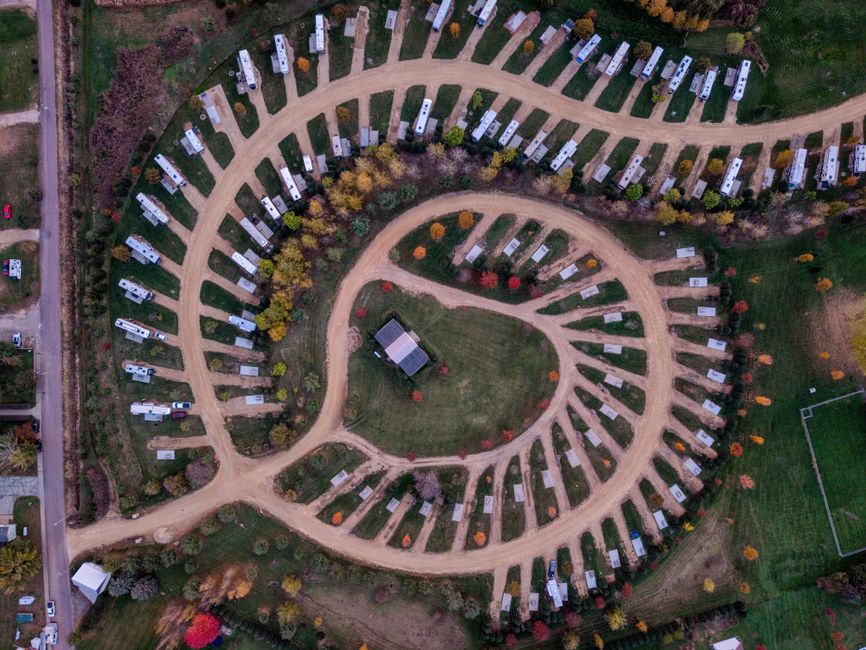
What changed when a Cornwall touring park stopped syndicating its own description to OTAs
Picture a family-run touring and camping park on the north Cornwall coast, the sort of site with thirty-odd touring pitches, a handful of static caravans, and two glamping pods added a few years back once demand for them picked up. For years, the site description on their own homepage and the one on their Pitchup listing had been identical, copied once, never touched again. Their Google Business Profile still listed them as open year-round, even though they close for six weeks over winter, and their booking calendar was embedded as a heavy third-party widget that took a visible pause to load on a phone.
Nothing about the site was broken in an obvious way. It just wasn’t winning the fight for its own name. Search “Oakfield Farm Campsite Cornwall” and the Pitchup listing, with its near-identical description and far bigger domain authority, consistently outranked their own homepage. Worse, searches for “dog friendly glamping pods north Cornwall” surfaced the Pitchup page for the pods, not the park’s own dedicated page, because there wasn’t one.
The change wasn’t a redesign. It was rewriting the homepage and the two pod pages with details only the site itself would know, the specific field that stayed driest after a wet spring, the exact walk to the beach, the honesty box for eggs by the farmhouse. The Google Business Profile got corrected: accurate seasonal hours, dog-friendly and hook-up attributes ticked properly, pitch count updated. The booking widget was swapped for a lighter version that loaded without the pause.
It didn’t happen overnight, but within a season, their own site started outranking the OTA listing for searches that included their own name, and the pod pages began showing up for the specific “dog friendly glamping” searches that used to go straight to Pitchup. Direct enquiries, the kind that don’t carry a booking platform’s commission, picked up ahead of the next bank holiday weekend rather than trickling in once it was too late to plan around them.
What campsite owners say about the enquiry that goes quiet
“We used to think the slow season meant stop. Now we know the slow season is when we fix the profile and the pricing pages, because by the time Easter bookings open in earnest, it’s too late to change anything that matters.” - Owner, family-run touring park, Lake District
“The phone used to ring with people asking if we had hook-up or whether dogs were allowed on the pods. Now the pages answer that before they ever pick up the phone, and the calls we do get are people ready to book, not people still deciding.” - Site manager, glamping and camping park, Cornwall

FAQ
Do we need a separate page for every pitch type, even on a small site? If you offer more than one kind of stay, touring and static, or camping and glamping, yes. A single page trying to cover both will rarely rank well for either specific search, because Google can’t tell which one the page is primarily about.
Should we pull our listing from Pitchup or Cool Camping to protect our own rankings? No, those platforms bring genuine bookings and are worth keeping. The fix is making sure the description on them differs from your own site’s copy, not removing the listing entirely.
How quickly will fixing our Google Business Profile actually show up in bookings? Local pack improvements often show within a few weeks once hours, attributes, and directory consistency are corrected, though the bigger payoff usually lands at the start of the next major booking window, like the half term or bank holiday after the fix.
Does the VAT shown on our pricing page actually affect how we rank, or just whether people book? It’s mainly a conversion and trust issue, not a ranking factor on its own, but mismatched pricing between your displayed rate and your schema markup can affect how Google treats your pricing in search results, so it’s worth fixing both.
What’s the single most urgent fix before the next school holiday? Google Business Profile and directory consistency. It’s the fastest to fix, costs nothing, and often has the most direct effect on whether you show up in the local pack at all.
Putting it to work
Execution sprint
This week
- Pull 30-90 days of performance for campgrounds (Search Console, ads, CRM, or call logs - whatever you have).
- Flag the top leak: wrong intent, weak page, slow response, or dirty conversion tracking.
- Ship one fix on the highest-traffic money path (page, campaign split, or response rule).
- Run the free tools below on that same URL or account and log the findings.
Free tools for this sprint
Next 30 days
- Expand the fix to the next one or two money paths only after the first one shows cleaner bookings.
- Align creative, keywords, or content with the same offer the page now states.
- Review booked outcomes weekly; cut anything that still only produces unqualified volume.
This week, open your Google Business Profile on your phone using mobile data, not wifi, and check three things: your current hours against your actual opening season, your pitch count and attributes (hook-up, dog-friendly, adults-only) against what’s true right now, and your business name and number against your top three directory listings. Note every mismatch. It takes about twenty minutes and it’s usually the single highest-leverage thing on this list.
The mismatched listings and duplicate descriptions quietly handing bookings to the OTA you’re paying commission on is exactly the kind of ongoing, unglamorous work HeyLead takes off a campground owner’s plate, auditing directories, rewriting pitch-type pages, and keeping your pricing and schema in step so your own site wins the searches it should. Chat with us on WhatsApp.
Free marketing audit, or reach Martin directly:
Get a free audit Connect on WhatsApp · [email protected]