
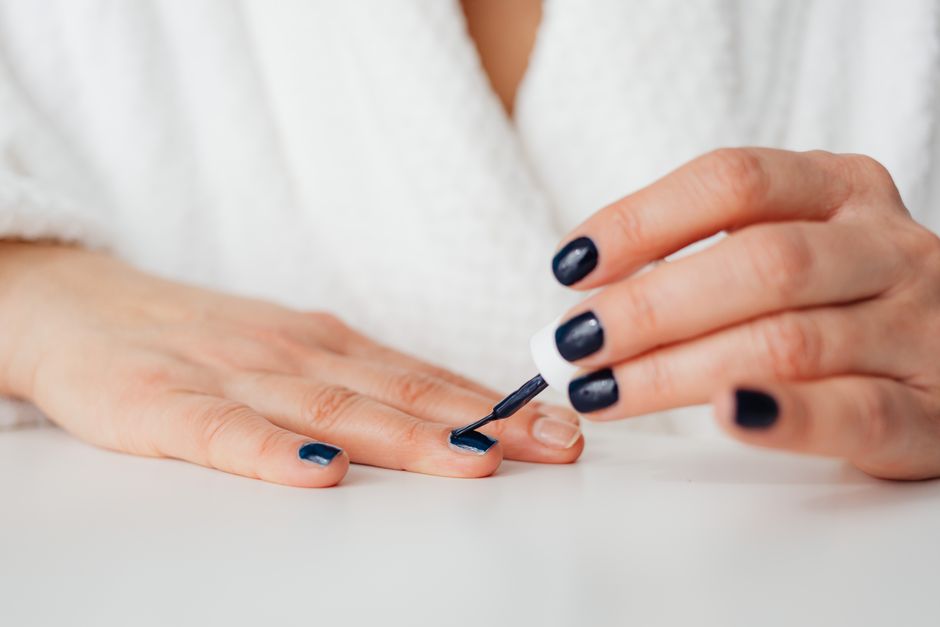
Real Google Ads Scenarios for Nail Salons in the UK
Saturday morning in Birmingham. Two chairs free after 11. Three gel-overlay enquiries sitting in the booking app from Thursday night ads. None confirmed. The owner has already paid Google for the clicks. The nail tech is on the clock. The diary still has gaps.
That is the real unit of work for UK nail salons running paid search. Not “leads”. Not impressions. A booked slot that shows up, pays, and preferably rebooks. High-intent queries like “gel nails near me”, “BIAB nails [area]”, or “acrylics same day” can fill a week if the ad, the page, and the response match how people actually book. When they do not, you fund tyre-kickers, wrong services, and after-hours calls nobody answers.
This piece walks through how that breaks in practice for nail salons across the UK, what a tighter Google Ads setup looks like when you optimise for cost per booked appointment, and two scenarios with the specific mechanism that fixed the waste. If you own the marketing number for a salon or a small group, treat this as a field guide, not a theory deck.
Why high-intent nail searches still leave UK chairs empty
People searching Google for nails are rarely browsing for fun. They want a time, a look, and a price band they can live with. In London, Manchester, Leeds, and Glasgow that often means tonight, tomorrow lunch, or before a wedding. Intent is strong. The leak starts after the click.
Plenty of accounts still bid on broad beauty terms and send traffic to a homepage carousel. The ad promised “gel manicure from £35”. The page leads with a brand story, a gift-voucher banner, and a “contact us” form that asks six fields before a preferred time. Mobile users bounce. You still paid the CPC. In accounts we audit, 20-30% of spend is typically absorbed by irrelevant queries before the first negative-keyword pass. Nail search is no exception: acrylics, SNS, BIAB, pedicure, lash add-ons, and “mobile nails” all look similar to a loose keyword list and very different to your chair capacity.
Response speed makes it worse. A form at 9.40pm on a Friday is not a warm lead by Monday morning. She has already messaged two other salons on Instagram. Call-only ads sound efficient until you run them outside staffing hours and pay for rings that hit voicemail. Vanity CPL looks healthy while the diary stays soft. The metric that matters is cost per booked and completed appointment, including no-shows you failed to confirm.
Tracking gaps hide the damage. If Google counts every form submit as a conversion and nobody tags “booked”, “arrived”, or “rebooked”, Smart Bidding optimises for noise. You scale the wrong thing. Salons then blame “expensive clicks in the UK” when the real issue is query quality, offer match, and the handoff between ad and front desk.
Get a free marketing audit - we review your search, ads, and landing pages and send back what to fix first.
Get a free audit
A Google Ads playbook built around booked appointments, not form fills
Start with intent clusters, not a dump of every beauty keyword. Separate campaigns or tightly themed ad groups for gel and BIAB, acrylics and extensions, pedicure and spa add-ons, and bridal or group bookings if those are real revenue lines. Match ad copy to the service and the area people type. “Gel nails in Chorlton, open late Thu-Sat” beats a generic “luxury nail bar” line when the query already named the service.
Negative keywords are not a one-off tidy-up. They are weekly hygiene. Add terms for jobs you refuse or cannot profitably serve: training courses, wholesale supplies, DIY kits, free, jobs, salary, and neighbouring services you do not offer (lashes, brows, spray tans) unless you truly sell them. Exact and phrase match still matter for control even when you use broader match with strong negatives and clean conversion signals. Review search terms often enough that a bad theme cannot burn a week of budget before anyone notices.
Decide call versus form with staffing in reality, not in the pitch deck. If reception only covers 10am-6pm, do not push call extensions into the evening without a plan. Use call tracking to booked outcomes where you can, and route after-hours traffic to a short mobile booking flow or WhatsApp with clear next-day confirmation rules. Dayparting should follow when you can actually seat someone or at least confirm within a tight window. Paying for “nail salon open now” intent at 11pm when nobody replies is optional charity to Google.
Landing pages must continue the ad promise. Same service name, same price anchor if you used one, proof that fits UK buyers (Google reviews, before-and-afters of real sets, hygiene and qualification cues, parking or station notes where relevant), and a booking path that asks for service, preferred times, and a phone number you will use. Skip the novel-length form. If paid traffic still fails after the click, watch session recordings and heatmaps with HeyLead Insights so you see where people stall on price, photos, or the form rather than guessing from bounce rate alone - recordings on gel-nail landing pages consistently show drop-off at the price section or the moment a multi-step form loads on mobile - both fixable once you can see them.
Feed the account outcomes that match money. Count a conversion when the appointment is held in the diary, not when someone types an email. Even a simple offline import or status change from your booking tool beats pure form spam. That is how bidding learns which queries fill chairs. For operators who want this run as an ongoing programme rather than a weekend experiment, HeyLead’s SEM / Google Ads work is built around that booked-appointment loop, not a pretty CPL chart.
Manchester negatives and Bristol dayparting: two fixes that changed the diary
Scenario one. Owner-operator, four-chair salon in Manchester’s Northern Quarter. Monthly Search spend around £1,600. Reported CPL looked acceptable at roughly £22-£28. The diary told a different story. Techs were doing consult chats for lash lifts, “mobile nails to Salford”, and acrylic training enquiries the salon does not offer. The mechanism was simple: broad match on “nails” and “manicure” without a living negative list, plus ads pointing at the homepage. Smart Bidding was rewarding form volume.
The fix was operational, not a new platform. They split gel/BIAB and acrylic into separate ad groups with copy that named the service and “walk-ins welcome before 2pm weekdays”. They added negatives for lashes, mobile, course, kit, job, and wholesale within the first fortnight, then kept a weekly search-term sweep. Traffic moved to a single mobile landing page per service with three real set photos, a from-price, and a two-step book request. Forms dropped about a third. Booked appointments from paid search rose because the remaining leads matched the chairs. Cost per booked slot became the weekly number on the wall, not CPL.
Steps they kept repeating:
-
Export search terms, mark waste, add negatives before increasing bids.
-
Pause any ad-to-page pair where the headline service does not appear above the fold.
-
Tag each booked paid lead in the diary source field within 24 hours so bidding sees quality.
Scenario two. Multi-location group with a busy site in Bristol and a quieter one in Bath. Call ads drove cheap “leads” after 7pm. Nobody on the desk. Voicemails sat until late morning. By then the caller had booked elsewhere. Daytime forms converted better at the Bristol site, where a coordinator confirmed within 20 minutes. Bath lagged because replies often waited until the manager finished a full set.
They rebuilt around response capacity. Call assets and call ads ran only during staffed hours per location. Evening and Sunday budget shifted to a short booking form with preferred slot and WhatsApp follow-up first thing. Ad schedules mirrored real confirmation SLAs, not wishful 24/7 coverage. Location bid adjustments favoured Bristol while Bath’s landing page gained clearer “next available” language and a single CTA. Wasteful night spend fell fast. The win was not a clever audience. It was refusing to buy intent the team could not catch.
If your own account looks like either of these, tighten query control and the post-click path before you scale budget. For niche positioning and offer clarity across locations, the Nail Salons marketing page outlines how paid search sits next to the rest of the growth mix without treating every beauty click as equal.
Patterns we see in audits
The short quotes below are illustrative composites drawn from patterns in account reviews. They are not quotes from named clients.
A composite of feedback from two clients we worked with in 2024:
“We were high-fiving a £26 cost per lead until we matched forms to the diary. Nearly 40% wanted lashes or mobile visits we do not do. Negatives and a gel-only landing page hurt lead volume and finally filled Saturday chairs.” - Owner, nail salon group, Manchester
“Call ads after 8pm looked busy in Google and empty in the appointment book. We cut evening calls, kept a short form, and confirmed by 9.30am. Cost per booked appointment dropped even though CPC barely moved.” - Marketing lead, multi-site beauty brand, Bristol
Questions UK nail salon owners ask before they scale Search
**What should I optimise for if Google shows a low CPL?**Optimise for cost per booked and completed appointment. A cheap form for the wrong service, or a call that never reaches a human, still costs chair time and ad spend. Tie conversions to diary outcomes as soon as you can.
**How aggressive should negative keywords be for a nail salon?**Aggressive enough that you are not paying for training, retail kits, jobs, or treatments you do not sell. Review search terms on a steady cadence. New waste phrases appear whenever Google explores match variants, especially in competitive postcodes in London, Birmingham, and Edinburgh.
**Is it better to drive calls or online bookings?**Whichever your team can answer or confirm quickly. Staffed hours favour calls for same-day urgency. Outside those hours, a short mobile booking path usually beats unpaid voicemail. Mix by schedule rather than picking one forever.
**How long before Google Ads feels stable for a salon?**Expect several weeks of query clean-up, page fixes, and conversion definition before you judge scale. Realistic paid programmes take consistent iteration. Anyone promising a fixed ROAS before seeing your services, prices, and capacity is selling comfort, not a plan.
**Do I need a separate landing page if my Instagram and Google profile already look strong?**Yes for paid search. The ad creates a promise in one swipe. The page has to finish that promise with service match, proof, and a booking action. Profiles help trust. They rarely replace a focused post-click path when you are paying per click.
Action checklist
Free tools
DIY free tools for this playbook
Run these on the pages and campaigns this article covers, then fix what they flag before you scale spend or content volume.
Run these on this playbook
If the checklist shows a leak you cannot close in-house, request a free marketing audit.
Putting it to work
Pull the last 30-45 days of Google Ads search terms next to your appointment diary. Mark every paid enquiry that did not become a seated client, and write the reason in plain language: wrong service, no reply, price shock, after-hours call, or duplicate. That list tells you which negatives, ad schedules, and landing-page fixes to ship first, before you touch budget upward.
When you want a partner to own the messy loop between high-intent nail queries, negative hygiene, dayparting to real response capacity, and landing pages that book chairs rather than inflate form counts, HeyLead runs that Google Ads work as an ongoing programme for UK salons. Start a conversation at [email protected].
Free marketing audit, or reach Martin directly:
Get a free audit Chat with us on WhatsApp · [email protected]