
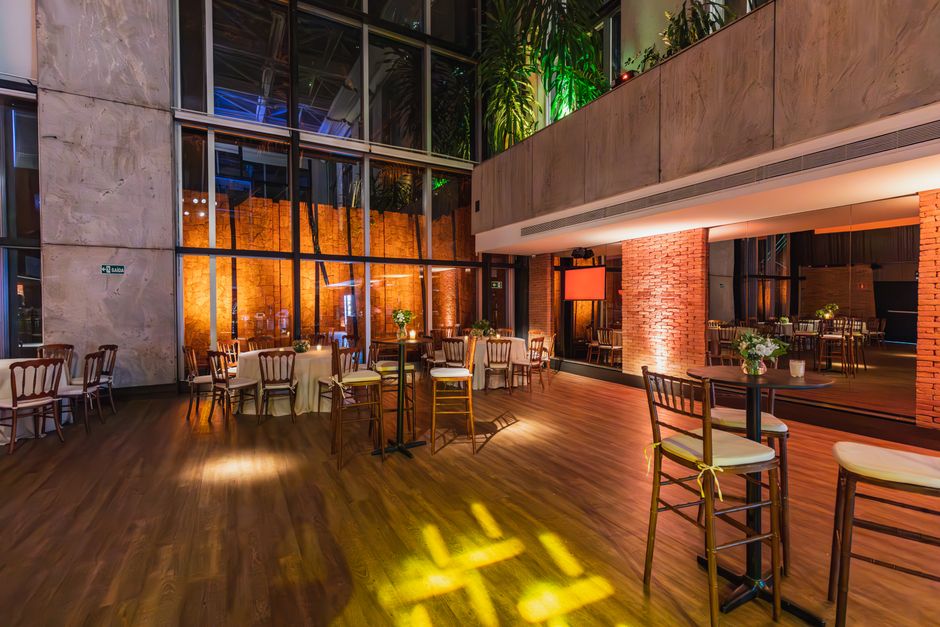
The corporate planner in Edinburgh has already ruled out two hotels by 8:15 a.m. She typed “conference venue Edinburgh city centre 120 delegates AV inclusive” on her phone between the station and the office, skimmed three map results, opened the ones with recent photos of the room set for cabaret, and left two enquiry forms before her first meeting. That is a good morning for whoever showed up with clear capacity, pricing cues, and a form that did not ask for a life story. It is a quiet loss for the warehouse loft three streets over that still ranks for “event space” and nothing more specific.
UK venues and events businesses live on those windows. Weddings, Christmas parties, product launches, away days, and private dinners all compress into short decision cycles once a date is half locked. Organic search is still where a large share of that intent starts, especially outside pure brand searches for the big hotel groups. If your local SEO for venues and events companies UK is treated as a brochure refresh twice a year, you are not in the shortlist. You are background noise on page two while someone else takes the site visit.
This playbook is the operator version: what to build, what to check on a steady cadence, and how booked holds, not traffic charts, tell you the system is working.
Where UK venue demand actually shows up in search
Buyers do not search like marketers write homepage copy. They search like people with a date, a headcount, and a constraint. “Wedding barn near Bristol with accommodation” is a different job from “Christmas party venue Manchester 80 people”. “Film location warehouse London” is not the same cluster as “team building venue Leeds outdoor”. Each cluster carries its own proof needs: capacity plans, licensing hints, parking, late licence, in-house catering, accessibility, and how quickly someone answers.
Map pack and local pack visibility still matter because many enquiries start with “near me” behaviour even when the event is months out. A planner comparing spaces in Birmingham or Glasgow will open the map, check reviews that mention acoustics or load-in, then jump to the site pages that match the format they need. If your Google Business Profile lists a vague category, stale hours, or photos from a refurb three winters ago, you lose before the landing page loads.
High-intent organic queries that tend to produce booked work look boring on a keyword tool and expensive on Google Ads: specific capacity bands, occasion plus city, room layout language, and “hire” or “private hire” modifiers. Paid can fill gaps when organic is thin, but the unit economics only work if the landing experience matches the query. Organic compounds when you own those intent clusters with dedicated pages, clean NAP consistency across directories, and content that answers the real shortlist questions rather than generic “our story” prose.
Entity clarity helps too. Google needs to understand you as a venue in a place with a defined service area, not a lifestyle brand that happens to have a room. Consistent name, address, phone, category choices, service attributes, and on-site schema for LocalBusiness or EventVenue-style markup reduce ambiguity. When two loft spaces in the same postcode both bid for “events venue”, the one with clearer entity signals, fresher reviews, and tighter page-to-query match usually wins the click that becomes a tour.
Why calendars stay patchy even when traffic looks fine
Plenty of UK venues can show a rising sessions graph and still have soft Fridays in February. The failure mode is rarely “we need more blog posts about party themes”. It is a mismatch between what ranked and what converts into a hold.
One common break: ranking for broad head terms while the money sits in long-tail local intent. You attract browsers researching “unique wedding venues UK” and miss the couple who already knows they want a riverside space in Bristol with on-site lodges. Another break: thin location or space pages that list square metres and a contact form, but skip layout options, indicative packages in GBP (ex VAT or inc VAT stated clearly), noise rules, curfew, and load-in access. Planners bounce, then enquire with the competitor who answered those points above the fold.
Response speed kills more pipeline than most teams admit. An organic enquiry at 21:40 on a Thursday often goes to whoever replies first with availability and a clear next step. If your form dumps into a shared inbox that sales checks after morning briefings, you are training Google and the market that your brand is slow. Tracking gaps hide the pattern. If you cannot separate organic map clicks, branded organic, and non-brand organic by space type, you will keep funding content that flatters the dashboard and starves the rooms that need fills.
Post-click proof is the other leak. Traffic lands, scrolls past stock hero video, hits a form asking for budget before they have seen a capacity chart, and leaves. Behaviour tools matter here. Session recordings and heatmaps show whether people ever reach the floorplans, whether the “check availability” button sits below three screens of mood imagery, and where mobile users abandon. Pair that with Core Web Vitals reality: heavy gallery pages routinely fail LCP on mobile-check yours with Search Console’s Core Web Vitals report before scaling content spend.
If you want a sharper read on whether search demand is failing before or after the click, a focused SEO review of intent clusters against enquiry quality beats another generic site audit PDF.
Get a free marketing audit - we review your search, ads, and landing pages and send back what to fix first.
Get a free audit
Build the organic system: profiles, pages, proof, and cadence
Start with the inventory of money pages, not a content calendar fantasy. List every bookable space and primary use case you actually want more of: wedding ceremonies, seated dinners, standing receptions, conferences, product launches, film and photo hire, Christmas parties. Map each to a primary landing URL with one job: turn the right local intent into an enquiry or call. Supporting pages cover suburbs or catchment language only when you truly serve them and can prove it with logistics, not stuffed city names.
Google Business Profile is part of the ranking and conversion surface, not a side project. Keep categories honest, services explicit, products or menu-style packages updated when seasonality shifts, and photos that show real setups with people density that matches capacity claims. Use GBP Products to list named packages with starting prices so map users see “£45pp day delegate rate” or “from £3,500 weekend hire” before they click through, and seed the Q&A feature with the questions planners actually ask-late licence, load-in windows, corkage, accessibility-then answer them in your own voice. Review velocity and reply quality are operational work. A polite, specific reply to a note about cloakroom queues or parking does more for shortlist trust than another brand film. Encourage reviews after successful events with a simple process ops can run, without scripting fake praise.
On-site, write for the shortlist questions. Lead with capacity ranges, layouts, and what is included versus charged. State indicative hire fees or package bands in GBP where commercial policy allows, and be clear on VAT. Show recent event photography labelled by setup, not only golden-hour exteriors. Put the primary CTA early and repeat it near floorplans. Use internal links from cluster articles (for example, Christmas party guides for Manchester or Leeds) into the exact hire pages, not the homepage. Technical basics still count: indexable pages, logical heading structure, compressed media, and stable contact details that match your profile.
Content cadence is how you stay visible when AI summaries and zero-click results steal casual research traffic. You do not need a newsroom. You need a steady stream of niche, region-aware pages that add information gain: real constraints, seasonal booking windows, layout guides, and operator-level detail competitors skip. HeyLead’s Auto Blogger fits when the bottleneck is shipping that volume under human strategy without hiring a full writing desk for every micro-topic. The point is sustainable publishing tied to intent clusters, not more generic “top ten wedding trends” filler that never reaches a hold.
Measurement should answer one commercial question weekly: which queries and pages created qualified enquiries and site visits, and which only created sessions. Wire forms and click-to-call with clean source capture. Reconcile Search Console queries to CRM or enquiry logs by space type. Watch branded versus non-brand organic, map actions, and enquiry-to-viewing rates. Booked work is the north star: provisional holds, confirmed contracts, and revenue by space. Vanity rankings without those numbers are decoration.

Two UK scenarios where the system filled real dates
A multi-space venue group around Manchester had healthy traffic to a single “Events” hub and almost no organic enquiries for the smaller loft that sat empty midweek. The mechanism was simple: every query for workshops and off-sites landed on a page optimised for weddings, with hero imagery of long tables and no weekday package cues. The fix was a dedicated loft page aimed at “away day venue Manchester 30-50” style intent, a layout grid for theatre and boardroom, indicative day-hire bands ex VAT, and three case photos with headcount captions. They added FAQ schema for parking and AV, linked from a short guide on half-day hire, and trained the team to reply to organic forms within 30 minutes during working hours.
Within one planning cycle the loft’s organic enquiries stopped being accidental: non-brand organic enquiries for the loft URL roughly doubled over the following booking quarter, and site visits from non-brand organic for that URL rose enough that ops noticed the diary filling Tuesdays first. They did not need a viral blog. They needed query-to-page honesty and proof that matched how buyers shortlist. Soft lesson for anyone running similar assets: if two spaces sell different jobs, they need different URLs and different proof stacks.
In Bristol, a riverside wedding and private dining venue was winning map impressions but losing the click-to-enquiry step. Heatmaps later showed mobile users expanding the gallery, never reaching the capacity table, and abandoning a multi-field form that asked for approximate budget before date flexibility. The team cut the form to date window, headcount band, and contact channel; moved capacity and noise/curfew notes above the gallery; and used HeyLead Insights to review scroll depth and heatmap data on the revised template. They also cleaned GBP package language so “from” figures matched what sales would actually quote.
The change that moved the needle was not a new backlink campaign. It was removing friction between map intent and a credible next step. Mobile organic enquiry-to-viewing rate improved by about a third within one seasonal cycle, which sales felt as more complete forms, not just more spam. If your Venues and Events marketing mix already includes paid, the same page discipline protects CPC as much as it helps SEO.
Patterns we see repeatedly
Multi-space groups often rank for broad terms like “event space London” while midweek capacity stays soft. Splitting pages by capacity band and answering load-in and layout questions on the specific loft or room URL tends to align site visits from organic with what Search Console already showed was available demand.
Wedding and private-hire operators who treat review replies as ops work, not a marketing afterthought, notice a shift in planner calls: mentions of acoustics, late finish, and parking start arriving pre-qualified, and map enquiries feel less random once reply quality and velocity are owned on the floor.
FAQ: local SEO decisions for UK venues and events teams
How long before local SEO shows booked work, not just rankings?
Expect technical and page structure fixes to influence enquiry quality within weeks when you already have impressions. New intent pages and review velocity usually need a full seasonal cycle before you trust the pattern. Anyone promising packed Saturdays in fourteen days is selling hope, not a system.
Should every city we can travel to get its own landing page?
No. Build pages for catchments you can serve with credible logistics, parking notes, and real past events. Thin city pages without proof waste crawl attention and look manipulative. Depth in true markets beats a map of the UK stuffed with near-duplicate copy.
Do we still need content if AI Overviews answer the research phase?
Yes, but the bar is higher. Generic listicles get summarised and skipped. Operator detail, layout specifics, and local constraints create reasons to click and reasons to cite. Measure enquiries and branded lift, not only blue-link CTR on informational queries.
What is the minimum tracking stack for organic venue leads?
Search Console, analytics with space-level landing pages, form and call tracking with source preserved into your CRM or diary tool, and a weekly join between queries, pages, enquiries, and site visits. If sales cannot say which page started the hold, you cannot steer the programme.
Is Google Business Profile enough without a strong website?
Profile strength wins the first glance. The website closes complex hires: multi-day conferences, weddings with accommodation, or licensed late events. Weak pages turn map clicks into bounces and train the market to prefer competitors with clearer proof.
Free tools
DIY free tools for this playbook
Run these on the pages and campaigns this article covers, then fix what they flag before you scale spend or content volume.
Run these on this playbook
If the checklist shows a leak you cannot close in-house, request a free marketing audit.
Putting it to work
Pull the last 90 days of organic enquiries and tag each by landing page, space requested, and whether it became a site visit or hold. Rank the top five non-brand queries in Search Console against those outcomes, then rewrite or split the single worst mismatch page so capacity, GBP cues, and CTA match the query that already sends you traffic.
When the gap is the full local SEO loop for venues and events in the UK (intent pages, profile proof, publishing cadence, and post-click behaviour), HeyLead can run that organic growth system as an ongoing programme so your team stays on yield and guest experience. Start a conversation at [email protected].
Free marketing audit, or reach Martin directly:
Get a free audit Chat with us on WhatsApp · [email protected]