
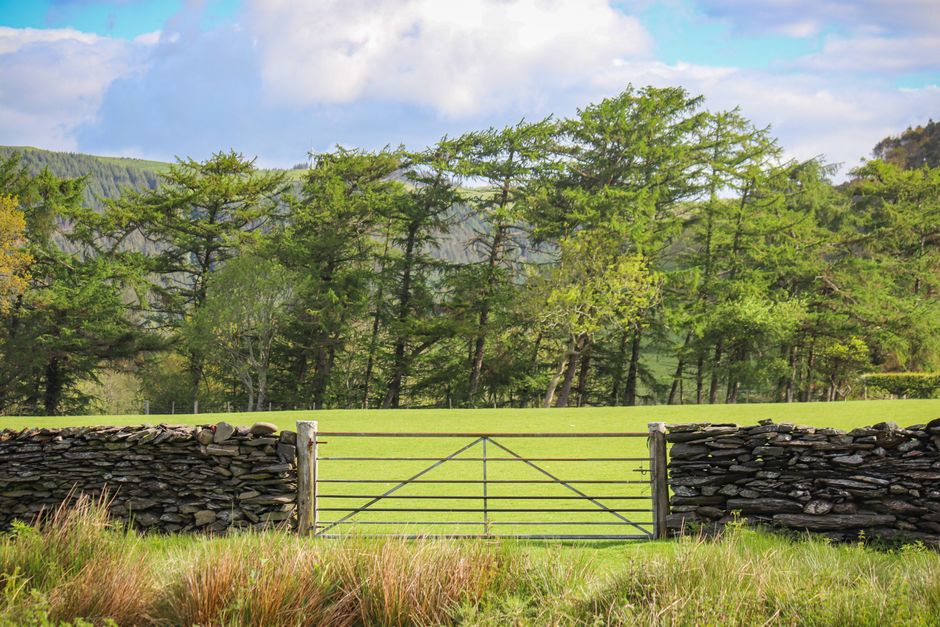
A fence panel goes down in a Thursday night gale, and by Friday morning somebody’s dog is three gardens away. A buyer’s surveyor flags a rotten gate post before completion and the sale’s at risk. A new-build garden sits as bare mud because the developer never fitted a boundary. None of those people wake up thinking about fencing contractors. They wake up with a problem, open Instagram or Facebook out of habit twenty minutes later, and scroll straight past your ad because it looks like every other “quality fencing, free quotes” post in their feed.
That’s the real cost here, and it’s rarely the one owners complain about first. They’ll tell you the enquiries aren’t converting, or that the lad answering the phone is too slow, or that the quote tool on the website is clunky. All true, sometimes. But underneath that, the ad itself usually never earned a second look. A homeowner with a dog loose in the garden and a panel flat on the lawn doesn’t need persuading that fencing exists. They need to believe, in about a second and a half of thumb-scroll, that you’re the firm who turns up, measures properly, and doesn’t vanish with the deposit. Throwing more budget at a campaign that’s failing that test just burns money faster.
Here’s the thing most fencing and gates businesses get backwards when they first try Meta: on Google, people type what they want and you match the words. On Meta, nobody’s typing anything. You’re interrupting a scroll, which means the creative itself is doing the targeting, not the audience settings underneath it. Get that the wrong way round and you’ll spend weeks fiddling with interests and radius settings while the actual problem sits in the first three seconds of the video nobody watched.
What you need sorted before you spend a penny on Meta
Skip this bit and you’ll build a campaign that looks fine in the dashboard and produces nothing but tyre-kickers. Fencing and gates work is seasonal, physical, and quote-heavy, so the groundwork matters more here than it does for a SaaS trial sign-up.
Start with the offer. “Fencing and gates” as one campaign is too broad to write a single good ad for. A homeowner wanting a 1.8m close-board panel replaced after storm damage has a completely different mindset to a developer wanting automated driveway gates on a new estate, or a farmer wanting stock fencing run across a field boundary. Pick your highest-margin, most repeatable job type and build the first campaign around that, with everything else coming later once you’ve got a working template.
You’ll also need your Meta Business Manager properly set up with both the pixel on your website and a Conversions API connection running alongside it. Think of the Conversions API as a second, server-to-server line between your website and Meta that keeps working even when a visitor’s browser blocks the pixel, which happens on a meaningful share of mobile traffic now. Without it, Meta is optimising against partial data and will quietly spend more to find the same quality of lead.
Last piece: decide your VAT position before you write a single ad. Most domestic fencing and gates work carries the standard 20% rate, and homeowners comparing three quotes get confused fast when one firm shows inc. VAT pricing and another shows ex. VAT. Put “prices shown include VAT” or ”+ VAT” clearly on whatever landing page the ad sends people to. It’s a small line, but it’s the difference between a quote request and someone bouncing because they think you’re £400 more expensive than the next firm.
The nine-step Meta Ads build for a fencing and gates business
This is the actual build, in order. Each step assumes you’ve got Business Manager access, a landing page you can edit, and someone who can be on the phone or WhatsApp within a reasonable window of a lead coming in, because the speed of that response matters almost as much as the ad itself.
How-to
- 1Shoot or source real before-and-after photos and a short phone-filmed clip of an actual install, ideally one that shows storm damage or a rotten post being replaced. Generic stock images of white picket fences read as "not local, not real" to a UK homeowner within half a second.
- 2Build one campaign per offer (fencing replacement, gate installation, commercial or agricultural work), not one blended campaign covering everything. Meta's delivery system optimises harder and learns faster when it isn't trying to serve three different buyers from one ad set.
- 3Set targeting broad by postcode radius around your yard or depot, 10 to 20 miles depending on how far you're willing to travel for a job, rather than stacking narrow interests like "homeowners" plus "home improvement." Let the creative and the broad delivery do the sorting; that's what it's built for now.
- 4Write the primary text around the trigger, not the product. "Panel down after last night's wind? We can usually get someone out this week" outperforms "Quality fencing installation, free quotes" because it matches the exact moment someone's scrolling in.
- 5Build a dedicated landing page per offer rather than sending clicks to your homepage. The page should load fast on a phone, show the VAT-inclusive price range or a clear "free, no-obligation quote" line, three or four real job photos, and one form field that doesn't ask for more than name, postcode, and phone number.
- 6Add a WhatsApp click-to-chat button on that landing page alongside the form. Plenty of homeowners would rather send a photo of the damaged fence than fill in a form, and a photo tells your estimator more than a form submission ever will.
- 7Set your budget to flex with the UK storm calendar. The Met Office runs its named storm season roughly from September through to the following August, but the real spike for fencing enquiries sits between late October and March, when gales and heavy rain do most of the damage. Front-load spend into that window rather than spreading it evenly across twelve months.
- 8Check frequency and CPM in Ads Manager weekly, not just lead count. A creeping CPM with flat lead numbers is usually the first sign an ad is going stale, days before the lead count itself drops off.
- 9Rotate in a new creative variant every five to seven days during your busy season. Short-form video ads built from real job footage tend to peak fast and fade fast now, often within less than a week, so a testing cadence that produces a steady stream of new angles beats one polished ad you set and forget.
DIY tools worth running before you launch
Run the UTM link builder before launch so every campaign, ad set, and creative variant is tagged properly in your reporting, because “which ad actually brought the booked job” is a question you’ll want answered in week two, not month six. The Open Graph preview checker shows you exactly how your landing page link will look when it’s shared or clicked through, catching the broken thumbnail or missing title that quietly kills click-through on mobile. And run the Core Web Vitals checker on whatever page the ad lands on. A page that drags on a 4G connection in a van park isn’t hypothetical for this trade; it’s where a fair share of your traffic actually sits.
If you want a second set of hands building out campaign structures and landing pages properly rather than piecing it together between quotes, that’s exactly the kind of setup work a Meta Ads programme should be doing for you from week one.
Get a free marketing audit. We review your search, ads, and landing pages and send back what to fix first.
Get a free audit

Where fencing and gates budgets quietly leak on Meta
Most of the waste isn’t dramatic. It’s small, compounding decisions that look harmless in isolation and add up to a campaign that spends steadily without ever quite paying for itself.
The biggest one is sending ad clicks to a general homepage instead of a page built for that specific offer. A homeowner who clicked “storm damage fence repair” lands on a page about decking, gates, commercial fencing, and a company history section, and has to hunt for the thing they actually clicked for. Most won’t bother. Across industries, average Meta Ads return sits somewhere around 2.8x in recent benchmarking, noticeably behind Google’s average closer to 4x, and a mismatched landing page is one of the most common reasons that gap widens further for a given account. Fix the handoff and the ratio moves without touching the ad spend at all.
Instant Forms are the second trap. They’re quick for the user, which is exactly why they generate volume, but fencing and gates jobs are high-consideration purchases that need a postcode and some sense of scope before anyone can quote properly. A form that only asks name and phone number fills your pipeline with people who were half-curious rather than people with a fence down. Test both routes if you want, but don’t assume more leads automatically means more booked site visits.
Third, and this is the one owners argue about most: “ad fatigue” is real, it just shows up earlier than people expect. You’ll see CPM creeping up for several days before lead volume actually drops, because Meta starts paying more to show the same tired creative to the same audience before it stops showing it altogether. Treat rising CPM with flat leads as your early warning, not the eventual drop in enquiries.
Fourth, and easy to miss: if your landing page form has several fields and no save-state, a chunk of people start filling it in on their phone, get distracted, and never come back. This is where it genuinely helps to watch, not guess, what’s happening on the page itself. Tools like HeyLead Insights show you session recordings and where people stall on a form, scroll past the photos without looking, or hover over the WhatsApp button and then close the tab, which tells you exactly what to fix rather than leaving you to redesign the page on a hunch.
What fencing and gates owners notice once the ads are working
“The first thing I actually watch now isn’t the lead count, it’s how many of them already know roughly what they want before they ring. When the ad and the page match properly, people turn up on the phone describing the exact panel height, not asking us to explain what we do.”
— Owner, independent fencing and gates business, South East England
FAQ
Do Meta Ads actually work for a trade like fencing and gates, or is this a search-only business? They work, but differently to Google. Search catches people who are already looking; Meta has to create that moment of recognition before anyone’s actively searching. Storm damage, dog escapes, and resale preparation are all real triggers that show up visually well, which is exactly what Meta’s format rewards.
What’s a sensible monthly budget to start testing with? There’s no single right figure, and anyone promising a specific return before seeing your area, your margins, and your current landing page is guessing. Start with enough to let one campaign run for two to three weeks without constant tinkering, which usually means a few hundred pounds a week rather than a token daily spend that never clears the learning phase.
Should we send ad clicks to a landing page or use Meta’s Instant Forms? For fencing and gates specifically, a dedicated landing page tends to produce fewer but better-qualified enquiries, because the person has seen your pricing structure and real photos before they commit to contacting you. Instant Forms can work for volume testing, but check how many of those leads actually turn into a booked site visit before you trust the number.
How fast should we expect results? Give a new campaign two to three weeks before judging it properly; Meta’s delivery system needs time and a decent run of conversions to learn who to show your ad to. Expect the real seasonal payoff to land once you’re inside the autumn and winter storm window, not necessarily in the first month you turn it on.
Do we need professional video, or will phone footage do? Phone footage of a genuine job, well lit and steady, usually outperforms a polished studio shoot for this trade, because it reads as proof rather than marketing. Save the professional production budget for your top one or two best-performing creative angles once you know which ones actually work.
Putting it to work
Start this week by pulling your last 20 or so Meta or Facebook enquiries, if you’ve run any ads before, and checking how many actually turned into a booked site visit rather than just a form fill or a message that went cold. That single number tells you whether the problem sits in the ad, the landing page, or the follow-up, and it takes about twenty minutes against your job sheet or CRM to work out.
If what you need is someone who treats the gap between a scroll-stopping ad and a booked site measure as the whole job, not just the media buy, that’s the piece HeyLead runs end to end, from the creative and landing pages through to the tracking that tells you which ad actually put a van on a job. Chat with us on WhatsApp.
Free marketing audit, or reach Martin directly:
Get a free audit Connect on WhatsApp · [email protected]