
Nobody wakes up excited about an air source heat pump. They wake up to a cold shower, a cylinder that’s stopped heating, or a letter from their mortgage lender about the EPC rating, and they start typing from there. One of those searches needs an engineer in the next two hours. The other needs an installer the homeowner trusts enough to spend £10,000 to £15,000 with, minus whatever the Boiler Upgrade Scheme grant knocks off.
Most heat pump and hot water companies in the UK build one website, one Google Business Profile, and one set of service pages to catch both. The emergency job goes to whoever answers the phone fastest and shows up on the map pack. The considered purchase goes to whoever proves they’re MCS certified, explains the grant properly, and doesn’t make the homeowner chase them for a second quote. Trying to win both with the same generic “local SEO” page usually means losing the one that pays better.
That’s the bit a tactics list never fixes. You can add blog posts, build backlinks, and still lose both kinds of enquiry if your profile, your pages, and your phone handling aren’t built to catch each one on its own terms. So rather than another list of SEO tips, run this as an audit. Score where you actually stand, then fix in the order that stops the bleeding first.
Two different customers are typing into the same search box
An emergency hot water search looks like “no hot water Croydon” or “boiler repair same day Bristol.” The person typing it has already decided they need someone today. They’ll click the first result that looks local, open now, and answers the phone. They are not reading your case studies. They are checking your reviews are recent and your number works.
A heat pump search looks completely different. It’s “air source heat pump grant installer near me” or “MCS certified heat pump company [county],” often typed on a laptop in the evening after dinner, sometimes weeks before any decision gets made. This buyer is comparing three or four companies, checking whether you’re on the MCS installer database (because without that, the £7,500 Boiler Upgrade Scheme grant isn’t available to them at all), and working out whether the quote they get will actually reflect the 0% VAT rate that’s applied to qualifying heat pump installations in Great Britain through to March 2027. Get that VAT point wrong on a quote page and you’ve either scared off a budget-conscious homeowner with an inflated number, or set an expectation you can’t honour.
Treat both of these as one undifferentiated “heating services” page and you serve neither well. The emergency searcher lands on a page full of grant explainer copy and bounces because it doesn’t say “we’re open now.” The considered buyer lands on a page built for urgency, with no mention of MCS status or grant eligibility, and quietly closes the tab to check a competitor who spelled it out. Most owners assume this is a volume problem, that they just need more enquiries. It’s usually a matching problem: the right enquiry hitting the wrong page.
The audit: score your profile, pages, and response time against both buyer types
Go through these one at a time. Be honest about what’s actually live right now, not what you meant to set up last spring.
Audit scorecard
-
1Google Business Profile category matches the job, not the trade
Most profiles sit under a single broad category like "Plumber" or "HVAC contractor." Check whether you've added secondary categories such as "Heating contractor" and whether Google even shows you for "emergency boiler repair" searches in your own town. If a search for your own postcode doesn't surface you in the map pack, that's a fail, not a quirk of the algorithm.
-
2Service area pages exist for every town you actually cover
One homepage with a list of towns in the footer doesn't rank the way a proper page per town does. Check whether Reading, Wokingham, and Bracknell each have their own page with real local detail (which postcodes, typical response time, a photo of a recent job in that area), or whether it's the same paragraph with the town name swapped in.
-
3Emergency hot water and heat pump installs sit on separate pages
Click through from your main navigation. Does "no hot water" search intent land somewhere different to "heat pump installation"? If there's one combined "our services" page trying to do both jobs, that's the single biggest leak in this whole audit, and it's the one to fix first.
-
4MCS certification and BUS grant eligibility are stated above the fold
A homeowner weighing up a heat pump install needs to see "MCS certified" and an explanation of how the Boiler Upgrade Scheme grant applies before they scroll past the first screen. If that information is buried in a PDF brochure or a FAQ three pages deep, you're losing buyers to a competitor who led with it.
-
5VAT treatment is explained clearly on the quote or pricing page
Qualifying heat pump installs currently carry 0% VAT in Great Britain, a genuinely unusual position compared with most home improvement work. If your pricing page doesn't mention it, homeowners comparing quotes assume you've either forgotten it or built it into a higher headline price. Either way, you look less switched-on than the installer who spells it out.
-
6Reviews are recent, not just plentiful
Fifty reviews from three years ago read as dormant. Check your Google reviews and your Checkatrade or TrustATrader profile for anything in the last 60 days. An emergency searcher checks the date before they check the star rating.
-
7Photos show real jobs, not stock imagery
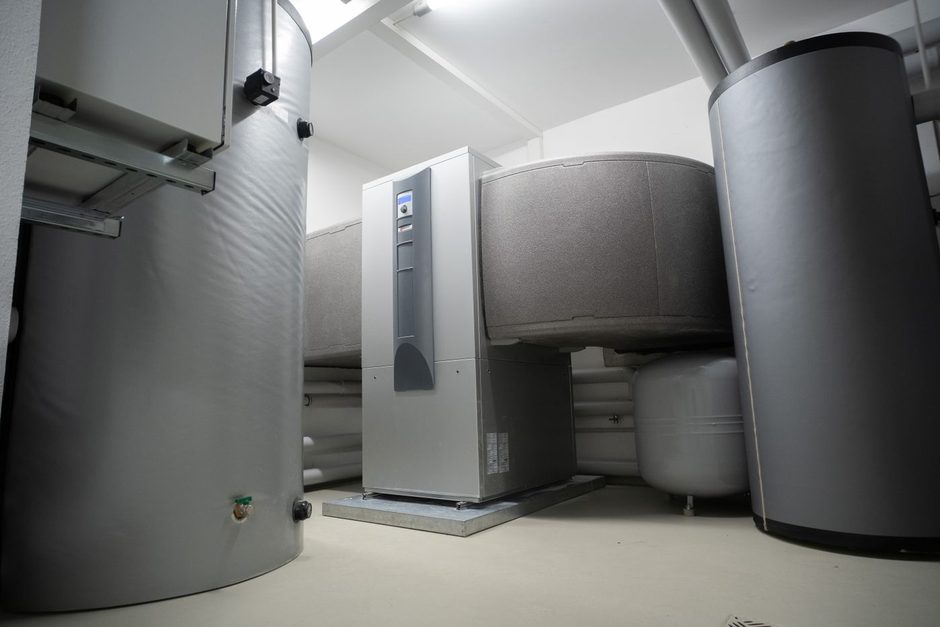
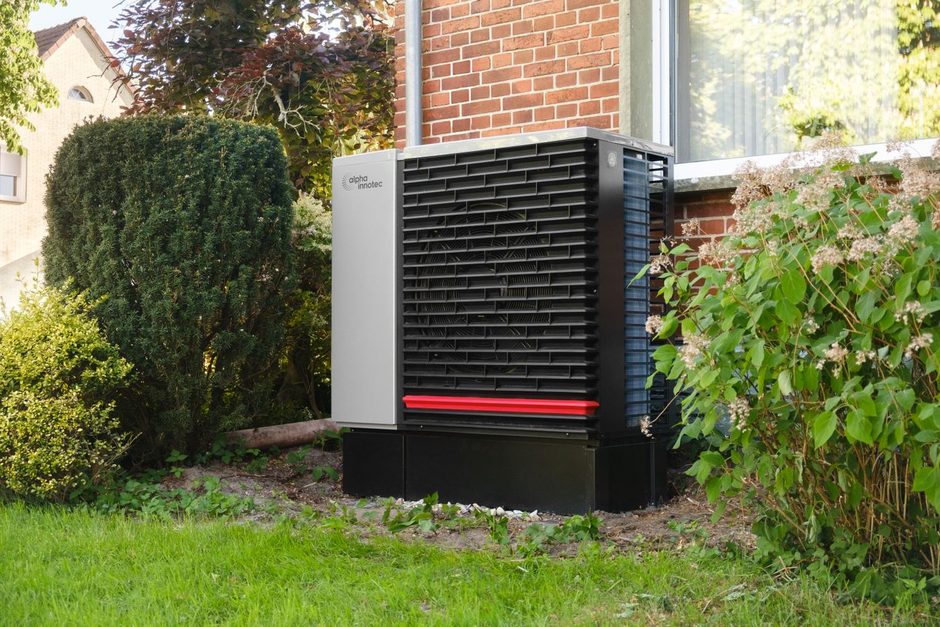
A plant room photo, a van outside a terrace with a visible local street sign, an engineer mid-install: these build trust fast, particularly for heat pump buyers who are nervous about outdoor unit placement and noise. Stock photography of a generic white heat pump against a blue sky does the opposite.
-
8Out-of-hours response is actually set up, not assumed
Check what happens if someone calls at 7pm on a Sunday with no hot water. Does it ring out, go to a generic voicemail, or route somewhere that gets answered? This is the single biggest driver of whether an emergency enquiry becomes a booked job or a call to the next listing down.
-
9Mobile pages load fast enough for a panicked searcher on patchy signal
Pull your key pages through a Core Web Vitals check. Across the web, only around 55.9% of sites pass all three Core Web Vitals on real user data, which means nearly half of competing sites are slow enough to lose someone searching from a cold hallway with one bar of signal. If your emergency page is in that slower half, you're losing jobs before anyone reads a word of copy.
-
10Schema markup is present on service and FAQ pages
LocalBusiness schema and FAQPage schema help Google understand exactly what you do and where, and they're increasingly what AI Overviews pull from when summarising local search results. Check whether your developer actually implemented it or just said they would.
-
11Your business name, address, and phone number match everywhere
Check Google Business Profile, Checkatrade, TrustATrader, Rated People, and your own website footer side by side. A different phone number on one directory, or a slightly different trading name, quietly undermines the trust signals Google uses to rank local businesses.
-
12You can see which page and which postcode actually produced a booked job
Call tracking numbers or UTM-tagged links on each service area page tell you whether the Bracknell heat pump page is earning its keep or whether every enquiry still comes through the homepage. Without this, you're optimising pages by guesswork.
If you want a shortcut on item one and two before you go any further, a free local SEO checklist will flag the basics in minutes rather than hours.
Get a free marketing audit. We review your search, ads, and landing pages and send back what to fix first.
Get a free audit
How to score it, and the order to fix things in
For each item above, mark it Pass, Weak, or Fail. Pass means it’s live, accurate, and you checked it yourself this week rather than trusting what a previous web developer told you three years ago. Weak means it exists but is out of date, inconsistent, or half-built. Fail means it simply isn’t there.
Don’t fix these in the order they appear on the list. Fix in this order instead: tracking before scale, intent split before content volume, and response time before anything cosmetic. There’s no point spending a month writing beautiful heat pump content if you can’t tell which pages produce bookings, and there’s no point adding more service area pages if the core split between emergency and considered-purchase traffic still doesn’t exist. A fast, well-tracked page that answers the right question beats five slow, untracked pages that answer none of them properly.
30-day repair order
- 1Set up call tracking or UTM-tagged links on every existing page so you know, from day one, which pages are already pulling their weight.
- 2Split your main services page into two: one built for "no hot water" and emergency callouts, one built for heat pump installs, grants, and MCS certification.
- 3Rewrite the heat pump page so MCS status, Boiler Upgrade Scheme eligibility, and the 0% VAT treatment are stated in the first two screens, not buried in a downloadable brochure.
- 4Fix out-of-hours call handling, whether that's a proper answering service, a routed mobile, or a clear "text us and we'll call back within 20 minutes" line on the emergency page.
- 5Audit and correct your NAP details across Google Business Profile, Checkatrade, TrustATrader, and Rated People in one sitting.
- 6Request reviews from the last 10 to 15 completed jobs so your profile shows activity in the last month, not the last year.
- 7Run both core pages through a speed check and fix whatever is dragging mobile load time past a few seconds, usually oversized images or an unoptimised booking widget.
- 8Build out two or three more service area pages for the towns producing the most enquiries, using the tracking data from step one to pick them.
DIY tools for this section
A lot of heat pump and hot water companies do steps one and two themselves over a weekend and then stall at step three, because writing grant and VAT copy that’s both accurate and persuasive takes longer than expected, and getting the technical schema right needs someone who’s done it before. If you’d rather hand the whole repair order to a team that does this across heating and renewables companies every month, our SEO services page covers how we run it end to end.
What heat pump and hot water company owners say about their listings
“We used to think the grant explainer page was doing its job because people landed on it. Turned out they landed on it looking for an emergency callout and left within ten seconds because there was no mention of same-day availability anywhere near the top.”
- Owner, two-engineer heating and renewables firm
“The thing that actually changed our bookings wasn’t new content. It was realising half our Google reviews were from before we even offered heat pump installs, so anyone checking us out for that work had no proof we knew what we were doing.”
- Operations manager, hot water and heating services company
FAQs
Do we really need separate pages for emergency hot water and heat pump installs, or will one strong page do both? One page rarely does both well because the searcher’s mindset is completely different. Someone with no hot water wants proof you’re available now. Someone researching a heat pump wants proof of certification, grant eligibility, and a realistic price range. Split pages consistently outperform combined ones on both conversion and ranking for the specific terms each buyer uses.
Does responding to a Google Business Profile message count as “response time” for this audit? Yes, and it matters more than most owners assume. Google tracks your average response time to profile messages and shows it to searchers. A slow or ignored message thread quietly damages your visibility, not just the individual enquiry.
How long before local SEO changes actually show up in enquiries? Expect a few weeks before you see any movement and three to six months before it’s a reliable pattern rather than a lucky spike. Anyone promising faster, guaranteed results before they’ve even seen your current setup is overselling it.
Should we be running paid ads alongside this, or does one replace the other? They solve different problems. Paid search can fill a gap while your organic visibility builds, particularly for the emergency side where urgency rewards being at the very top of the page. But it’s expensive to run indefinitely for a trade with these margins, so most companies treat it as a bridge, not a replacement for the profile and page work above.
Does the Boiler Upgrade Scheme grant amount affect how we should describe pricing on our site? It affects how clearly you need to describe it. Homeowners comparing quotes want to see the pre-grant price, the grant amount, and the amount they’ll actually pay, laid out plainly. Vague language like “grants may apply” reads as evasive next to a competitor who shows the maths.
Putting it to work
Start this week by pulling up your own services page on your phone and timing how long it takes to find out whether you’re MCS certified and whether you cover emergency callouts. Give yourself no more than thirty seconds, the same patience a real searcher has. If you can’t find both answers in that time, that’s your page one fix, before anything else on this list.
If untangling emergency hot water traffic from heat pump install traffic sounds like more ongoing work than your team has hours for, that’s exactly the kind of recurring, technical local SEO work HeyLead runs for heating and renewables companies: separate intent, cleaner tracking, and pages that keep earning their place once they’re built. Chat with us on WhatsApp.
Free marketing audit, or reach Martin directly:
Get a free audit Connect on WhatsApp · [email protected]