

The battery dies at Membury services on the M4, the kids are crying in the back seat, and the number the driver rings isn’t the recovery firm with the best reviews. It’s whichever number Google puts in front of them in the next four seconds, or the sticker on the side of a van that just drove past. Nobody breaks down and starts comparing quotes. They tap the first thing that looks like it can get them off the hard shoulder, and your phone either rings or it doesn’t.
Here’s the bit that costs operators money without them ever noticing: half of what lands on that phone is work you already own. A job dispatched through the AA, RAC, Green Flag or an insurer’s panel pays a fixed rate, minus their cut, and it was never going to respond to a Google Ads campaign anyway. The other half is the call that’s worth chasing, the one where someone found you direct, at full rate, with no commission sliced off the top. Most towing firms in the UK can’t tell you which calls were which last month. They can tell you the phone rang eighty-odd times. They can’t tell you how many of those were panel work that would have come in regardless, and how many were genuinely earned by the GBP listing, the website, or the signwriting on the recovery truck.
That gap is the whole problem with lead tracking in this trade, and it’s also the fix. Once you split the ringing phone into “jobs we already had” and “jobs marketing actually brought in,” you stop judging your Google Ads account or your GBP profile by total call volume, which is a number that was always going to look busy during ice season whether you spent a penny or not. You start judging it by the only number that pays your margin: direct, full-rate jobs per month, and what each one actually cost to generate.
The number that answers isn’t always the number that pays full rate
Most recovery firms in the UK run on one mobile number or one landline across everything. It’s on the van, on the Google Business Profile, on the website, maybe on a Facebook page nobody’s touched since 2022. Every call lands in the same place, gets answered the same way, and gets logged the same way: as a job, full stop. There’s no way to separate the caller who found you on a wet Tuesday search for “recovery truck near me” from the caller who’s ringing because the AA control centre just texted them your details as the subcontracted provider for that postcode.
That matters more in the UK than it would in a market without a dispatch panel system this developed. A huge share of recovery work in this country runs through membership organisations and insurer panels, not through a customer searching and choosing. If you can’t separate panel dispatch from self-generated enquiry, every marketing report you get handed is contaminated. An agency can show you call volume climbing nicely through December and January, when the real driver is black ice and flat batteries, not better ad copy. The weather did the work. Your tracking just took the credit.
Seasonality compounds the confusion. Winter brings the obvious spike: frozen locks, dead batteries, black ice on A-roads that catches drivers out on the first proper cold snap. But the quieter surge is the one tied to the UK’s twice-yearly number plate change, in March and September, when a wave of cars hit their third MOT and a chunk of them fail or scrape through on a repair that doesn’t hold. Breakdown calls follow a few weeks behind. If your only measurement is “calls this month versus last month,” you’ll read every one of these patterns as a marketing win or a marketing failure, when it’s neither. You need to know the source of the call before you can say anything sensible about why it happened.
There’s a second leak sitting underneath all this: the price-shop call that never turns into a job because nobody tracks what the caller actually heard. A driver rings three firms off a Google search, asks “how much to tow it to the garage,” and picks whichever quote sounded clearest and cheapest. If your team quotes a figure without mentioning VAT and the written invoice lands twenty per cent higher, that caller doesn’t come back next time, and you’ll never know it was the quote that lost the job rather than the price.
Setting up a phone system that actually tells you which calls are worth chasing
None of this needs an enterprise CRM or a six-figure tech stack. It needs a handful of tracking numbers, a consistent way of tagging calls, and the discipline to actually use both. Here’s the build, in the order we’d set it up for a UK recovery operator.
DIY playbook
- 1Put a separate tracking number on your Google Business Profile, a different one on your website, and a third on any printed or signwritten material (vans, invoices, local directory listings). These are cheap to run and most call tracking tools swap the number dynamically so the visitor never notices.
- 2Keep your panel/dispatch number completely separate from your marketing numbers. If the AA, RAC, Green Flag or an insurer dispatches jobs to a fixed line or a portal, don't let that traffic mix with calls you're paying to generate. This single step fixes most of the reporting confusion in this trade.
- 3Turn on call recording with a short disclosure message ("this call may be recorded for training purposes"), and keep recordings for at least 30 days so you can spot-check how quotes are being given, particularly whether VAT is mentioned up front.
- 4Build a simple tag set your dispatcher or answering team applies to every call: booked direct, booked via panel, price-shop/no booking, wrong number or spam, no answer. Four or five tags, nothing more elaborate, or nobody will keep it up.
- 5Route any call that goes unanswered after hours into a callback queue with a target response time, even if that's just a text message confirming someone will ring back within 15 minutes. A stranded driver at 2am who hears nothing will dial the next firm on the search results.
- 6Feed the "booked direct" calls back into Google Ads as offline conversions, with job value attached where you can. Smart Bidding is only as good as the signal you give it, and right now most towing accounts are training the algorithm on raw clicks, not on which clicks turned into a paid job.
- 7Set up a WhatsApp number for enquiries alongside the phone lines. A surprising amount of recovery traffic now starts as a text with a pin drop and a photo of the vehicle rather than a call, and it needs the same tagging discipline, not a separate untracked channel.
- 8Once a month, pull a simple report: calls by source, booked-direct rate by source, and cost per booked-direct job where there's ad spend behind the number. That's the whole scorecard. Resist the urge to add more metrics than that.
The landing page the caller sees before they ever pick up the phone matters just as much as the number they call. If someone searches “recovery truck near me” at 11pm, lands on a slow page, and can’t find a phone number above the fold without scrolling, they bounce back to Google and call whoever’s next. Watching how real visitors behave on that page (where they tap, where they scroll past the number, where they give up) is exactly what HeyLead Insights is built for, and it tends to surface fixes that are embarrassingly simple once you see the recording: the phone number isn’t clickable on mobile, or it’s buried under a contact form nobody fills in during a roadside panic.
Free tools to check this yourself before you touch the ad account
If you’re running Google Ads or SEO work and the agency can’t tell you, by channel, how many bookings were direct versus panel, that’s worth raising before you spend another month on faith. A proper analytics and attribution setup should answer that question without you having to ask twice.
Get a free marketing audit. We review your search, ads, and landing pages and send back what to fix first.
Get a free audit
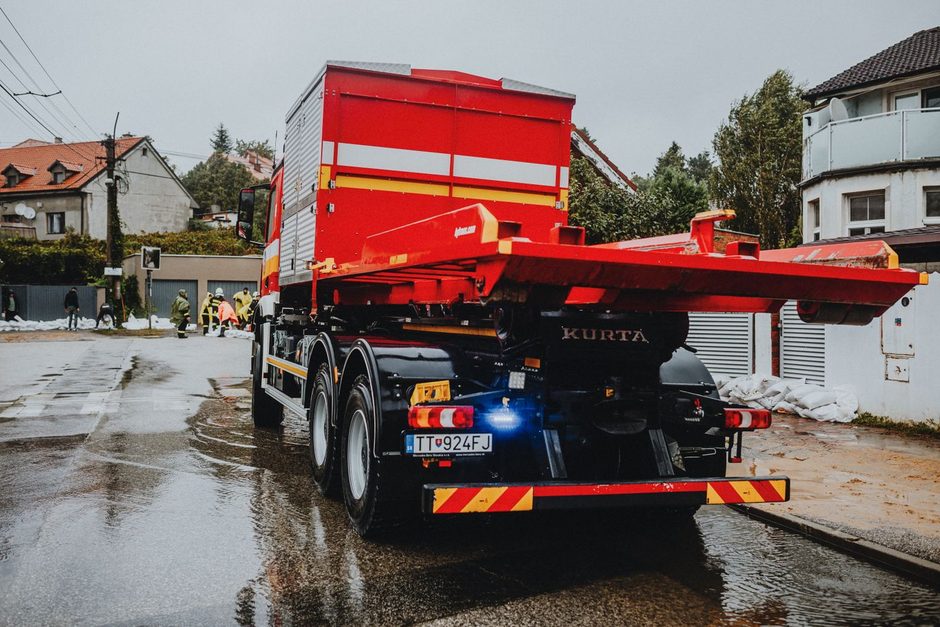
A single-truck recovery firm outside Sheffield, illustrative
Picture a one-truck operator covering a patch of the M1 corridor, running their van, their Google Business Profile, their website, and a Facebook page off the same mobile number for years. Every call looked identical in the phone log: a ring, a job, a job done. When they finally split the number into a GBP line, a website line, and left the panel contracts on the original number, the picture changed fast. A large share of what they’d been counting as “the phone’s busy, marketing must be working” turned out to be AA and insurer dispatch jobs that would have landed regardless of whether the website existed.
What was left, once the panel traffic was stripped out, was a much smaller but more useful number: direct calls off the Google Business Profile, concentrated heavily around the first cold snap of the year and again in the weeks after the September plate change. Those calls paid full rate, no commission taken off the top, and they were the only ones actually responding to anything the owner controlled: the GBP photos, the opening hours kept accurate, the reviews coming in steadily rather than in clumps. The lesson wasn’t “spend more on ads.” It was “stop judging marketing by a phone log that’s three-quarters dispatch work you were always going to get.”
The second thing that surfaced, once calls were recorded and tagged, was the price-shop leak. A handful of callers each month were getting a verbal quote that didn’t mention VAT, then balking at the invoice and not booking, or booking and leaving a sour review about being “quoted one price and charged another.” That’s not a marketing problem at all. It’s a script problem that marketing tracking happened to expose, and it would never have shown up in a report that only counted calls answered.
What recovery owners notice once they split the call log
“I thought business was down because the site needed work. Turned out the site was fine, I just couldn’t see that half my calls every winter were panel jobs that had nothing to do with the website at all.”
Owner, single-truck recovery firm
“Once we tagged the calls, the quote script became the obvious fix, not the ad spend. We were losing bookings on the phone, not online.”
Office manager, two-site vehicle recovery company

FAQs
Do we need to track calls that come through the AA, RAC or an insurer’s dispatch panel? Not for marketing purposes, no. Keep that number or portal entirely separate from anything you’re paying to generate traffic to. The point of lead tracking is to isolate the calls your marketing is actually responsible for, and panel dispatch isn’t one of them.
Is it legal to record customer calls in the UK? Most call tracking platforms handle this correctly by default: a short recorded disclosure before the call connects, and a defined retention period. Check that whatever system you use gives you that out of the box, and don’t improvise your own recording setup without it.
How long before the “cost per booked job” number is reliable? Give it a full season cycle if you can, ideally spanning a cold snap and one of the MOT surge months, so you’re not drawing conclusions from a quiet fortnight. Most operators have a usable read within 8 to 12 weeks.
Can WhatsApp enquiries be tracked the same way as phone calls? Yes, and they should be. Give the WhatsApp number its own source tag and run it through the same booked/price-shop/no-answer categories as your phone lines, rather than treating it as a casual side channel.
Does this replace the job management or invoicing software we already use? No. It sits in front of it. Lead tracking tells you which channel earned the call; your existing job software still runs the dispatch, the invoice, and the VAT line.
Putting it to work
Start this week by pulling your call log for the last four to six weeks and going through it manually, call by call, marking which ones you already know were panel dispatch and which were someone finding you direct. It takes an afternoon, not a project plan, and it’ll tell you immediately whether your current “enquiries up” story is actually a marketing story or a weather and MOT-cycle story wearing a marketing costume.
If that exercise shows you can’t answer the question cleanly, that’s the gap worth closing first. HeyLead sets up and maintains the call tracking, number routing, recording, and offline conversion import that ties every phone call back to its real source and its real job value, so the next report you get shows booked-direct jobs per channel, not just a phone that rang a lot during ice season. Chat with us on WhatsApp.
Free marketing audit, or reach Martin directly:
Get a free audit Connect on WhatsApp · [email protected]