
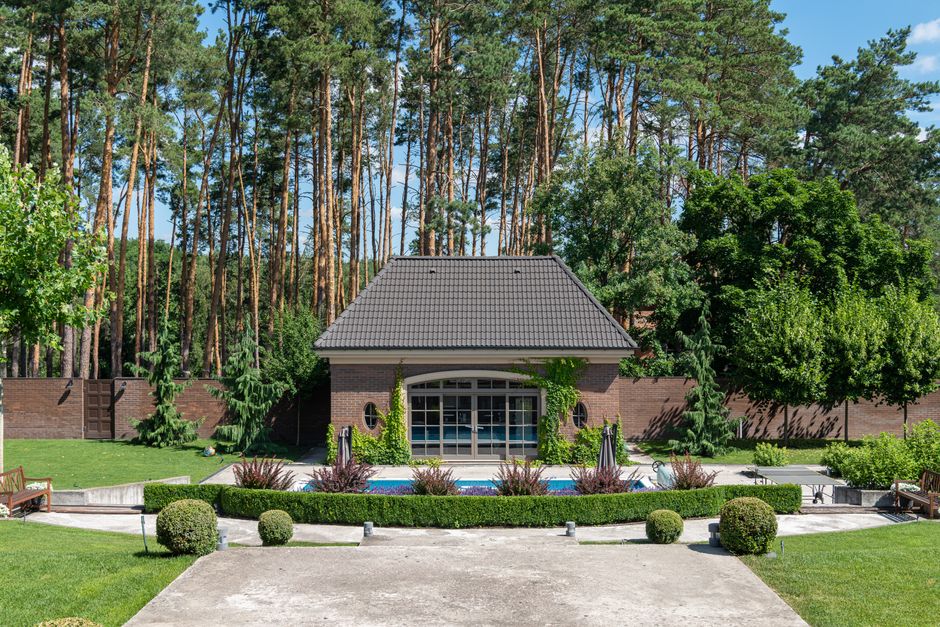
Picture a Saturday morning in a Birmingham garden: the old timber shed is listing, the patio slabs are cracked where the frost got under them, and the carport is more rust than cover. Nobody is browsing for “inspiration.” They are typing things like “garden room installers near me,” “patio base and laying Solihull,” or “carport prices with planning.” Those phrases are the real pipeline for UK sheds, patios and carports firms. When local SEO is set up properly, those searches become site visits, quote requests, and booked surveys. When it is not, the same demand lands with whoever ranks in the map pack and owns a handful of boring, specific service pages.
This piece is about how outdoor structure companies in the UK turned organic search into diary work: the intent clusters that actually convert, the local and entity signals Google expects, the proof that sits on the page before someone rings, and a publishing rhythm that does not need a full-time content team. If you run marketing or own the firm, the goal is simple: fewer tyre-kickers, more measured visits that lead to installs billed in GBP, VAT sorted, and a clear paper trail from query to job.
What UK outdoor structure buyers type when they are ready to book
Demand in this niche is seasonal and weather-led, but the language is practical. People search after a storm, after a house move, after an estate agent says a tidy garden will help a sale, or after the council replies on permitted development. They rarely start with your brand. They start with the job: “log cabin base and erection,” “lean-to carport for two cars,” “porcelain patio installers Manchester,” “shed removal and replace with garden room.” Local modifiers matter more than clever brand slogans. A page that ranks for “carports Leeds” without showing photos of Leeds jobs, radius of cover, lead times, and how you handle planning will still lose the click-to-call race.
High-intent clusters tend to fall into four buckets. Product plus place (sheds, garden rooms, carports, canopies, patios, decking bases by town or county). Problem plus fix (“rotting shed floor replacement,” “uneven patio re-lay,” “carport on sloping drive”). Spec plus constraint (“permitted development garden room size,” “carport without planning permission,” “non-combustible shed near boundary”). Commercial comparison (“garden room vs conservatory cost,” “timber vs metal carport”). The first two book surveys. The third and fourth educate, then route into the first two if your internal links and CTAs are clear.
Organic still wins a lot of this because the buyer is comparing two or three local firms, not scrolling a national marketplace. They want proof you install in their postcode, how long a typical patio pour and lay takes, whether you supply and fit or fit-only, and whether you will deal with waste removal. Reviews that name the town and the structure type beat generic five-star fluff. Google Business Profile categories, services, photos of real bases and frames, and posts that match seasonal demand all feed the same decision. Paid search can fill gaps in peak season, but the firms that stay full through quieter months usually own the organic map pack and the service pages for their core SKUs.
Zero-click behaviour is real. AI Overviews and map answers answer simple “do I need planning” questions without a visit. That is why information gain on your site matters: show your process for base preparation, drainage, ground screws versus concrete, and what happens on survey day. Pages that only restate brochure copy get skimmed and abandoned. Pages that answer the next three questions the surveyor would ask tend to hold attention long enough for a form or a call.
Where local SEO stalls for sheds, patios and carports firms
Most stalls are not mysterious algorithm drama. They are structural. One common pattern is a single thin “Outdoor structures” page that tries to rank for sheds, patios, carports, pergolas and garden rooms across half the country. Google and the buyer both treat that as vague. Another pattern is strong map visibility in one town and dead organic for every named product page. Enquiries arrive as “how much for a shed?” with no size, no access notes, no photos. Your team spends the afternoon qualifying instead of surveying.
NAP inconsistency still hurts trades more than people admit. The phone on the site differs from Google Business Profile, the old Limited company name sits on directories, and the van livery shows a trading name nobody has claimed. Citations for home services are not glamorous work, but mismatched entities dilute local relevance. The same goes for service-area businesses that hide the address entirely and then wonder why they lose to a showroom with a clear pin.
Landing pages often fail after the click. Hero images are stock gardens that look nothing like UK weather or plot sizes. Forms ask for twelve fields before the buyer has seen a single install photo. Mobile layout pushes proof below three screens of waffle. Core Web Vitals still matter here: only a bit over half of origins pass all three in recent CrUX data, and a heavy gallery of uncompressed site photos is a classic way to fail INP and LCP on the exact pages you need to convert. You can rank and still lose the booked survey if the page feels slow or untrustworthy.
Tracking gaps finish the damage. Organic sessions are counted, but “booked survey” and “deposit paid” live in a spreadsheet or a van diary. Marketing cannot tell whether “carport base only” pages outperform “full carport supply and fit,” so content and GBP posts stay generic. Response speed is part of SEO outcomes whether you like it or not. A lead that sits overnight while a competitor answers in twenty minutes never becomes a ranking case study or a five-star review that names your town.
If you already feel the gap between impressions and booked work, a focused SEO programme for outdoor structures is usually less about more blog posts and more about intent-mapped pages, local entities, and conversion proof wired to the diary.
Get a free marketing audit - we review your search, ads, and landing pages and send back what to fix first.
Get a free audit
A local SEO playbook that fills the survey diary
Treat the site like a catalogue of jobs you actually want, not a brochure of everything you might do. Build or rebuild dedicated URLs for each commercial product line you sell regularly: timber sheds and garden stores, garden rooms, patio laying and base prep, carports and lean-tos, canopy and covered walkways if that is core. Each page needs place coverage that matches how you sell: primary towns plus a honest radius, not a fake national claim. Use British spelling, council and permitted development language, and GBP price guidance bands only where you can defend them (for example guide ranges for a standard base, not fantasy “from £99” hooks).
Map intent before you write. Pull Search Console queries, GBP search terms, and a simple competitor gap on the towns you care about. Cluster by bookable job, not by marketing adjectives. Then give each cluster a page job: rank, educate, or convert. Convert pages carry survey CTAs, photo proof, process steps, FAQs with schema, and review excerpts that mention the product. Educate pages answer planning, base types, and materials, then push hard to the convert page. Do not bury the phone number. Many buyers still call from the drive while looking at the plot.
Local entity work is non-negotiable. Complete Google Business Profile services with the same names as your site headings. Upload genuine install photos monthly, geotagged where practical, with captions that name product and area. Ask for reviews that mention shed, patio or carport explicitly. Keep opening hours accurate through winter when survey slots change. Build a short list of clean citations: reputable UK directories, manufacturer partner locators if you are a stockist, and local chamber or trade body listings where relevant. One accurate footprint beats twenty spammy ones.
On-page proof should mirror the survey conversation. Show access constraints you have handled (tight side returns, shared drives, rear gardens with no vehicle access). Show base and drainage details, not only finished lifestyle shots. State lead times honestly in peak season. Explain what the survey includes and what happens if planning advice is needed. Add a simple “areas we cover” block with real towns you service from your yard or office. Internal links from seasonal posts (“winter patio repairs,” “pre-Christmas garden room lead times”) should hit the money pages, not the homepage.
Measurement closes the loop. Use GA4 events for click-to-call, form start, form success, and “request survey” if that is a separate step. UTM discipline on any offline QR or van materials keeps source clean. Where possible, mark jobs won in the CRM with landing page and query theme so you can retire content that only attracts DIY tyre-kickers. Behaviour tools help when traffic is decent but forms stall: session replay and heatmaps show whether people bounce at planning jargon, stall on a weak gallery, or abandon when VAT or deposit wording appears late. HeyLead Insights is built for that post-click diagnosis without guessing from bounce rate alone. Pair it with your analytics stack via a proper analytics setup so SEO reporting talks about surveys booked, not just sessions.
Publishing cadence is how you stay visible when competitors go quiet in February. You do not need a newsroom. You need a repeatable set of niche briefs: base types, planning myths by England vs Scotland nuances where you trade, material comparisons, seasonal maintenance, and project walk-throughs with boring operational detail. HeyLead Auto Blogger exists for exactly this: region- and niche-aware articles shipped on a sustainable cadence under human strategy, so a sheds and carports firm is not stuck waiting on a single overloaded marketer. Human edit for E-E-A-T still matters. Thin AI filler is everywhere on top pages; the firms that win add installer judgement Google cannot invent.
Playbook: 10 steps to turn local queries into booked surveys
Action checklist
- List every install type you want next quarter (e.g. garden rooms, porcelain patios, single and double carports) and kill vanity products from the main nav.
- For each type, write one primary service URL per priority town or county cluster you can actually serve within your travel economics.
- GBP service names to the same plain language buyers type (no clever rebrands of “carport”).
- Add a proof block: three real jobs with town, structure type, timeline, and one constraint you solved (access, slope, drainage).
- Put click-to-call and a short survey form above the fold on mobile; ask plot photos and postcode, not life history.
- Implement FAQ schema only for questions you truly answer on-page (planning, base, lead time, guarantee).
- Core Web Vitals issues on money pages before you chase more keywords.
- Refresh GBP weekly in season with photo + offer or lead-time note; reply to every review with product language.
- Wire GA4 events and a simple job-won field so organic is judged on surveys and deposits, not traffic vanity.
- Schedule two niche articles per month that earn links and internal paths into the service URLs; edit hard for installer specificity.
Free tools - try these yourself

Two UK scenarios: the mechanism that unlocked booked work
Scenario 1: Manchester carports, map pack visibility, empty diary. The owner of a small supply-and-fit carport firm covered Greater Manchester and parts of Cheshire. GBP photos looked busy and the profile ranked for “carports near me” in a few postcodes. Organic landing traffic still bounced. The mechanism was blunt: every map click hit the homepage, which opened on lifestyle decking and a multi-product mega menu. Call tracking showed short calls asking prices for single lean-tos; staff quoted roughly, then lost the job when a competitor emailed a simple PDF with postcode-specific photos the same afternoon.
The fix was not “more SEO content” first. They launched one dedicated carport page for the core offer, with steel vs timber options, typical double-bay footprints, planning notes in plain English, and a gallery of Manchester and Stockport installs including awkward shared drives. GBP primary button and website link pointed at that URL. Title tags and H1 matched how people searched. They added a three-field form (postcode, bay count, photo upload) and a promise to confirm survey slots within one working day. Within roughly six weeks, the same map impressions produced longer calls and form leads with photos attached. The ranking did not magically leap nationwide. The conversion path stopped wasting the local demand they already had. Secondary pages for “electric vehicle carport canopy” came later, fed by Search Console once the base page earned trust.
Scenario 2: Bristol patio and garden room company drowning in DIY queries. A patio and garden room installer near Bristol ranked for broad “patio ideas” style posts that a previous marketing push had chased. Traffic looked healthy in summer. Survey bookings did not. Sales complained about enquiries wanting material-only advice or weekend DIY tips. Search Console showed impressions on informational terms with weak commercial intent. Service pages for “porcelain patio installation Bristol” and “garden room base and build” were thin, duplicated, and missing from the main nav.
They cut the hobbyist content from primary internal linking, redirected a few frank failures, and rebuilt two commercial pages with cost drivers (excavation, waste, falls and drainage, access), step-by-step install outlines, and review quotes that named porcelain and garden rooms. New articles only shipped if they answered a pre-sales objection and linked to those URLs. Publishing shifted to a small brief library (drainage on clay soils, permitted development size checks, winter base pours) executed on a fixed cadence with heavy human editing rather than random blogs. After the rebuild, organic sessions dipped slightly on vanity terms and survey request rate on the commercial pages moved in the right direction because the audience composition changed. The owner stopped judging SEO on total sessions and started judging it on measured surveys from organic and GBP.
Soft takeaway for both: local SEO for this niche is half visibility, half making the click feel like a serious trades business. If you want a partner that already works this vertical end to end, look at Sheds, Patios and Carports marketing in the context of the playbook above, not as a substitute for fixing pages and response speed.
Patterns we see in audits
The short quotes below are illustrative composites drawn from patterns in account reviews. They are not quotes from named clients.
“We ranked for carports in two postcodes but every pin still dumped people on a homepage full of decking. One dedicated page and a postcode-plus-photo form did more for booked surveys than another month of generic blogs.” - Owner, carport supply-and-fit, North West England
“Our organic traffic looked fine until we tagged survey requests by landing page. Half the sessions were patio ‘ideas’ readers. We trimmed that internal linking and rebuilt the porcelain install page. Diary quality changed before total traffic did.” - Marketing lead, patio and garden room installer, South West

FAQs
How long before local SEO produces booked surveys for sheds and carports?
Existing domains with clean GBP and some reviews often see conversion lifts within weeks once money pages and routing are fixed. New authority and competitive map packs in cities like London or Manchester commonly take a few months of consistent entity, content, and review work. Treat 3-6 months as a realistic horizon for compounding organic pipeline, not a promise of overnight page-one dominance.
Do we still need Google Business Profile if we have strong service pages?
Yes. Many high-intent searches still surface the map pack first. GBP and service pages reinforce the same entity. Neglecting either leaves demand on the table, especially for “near me” and town-qualified queries.
Should we publish through winter when installs slow down?
Yes, at a sensible pace. Winter is when competitors go quiet and buyers research garden rooms and carports for spring slots. Keep commercial pages fresh and ship practical articles that feed them. Silence in Q4 and Q1 is how you start the busy season empty.
What is a sensible way to handle pricing on SEO pages?
Use guide factors and ranges you can stand behind, plus a clear path to a survey. Fake “from” prices that ignore base works and access destroy trust and attract the wrong calls. Honest drivers (excavation, waste, materials, access) qualify better than a race to the bottom.
Can AI-written content rank for this niche?
It can get drafted quickly, and a large share of top pages now include AI-assisted text. Without installer-specific detail, photos, and editorial judgement, it rarely earns lasting trust or links. Use AI for speed inside a human-led system, not as unattended publishing.
Putting it to work
This week
-
Export the last 28 days of GBP search terms and Search Console queries; highlight phrases that include shed, patio, carport, garden room, base, or town names.
-
Pick one commercial URL that should own your best product-town pair; rewrite title, H1, proof block, and mobile CTA in a single pass.
-
Point the GBP website button at that URL and add three real install photos with plain captions.
-
Turn on or verify click-to-call and form-submit events in GA4 for that page only.
-
Run the money page through a Core Web Vitals and index check; fix anything blocking a clean mobile load.
Next 30 days
-
Ship or rebuild the second and third priority service pages using the same template.
-
Collect five new reviews that name the structure type and town.
-
Publish two intent-led articles that only exist to support those pages, edited by someone who has walked a plot.
-
Review survey requests by landing page with sales; kill or noindex anything that only breeds DIY tyre-kickers.
-
Document response SLAs so organic leads get the same speed you would give a paid click.
Start by opening last month’s enquiry log beside Search Console and marking which booked surveys arrived from organic or GBP versus everywhere else; that single reconciliation usually shows whether you have a visibility problem or a page-and-response problem. When you want the recurring work of local entity SEO, service-page conversion, and niche publishing taken off your plate for sheds, patios and carports across the UK, HeyLead can run that programme as an ongoing partner rather than a one-off rewrite - reach us on [email protected].
Free marketing audit, or reach Martin directly:
Get a free audit Chat with us on WhatsApp · [email protected]