
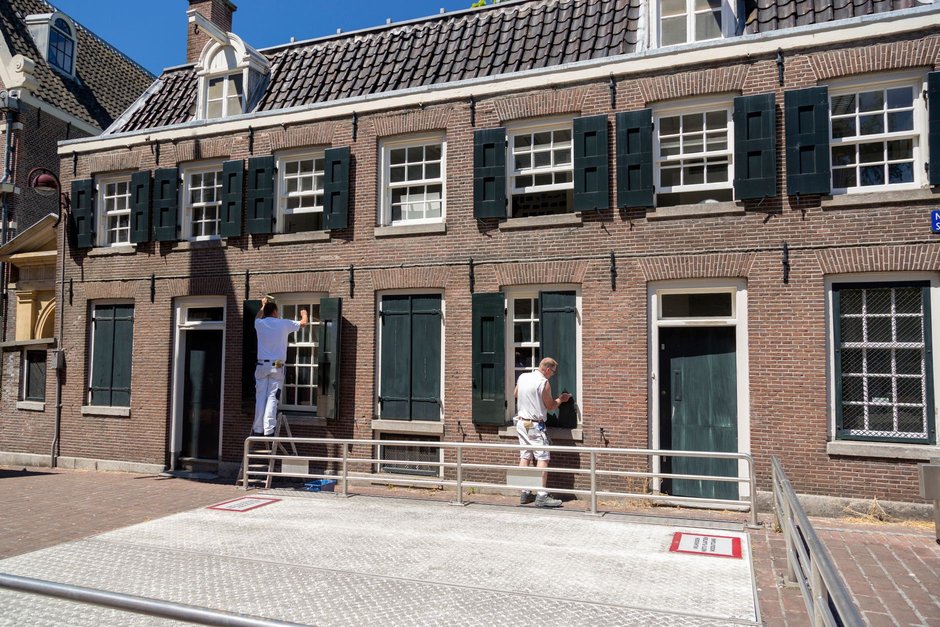
Many decorators lose spring exterior work in winter. They publish their outdoor pages when the weather turns, and by then the homeowners planning a summer repaint have already found someone else.
Homeowners don’t wait for a dry week to start looking. They notice the flaking front wall over Christmas, get quotes in January and February, and book a slot for when the weather allows. If you are one of the exterior house painters whose site only says “interior and exterior decorating” on the home page, Google has nothing specific to show them. The rival with a proper masonry painting page gets the call.
This guide covers what to build, in what order, and how to get it found before the exterior painting season in the UK starts filling diaries.
Spring searches start before the weather does
Think about how the job comes in. Say a homeowner in Leeds stands in the drive on a wet Sunday in January and looks at the stained render. They search “how much to paint a rendered house” or “can you paint pebbledash.” They aren’t ready to book. They are planning, comparing and saving a few sites to call later.
That planning stage is where rankings matter, and rankings take time. A new page has to be found, indexed and trusted before it shows up for local searches. That usually takes weeks, sometimes months. A page you publish in April is still finding its feet when the busy months arrive.
Many decorators run their marketing the other way round. Winter is quiet on the outside, so they push interior work. When spring arrives they finally write the exterior page, often in a rush between jobs. The decorators who planned ahead already hold the rankings, and those positions tend to stick through the season.
The fix is to treat winter as your build window. You have the time, and the pages have the months they need to settle.
The pages exterior house painters need built by January
One general “exterior painting” page isn’t enough. Homeowners search for the surface they have, so you need a page for each one. Here is the core set we recommend for most UK decorators doing outside work:
- Masonry painting. Brick, stone and block walls. This is the broad page that catches cost and “is it worth it” searches.
- Pebbledash painting. A separate page, because pebbledash owners search differently and worry about different things.
- Render painting. Smooth and textured render, including repair before painting.
- Exterior woodwork. Fascias, soffits, windows, doors, bargeboards and cladding.
- Area pages. One page for each main town or district you cover, linking out to the surface pages above.
Each surface page should read like you talking a customer through the job on their doorstep. Cover what the surface is, the problems you see on it (cracks, blown render, algae, chalky old paint), how you prep it, what products you use and why, how long the work takes, and what affects the price.
Don’t copy the same text across pages and swap the word “render” for “pebbledash.” Google spots that, and so do customers. Your real experience is what makes each page different: the scaffolding questions, the drying-time worries, the neighbor’s drive you had to protect.
If you want us to plan this structure with you, our SEO service for painting and decorating businesses is built around exactly this kind of seasonal page set.
How to write about masonry painting cost without a price list
Homeowners often search for “masonry painting cost” before they call anyone, yet many decorators avoid the topic on their sites. They worry that putting anything about price on the page will lock them in or put people off.
You don’t need a price list. You need to explain what drives the price, honestly and in plain language. That is what the searcher wants. They want to know whether their job is small, medium or big before they pick up the phone.
Things worth covering on the page:
- Access. Whether scaffolding is needed, or whether towers and ladders will do. Explain why a three-story house or a sloped garden changes the job.
- Surface condition. Sound brick versus cracked render that needs filling, stabilizing or patching first.
- Prep work. Cleaning, fungicidal wash, removing loose paint, masking windows and doors.
- Number of coats. A color change from dark to light, or a very porous wall, takes more.
- Extras. Fascias, sills, gutters and downpipes done at the same time.
- Product choice. Standard masonry paint versus longer-lasting or more specializt coatings.
Then tell them what you need to give an accurate quote. Photos of each elevation, the postcode and a rough idea of what they want done is often enough for a first conversation. Make that easy: a WhatsApp button, a short quote form that allows photo uploads, and your phone number clickable on mobile.
This turns a “how much” searcher into a quote request, and it does it in January when your diary still has space.
Painting pebbledash and render: answer the questions owners actually ask
Pebbledash owners are a specific audience. Many of them aren’t even sure it can be painted. Others have had a bad experience with peeling or patchy coverage and want reassurance. A page that answers their doubts directly gives them far more reason to call than a generic exterior page.
What to put on your painting pebbledash page
Cover the questions you already get on site:
- Can pebbledash be painted, and will it look patchy?
- What happens to loose or missing stones?
- Do you spray or roll, and why?
- Will painting help with damp, or could it make it worse? Explain breathable masonry paint in plain terms.
- How do you protect windows, doors, plants and the neighbors’ property?
- What if they want to change the color completely?
Write the answers the way you’d say them out loud. If you have before-and-after photos of your own jobs, use them, with a line about the street or area. Real local work does more for trust than anything you can write.
What to put on your render page
Render pages should lead with repair. Owners with cracked or hollow-sounding render want to know whether you fix it or just paint over it. Explain how you check for blown areas, how small repairs are handled, and when you’d recommend a specializt renderer instead. That honesty builds trust and filters out jobs you don’t want.
Add a short FAQ section at the bottom of each surface page using the real questions you hear. Our free FAQ schema generator gives your web person the code to mark these up so search engines can read them clearly.
A winter build order you can follow
Doing everything at once is how these projects stall. Work through it in this order, ideally from November through January, so the pages have time to bed in before quote season.
- List your surfaces and areas. Write down every exterior surface you paint and every town you want work from. This becomes your page plan.
- Check what Google already sees. Run your current site through our Google index checker to confirm your existing pages are indexed. If key pages are missing, fix that first.
- Write the masonry page first. It is the broadest page and the one most likely to catch early-planning searches. Use your primary phrases in the title, the main heading and the opening paragraph.
- Add pebbledash and render pages. Each one gets its own photos, its own questions and its own section on what affects price.
- Build woodwork and area pages. Area pages should mention real streets, landmarks or housing types you work on, and link to each surface page.
- Link everything together. The home page links to each surface page. Each surface page links to the relevant area pages and to the quote form.
- Set up quote tracking. Make sure form submissions, WhatsApp clicks and phone taps are tracked as separate actions in Google Analytics, so you can see which page brought each inquiry.
- Update your Google Business Profile. Add exterior painting services, post photos of outdoor jobs and keep posting updates through winter. A profile that looks active gets more attention in the map results. Our local SEO service covers this if you’d rather hand it off.
- Submit the pages in Google Search Console. Request indexing for each new page as soon as it goes live, rather than waiting for Google to stumble across it.
- Refresh in late winter. Add new job photos, answer any new questions customers asked, and check which pages are starting to show up in Search Console.
The order matters because each step feeds the next. Indexing problems undo good writing. Missing tracking means you can’t tell which page is earning the work when the phone starts ringing.
Frequently asked questions
Is it too late to start exterior pages if it’s already February? No, but start this week. February pages still have a chance to rank before the busiest part of the season, especially for specific searches like pebbledash or render in your town. Every week you wait shortens the time the page has to settle.
Should I put prices for masonry painting on my site? You don’t have to. A clear explanation of what changes the price, plus an easy way to send photos for a quote, usually works better than a fixed number. It answers the searcher’s question without tying you to a figure that doesn’t fit their job.
Do I really need separate pages for pebbledash and render? Yes. People search for the surface they have, and a pebbledash owner wants answers about loose stones and patchy coverage, not smooth render. Separate pages let each one match those searches properly and speak to that owner’s worries.
I’m busy with interior jobs all winter. What’s the minimum I should do? Get the masonry page and the pebbledash page live, with real photos and your quote options clearly shown. Those two pages cover the surfaces homeowners often start researching early. You can add render, woodwork and area pages over the following weeks.
Will my Checkatrade or directory profile do the same job? Directory profiles help, but they rank for the directory, not for your own site. A homeowner comparing decorators often clicks through to your website before calling. If your site has no exterior pages, that visit ends quickly.
Can I reuse the same pages every year? Yes, and you should. Keep the same web addresses and refresh them each winter with new photos, updated answers and any new services. Pages that stay live and keep improving year after year tend to hold their rankings better than ones you delete and rebuild.
Your next step
This week, take photos of three exterior jobs you’ve done (one masonry, one pebbledash, one render) and write down the five questions customers ask you most about each. That is the raw material for your first three pages, and it’s the part only you can provide.
If you’d like help turning it into pages that rank before spring, Chat with us on WhatsApp and we’ll talk it through.