
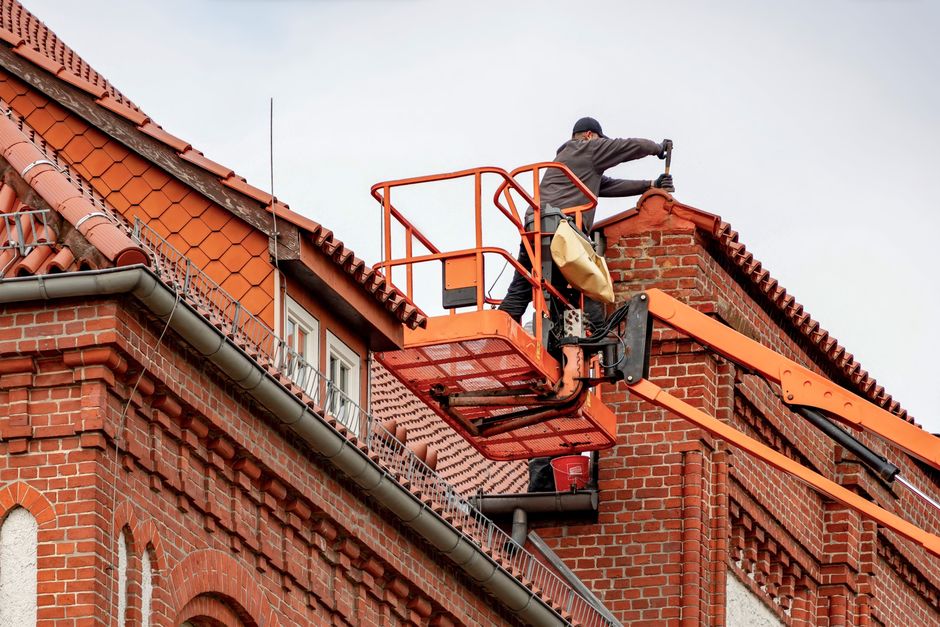
A leaking balcony on a Victorian conversion in Leeds does not wait for your marketing funnel to catch up. Water is already staining the ceiling of the flat below, the freeholder wants a method statement by Friday, and the first three numbers that rang back came off a shared lead list that also went to two general builders and a painter offering “elastic coatings”. You lose the job not because your tanking specification was weak, but because the enquiry never belonged in your pipeline.
That is the daily reality for UK waterproofing contractors who treat acquisition like generic home-services advertising. Membrane installs, basement tanking, podium decks, wet-area bathrooms and leak investigation sit in a different risk class from gutter clears or boiler services. Ticket values are higher, failure modes are litigious, and buyers (homeowners, freeholders, main contractors, surveyors) arrive with very different proof requirements. Get the traffic mix wrong and you burn spend on DIY curiosity while the urgent, warranted work goes to whoever answered first with site photos and a clear warranty line.
This piece is written for owners and marketing leads at waterproofing firms across markets like London, Manchester, Birmingham, Bristol and Glasgow. It covers how to structure demand so high-intent waterproofing leads UK traffic actually reaches a quote, how to keep balcony and basement work from being polluted by paint-on tyre-kickers, and what has to sit on the page and in the CRM before you scale paid or organic spend.
Why shared lead lists and coating traffic wreck waterproofing margins
Plenty of UK waterproofing firms still buy “damp and waterproofing” packages from portals that bundle rising-damp DPC work with membrane tanking and balcony repairs. Those are adjacent niches, not the same trade, and the confusion shows up in your van diary. A homeowner searching for cheap damp paint is not the same buyer as a managing agent with seepage through a podium slab. When both land in one inbox, your estimators waste mornings quoting jobs you will never win at a margin that covers labour, materials and a meaningful warranty.
Shared leads make the problem worse. By the time your office returns the call, the freeholder has already collected three prices and the conversation has shifted from specification quality to who is cheapest next Tuesday. On high-ticket basement tanking or commercial podium work, that race-to-the-bottom dynamic is fatal. You are not selling a same-day patch. You are selling a system that has to hold under British weather, building regs scrutiny and, often, party-wall sensitivity in dense terraced stock.
The operational fix starts upstream of the CRM. Stop accepting undifferentiated “waterproofing” enquiries as a single lead type. Separate source, search intent and job family at capture: leak investigation, balcony failure, basement seepage, ensuite or wet-room membrane, commercial podium. When a form or call tracking number cannot tag that split, every downstream report lies to you. You will think CPC is fine while average quoted value is sliding because half the volume is coating curiosity from people who watched a YouTube video.
We see this most clearly when firms open Google Ads on broad terms like “waterproofing near me” without aggressive negatives for paint, damp proof cream, DIY membrane kits and rising damp. For a waterproofing company, that waste is not abstract: it is estimator hours and van slots that should have gone to a failing balcony in a Manchester block or a basement seepage call in Edinburgh where the buyer already knows they need a specialist, not a tin of elastic paint.
How emergency leak investigation and planned membrane work demand separate funnels
Emergency leak detection marketing behaves nothing like planned wet-area or balcony waterproofing marketing. The first buyer is in crisis: water is active, tenants are complaining, or a completion date is at risk. They care about response speed, diagnostic clarity and whether you can attend with the right kit. The second buyer is planning a bathroom refurb, a terrace rebuild or a basement conversion. They compare method statements, warranties, photos of similar sealed failures and whether you understand building regs and freeholder processes.
If both audiences hit the same homepage with a generic “Get a quote” form, conversion rate collapses for one of them. Crisis traffic bounces when they cannot see a same-day or next-day investigation path and a direct number. Planned work bounces when the page leads with “24/7 emergency” energy and never shows long-term membrane detail, drainage design or guarantee length. You do not need two brands. You do need two entry paths, two offers and two follow-up cadences.
On paid search, that means campaign and ad-group splits that match intent clusters rather than a single “waterproofing” bucket. Leak investigation and “balcony leaking into flat below” queries should route to a diagnostic landing page with call tracking, attendance windows and a short explanation of how you isolate the failure. Basement tanking and wet-room membrane terms should route to specification-led pages with before-and-after sealed work, system brands you install, and warranty language in plain English. Mixing them dilutes Quality Score, confuses smart bidding and trains the algorithm on the wrong conversion events.
Organic content should respect the same split. A useful UK page on balcony waterproofing failure modes (upstands, drainage falls, threshold details on older London and Leeds stock) will attract different links and different AI Overview citations than a page on bathroom wet-area membranes for ensuite refurbs. Chase information gain, not keyword stuffing. Since the 2024 Helpful Content consolidation, Google has consistently demoted thin pages that restate the same generic advice every competitor already published. If your article could sit on any home-services site with the word “waterproofing” swapped in, it will not move qualified pipeline.
Get a free marketing audit - we review your search, ads, and landing pages and send back what to fix first.
Get a free audit
What freeholders, main contractors and homeowners each need to see before they book
Homeowner ads that work for a local plumber rarely convert a managing agent responsible for a leaking podium deck. Freeholders and property managers want proof you will not create a larger liability: insurance, method statements, references on similar blocks, and clear demarcation of what your warranty covers when the substrate is old. Main contractors want programme certainty, RAMS-ready paperwork and a crew that will not hold up follow-on trades. Private homeowners want reassurance they are not being upsold a full tanking system when a localised repair would do, plus photos that look like their actual property type, not stock concrete.
Landing pages that convert these audiences show sealed failures from real UK jobs, not generic grey slabs. Include the failure mode in the caption - for example: “Failed upstand on a 1960s BISF terrace in Sheffield - Sika-1 slurry tanking, 10-year materials guarantee.” Pair each with the system used and the guarantee length. If you work under building regs or with party-wall surveyors in terraced streets, say so once, clearly. Buyers in dense housing stock are scanning for whether you have done this before in conditions like theirs.
Response speed still decides who gets the site visit, especially on active leaks. That does not mean a cartoonish “we answer in 12 seconds” claim. It means a tracked number on mobile, a form that asks job type and postcode before the long questionnaire, and an internal rule that investigation enquiries are triaged differently from planned membrane quotes. Mobile already drives the majority of paid search clicks, yet conversion often lags desktop when the page buries the phone number under brochure copy. Fix the mobile path first if your leak investigation ads are spending without booking calendars filling.
Offer structure should match buyer type as well. A freeholder may need a paid diagnostic and written report before any install quote. A homeowner refurbishing a bathroom may want a fixed-scope membrane package with clear inclusions. A main contractor may need day rates and programme slots. When every ad points to “free quote”, you attract price shoppers and under-educate the buyers who would have accepted a paid survey. Stronger Waterproofing marketing programmes treat the diagnostic step as a product, not a hurdle, and measure cost per attended survey alongside cost per install win.
Waterproofing marketing in London, Manchester and Birmingham: why geography changes intent
Geography changes what buyers need to see before they trust a specialist. Dense Victorian and Edwardian housing stock in London brings party-wall sensitivity, mansion-block freeholders and balcony upstand failures on conversions where neighbours are metres away. Post-war terraces and basement conversions in Birmingham and the wider Midlands more often surface lateral seepage, different substrate conditions and managing agents who want local references on comparable stock. In Glasgow and other Scottish cities, tenement blocks and different building traditions shift proof requirements again - buyers scan for crews who have sealed failures in that fabric, not generic grey-slab photography from another region. Build city-aware proof and landing paths for the markets you actually serve; a single national page rarely convinces a freeholder comparing two local specialists.

Stop judging the account on blended CPL and start tracking job-type economics
A single cost-per-lead number is how waterproofing firms talk themselves into scaling the wrong traffic. Leak investigation leads can look expensive on a dashboard and still be the highest contribution jobs if they convert to paid diagnostics and follow-on tanking. Balcony waterproofing leads can look cheap and still destroy margin if half are coating enquiries or out-of-area DIY. Until you attribute spend and revenue by job family, you are optimising for inbox volume.
Build reporting that follows the real path: enquiry, qualified job type, site attendance, quoted value, won value, and warranty exposure. Call tracking should pass job-type tags into the CRM, not just “Google Ads / organic”. When Meta or Performance Max enters the mix, demand the same discipline. Clean conversion setup, Enhanced Conversions and offline import of won jobs matter more than adding another channel.
Creative and landing tests should be judged the same way. If a new balcony ad set drops CPL by 18% but quoted value per lead falls harder, you did not win. If a basement tanking page lifts enquiry-to-attendance rate from roughly 4% to the high teens after you replace stock photos with sealed-failure sequences and a clearer warranty block, that is the lever. Keep quantified claims honest and few. One or two sharp metrics beat a dashboard of round numbers that nobody in the yard believes.
Budget allocation follows the same logic. Protect spend on high-intent leak, balcony failure and basement seepage terms even when CPCs feel uncomfortable. Cut or tightly negative the DIY and coating adjacency. Reinvest a portion of savings into proof assets: site photography, short videos of detailing, and case write-ups that surveyors and agents can forward internally. Those assets lower effective acquisition cost across every channel because they raise conversion rate and reduce the “send three more quotes” stall that kills close rates on complex waterproofing work.
What we see in client accounts
In a 4-van waterproofing operation we supported in Manchester, the team kept celebrating a £42 CPL until we split the sheet by job type. Half were coating tyre-kickers. Real balcony and basement enquiries were closer to triple that, and those were the only ones worth the van.
For a basement and podium waterproofing firm in the Midlands, the turning point was a paid diagnostic page for active leaks. Same ad budget, fewer total forms, but attended surveys and follow-on tanking quotes finally matched what they told the bank they could deliver.

Action checklist
Action checklist for waterproofing
Use this as a working checklist for waterproofing - specific steps you can run this week, not theory.
- Audit the last 60-90 days of enquiries for waterproofing by source and by job or case type that actually produces revenue.
- Pick the single highest-ROI channel for your UK market (search, local SEO, paid social, or referral content) and put 70% of near-term effort there.
- Build or fix one landing path that matches that channel's intent with a short form and live response plan.
- Set a speed-to-lead standard the front desk or sales team can keep (minutes during open hours, morning callback window after hours).
- Track booked outcomes, show rate, and accepted work by source - not form fills alone.
- Kill or pause any campaign or content cluster that drives volume without booked work.
- Schedule a monthly review that decides what to scale, fix, or stop based on those outcomes.
Free tools - try these yourself
If the checklist shows a leak you cannot close in-house this month, request a free marketing audit - we will prioritize SEO, ads, and landing pages around the same outcome metrics above.
Frequently asked questions
Should we run Google Ads and SEO at the same time for waterproofing leads UK?
Yes, if you can keep job-type tracking honest on both. Paid search captures emergency leak and balcony failure demand you cannot wait six months to rank for. SEO and content compound on planned membrane work, specification queries and brand searches from agents who already met you on site. Run paid from day one; invest in content when you have at least three attended-survey case studies to anchor the pages - otherwise you’re publishing proof-free content into a niche where trust signals decide rank.
How do we keep damp proofing traffic out of a membrane and tanking account?
Treat rising-damp DPC and cream injection as a sibling niche, not a synonym. Use negatives, separate landing pages and clear on-page language about membranes, tanking and wet-area systems. If you do not offer DPC work, say so early on the page so the wrong buyer self-selects out before your estimator spends twenty minutes on the phone.
What proof actually moves freeholders and managing agents?
Photos of sealed failures on similar UK stock, warranty length in plain English, insurance details, and a short method outline beat lifestyle imagery. Agents forward what reduces their personal risk. A one-page PDF case on a podium or balcony repair in a comparable block often outperforms a long brochure site.
When is the right time to raise budget on balcony waterproofing marketing?
After you can see cost per attended survey and cost per won job for that line, not after a single good week of form fills. If response times slip past your promise window when volume rises, fix capacity before you scale clicks. Waterproofing buyers punish slow follow-up harder than most home-services categories because water damage is ongoing while they wait.
Do Performance Max and broad match help specialist contractors?
They can, when conversion signals are clean and negatives plus audience signals are maintained. They hurt when every form fill counts as success and the algorithm learns to find more cheap, unqualified waterproofing-adjacent searches. Start tighter on pure investigation and tanking terms if your offline feedback loop is still immature.
Putting it to work
Execution sprint
This week
- Pull 30-90 days of performance for waterproofing (Search Console, ads, CRM, or call logs - whatever you have).
- Flag the top leak: wrong intent, weak page, slow response, or dirty conversion tracking.
- Ship one fix on the highest-traffic money path (page, campaign split, or response rule).
- Run the free tools below on that same URL or account and log the findings.
Free tools for this sprint
Next 30 days
- Expand the fix to the next one or two money paths only after the first one shows cleaner bookings.
- Align creative, keywords, or content with the same offer the page now states.
- Review booked outcomes weekly; cut anything that still only produces unqualified volume.
Next 30 days
- Expand the fix to the next one or two money paths only after the first one shows cleaner bookings.
- Align creative, keywords, or content with the same offer the page now states.
- Review booked outcomes weekly; cut anything that still only produces unqualified volume.
Next 30 days
- Expand the fix to the next one or two money paths only after the first one shows cleaner bookings.
- Align creative, keywords, or content with the same offer the page now states.
- Review booked outcomes weekly; cut anything that still only produces unqualified volume.
Free marketing audit, or reach Martin directly:
Get a free audit Chat with us on WhatsApp · [email protected]