
Most dermatology practices in the UK treat the ASA’s rules on advertising Botox as a landmine to tiptoe around. They’re not. They’re a line in the sand, and the clinics quietly filling their cosmetic diary while GP referrals keep flowing through the medical side have simply learned exactly where that line sits. Everyone else is either too cautious to market cosmetic work at all, or careless enough to run ads that could get pulled, or a complaint lodged, with the practice’s name attached.
The cost of getting this wrong isn’t just a withdrawn ad. It’s a front desk fielding a call about a changing mole in the same breath as a question about anti-wrinkle pricing, a single Google Ads account trying to serve two completely different buyers, and a marketing spend that quietly rewards whichever intent happens to click first rather than the one that’s actually worth more to the practice. Throwing more budget at that setup doesn’t fix it. It just means you’re paying more to misroute the same enquiries.
Here’s the insight most practices miss: medical dermatology and cosmetic dermatology aren’t two services under one brand. They’re two different buying decisions, with two different legal frameworks, two different urgency levels, and two different paths to a booked consult. Build your marketing around that split, not around your clinic’s internal org chart, and the rest of this gets a lot easier to plan.
The ASA line that decides whether your ad can say the word Botox
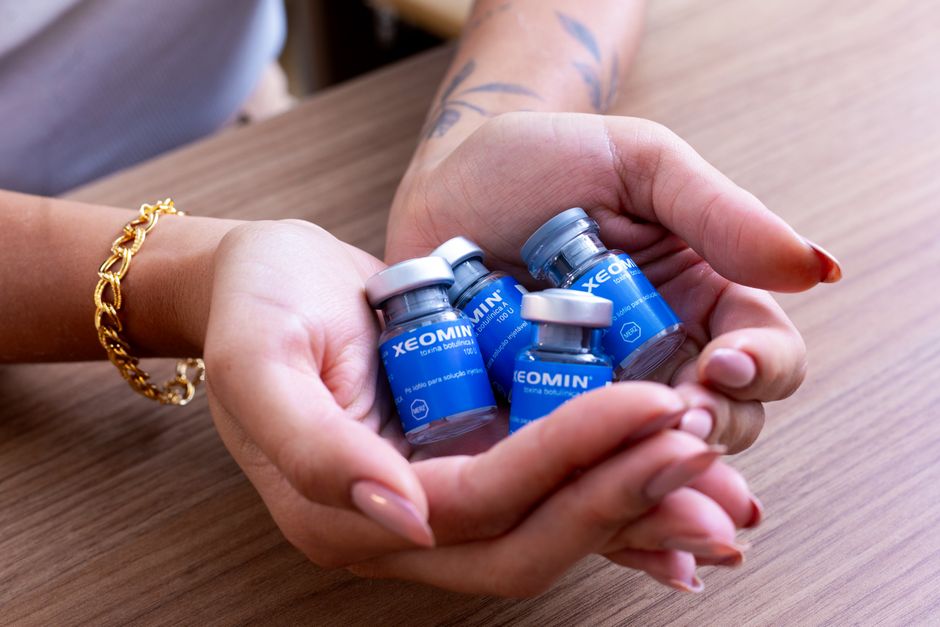
Botulinum toxin is a prescription-only medicine. Under the Human Medicines Regulations and the CAP Code that the Advertising Standards Authority enforces, prescription-only medicines cannot be advertised to the public, full stop. That means your Google Ads headline can’t say “Botox”, your Meta carousel can’t show a before-and-after captioned with the brand name, and your landing page copy needs to talk about “anti-wrinkle treatment” or “prescription facial injectables” in generic terms, never the drug itself, never a specific dose, never a claim about how long results last tied to that medicine.
This is where a lot of clinics overcorrect. They assume the restriction covers the whole cosmetic category, so they either avoid advertising cosmetic work at all, or they strip every clinical detail out of the page and end up with vague, unconvincing copy that doesn’t answer the one question a prospective patient actually has, which is whether this clinic is safe and whether the practitioner is properly qualified. You can still talk about your prescriber’s qualifications, your consultation process, your aftercare, and genuine patient experience, as long as you’re not making claims about the medicine’s efficacy or naming it directly. That’s a narrower restriction than most marketing teams treat it as.
Medical dermatology doesn’t carry this baggage at all. A mole check, a psoriasis referral, a suspected skin cancer consult: none of that touches the POM advertising rules, and it can be marketed the way any other private healthcare service is marketed, with testimonials, outcomes language, and urgency-driven messaging intact. The practical failure point is that most clinics run both services through the same website navigation, the same Google Business Profile category, and often the same Google Ads account, which means compliance risk on the cosmetic side bleeds into decisions about the medical side too. One VAT detail worth flagging here while we’re on compliance: any price you mention in a consumer ad has to include VAT, so a headline quoting “from £250” for a cosmetic course needs that figure to already reflect the full charge, not a pre-VAT number someone copied from a treatment menu.
A HeyLead team working on SEO for a healthcare practice usually starts by separating these two worlds structurally, long before touching a single ad. It’s the single highest-leverage change most dermatology marketing programmes in the UK can make, and it’s rarely where the agency pitch starts.
Two patient intents, two keyword maps, one site
Before you touch a campaign, get a few things in order. You’ll need admin access to your Google Business Profile (ideally verified for each location separately if you’re multi-site), your CQC registration number and the name of the clinician who’ll sign off on ad copy for compliance, and a clean list of which treatments sit under medical dermatology versus cosmetic dermatology. If you don’t already know roughly what share of your current enquiries fall into each bucket, pull three months of them from your booking system or inbox and tag them manually. It takes an afternoon and it’s the single most useful input you’ll have for everything that follows.
Once that’s sorted, map the search intent separately for each side. A patient searching “mole changed shape dermatologist London” or “urgent skin cancer check private” is anxious, often time-pressured, and willing to pay for a fast appointment rather than wait for an NHS referral. A patient searching “anti-wrinkle treatment Manchester” or “acne scarring treatment near me” is in research mode, comparing clinics, prices, and before-and-after evidence, and converts on a completely different timeline. Treating these as the same keyword universe, which is what happens when everything sits in one Google Ads account targeting “dermatologist near me”, means your highest-intent medical searches compete for the same budget and bidding logic as low-intent cosmetic browsing.
This is also where pricing display matters again. Cosmetic searches convert better when the page shows a clear, VAT-inclusive price range up front, because that buyer is comparing three or four clinics in one sitting. Medical searches convert on speed and credibility signals, your CQC rating, your consultant’s GMC registration, how quickly you can see them, not on price comparison at all. If your site shows one generic “book a consultation” page for both, you’re asking two very different buyers to do the same amount of work to find what they actually need.
Get a free marketing audit. We review your search, ads, and landing pages and send back what to fix first.
Get a free audit
A nine-step setup for a compliant, dual-funnel marketing programme
This is the part most practices skip past, going straight to “run some ads.” The setup work below is what makes the ads worth running.
How-to: setting up a split medical/cosmetic marketing programme
- 1Split your site architecture into two clear paths from the homepage, medical dermatology and cosmetic/aesthetic dermatology, each with its own landing pages, its own CTA wording, and its own booking form fields (a mole check form should ask about duration and change; a cosmetic consult form should ask about treatment interest and budget range).
- 2Get your clinical lead or compliance officer to sign off a short approved-language list for cosmetic copy: "anti-wrinkle treatment" not the drug name, "prescriber-led consultation" not efficacy claims, no implied guarantee of a specific result. Keep this as a living document your marketing team and any agency reference before every new ad or page goes live.
- 3Build two Google Business Profile listings or, if that's not possible for a single location, two service category sets within one profile, so "skin cancer screening" and "anti-wrinkle treatment" both show up correctly in local search rather than competing under one generic "dermatologist" category.
- 4Set up two Google Ads campaigns at minimum, one targeting medical/urgent intent keywords with ad copy that leads on speed and clinical credibility, one targeting cosmetic/comparison intent keywords with VAT-inclusive pricing and compliant generic treatment language, each with its own conversion goal and budget.
- 5Install call tracking with separate tracked numbers for the medical and cosmetic landing pages, so a phone enquiry about a changing mole doesn't get credited to the same campaign as a phone enquiry about filler pricing. Route calls to GA4 as distinct events, not a single generic "phone call" conversion.
- 6Build GA4 conversion events that distinguish "medical consult requested" from "cosmetic consult requested", and set these, not generic "form submit", as the conversion goals feeding Google Ads and Meta Ads bidding. A single blended conversion event is the single most common reason smart bidding ends up optimising for the wrong enquiry type.
- 7Set up offline conversion import from your practice management or booking software, so Google Ads and Meta learn which leads actually turned into an attended, paid consultation, not just a form fill. This is what lets smart bidding optimise toward booked chairs rather than cheap enquiries.
- 8Run Meta Ads for the cosmetic funnel with creative-led, broad targeting rather than narrow audience stacking, using genuine (consented, unretouched) patient imagery where compliant and generic treatment language throughout. Keep medical dermatology off Meta almost entirely; it's not where anxious, high-intent searchers go looking for a same-week appointment.
- 9Build a review and reputation process that briefs reception staff never to prompt a patient for a review that names a specific prescription treatment or outcome, since a glowing Google review naming "Botox" and a dramatic result can itself attract ASA scrutiny even though you didn't write it.
Free tools to run this yourself
On the channel mix itself: cross-industry benchmark data from 2026 puts average Google Ads return around 4.2x and Meta Ads nearer 2.8x. That gap generally holds here too, because Google captures people actively searching with a symptom or a specific treatment in mind, while Meta is reaching people who weren’t necessarily looking for a dermatologist today. That doesn’t mean skip Meta for the cosmetic funnel, it means budget it as a demand-generation channel with its own expectations, not judged against search performance.

Where dermatology accounts actually break, and it’s rarely the ad copy
The compliance failure almost everyone makes eventually is letting cosmetic ad copy drift back toward naming the treatment directly, usually because a junior team member writes a “quick” seasonal promotion and nobody runs it past the approved-language list before it goes live. It’s an easy complaint for a competitor or a member of the public to file, and ASA rulings on this are public record, which means a pulled ad doesn’t just cost the spend, it costs a visible compliance mark against the practice.
The tracking failure is quieter but more expensive over time. Plenty of clinics set up call tracking once, then never check whether the numbers on the site still match the numbers configured in the tracking tool after a site redesign. Others never close the loop between a lead and an actual attended appointment, so Google Ads keeps optimising toward whichever ad produces the most form fills, even if half of those enquiries never convert to a paid consult. Without offline conversion import feeding real booking outcomes back into the platform, you’re paying for volume the algorithm thinks is working, not for the appointments that actually fill the diary.
Creative fatigue hits the cosmetic funnel faster than most clinics expect. A Meta ad that performed well in week one can lose momentum within days rather than weeks, especially short-form video content, which means a “set it and forget it” cosmetic campaign quietly bleeds efficiency while nobody’s watching the creative, only the spend. And on the technical side, booking forms that load slowly or break on mobile are a real, measurable leak: current Core Web Vitals data shows only around 55.9% of websites pass all three vitals checks, and a dermatology enquiry, especially a mole-check enquiry someone’s filling in on their phone between appointments, abandons fast if the form hangs for even a second or two.
This is where HeyLead Insights earns its keep on dermatology sites specifically: watching session recordings on the two separate booking forms shows you exactly where a medical enquirer hesitates versus where a cosmetic enquirer drops off, which is almost never the same point in the journey, and almost never what the ad account’s own reporting would suggest.
What clinic managers notice once the funnels are split
“We used to run one phone number for everything. A woman calling about a mole that had changed shape would end up in the same queue as someone asking about filler prices. We split the booking flow eighteen months ago and the clinical team finally stopped triaging enquiries by ear.” - Practice manager, dermatology clinic
“Our ad rep kept telling us to run one broad campaign and let the algorithm sort it out. The algorithm doesn’t know which of those clicks is worth a GP referral letter and which is worth a consultation fee, and it never will unless we tell it.” - Owner, two-site cosmetic dermatology clinic

FAQ
Can a UK dermatology clinic advertise Botox directly to patients? No. Botulinum toxin is a prescription-only medicine, and under the Human Medicines Regulations and the CAP Code, prescription-only medicines cannot be advertised to the public. You can market the service using generic language, “anti-wrinkle treatment” or “prescription facial injectables”, and talk about the consultation, the prescriber’s qualifications, and aftercare, but not the drug name, dosage, or specific efficacy claims.
Are before-and-after photos allowed in cosmetic dermatology ads? They’re allowed for treatments that aren’t prescription-only, such as chemical peels or skin boosters, provided the images are genuine, consented, and not exaggerated or retouched. Where a result is clearly attributable to a prescription medicine, the same POM advertising restriction applies to the image as it does to the copy.
Do medical dermatology enquiries need the same compliance care as cosmetic ones? Less restrictive, since there’s no prescription-only medicine advertising issue, but you’re still bound by the general ASA truthfulness rules around medical claims, and you should display your CQC registration clearly and avoid any wording that implies a guaranteed diagnosis or outcome.
How long before a split medical/cosmetic programme actually changes booking numbers? Paid search and paid social on the restructured funnels usually show a shift within four to six weeks once tracking and conversion events are clean. Organic and content work, the kind that builds trust for both the anxious mole-check searcher and the comparison-shopping cosmetic searcher, realistically takes three to six months to compound. Anyone promising faster than that before seeing your account and your site isn’t being straight with you.
Putting it to work
Start this week by pulling your last two months of enquiries, whatever channel they came through, and tagging each one as medical or cosmetic. It’ll take an hour or two, and what you’re looking for is whether one funnel is quietly subsidising the other in your current ad spend, and whether your booking form even captures enough detail right now to make that split in the first place.
Building and maintaining two compliant funnels, with the right conversion tracking, the right ad copy sign-off, and the measurement that connects an enquiry to an actual attended consult, is the kind of ongoing, detail-heavy work that’s genuinely hard to run well alongside a busy clinic diary. HeyLead can take that split-funnel setup and the compliance, tracking, and testing work behind it off your plate, end to end. Chat with us on WhatsApp.
Free marketing audit, or reach Martin directly:
Get a free audit Connect on WhatsApp · [email protected]