
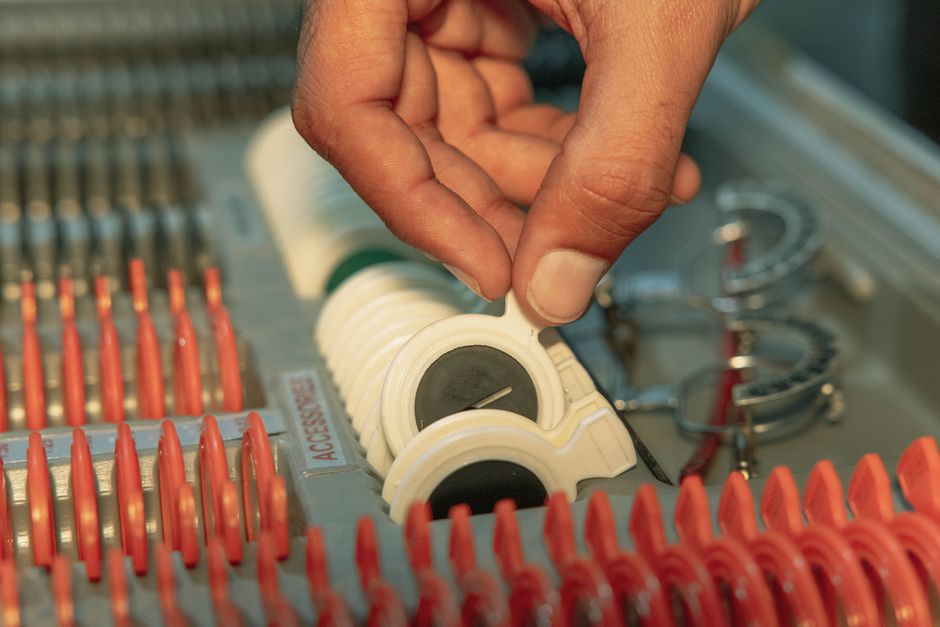
In a two-doctor practice near Tampines, the WhatsApp queue lights up at 8:12pm with a parent asking about myopia control for a Primary 4 child. Same night, Google Ads reports twelve “conversions,” Meta shows four Instant Form leads, and the front desk has three new appointment holds for comprehensive exams. Nobody can tell which ad, keyword, or landing page paid for the booked slots. The diary looks full enough. The P&L still feels loose, because chair time is expensive and every wasted click in SGD hits harder when CPC on high-intent eye-care terms keeps climbing.
Optometry in Singapore does not sell impulse gadgets. Families compare paediatric myopia programmes, contact lens fittings, dry-eye workups, and progressive lens packages across Central clinics and neighbourhood practices in the East, West, and North-East. They search, message on WhatsApp, call after school pickup, and often book days later. If your stack only counts form fills, you will keep funding the channel that shouts loudest, not the one that fills the chair with the right exam type.
This piece is about closed-loop lead tracking for optometry Singapore teams: call tracking, offline conversion upload, practice-management handoff, and the analytics work that finally shows which ads paid for jobs rather than enquiries.
Where booked exams disappear after the click in Singapore clinics
High-intent search still works here. Queries around myopia control, orthokeratology consults, and “optometrist near me” with neighbourhood modifiers bring people who already know they need an exam. Paid social can fill the top of the funnel with awareness of children’s vision programmes or dry-eye clinics. The failure mode is almost never “no traffic.” It is the quiet gap between a tracked conversion event and a real appointment that shows up, pays the 9% GST included in the consult fee, and uses chair time productively.
Practices often wire a thank-you page fire or a form submit into Google Ads and Meta, then optimise toward that event. Front desk still books on the phone, on WhatsApp, or inside the practice management system hours later. Smart bidding only sees the early signal. It learns to buy cheap form fills from browsers who never answer the callback. Offline jobs never get written back as conversions, so ROAS in the ad UI looks heroic while the diary and revenue tell a different story.
Response speed makes the leak worse. A parent comparing two clinics will take the first clear WhatsApp reply with fees, availability, and whether kids’ myopia assessments need a longer slot. If your “lead” sat in a shared inbox for half a day, the ad did its job and operations lost the job. Landing pages add another cut: generic homepage traffic, thin proof of paediatric caseloads, or a long multi-field form on mobile. Mobile already dominates paid search clicks in many accounts, yet conversion lags when pages feel heavy or the CTA is buried under equipment galleries.
Without call tracking numbers on ads and key pages, phone bookings never attach to campaign, ad group, or creative. Without a simple rule that tags every enquiry with source, medium, campaign, and a unique lead ID before it hits the PMS, marketing and clinical ops argue from different spreadsheets.
If you want the measurement layer tied to how Singapore optometry practices actually book work, start with a focused look at Analytics and CRM integration rather than another channel-only dashboard.
The analytics and CRM loop that ties spend to chair time
Closed-loop tracking for optometry is not a single pixel. It is a short chain you can explain to a practice manager in one sitting. Ads and organic landing pages fire a primary event only when intent is real enough: “Book exam,” “WhatsApp the clinic,” or a completed short form with exam type. A dynamic number or call-tracking pool stamps campaign data on inbound calls. WhatsApp enquiries get the same UTM and lead ID when staff open a new conversation from a tracked link or QR on the page.
Every lead lands in a CRM or shared pipeline board before it is typed into the practice system. Required fields are boring on purpose: source, campaign, landing page, exam intent (myopia control, contact lens, comprehensive, dry eye), preferred location if you run multi-site, and outcome stages such as contacted, booked, attended, no-show, revenue band. Front desk owns the stage changes. Marketing owns the taxonomy. Nobody invents free-text sources like “FB maybe.”
Nightly or near-real-time offline conversion uploads send “booked exam” and, where clean, “attended exam” back to Google and Meta with the original click or lead identifiers. That is what lets automated bidding chase jobs instead of forms. Enhanced Conversions and server-side events help when browsers drop cookies; they do not replace human stage discipline. If staff mark everything as booked without attendance checks, you will train the platforms on fiction.
Reporting then shifts from CPL alone to cost per booked exam, cost per attended exam, and lead-to-book rates by channel and offer. Directionally, owners care more about whether a myopia programme campaign fills longer slots profitably than whether Meta’s in-platform CPA looks tidy. When platform CPA and CRM reality diverge, trust the CRM stages you control. Last-click will still flatter branded search; your job is to read assisted paths without pretending one model is gospel.
Landing pages sit inside the same loop. Proof should match the ad: paediatric before/after pathways (without overclaiming), clear fee framing where you can show ranges, map and MRT cues for Central versus neighbourhood sites, PayNow or insurance notes only if accurate. Behaviour data matters here. Session recordings and heatmaps show whether parents stall on the fee block, abandon the form at the IC field, or never reach the WhatsApp button. Pair that evidence with HeyLead Insights style on-site analysis so you fix the leak you can see, not the one you assume.
Get a free marketing audit - we review your search, ads, and landing pages and send back what to fix first.
Get a free audit
East-side paediatric campaign that only counted forms until jobs wrote back
A founder-led optometry group with a busy East clinic and a smaller North-East site ran Search on myopia control and kids’ eye exams, plus a modest Meta budget for parent-facing creative. Google celebrated a sub-SGD 25 cost per lead. The diary for extended paediatric slots stayed patchy. Marketing cut brand terms to “save” budget and poured more into broad myopia phrases. CPL rose slightly. Booked long slots did not.
What broke was mechanical. The conversion tag fired on any contact form, including general enquiries and spectacle repair. Calls to the main line were untracked. WhatsApp messages from the ad were saved as screenshots in a staff chat with no campaign tag. Offline conversions were never uploaded. Bidding learned to harvest short forms from people comparing prices without committing to a dilated exam or myopia workup.
The fix sequence stayed operational, not theatrical:
-
Split conversion actions into enquiry vs booked paediatric assessment - the booked event was weighted at 4× the enquiry value based on average 45-minute slot revenue of ~SGD 180.
-
Put call tracking on ads and the paediatric landing page only; keep the main number for walk-ins and existing patients so after-school parent calls on the kids’ page still carry campaign data without polluting the general line.
-
Force every new WhatsApp thread opened from ads to start from a tracked link that stamped UTMs into the CRM card, including exam intent (myopia control vs comprehensive) so front desk knew whether to hold a long dilated slot.
-
Train front desk to mark booked only when the PMS (they used Cliniko) showed a confirmed appointment, not a phone hold, and to set “attended” the next morning from the diary after no-shows were cleared.
-
Upload offline conversions daily for booked exams matched to gclid or lead id within the allowed window, excluding spectacle-repair and existing-patient admin enquiries that had been inflating the old form tag.
Within a few weeks the account looked “worse” in the old CPL view and better in cost per attended paediatric slot. Broad terms that filled junk forms were trimmed. A plain landing page with school-age proof, slot length honesty, and a single WhatsApp CTA outperformed the equipment-heavy homepage the ads had used. The mechanism was simple: platforms finally optimised toward the event that consumed chair time.
For teams mapping the same handoff across Singapore sites, a dedicated Optometry marketing programme keeps channel creative, landing proof, and attribution rules in one operating rhythm instead of three disconnected vendors.
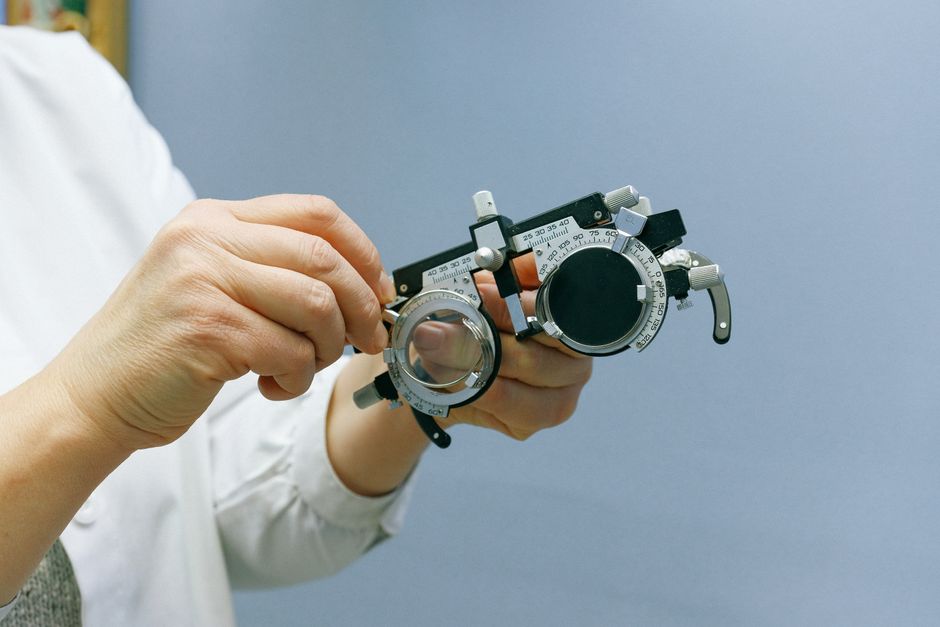
Central dry-eye and contact lens spend that blamed Meta until CRM stages told the truth
A multi-optometrist practice off a Central mall corridor blamed Meta when Instant Form volume looked strong and Saturday contact lens fittings stayed soft. In-platform CPA looked acceptable against an internal target. The marketing lead nearly paused social entirely and shifted the balance to branded Search.
CRM export told a different story. Meta leads were real people. Many were existing patients asking about promotions, and many Instant Forms never received a call within the hour. Search leads converted to bookings at a higher rate mainly because those users already self-qualified on intent pages. Meta was not “bad.” Speed-to-lead and lead quality labels were missing. Forms without exam-type questions flooded the queue. Staff treated every lead the same, so true new dry-eye consults sat behind coupon hunters.
They changed three things. Instant Forms asked for primary concern and preferred time band, then pushed into the same CRM stages as web forms. A 15-minute response SLA on paid social leads, with WhatsApp first for parents and young adults. Offline conversion upload only for new-patient booked exams, not refills of existing contact lens orders. Creative still rotated because fatigue shows in CPM before lead counts fall, but the optimisation target stopped being form volume.
Cost per new booked dry-eye workup became the steering metric. Within six weeks, cost per new-patient dry-eye booked workup dropped roughly 35% - not because media spend fell, but because the same Meta budget stopped being credited with existing-patient refill enquiries that had no revenue uplift. Meta kept a role for demand capture around seasonal irritation and screen-time messaging. Search held the highest intent. Analytics did not pick a winner in the abstract. It stopped the team from cutting the channel that was failing on operations, not on media.
What the numbers looked like after closing the attribution loop
“We were high-fiving a $22 CPL on myopia search until someone finally matched gclid back into Cliniko and half those forms were spectacle repairs or people who never took the 45-minute paediatric slot. Once we uploaded booked exams every week, whole ad groups just… didn’t deserve budget anymore.” - Paraphrased from client debrief, multi-site group, Q1 2025
“Honestly the boring bit was call tracking on the landing page only - not the main clinic line, because that one is mostly existing patients asking about frames. The week WhatsApp and phone jobs actually carried campaign names, we stopped the Monday scrap about Meta vanity numbers. We had no idea the thank-you tag was firing on repair enquiries too.” - Paraphrased from founder conversation, independent East Singapore practice, 2025
FAQ
What should count as a conversion for optometry ads in Singapore?
Use a light enquiry event for diagnostics if you must, but optimise and value-weight toward booked exam and attended exam in your CRM or PMS export. Platforms need the job signal, not only the form fire.
Do we need call tracking if most patients use WhatsApp?
Yes, if any meaningful share still phones after school or work. Track both. WhatsApp needs UTM-stamped entry points and CRM cards the same way calls need dynamic numbers, or you will under-credit whole campaigns.
How fast should front desk respond to paid leads?
Treat paid social and high-intent search leads as hot. Aim to first-touch within minutes during opening hours, especially for paediatric and acute discomfort enquiries. Slow queues erase good media.
Can we trust Google or Meta ROAS alone?
Use them tactically. Reconcile to cost per booked and attended exam in SGD after GST handling in your own books. Expect platform numbers and CRM numbers to disagree; design for that instead of pretending one screen is truth.
Where does on-site behaviour data fit?
When traffic is fine and bookings lag, recordings and heatmaps show proof gaps, form friction, and CTA blindness. Fix the page before you scale spend into a leaky handoff.
Free tools
DIY free tools for this playbook
Run these on the pages and campaigns this article covers, then fix what they flag before you scale spend or content volume.
Run these on this playbook
If the checklist shows a leak you cannot close in-house, request a free marketing audit.
Putting it to work
Pull the last 60 days of paid and organic enquiries for your primary clinic, match each row to PMS appointments where you can, and score three rates only: enquiry-to-booked, booked-to-attended, and cost per attended exam by campaign. Note every lead with a blank source or a phone job that never touched a tracking number. That single sheet usually shows which ads paid for jobs and which only paid for noise.
When you want that closed loop maintained across call tracking, offline conversions, CRM stages, and landing-page behaviour without your clinicians living in spreadsheets, HeyLead can own the analytics and CRM integration that ties Singapore optometry spend to booked chair time.
Talk to HeyLead → our team operates across time zones, so WhatsApp works globally: Chat with us on WhatsApp.
Free marketing audit, or reach Martin directly:
Get a free audit Chat with us on WhatsApp · [email protected]