
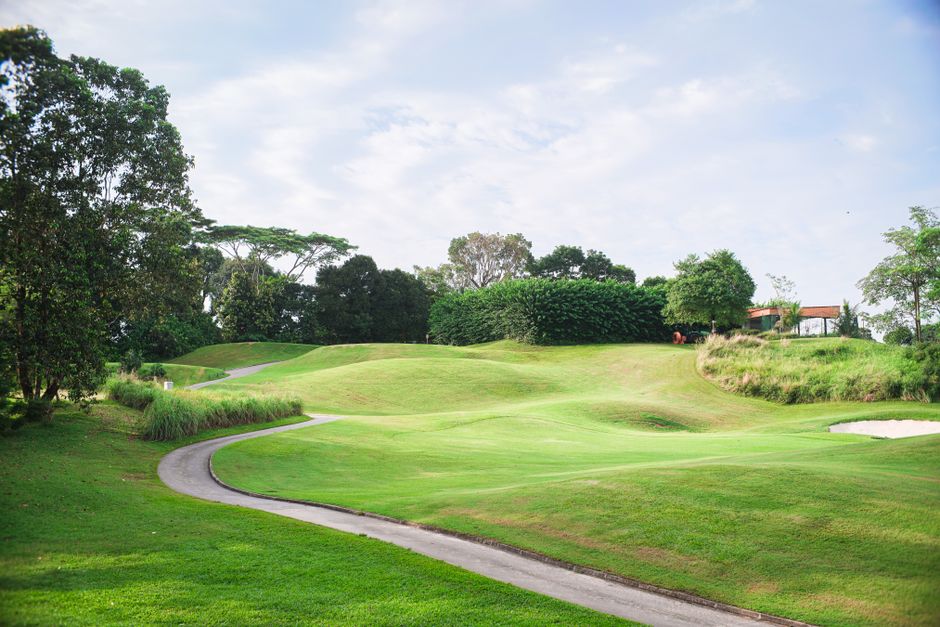
A parent in Punggol opens Google at 9:12 p.m. after the kids finally sleep. They’re not browsing “fun ideas.” They’re typing something closer to “mini golf birthday party package Singapore” or “indoor mini golf near me with F&B.” If your venue doesn’t show up with clear pricing cues, a fast WhatsApp path, and proof that other Singapore families booked last weekend, they bounce to the next listing. That’s the real market for digital marketing for mini golf singapore: short research windows, high intent, and almost zero patience for pretty pages that don’t convert.
Organic search still fills weekday open play, school-holiday blocks, and corporate team slots when you rank for the right clusters. It also burns months of content spend when you chase vanity traffic. This piece separates the SEO moves that turn into deposits from the ones that only inflate session counts.
High-intent Mini Golf searches that actually book in Singapore
Singapore buyers rarely start with brand names unless they’ve already been. They start with job-to-be-done phrases. Birthday mums want packages, headcount bands, and whether food is allowed. Corporate PAs want private slots after 6 p.m., invoice-friendly payment, and a one-page brief they can forward. Tourists and staycation groups want “indoor mini golf Singapore” when the weather turns, plus MRT or parking clarity. Those queries are the spine of useful SEO. Rank for them and you get enquiries that already know what they’re buying.
What works is building dedicated intent pages, not one homepage trying to be everything. A party page should answer duration, age bands, cake policy, deposit rules, and peak-hour surcharges in Singapore dollars with GST called out where you display prices. An open-play page should show walk-in vs booking, queue expectations on Saturday afternoons, and how WhatsApp confirmation works. A corporate page should speak in headcount ranges and AV or F&B add-ons, not cartoon copy. Each page needs its own title, H1, FAQ block, and internal links so Google can tell them apart.
What wastes budget is ranking for broad entertainment fluff: “things to do with kids,” endless listicles, or thin “top 10 date ideas” posts that attract browsers who never open a map pin. You’ll see traffic. You won’t see PayNow deposits. The same trap shows up when teams stuff every page with “digital marketing for mini golf singapore” as a phrase instead of matching how people actually search. Keyword stuffing doesn’t book a 12-pax lane. Clear service language does.
Local modifiers matter more than most venue sites admit. People still filter by East Coast vs Central, Tampines vs Orchard-adjacent, or “near MRT.” Entity clarity helps: consistent NAP, Google Business Profile categories that match mini golf or family entertainment, and on-page mentions of districts you can truly serve without overpromising islandwide logistics. If you only have one site, don’t invent five fake locations. Do earn the map pack with accurate hours, photos of the actual course, and review replies that sound human.
Where Mini Golf SEO budgets quietly disappear
The classic leak is content volume without a booking path. Agencies and in-house teams ship blog posts about golf history, putter technique, or generic holiday roundups. Sessions rise. Enquiry forms stay flat. You’re paying writers (or tools) for readers who never become players. In a market where AI Overviews and zero-click results already skim answers off the SERP, thin posts get summarised and ignored. A 600-word party page that shows three package tiers, GST-inclusive pricing, and a real capacity note beats a 2,000-word “history of mini golf” post every time - because it gives the buyer a decision, not a lesson. If a page doesn’t help a parent choose your venue over the next one, it’s a cost centre.
Another leak is treating Google Business Profile as a set-and-forget listing. Wrong hours during school holidays, stock photos, unanswered questions, and reviews sitting for two weeks signal a dead operation. Singapore buyers message fast. They expect WhatsApp replies in minutes during operating hours, not “we’ll get back to you next working day.” SEO can win the click. Slow ops lose the booking. Track that handoff or you’ll blame “SEO quality” when the real issue is response lag.
Technical neglect compounds it. Mobile is where most party research happens on the sofa. If your booking widget janks, images crush INP, or the form asks for twelve fields before showing package options, organic traffic dies on arrival. Entertainment venues with heavy photo galleries are among the worst CWV performers by category. You don’t need a redesign for vanity scores. You need the enquiry path to feel instant on a mid-range Android phone on mobile data.
Tracking gaps finish the waste cycle. If every session is “organic / none” and party deposits live only in a spreadsheet, you’ll keep funding pages that look popular and starve the ones that fill Friday nights. Tag the thank-you state, WhatsApp click, and call buttons. Tie UTM discipline to any boosted posts that support SEO content. Without that, digital marketing for mini golf singapore becomes a vibes report instead of a channel you can defend in a budget meeting.
If you’re tightening the organic system rather than adding random posts, a focused SEO partner can keep intent architecture, local entities, and measurement in one programme so spend stops leaking into low-intent filler.
Get a free marketing audit - we review your search, ads, and landing pages and send back what to fix first.
Get a free audit
The Singapore SEO playbook that turns rankings into deposits
Start with three commercial clusters and ignore the rest until those convert: birthday and kids parties, open play and walk-in discovery, corporate and group bookings. Map one primary landing URL per cluster. Support each with two or three proof assets: a package comparison table, a real photo set of the course and party rooms, and a short FAQ that mirrors Search Console queries. Then interlink them so a party page can pass someone to open-play pricing if the date is full, instead of a dead end.
Reviews are ranking and conversion fuel. Ask for Google reviews after a smooth session, not during checkout chaos. A QR card left on the party table with a pre-filled Google review link, sent again via WhatsApp 24 hours post-event, is the fastest review-velocity system for Singapore venues. Aim for 4+ new reviews per month to maintain map pack position in a low-competition district. Reply with specifics (“glad the 8-year-old pack worked for the East side family”) rather than templated thanks. Photo reviews outperform text-only for venues. On-page, pull three short snippets near the booking CTA. Parents trust other parents more than brand adjectives. Don’t buy reviews. Do make the ask systematic for satisfied groups.
Publishing cadence keeps you visible when holidays shift and competitors refresh packages. You don’t need a newsroom. You need a short list of pages that update when prices, hours, or promotions change, plus a handful of seasonal explainers that still point to a bookable offer: June school holidays capacity, Christmas party slots, rainy-day indoor positioning. HeyLead’s Auto Blogger fits when you want region- and niche-aware articles shipped on a steady cadence under human strategy, so you’re not hiring a full editorial team to stay present for “mini golf Singapore” demand spikes.
On-page conversion is part of SEO, not a separate project. Put WhatsApp and “check availability” above the fold. Show starting prices in SGD. State deposit rules. Add a simple capacity note (“best for groups of 6-20”). If traffic arrives and still doesn’t convert, use behaviour evidence to see where people stall on proof, pricing, or forms. Tools like HeyLead Insights help you spot scroll drop-offs and abandoned fields instead of guessing from bounce rate alone.
Measurement should answer one operator question: which organic landing pages create WhatsApp threads and paid deposits? Rankings are lagging indicators. Booked parties per landing page per month is the metric owners care about. Review that monthly, prune pages that never earn enquiries, and double down on the URLs that already win.
Two Singapore scenarios: party SEO vs open-play discovery
Scenario one: a single-site indoor course near a North-East town centre. Organic traffic looked healthy because a blog about “family activities” ranked for soft keywords. Almost no Saturday party deposits. The fix wasn’t more blogs. The team built one birthday landing page with three package tiers, GST-inclusive starting prices, a 12-photo gallery of real rooms, and a WhatsApp button prefilled with date and headcount. They moved school-holiday dates into a simple calendar note and collected 18 new Google reviews in six weeks by training hosts to send a short follow-up link. Party-related organic enquiries rose because the SERP snippet finally matched commercial intent, not because domain authority magically jumped overnight.
Steps that made the difference:
-
Retired three fluff posts from the main nav so crawl and user attention hit commercial URLs.
-
Aligned title tags to “birthday party mini golf” language parents actually type.
-
Set a 10-minute WhatsApp SLA on peak evenings; missed chats were the previous silent killer.
-
Tracked “WhatsApp click” and “deposit received” as separate events so content decisions followed money.
Scenario two: a Central venue fighting for weekday open play and tourist walk-ins. Map pack visibility was weak because the GBP category and photos looked like a generic arcade. They cleaned categories, uploaded course-level photos weekly, posted offers tied to off-peak hours, and built an open-play page with MRT directions, locker notes, and rain-day messaging. Corporate pages stayed separate so B2B searches didn’t land on cartoon kids copy. Within a quarter, branded plus “near me” branded queries grew, and staff reported more “saw you on Google” walk-ins on wet weekday afternoons. The mechanism was entity clarity plus a page that reduced friction, not a 40-article content blast.
Steps that made the difference:
-
Cleaned GBP categories and refreshed course-level photos weekly so the listing no longer read as a generic arcade.
-
Separated the corporate landing page from kids-facing copy so B2B searches landed on invoice-ready language.
-
Built an open-play page with MRT directions, locker notes, and rain-day messaging to cut walk-in friction.
-
Measured growth in branded plus “near me” queries and staff-reported “saw you on Google” wet-weekday walk-ins over the quarter.
For operators comparing channel mixes later, keep SEO honest: it compounds, but it won’t fix a broken offer. Pair it with sharp packages. When you want the full niche frame beyond organic alone, HeyLead’s Mini Golf marketing page outlines how traffic and conversion fit together for venues like yours.
Patterns we see in audits
The short quotes below are illustrative composites drawn from patterns in account reviews. They are not quotes from named clients.
Paraphrased from client conversations.
“We kept funding a ‘things to do’ blog that hit 4k sessions in a holiday month and still only produced two WhatsApp chats. Cutting it and rebuilding the birthday URL with package tiers was the first time organic felt tied to deposits.” - Wei, founder, indoor mini golf venue, North-East Singapore
“Map pack photos of the actual course beat any slogan. Once hosts replied to reviews within 48 hours and we timed WhatsApp under 10 minutes, the same rankings started converting.” - Priya, marketing lead, family entertainment group, Central Singapore
Free tools
DIY free tools for this playbook
Run these on the pages and campaigns this article covers, then fix what they flag before you scale spend or content volume.
Run these on this playbook
If the checklist shows a leak you cannot close in-house, request a free marketing audit.
Frequently asked questions
How long before Mini Golf SEO in Singapore shows booked parties?
Most venues see GBP and technical improvements reflected in local visibility within 4-8 weeks; commercial landing pages typically need 3-5 months of consistent signals to outrank established competitors. Expect technical and GBP fixes to influence local visibility faster than new content. Commercial landing pages often need a few months of consistent signals, reviews, and internal links before they stably outrank entrenched competitors. Anyone promising first-page party keywords in a week is selling hope, not operations.
Should we prioritise blogs or service pages?
Service and intent pages first. Blogs only when they support a bookable offer, answer a recurring Search Console question, or capture seasonal demand that still ends on a package CTA. Volume for its own sake is a common budget leak.
Do we need separate pages for each town?
Only if you truly operate multiple venues or can uniquely serve a district with different logistics. Thin location pages for every estate dilute quality. Better: one strong venue page plus honest coverage notes (Central, East, North-East) and precise GBP data.
Where does paid search fit if SEO is the focus?
Use paid for peak holidays and brand defence while organic compounds. Don’t let SEM send traffic to a homepage that SEO already proved doesn’t convert. The landing page standards are the same.
What should we track weekly?
GBP actions, top landing pages by enquiry events, WhatsApp response times, and deposits attributed to organic. Rankings alone won’t tell you if digital marketing for mini golf singapore is working.
Putting it to work
Pull the last 60 days of organic landing pages next to WhatsApp enquiries and deposits, then flag every URL that draws sessions without a single chat. Rewrite or redirect the worst offender into a proper party, open-play, or corporate intent page with SGD pricing cues and a one-tap WhatsApp path before you commission another blog.
If you want a partner to own the messy middle of Mini Golf SEO in Singapore (intent architecture, local proof, publishing cadence, and post-click conversion) so rankings turn into booked lanes instead of empty sessions, talk to HeyLead at [email protected].
Free marketing audit, or reach Martin directly:
Get a free audit Chat with us on WhatsApp · [email protected]