
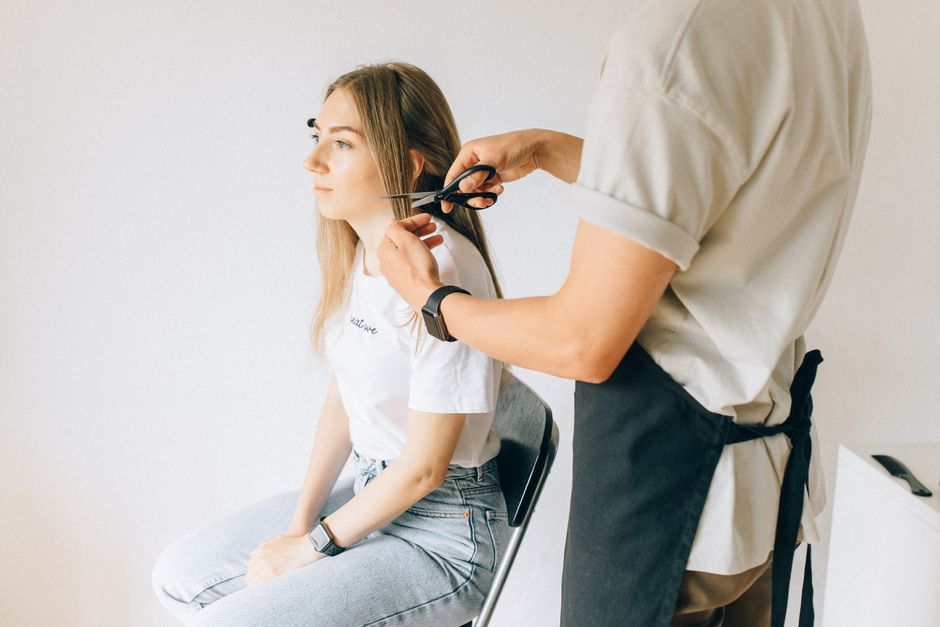
Saturday morning in a three-chair salon off East Coast Road looks calm until the phone stays quiet and WhatsApp only pings for price checks. The walk-in from the HDB block next door never quite materialises. Meanwhile, someone in a Tampines condo is already comparing balayage photos, reading reviews, and tapping the salon that answers fastest with clear pricing and a real booking path. That person is not browsing for fun. They are deciding where to sit for the next three hours and whether the result will be Instagram-safe.
For hair salon owners and marketing leads in Singapore, organic demand is still the cheapest way to fill colour, cut, and treatment chairs when it is built as a system. Local SEO for hair salons Singapore is not a one-off profile tidy-up. It is a repeatable stack: intent, entity signals, proof, response speed, and pages that convert Maps clicks into diary slots. This playbook walks through what to set up, what to watch weekly, and how booked work (not vanity rankings) tells you the engine is working.
Why Maps visibility still leaves colour chairs empty on weekends
Plenty of salons in Central, East, and North-East show up for “hair salon near me” or “balayage Singapore” and still struggle to convert that attention. The failure is rarely “we need more traffic.” It is mismatched intent, thin proof, and a slow handoff from Google to WhatsApp or the booking form.
High-intent searches in this niche cluster hard. Clients type things like “Korean hair perm Orchard”, “keratin treatment East Coast”, “men’s fade near Tampines”, or “bridal hair trial Singapore”. Those queries mean a decision is close. If your Google Business Profile (GBP) photo set looks three years old, your services list mixes every possible treatment without prices or duration, and the website homepage loads slowly on mobile data, you lose the booking to the salon that looks current and replies in under ten minutes.
Another quiet leak: ranking for work you do not want. A boutique colour studio that shows for cheap student cuts will get enquiries that burn front-desk time and never convert at the ticket size you need. Organic growth only helps when the queries you win match the services that keep the diary profitable after rent, product cost, and GST.
Tracking is often incomplete too. Owners see GBP calls and website sessions climb, then wonder why the Saturday colour block is still soft. Without tagging which enquiries came from organic search, Maps, Instagram bio, or walk-by, you cannot tell whether SEO is filling chairs or just inflating dashboards. Paid can paper over this for a while, but CPC pressure makes a weak organic base expensive fast. The fix starts with treating local SEO as a booking system, not a ranking hobby.
If you want a clearer picture of how organic demand should feed the full salon funnel, our notes on Hair Salons marketing map the same intent-to-booking loop across channels.
Build the Singapore local stack that turns search into diary holds
Start with the entity Google already uses to decide who belongs in the local pack. Your GBP name, primary category (Hair Salon), secondary categories (Hair Colourist, Makeup Artist only if true), service area, and NAP consistency across your site, directories, and socials must match. For multi-outlet groups, each location needs its own profile, its own review stream, and pages that do not cannibalise each other with duplicate copy.
Photos and posts are not decoration here. Singapore clients judge hygiene, lighting, and style fit in seconds. Refresh cover and interior shots quarterly. Post weekly on GBP with real work: a balayage before/after from a Punggol client (with consent), a note on festive opening hours, or a short clip of a treatment process. Answer every review, especially the lukewarm ones, with specifics rather than templates. Review velocity and response quality influence both rank and conversion when someone is comparing three salons on the MRT ride home.
On-site, give each priority service its own landing path. “Balayage Singapore” should not dump people on a homepage carousel. Send them to a page that states who the service is for, how long it takes, price bands in SGD, aftercare, and stylist credentials, then a single primary CTA: WhatsApp enquiry or online booking. Put proof above the fold: star rating, number of reviews, and one concrete outcome line (for example, “Colour corrections booked within 48 hours for Central clients”). Mobile layout matters more than desktop polish. Most discovery happens on the phone between meetings or after dinner.
Technical hygiene still decides whether you keep the click. Aim for clean Core Web Vitals on mobile: fast LCP on image-heavy gallery pages, stable layout so the Book button does not jump, and forms that do not force ten fields before a human replies. Use call tracking or UTM-tagged WhatsApp links so organic Maps and organic web are not mixed into one anonymous “phone” bucket.
Weekly measurement should stay simple and operational. Check local pack presence for your top 10 money queries by outlet. Review enquiry volume by source, reply-time median, and booked appointments attributed to organic. Rank position without booked colour or cut is noise. A useful weekly rhythm is one focused pass: query coverage, review and Q&A hygiene, top landing pages for organic sessions, and any service page with high exits before CTA. Skip the day-by-day ritual. Judgment beats calendar theatre.
When the stack is messy or understaffed, a focused SEO partner can own profile, content, and technical fixes so your floor managers stay on clients rather than dashboards.
Get a free marketing audit - we review your search, ads, and landing pages and send back what to fix first.
Get a free audit
Intent clusters and content that rank without a full-time writer
Salon organic growth in Singapore runs on clusters, not random blog posts. Group demand the way clients think: cut and finish, colour (balayage, highlights, fashion colour), treatments (keratin, scalp, repair), occasion (bridal, work photoshoot), and audience (men, kids, curly, Korean-style perm). For each cluster, build one strong service page, support it with two or three useful articles, and link them internally with clear anchors. That structure helps Google understand topical depth and helps the client self-qualify before they message you.
Content that converts here is operational, not fluffy. “How long does balayage take in a Singapore humidity climate and what should you book around” beats “10 hair trends this year.” Write about deposit policies, patch tests, grey coverage expectations, and how condo vs landed home clients often plan travel time differently for long appointments. Mention payment realities people already use: PayNow for deposits, card at chair, GST-inclusive pricing clarity. That language builds trust and reduces no-shows.
Zero-click search and AI summaries mean some answers never leave Google. You still win by being the brand cited and the profile chosen when someone does click. Rich, first-hand detail from your stylists (real process notes, product lines you stock, correction case studies) is harder to replace with generic AI filler, even though a large share of top-ranking pages now contain AI-assisted copy. Human perspective plus local proof remains the differentiator.
Cadence is the hard part for a busy floor. Most salons cannot staff a writer and still keep chairs full. That is where a managed publishing system helps. HeyLead’s Auto Blogger supports region- and niche-aware articles under human strategy so you keep shipping useful pieces on local SEO for hair salons Singapore topics without building a newsroom. Strategy, service-page priority, and brand voice stay with you or your marketing lead. Production becomes sustainable instead of a quarterly panic before a promo weekend.
Pair content with on-page behaviour checks. If organic traffic lands and dies, you have a conversion problem, not a ranking problem. Session recordings and heatmaps through HeyLead Insights show whether clients stall on price ambiguity, abandon a long form, or never see the WhatsApp button on mobile. Fixing a sticky CTA or moving proof higher often moves booked work faster than publishing three more posts.
Two Singapore scenarios where organic finally filled the right chairs
A colour-led salon near Tanjong Pagar was ranking for broad “hair salon Singapore” terms and drowning in price-shop WhatsApp messages. The mechanism was simple: GBP primary category and website H1s screamed general salon, while 70% of revenue came from colour correction and fashion colour. The team rewrote service pages around colour intent, tightened GBP categories and services, added SGD price bands and process timelines, and stopped blogging about unrelated lifestyle topics. They also set a 15-minute WhatsApp SLA during open hours with saved replies that asked for photos and preferred dates before quoting.
Within roughly 11 weeks, organic enquiries dropped slightly in raw count but booked colour hours rose. The useful metric was not sessions. It was qualified holds on the colour block. Front desk stopped spending evenings explaining basic cuts they did not want. One oddly specific win: a single “colour correction” page with three anonymised case notes started outranking a thin competitor page that had held the spot for months, because it answered duration, risk, and deposit rules in plain Singapore English.
-
Map revenue services to exact query clusters before touching blog ideas.
-
Align GBP categories and photos to the work you actually want.
-
Put price bands, duration, and deposit rules on the landing page, not only in chat.
-
Measure booked hours by service, not total form fills.
In the North-East, a two-outlet group in Punggol and Sengkang had strong Instagram but weak Maps conversion. Reviews were solid, yet the website sent every click to a single homepage with a buried booking widget. Organic Maps taps spiked on weekends and died in the form. The fix was location pages with distinct NAP, transport notes (near LRT, parking realities), stylist rosters, and deep links into booking for each outlet. They trimmed the form to name, service, preferred outlet, and time window, then routed WhatsApp by location.
Behaviour data showed 41% of mobile users never scrolled past the hero on the old homepage. After the split pages and shorter form, organic-assisted bookings from the two outlets rose without a paid spike. The cause was handoff friction, not lack of brand love. Organic growth systems fail in salons when the last ten metres (page, form, reply) are ignored.
-
Separate location entities fully: profile, page, reviews, booking link.
-
Watch mobile scroll and form abandon before buying more traffic.
-
Route enquiries to the outlet that can actually take the client.
-
Re-check local pack queries per outlet monthly so one branch does not cannibalise the other.
Patterns we see in audits
The short quotes below are illustrative composites drawn from patterns in account reviews. They are not quotes from named clients.
“We were celebrating page-one for ‘hair salon near me’ while the colour team sat half empty. Once we ranked only for services with SGD price bands on the page and forced WhatsApp replies under ten minutes, organic finally showed up as holds on the board, not just calls.” - Owner, independent colour salon, East Singapore
“The leak was the homepage. Maps traffic hit a slow gallery and a five-field form. Cutting the form and putting PayNow deposit rules up front did more for booked trials than another month of random blog posts.” - Marketing lead, multi-outlet salon group, North-East
Action checklist
Action checklist for hair salons
Use this as a working checklist for hair salons - specific steps you can run this week, not theory.
- Map the last 90 days of Search Console queries for hair salons into intent clusters that match how buyers actually book (high-intent service terms vs pure DIY research).
- Pick one money page that should own the primary commercial query in your Singapore market. Demote or 301 any blog that outranks it for that term.
- Rewrite that page with a single primary CTA, proof above the fold, financing or pricing clarity where relevant, and a short form (name, phone, need, preferred time).
- Align Google Business Profile categories, services, hours, and real photos with the same money services (every location if multi-site).
- Add internal links from the top 5 support URLs into the money page with descriptive anchors.
- Track calls and forms by landing page for two weeks before you fund more content volume.
- Only then brief one support article that answers a pre-purchase question and links back to the money page.
Free tools - try these yourself
If the checklist shows a leak you cannot close in-house this month, request a free marketing audit - we will prioritize SEO, ads, and landing pages around the same outcome metrics above.
Frequently asked questions
How long before local SEO produces booked appointments for a Singapore salon?
Most salons see clearer enquiry quality within 6-10 weeks if GBP, reviews, and priority service pages are fixed early. Competitive Central terms and brand-new domains can take longer. Treat the first quarter as foundation and measure booked work, not just impressions.
Should we prioritise Google Business Profile or the website first?
Do both, but sequence tightly. Clean GBP and review response habits unlock local pack visibility quickly. Dedicated service and location pages capture the click and protect conversion. A strong profile feeding a weak homepage still wastes demand.
Do we need blogs if our service pages are solid?
Service pages carry the money queries. Supporting articles help with longer research journeys (bridal timelines, treatment aftercare, style education) and internal linking. Skip thin trend posts. Publish only pieces that answer real pre-booking questions and point back to a bookable page.
What weekly metrics matter more than average position?
Track organic and Maps enquiries, median reply time, booking rate from those enquiries, and revenue or hours booked by priority service. Secondary checks: review velocity, top landing page conversion rate, and mobile load issues on gallery-heavy URLs.
Can organic replace Meta or Google Ads for a growth salon?
Organic should be the efficient base for always-on demand. Paid still helps launches, seasonal pushes, and new outlets. The goal is a healthier mix so you are not renting every chair fill at rising CPCs when organic could own more of the high-intent cluster.
Putting it to work
Execution sprint
This week
- Pull 30-90 days of performance for hair salons (Search Console, ads, CRM, or call logs - whatever you have).
- Flag the top leak: wrong intent, weak page, slow response, or dirty conversion tracking.
- Ship one fix on the highest-traffic money path (page, campaign split, or response rule).
- Run the free tools below on that same URL or account and log the findings.
Free tools for this sprint
Next 30 days
- Expand the fix to the next one or two money paths only after the first one shows cleaner bookings.
- Align creative, keywords, or content with the same offer the page now states.
- Review booked outcomes weekly; cut anything that still only produces unqualified volume.
Next 30 days
- Expand the fix to the next one or two money paths only after the first one shows cleaner bookings.
- Align creative, keywords, or content with the same offer the page now states.
- Review booked outcomes weekly; cut anything that still only produces unqualified volume.
Next 30 days
- Expand the fix to the next one or two money paths only after the first one shows cleaner bookings.
- Align creative, keywords, or content with the same offer the page now states.
- Review booked outcomes weekly; cut anything that still only produces unqualified volume.
Free marketing audit, or reach Martin directly:
Get a free audit Chat with us on WhatsApp · [email protected]