

Martin
Founder, strategy and audits
Writes every audit and takes every first call. On your account from day one, running growth for SMEs since 2010.
A warehouse buyer has a roll in one hand and a measuring tape in the other. If your site hides the core size, mixes up thermal types or buries the sample form, they leave. A good site shows specs first, explains printer fit simply and makes a sample roll or a case order easy to request.
For packaging labels and tape suppliers who need a site built around specs, printer fit and case ordering, with clear paths for samples, accounts and custom print.
Context from how your customers search, compare and book.
Specs must be easy to read. Buyers look for label width and height, core size, roll length, adhesive and material, or tape width, thickness and film. A tidy table at the top of each product page beats paragraphs of description, and it lets a packer check a roll against a printer in seconds.
Fit questions need answers on the page. Which printers does this label suit, which type is it, what happens on a cold carton or a rough surface? Short, honest notes next to the specs save buyers from guessing and save your team from handling returns.
Different visitors need different routes. A solo seller wants one case and a quick checkout. A warehouse manager wants prices at volume, a standing order and account terms. A brand owner wants printed tape with their logo. The layout should offer each route from the first screen.
Samples help sell. A visible sample roll button, with a short form and a clear note on dispatch, is one of the strongest features a label supplier can have. Trust is also built through photographs of real rolls, printed examples and a plain return policy.
A clear, repeatable process built around how packaging labels and tape customers search and decide.
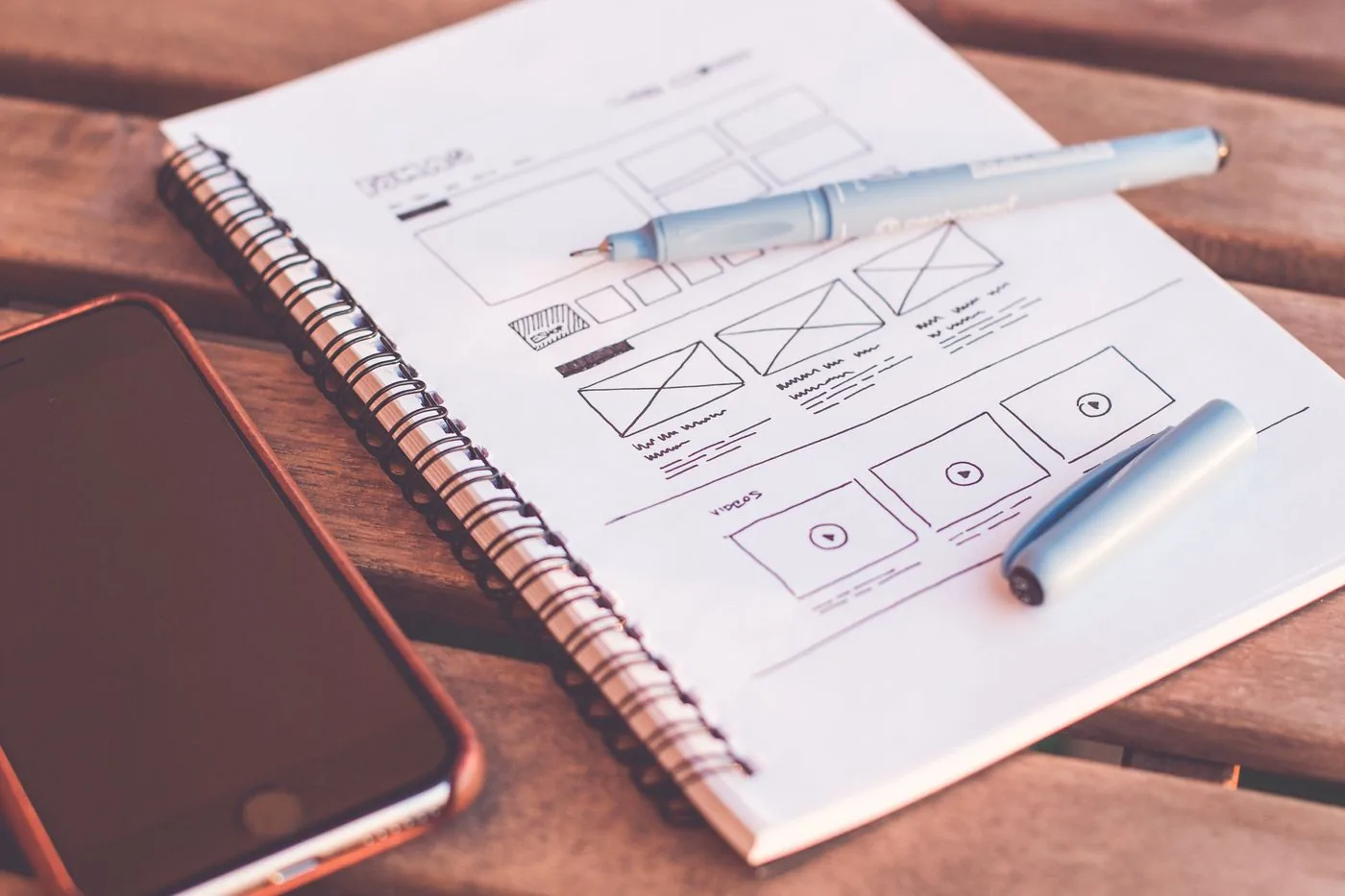
We list every label and tape line with its specs, then map who buys each. From that comes a site structure: label families, tape families, printed tape, samples and accounts, plus the data every product page must carry.

We design product pages with a spec table first, then printer fit, adhesive notes, case pack and price breaks. Filters narrow by size, core, label type, tape width and film, and work well on a phone or a shared computer.

We add short pages on thermal types, core sizes, adhesives and tape choice, and place small help links beside confusing specs. They answer the common questions your sales team gets and lead buyers back to products.

We build a sample roll form, a custom print quote form with artwork upload and an account request. Each asks only what your team needs, and confirmation messages say what happens next, who will reply and roughly when.

We build on a platform your team can manage, test filters and forms on phones and warehouse computers, and set up tracking for samples, quotes and orders. Your staff learn to add new sizes and update prices.
Pages that make it easy to understand the offer and take the next step in Singapore
The mechanics behind Web Design for packaging labels and tape, explained plainly.
Each product holds the same fields: dimensions, core, length, adhesive, material, case pack and price tiers. Consistent data drives tables, filters and product ads, and makes later changes quick when specs or prices move.
Packing teams use older computers and tablets. We keep pages light, tables simple and buttons large, and avoid features that need a new browser. Product images are compressed so rolls and printed samples show clearly without slow loading.
Custom print forms accept common artwork files with clear size limits. Files and answers go to the right person on your team, with the product, quantity and date. Spam is filtered quietly, without puzzles for real buyers.
Packaging Labels and Tape web design starts at S$2,000. Scope depends on how many pages and features you need, and we agree it with you after seeing your current site.
What's included
The pages customers need to decide, laid out for phones first, with proof and a clear next step.
Forms and call buttons that work on every phone, with each request tracked to its source.
Image, speed and mobile checks before launch, and a short list of fixes afterwards.
Larger builds, such as online shops or booking systems, are scoped after discovery. Talk to us for a fit.
A spec-driven site depends on accurate product data, so early weeks go to collecting and checking it.
We collect specs, photographs and prices, agree the structure and show early layouts. Gaps in cores, adhesives or case counts are listed so your team can fill them while we start the build.
We build and test product pages, filters and forms. You review specs, fit notes and prices, and we adjust until your technical and sales staff agree that every claim is right.
After launch we watch which filters buyers use, where they leave and how many ask for samples. We add products and improve unclear pages as the data points the way.
Our team
Martin writes every audit and takes the first call. The same team stays on the account. 160+ businesses since 2010.
Founder, strategy and audits
Writes every audit and takes every first call. On your account from day one, running growth for SMEs since 2010.

Social and app development
Shapes social strategy and builds practical app experiences that turn attention into action.

SEO
Owns technical, local and content SEO so the right buyers find you when demand is highest.

Paid media
Plans and manages paid search and social campaigns around qualified leads.

Analytics
Connects tracking, attribution and reporting so decisions are based on revenue-quality data.

Design
Creates clear brand and conversion-focused design across landing pages, campaigns and product experiences.
Certified and experienced
Verified platform knowledge, 25+ years of hands-on experience, and an operating track record since 2010.
Get a free audit and we will show you where you are losing enquiries today.
Get a Free Audit arrow_forward