


Martin
Founder, strategy and audits
Writes every audit and takes every first call. On your account from day one, running growth for SMEs since 2010.
A raccoon in the attic does not wait for office hours, and neither does the person who hears it. Google Ads puts your wildlife removal firm at the top of animal-specific searches while the noise is still going on. We build campaigns by animal, keep out the do-it-yourself crowd and show which calls turned into inspections and repairs. We do not guarantee lead counts.
For wildlife removal firms that want paid search matched to each animal and season, with night-time call routing and budget kept inside the area you serve.
Context from how your customers search, compare and book.
Wildlife searches are specific. People type raccoon in attic, squirrel in wall, bat colony removal or skunk under porch, often right after hearing something. Campaigns built around each animal let the ad repeat the exact words, which lifts relevance and keeps click costs in line compared with a single broad campaign.
Many clicks come from people who want to solve it themselves. Searches about homemade repellent, mothballs, ultrasonic devices, trap rental and how to catch a squirrel look close to a real job but rarely become one. Exclusion lists and careful match types shield the budget, and the weekly terms report finds new ones.
Seasons and species shift value. Bat colonies, nesting birds and winter attic invaders each peak at different times, and a bat exclusion or full attic cleanup is worth more than a single trap visit. Budget moves toward the animal and job that pay best, and away from low-value trap-only calls.
Night and weekend answering matters. Call-only ads put a button in front of someone who can hear the animal now. If nobody replies, the next firm gets the job. On-call routing, a backup number and a text that confirms the inspection time make the difference between a click and a booked job.
A clear, repeatable process built around how wildlife removal customers search and decide.

We rank the animals and jobs by value to you, from a single skunk trap to a bat exclusion with cleanup. That ranking sets the budget split across campaigns and months. You approve the plan before any ad goes live, and we revisit it each season.

Ad groups are built around each animal and place, such as raccoon in attic, squirrel in chimney and bird in vent. Long exclusion lists remove repellent, mothball, rental and how-to searches. Tight match types at first stop spend leaking into unrelated pest terms.

Each ad repeats the animal and says you are insured and handle it humanely. Pages open with a call button, show your credentials and carry a short form for animal, location in the home and time heard. Call-only ads run when someone can pick up.

Calls go to the trapper on duty, then a backup, then an answering service that captures address and animal. A confirmation text with the inspection window follows within minutes. We test the full route ourselves before launch.

We read search terms weekly, remove weak ones and shift budget by animal. Monthly reports show cost per booked inspection and, where you share it, cost per completed job, split by animal, residential and commercial work.
Reach people who are ready to book on Google, without paying for clicks that never turn into customers in Singapore
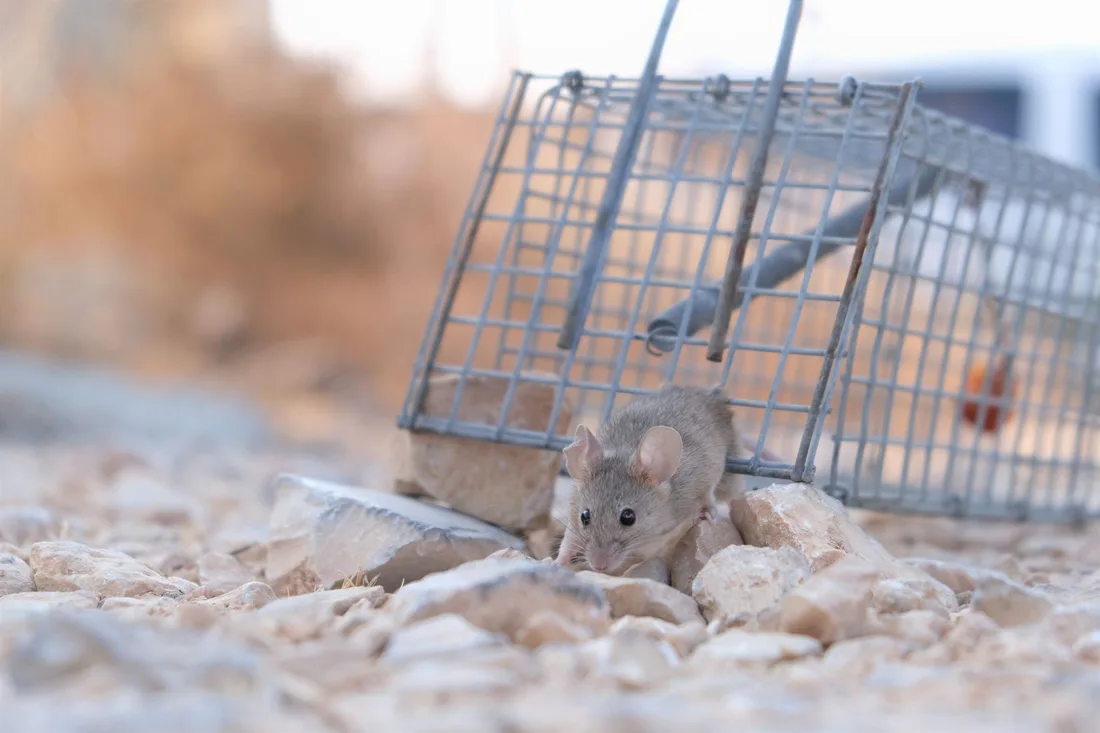
The mechanics behind SEM for wildlife removal, explained plainly.
Wildlife calls cluster in evenings, dawn and weekends, and nearly all come from phones. We schedule call-only ads for times your trappers can answer, push bids for phones when calls convert, and let the form handle quiet periods.
Phrases with repellent, mothball, trap rental or home remedy names are excluded from the start. The weekly terms report catches new ones quickly, so the account does not learn from people who plan to do the work themselves.
Each campaign has a tracking number. Calls over a set length, completed forms and booked inspections count as conversions. If you share completed jobs, we import them, so the account learns which searches bring repair and exclusion work.
Month to month, no commitment. One fee covers the pages, the search and ad work and the tracking. Ad spend is separate and stays in your own accounts.
Starting at
$500 USD per month
Free to cancel with 1 month's notice. Tell us what you sell and where. We come back with what the first month would fix.
Get a Free AuditWhat $500 a month covers
Pages built around the searches your buyers actually type.
Search and ads aimed at people ready to enquire.
Calls, forms and bookings tagged to the search, ad or page behind them.
Wildlife searches are urgent, so calls can start quickly. The weeks after are for sorting animals and jobs by value.
Campaigns, call routes and tracking go live after approval. We watch search terms daily, add exclusions quickly and listen to early calls to judge quality, then adjust the animal groups.
Budget moves toward animals and jobs that book inspections. Weak groups are paused and ad text is tested for humane and credential messages. You see cost per booked inspection by animal.
The account follows your season, with more effort before the nesting and winter rushes. We refine commercial campaigns using completed job data. Lead numbers and click costs cannot be promised, because rival bids and seasons keep changing.
Our team
Martin writes every audit and takes the first call. The same team stays on the account. 160+ businesses since 2010.
Founder, strategy and audits
Writes every audit and takes every first call. On your account from day one, running growth for SMEs since 2010.

Social and app development
Shapes social strategy and builds practical app experiences that turn attention into action.

SEO
Owns technical, local and content SEO so the right buyers find you when demand is highest.

Paid media
Plans and manages paid search and social campaigns around qualified leads.

Analytics
Connects tracking, attribution and reporting so decisions are based on revenue-quality data.

Design
Creates clear brand and conversion-focused design across landing pages, campaigns and product experiences.
Certified and experienced
Verified platform knowledge, 25+ years of hands-on experience, and an operating track record since 2010.
Get a free audit and we will show you where you are losing enquiries today.
Get a Free Audit arrow_forward