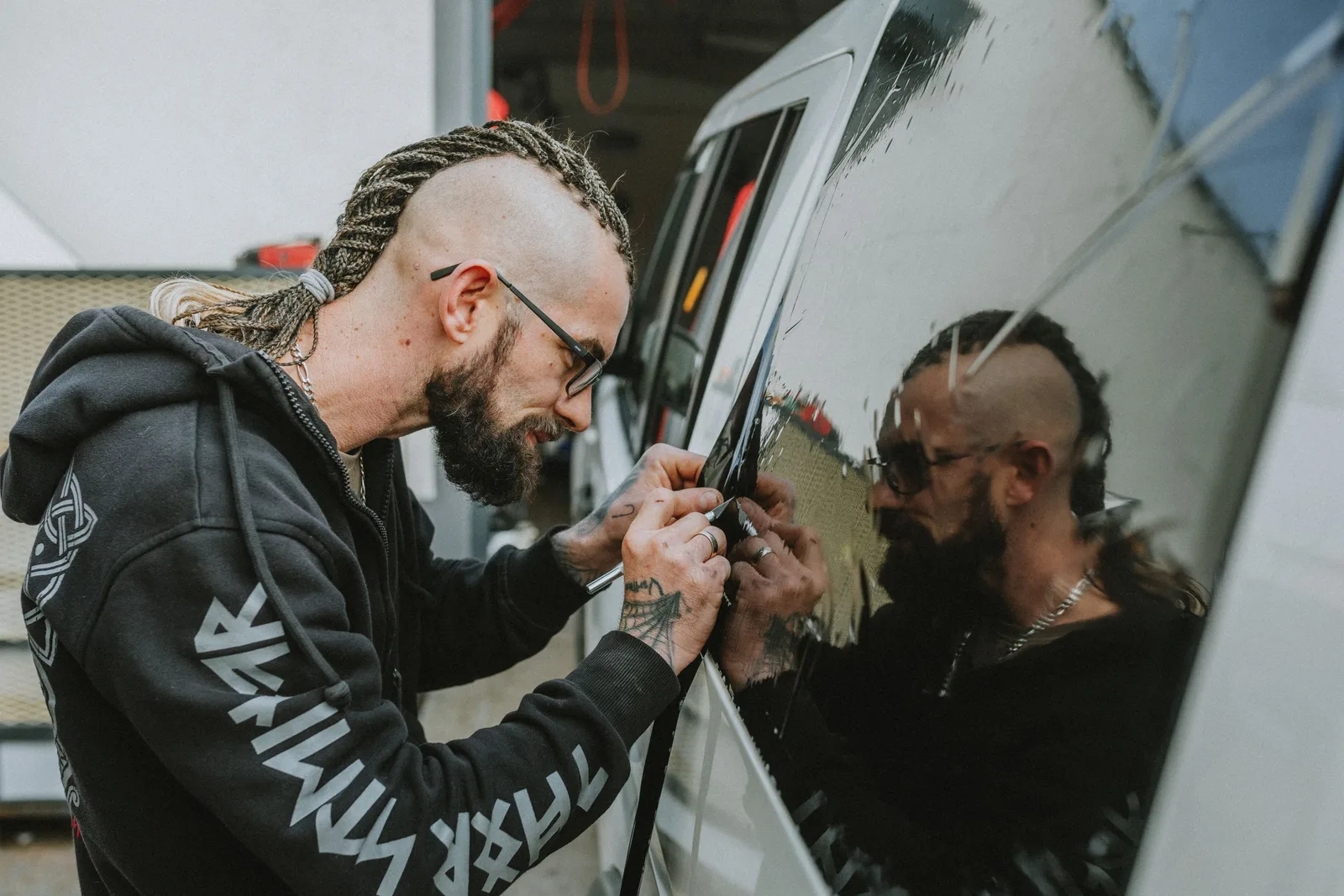


Martin
Founder, strategy and audits
Writes every audit and takes every first call. On your account from day one, running growth for SMEs since 2010.
Glass jobs split into two speeds. An emergency has to be answered and secured within hours, while a shower screen can take weeks from measure to fit. We connect your leads to one customer record so urgent calls jump the queue and planned jobs do not get lost between order and fit.
For glaziers and glass firms handling emergency call-outs, made-to-order glass and commercial accounts who want every lead answered fast and every order tracked to fitting.
Context from how your customers search, compare and book.
An emergency glass request needs a few key facts at once: where, what is broken, whether the opening is secure and whether anyone is at risk. A record that asks those questions on arrival, and holds the answers beside the photo, lets the person on call decide the response in seconds rather than in a long phone chat.
After the emergency, the real job begins. A board-up becomes a measure visit, then an order for toughened or laminated glass, then a fitting date once the glass is delivered. Without a record, the customer is left wondering what happens next. With one, a message goes out at each step, naming the stage.
Planned jobs have long gaps. A shower screen is measured, the glass is made, and weeks pass before fitting. The record holds sizes, finish choices, the supplier order and the expected delivery, with reminders to confirm a date. That prevents a made-to-measure panel from sitting in a warehouse while the customer rings around.
Commercial customers want accounts, not single jobs. A cafe chain, a school or a property manager may own several premises and expect one contact. A record that groups sites under one account shows past breakages, standing instructions and who can approve work, which turns scattered call-outs into a steady relationship.
A clear, repeatable process built around how glaziers and glass customers search and decide.

Calls, forms, profile messages and emails are all recorded against the customer with source, item, size and photo. A short intake script, used by whoever is on call, adds the facts that dispatch needs, so details are not lost between shifts.

Each new request is labelled emergency, planned or commercial. Emergencies show security status and location first, and the on-call person sees them at the top. Planned requests go to a calmer lane with a measure-booking link and a polite acknowledgement.

An approved message goes out within moments, saying who will call and, for emergencies, asking whether the opening can be kept secure meanwhile. Arrival times are never promised unless your team has set one. Prices come from your people.

Stages run from request through attended or measured, quote sent, accepted, glass ordered, delivered and fitted. The record sets a reminder to confirm the date when delivery is due, and notes any change that the customer must hear about.

After fitting, a message asks for a review if you allow it, and the job result goes back to ad accounts with its source. Emergency callouts that were made safe but not repaired are marked as such, so ads learn to look for full jobs.
Get every enquiry into your CRM (customer tracking system) fast, with its source recorded in Singapore
The mechanics behind CRM Integration for glaziers and glass, explained plainly.
Where you use a booking or dispatch tool, we link the record so addresses and times are not typed twice. When there is no link, finished jobs come across by file import. We state which parts are linked and which are copied by hand.
A field for the glass order, delivery date and supplier note keeps made-to-order jobs visible. A reminder fires when delivery is expected, so a fitting date is arranged promptly. The order itself stays in your usual supplier system.
Fitted jobs go to Google and Meta as offline sales with their source, and made-safe-only call-outs are labelled separately. Some glass sales close weeks after the first call, so ad feedback is slow, and we explain how that affects learning.
Glaziers and Glass CRM integration is scoped to the system you already use, or a simple one if you have none. We quote it after a short look at how leads reach you today.
What's included
Every lead from forms, calls and ads lands in one place with its source, and goes to the right person.
Fast first replies and follow-up steps, so fewer leads go quiet.
Booked and lost outcomes tagged, so reports and ad accounts learn which leads were real.
The cost depends on your current tools and how many steps you want automated. Talk to us for a fit.
A good glass setup is quiet in the background. It sorts urgent calls, tracks orders and keeps customers informed.
We map the routes, build the three lanes and test with dummy emergency, shower screen and shopfront requests. Reply messages are written and approved by you. Your on-call phone works as before.
Live requests flow in, and reminders for delivery and fitting begin to fire. We watch how night calls behave and trim anything that slows your on-call person. Stage names may change after the first made-to-order jobs.
Fitted and lost data builds up and ad accounts start to learn from it, while regular business accounts become easy to see. Each quarter we review the setup, and no volume is promised.
Our team
Martin writes every audit and takes the first call. The same team stays on the account. 160+ businesses since 2010.
Founder, strategy and audits
Writes every audit and takes every first call. On your account from day one, running growth for SMEs since 2010.

Social and app development
Shapes social strategy and builds practical app experiences that turn attention into action.

SEO
Owns technical, local and content SEO so the right buyers find you when demand is highest.

Paid media
Plans and manages paid search and social campaigns around qualified leads.

Analytics
Connects tracking, attribution and reporting so decisions are based on revenue-quality data.

Design
Creates clear brand and conversion-focused design across landing pages, campaigns and product experiences.
Certified and experienced
Verified platform knowledge, 25+ years of hands-on experience, and an operating track record since 2010.
Get a free audit and we will show you where you are losing enquiries today.
Get a Free Audit arrow_forward