
Martin
Founder, strategy and audits
Writes every audit and takes every first call. On your account from day one, running growth for SMEs since 2010.
A demolition website has to settle two worries quickly: is this crew approved and insured, and can they handle my kind of job? We design sites that answer both, with job-type pages, project galleries and a request form that asks for the right facts. The result is fewer vague calls and more site visits that matter.
For demolition firms whose website should work for homeowners, builders and project managers alike, loading fast on a phone and turning visits into assessment requests.
Context from how your customers search, compare and book.
Most visitors arrive from a phone, often standing on or near the site. They want to see in seconds that you do their type of job, then find a phone number or a form. A page that opens with a long company history loses them before the services are reached.
Trust is built with specifics. Proof of insurance, safety practice, credentials for hazardous materials work and a short explanation of how services are disconnected all reassure an owner who fears fines or a broken pipe. Placing them near the form, not buried in a footer, shortens the decision.
Different visitors need different routes. A homeowner wants plain wording about garage and house removal. A project manager wants machine types, crew size, past project types and a downloadable capability sheet. One home layout can send each to the right place with two clear buttons.
The request form is where a site earns its keep. Asking for address, building type, rough age, access and whether a hazard survey exists lets your estimator judge the job before ringing back. Photo upload helps a lot, provided it works on a weak signal and does not demand a long account sign-up.
A clear, repeatable process built around how demolition customers search and decide.

We list your core jobs and the people who buy them, then sketch the routes each visitor should take. Owners, renovators, builders and commercial managers each get a clear path from the first screen. You approve the map before any design starts.

We design the home page and job pages with a phone number, a request button and a short proof strip at the top. The strip holds insurance, credentials and safe practice notes you supply. Photos come from your own sites, not stock images.

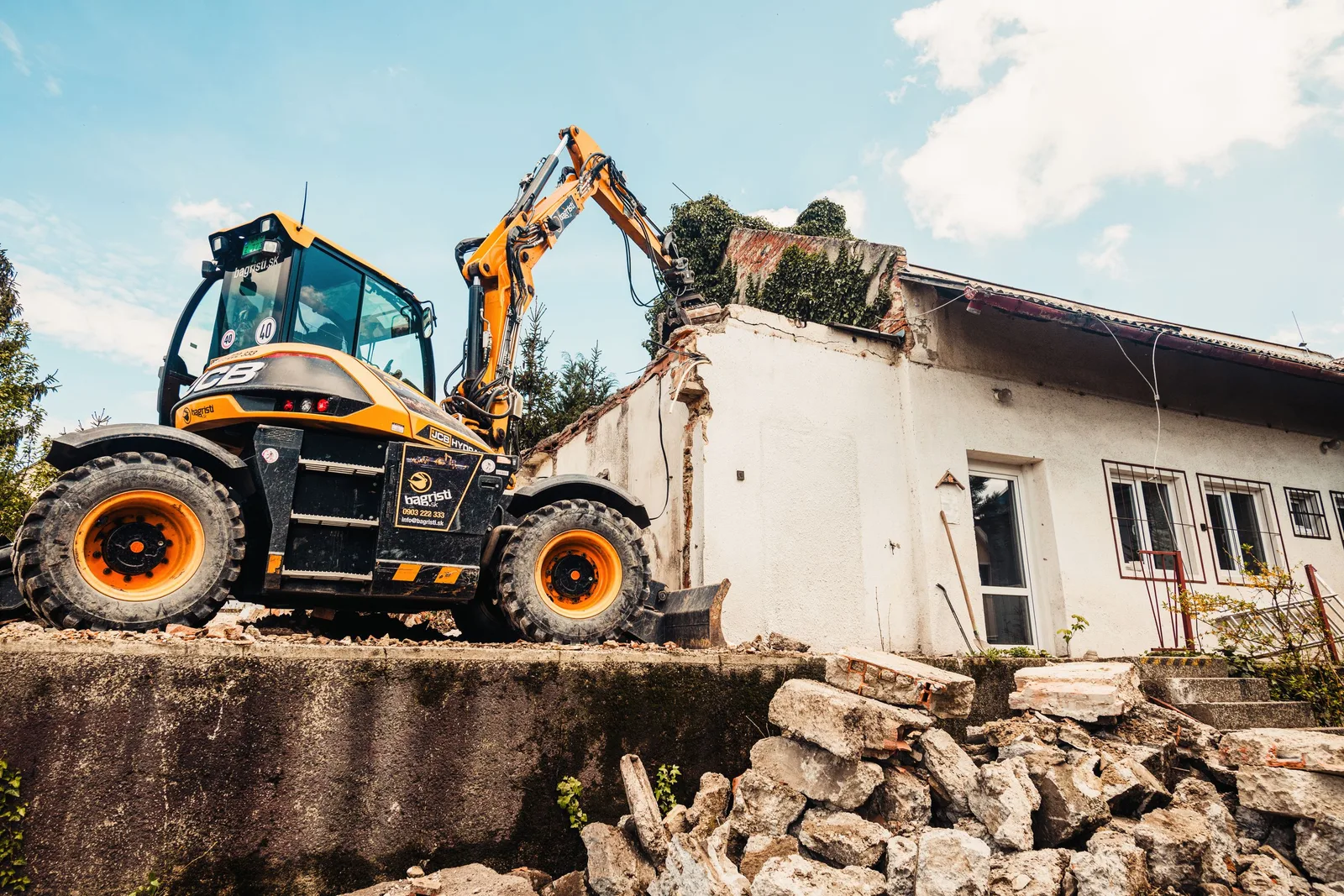
Each project in the gallery gets a short description covering the building type, the scope, how waste was sorted and how the pad was left. A simple page explains the order of work, from survey and disconnections to clearing and handover.

We build one form that adapts to the job type. It asks for the address, building type, age, access and survey status, and lets visitors upload photos. Submissions reach your team by email and phone alert, and each one is tagged with its source.

We test the site on common phones, on slow connections and with the form, photo upload and call button. Then we redirect old addresses so existing search value is kept, connect tracking and show your team how to add new projects.
Pages that make it easy to understand the offer and take the next step in Singapore
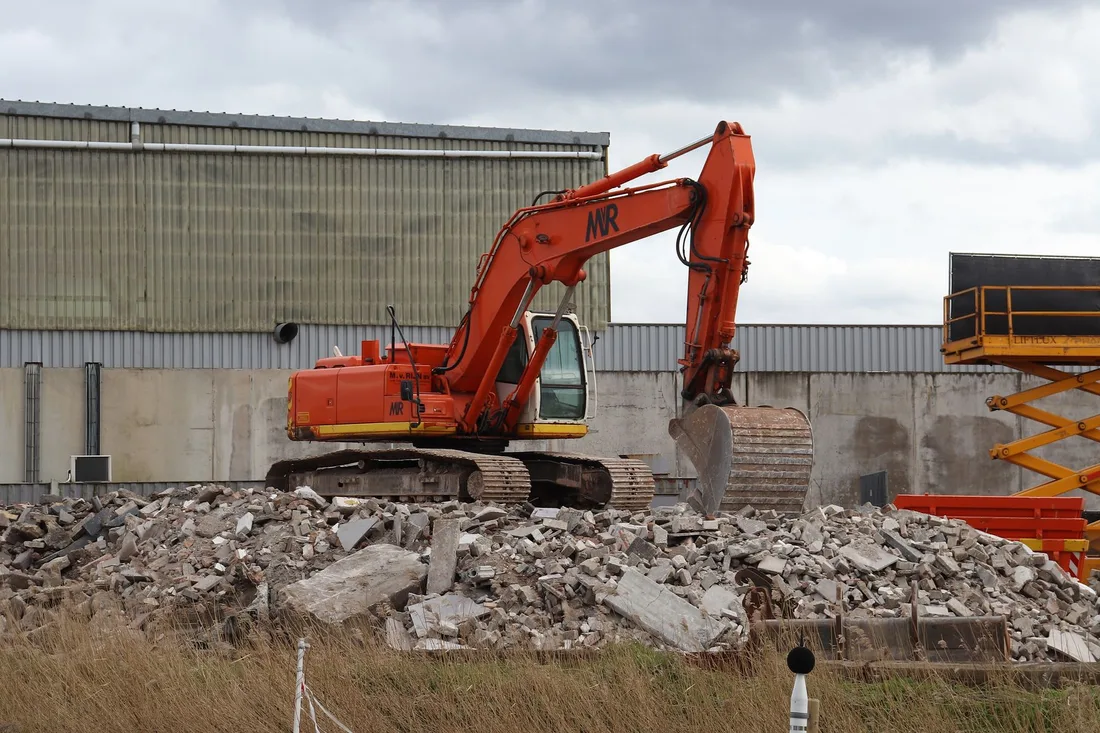
The mechanics behind Web Design for demolition, explained plainly.
Large site photos slow pages down. We compress them, serve smaller versions to phones, load galleries only as visitors scroll and avoid heavy sliders. A fast page matters when the visitor has one bar of signal at a work site.
We test the form across phones and browsers, include spam protection that does not block real users and send a copy to two inboxes. A failed upload shows a clear message rather than losing the request.
Calls, form submissions and button taps are recorded with their source. If your site address or page names change, we set permanent redirects so earlier search value and saved links still work.
Demolition web design starts at S$2,000. Scope depends on how many pages and features you need, and we agree it with you after seeing your current site.
What's included
The pages customers need to decide, laid out for phones first, with proof and a clear next step.
Forms and call buttons that work on every phone, with each request tracked to its source.
Image, speed and mobile checks before launch, and a short list of fixes afterwards.
Larger builds, such as online shops or booking systems, are scoped after discovery. Talk to us for a fit.
A build moves in clear steps, with your input at the points where only you know the facts.
We gather your job types, photos, credentials and insurance proof, agree the page map and sketch the layout. You tell us which jobs you want more of and which you want to avoid.
Pages and the form are built and tested on a private staging copy. You review wording, project descriptions and proof. We fix issues, then launch with redirects and tracking in place.
We watch how visitors use the form and calls, then adjust wording, photos and layout. New projects are added to the gallery. A better site helps search and ads, but we do not promise rankings.
Our team
Martin writes every audit and takes the first call. The same team stays on the account. 160+ businesses since 2010.
Founder, strategy and audits
Writes every audit and takes every first call. On your account from day one, running growth for SMEs since 2010.

Social and app development
Shapes social strategy and builds practical app experiences that turn attention into action.

SEO
Owns technical, local and content SEO so the right buyers find you when demand is highest.

Paid media
Plans and manages paid search and social campaigns around qualified leads.

Analytics
Connects tracking, attribution and reporting so decisions are based on revenue-quality data.

Design
Creates clear brand and conversion-focused design across landing pages, campaigns and product experiences.
Certified and experienced
Verified platform knowledge, 25+ years of hands-on experience, and an operating track record since 2010.
Get a free audit and we will show you where you are losing enquiries today.
Get a Free Audit arrow_forward