
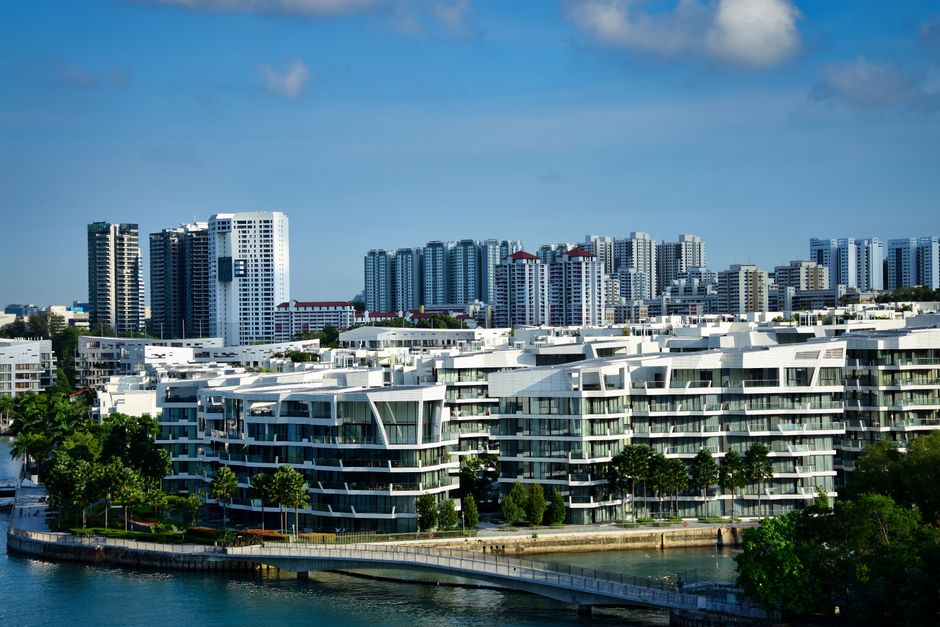
Tuesday, 9.40am. A marketing lead at a residential sales team covering the North-East corridor opens Search Console and sees the same pattern for the third month running: impressions up on broad property terms, clicks flat, and almost no branded enquiries from people who actually need an agent this quarter. The site ranks. The phone does not ring the way it should.
That is the quiet reality of digital marketing for residential sales Singapore operators live with. Buyers and vendors do not start with your brand. They start with estate type, budget band, and a suburb name. They compare three agency sites, skim reviews, then drop a WhatsApp enquiry to whoever looks most local and most credible. Good SEO is not “more traffic to property pages.” It is winning the exact queries that produce valuations, exclusive listings, and serious viewing requests, then converting that traffic before another agent replies first.
This guide walks through how Singapore residential demand actually searches, where organic programmes fail, and what a durable SEO setup looks like when your pipeline depends on HDB resale, condo, and landed work rather than vanity rankings.
Residential sales agencies active in Ang Mo Kio can measure their site against the good SEO described in this guide with local context. Target location: Ang Mo Kio. The Ang Mo Kio local firms page is the location overview for firms in Ang Mo Kio.
How Singapore buyers and vendors search before they shortlist an agent
Residential intent in Singapore is unusually specific. People rarely type “houses for sale” and stop. A first-time buyer in Punggol searches HDB BTO vs resale trade-offs, MRT proximity, and monthly mortgage bands. A vendor in the East coast corridor searches recent condo transaction comps, agent fee structures, and who sold units in their block last year. A landed owner in the North looks for agents who have moved terrace and semi-D stock, not a national property portal clone.
You will see three intent clusters dominate organic demand. Transactional buyer queries: “3 room HDB resale Tampines under 500k”, “condo for sale near Woodlands MRT”, “landed house for sale Serangoon”. Vendor and listing queries: “best property agent to sell HDB”, “condo exclusive agent District 15”, “how much is my flat worth Ang Mo Kio”. Trust and process queries: stamp duty calculators, ABSD reminders, what documents are needed for resale completion, and how long a typical exclusive takes in the current market. Each cluster needs different proof on the page. Mixing them into one generic “Properties” hub is how you rank for noise and still miss booked work.
Local and entity signals matter more here than most national playbooks admit. Google needs to understand which estates you actually cover, which agents are real people with track records, and whether your firm is associated with completed sales in Central, East, West, North, or North-East corridors. NAP consistency, Google Business Profile categories, agent profile pages with licence details, and review text that names suburbs and property types all feed that entity picture. Without it, you lose to portals and larger brands even when your on-the-ground close rate is stronger.
Mobile behaviour shapes the whole journey. Most discovery happens on a phone between commute legs. The expected next step is not a long form with ten fields. It is a clear CTA to WhatsApp, a short valuation request, or a viewing slot. If your organic landing experience still forces desktop-style contact forms and slow gallery loads, you will watch high-intent sessions bounce while your rankings look healthy in the weekly report.
Where organic demand quietly leaks for residential sales teams
The first failure mode is keyword vanity. Teams chase “property for sale Singapore” or “condo for sale” because volume looks impressive. Those SERPs are crowded with portals, banks, and content farms. Even when you crack page one, the visitor is early-stage or already comparing inventory you do not control. Cost of content is high. Contribution to exclusive listings is low. Meanwhile, the mid-intent phrases that signal a vendor ready to appoint an agent get thin pages or none at all.
The second leak is content that reads like a scraped listing feed. Suburb guides that only restate average PSF and MRT names do not give Google (or a human) a reason to prefer you. After core updates that reward information gain, pages need operator perspective: which stacks sell faster in that estate, what renovation level buyers reject, how long exclusives typically run, and what documentation delays actually look like. Pure AI filler that never touches local transaction reality will sit in the index and stagnate. Google’s own core update guidance has repeatedly stressed information gain and original value over scaled undifferentiated text; the pages that hold positions still carry human judgement and local detail. Volume alone is a dead metric.
The third leak sits after the click. Organic traffic lands on bloated listing templates, homepage carousels, or pages with no agent proof above the fold. Core Web Vitals still separate winners from also-rans: fewer than six in ten origins pass all three (the figure changes monthly; see the Chrome UX Report or PageSpeed Insights for live data), and residential gallery-heavy templates often fail Interaction to Next Paint on mobile. Add weak review placement, no recent sold examples, and a contact path that is email-only, and you have paid for rankings that never become WhatsApp enquiries. Response speed compounds the loss. A vendor who messages three agents after one search session will appoint the first credible reply, not the firm with the prettiest organic position.
Tracking gaps hide all of this. If “organic” is one bucket in GA4 with no separation of valuation requests, WhatsApp clicks, and call events by landing page, you cannot tell which estate pages earn pipeline. AI Overviews and zero-click behaviour already compress CTR on informational queries. You need cleaner event design and offline feedback from agents on which enquiries became exclusive appointments. Otherwise you keep publishing for impressions while the calendar stays thin.
If you are already reviewing whether your organic programme is built for residential outcomes rather than generic property traffic, a focused SEO partner can stress-test intent coverage, entity signals, and conversion paths without adding another layer of vanity reporting.
Get a free marketing audit - we review your search, ads, and landing pages and send back what to fix first.
Get a free audit
Intent clusters, entity proof, and pages built for WhatsApp enquiries
Start by mapping queries to commercial outcomes, not to blog volume. Build one cluster for HDB resale buyers by room type and town, one for condo buyers by district or estate, one for landed, and a separate vendor cluster for “sell my flat / condo / landed” language plus valuation intent. Inside each cluster, prioritise pages that can support a clear next step: book a viewing, request a valuation, or message an agent who covers that estate. Supporting articles (ABSD explainers, renovation ROI, timeline guides) should feed those money pages with internal links, not compete with them for the same head terms.
Entity SEO is the unglamorous half of the work. Give every active agent a proper profile: photo, CEA details where appropriate, estates served, languages, and a short record of recent transaction types. Tie reviews to those profiles and to location pages. Keep Google Business Profile posts tied to real inventory and open houses, not generic festive greetings. In title tags, use the HDB town name exactly as CEA and URA use it - Ang Mo Kio, not AMK - because search behaviour follows official naming, not abbreviations. Mention estates in body copy only when you truly service them. Fake breadth destroys trust faster than a missing keyword.
On-page conversion is part of SEO here, not a later CRO project. Above the fold, show who you are, which property types you handle, and a primary WhatsApp or valuation CTA. Place two or three recent sold or listed proofs with estate names. Keep forms short if you use them at all. For behaviour diagnosis when traffic rises but enquiries do not, session-level tools such as HeyLead Insights help you see scroll drop-offs, rage taps on galleries, and form abandon on mobile valuation flows so you fix the real friction instead of guessing from bounce rate alone.
Content cadence is where most in-house teams stall. Agents can brief you on what sold last month. They rarely have time to ship estate pages, vendor guides, and FAQ refreshes every week. A managed system helps. HeyLead’s Auto Blogger is built for niche and region-aware publishing under human strategy, so you can maintain Singapore-specific residential articles without standing up a full editorial department. The standard is not more posts. It is steady coverage of the intent clusters that still lack a page worthy of ranking and converting.
Measurement should answer a marketing leader’s question: which organic landing pages produced qualified WhatsApp enquiries and valuation requests, and which of those became appointments? Wire click-to-WhatsApp and form events properly. Reconcile monthly with sales on exclusive listings influenced by organic. Expect meaningful SEO movement in the 3-6 month range for competitive residential terms. Anyone promising a full page-one sweep in a fortnight is selling a story, not a programme. For teams that want the channel owned end to end against residential outcomes, HeyLead’s Residential Sales marketing work ties keyword strategy, pages, and attribution to that same pipeline view.

Two real fixes: Punggol HDB resale and District 15 vendor pages
A three-agent team focused on North-East HDB work had solid brand search and almost nothing on non-brand resale intent. Their “HDB for sale” page mixed BTO commentary, rental leads, and a national stock widget. Enquiries that did arrive were often tenants or out-of-budget browsers. The fix was narrow. They split a Punggol-focused resale page aimed at 3- and 4-room buyers, with realistic price bands, recent block-level examples, school and MRT context written from agent notes, and a single WhatsApp CTA to an agent who actually covers the town. They removed rental CTAs from that URL entirely.
Within roughly 11 weeks the page held stable positions on a handful of mid-intent phrases (about 50-200 monthly searches each) the team had ignored for years. More useful than the ranking chart: WhatsApp enquiries from that URL moved from roughly two poorly matched chats a month to a steadier flow with clearer buyer briefs, and agents reported fewer “just looking for rent” conversations. The mechanism was not a magic backlink. It was intent separation plus local proof plus a contact path matched to how Singapore buyers already message agents.
A second team selling condo stock around the East Coast belt had traffic to several “sell your condo” articles that read like national explainers. Bounce was high. Heatmaps later showed users never reached the fee table or agent bios. They rewrote one District 15 vendor page around three blocks they had truly sold in, added anonymised timeline ranges from exclusive to OTP, placed review snippets that named the estate, and moved the valuation CTA above a long FAQ. They also cut page weight on the hero gallery so mobile INP stopped punishing the first tap.
The operational change that mattered most was response ownership. Organic valuation requests routed to a monitored WhatsApp queue with a target first reply under 15 minutes during evening peaks, when vendors often browse after work. Organic valuation requests that reached a human quickly converted to appointments at a visibly higher rate than the old email form that sat overnight - roughly one exclusive conversation a month from organic vendor traffic before the refresh, versus several qualified valuation appointments per month in the quarter after. SEO created the visit. Speed and proof created the exclusive conversation. If your pages still dump hard-won organic sessions into a generic contact inbox, fix that handoff before you commission another round of suburb articles.
Patterns we see in audits
The short quotes below are illustrative composites drawn from patterns in account reviews. They are not quotes from named clients.
“We were proud of ranking for broad condo terms until we checked the WhatsApp log. Half the chats were investors fishing for yields, not sellers ready to appoint. Splitting vendor pages by estate and putting fee clarity up top cut the junk fast.” - Head of Marketing, residential sales agency, Singapore
“Search Console looked healthy for months while exclusives stayed flat. The break was boring: click-to-WhatsApp events on each town page plus a 10-minute reply SLA after 8pm. Rankings did not jump. Booked valuations did.” - Founder, boutique property team, North-East Singapore
Free tools
DIY free tools for this playbook
Run these on the pages and campaigns this article covers, then fix what they flag before you scale spend or content volume.
Run these on this playbook
If the checklist shows a leak you cannot close in-house, request a free marketing audit.
Frequently asked questions
How long before SEO produces valuation or listing enquiries in Singapore residential sales?
For competitive HDB and condo terms, plan on 3-6 months of consistent technical fixes, entity work, and intent-led pages before you trust the channel as a steady enquiry source. Local long-tail estate queries can move faster when competition is thin and your Google Business Profile is active. Treat anything promising full pipeline replacement in a few weeks as a red flag.
Should we prioritise buyer listing pages or vendor valuation pages?
Both, but sequence by economics. Vendor and exclusive-intent pages often pay back faster for agency revenue. Buyer pages support inventory velocity and brand presence. A concrete rule of thumb: if your team closes fewer than three exclusives a month, fix vendor intent pages first - one exclusive at S$20-30k commission recovers months of SEO investment. If you have listing inventory but weak buyer enquiry, buyer town pages bridge faster. Map capacity honestly either way: if your agents are listing-constrained, lean harder into vendor clusters first while keeping high-intent buyer towns covered.
Do we still need SEO if portals dominate the SERP?
Yes, if you want demand you own. Portals win many head terms. Agencies still win when pages answer local process questions, showcase real agent proof, and convert on WhatsApp. SEO is also how you defend branded and estate-associated searches as AI Overviews and zero-click results take more informational traffic.
How should we handle AI-written property content?
Use AI for drafts and structure if you must, then force human edits from people who have walked the estate. Add transaction colour, objection handling, and current fee or timeline notes portals will not publish. Thin regenerated summaries without information gain will not hold positions, regardless of publishing volume.
What is the minimum tracking setup for organic residential leads?
Separate landing-page level events for WhatsApp clicks, calls, and valuation forms. Tag estate or intent in the page template. Review weekly which URLs create conversations, and monthly which conversations became exclusive appointments. Without that loop, you will optimise for sessions and miss pipeline.
Putting it to work
Pull the last 90 days of organic landing pages and match them against WhatsApp enquiries, valuation forms, and any exclusives your team can attribute. Flag every URL that ranks or draws sessions but has no estate-specific proof, no clear vendor or buyer path, and no tracked chat CTA. Fix the top three revenue-relevant pages before you brief another batch of generic suburb posts.
When you want that full loop owned as an ongoing programme, from Singapore residential intent clusters through entity proof, conversion-ready pages, and sustainable publishing cadence, HeyLead can take the operational SEO load so your agents stay on valuations and viewings. Reach us on Chat with us on WhatsApp (our international line).
Free marketing audit, or reach Martin directly:
Get a free audit Chat with us on WhatsApp · [email protected]