
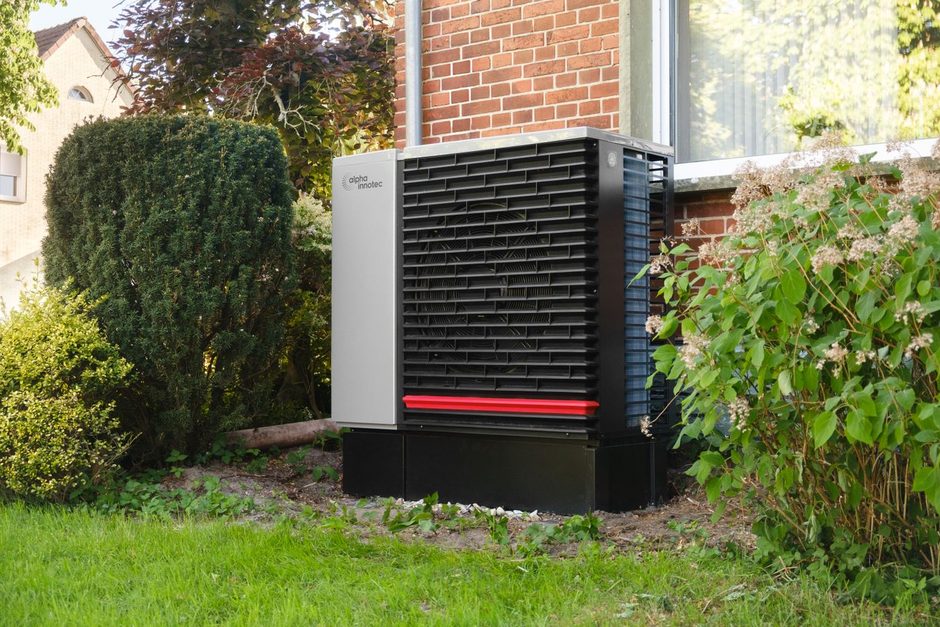
A landed owner in the East opens Google after their third power bill of the year and types “heat pump water heater Singapore landed”. They are not browsing lifestyle content. They want a system that cuts electricity on hot water, fits a landed plant room or outdoor pad, and comes from a team that will actually show up for a site survey. Two results look local. One has a thin homepage and a form that asks for “message”. The other names heat pump models, shows HDB and condo work, lists response times on WhatsApp, and ranks a page for the exact job they need booked. Guess who gets the enquiry.
That is the real market for local SEO for heat pumps and hot water Singapore. Demand sits in renovation cycles, failed tank heaters, new-build fit-outs, and energy-conscious upgrades across HDB, condo, and landed stock. Good weeks look like booked surveys in Tampines, Punggol, Woodlands, and the Central belt, not vanity traffic from people researching “how heat pumps work” with no install intent. Organic search is where those buyers shortlist contractors before they ever open a paid ad.
This guide walks through how those buyers search, where heat pump and hot water firms lose the ranking and the enquiry, and what a durable SEO programme has to own if you want install-ready demand without pouring everything into paid clicks.
How Singapore buyers shortlist heat pump and hot water contractors online
Most serious enquiries start with a problem, not a brand. Someone’s electric heater is dying, a renovation contractor mentioned a heat pump, or a facilities team is comparing running costs for a small commercial unit. They search phrases tied to the outcome: heat pump water heater Singapore, hot water system installation, heat pump for HDB, condo hot water upgrade, commercial heat pump Singapore. Brand queries come later, after two or three sites and a handful of Google reviews have already shaped the shortlist.
Intent clusters matter more than a single head term. Survey-and-quote language sits next to product language. “Heat pump water heater price Singapore” often signals comparison shopping. “Heat pump installation near me” and suburb-plus-service strings lean harder toward a booking. “Replace electric water heater heat pump” is usually closer to a job than a generic “energy efficient hot water” article. If your site only ranks a homepage for the brand name and a blog post about how heat pumps work, you are invisible in the middle of the journey where contractors get shortlisted.
Local proof is non-negotiable in this market. Buyers want to know you work on HDB stacks, condo plant rooms, and landed homes, not just that you “serve Singapore”. They scan for photos of real installs, model ranges they recognise, NEA or efficiency language they can trust, and a way to WhatsApp quickly. PayNow and clear quotation steps reduce friction once they are ready. They also check the Google Business Profile: categories, service areas, photos, and recent reviews that mention heat pumps or hot water, not only aircon servicing if that is a side line.
Response expectation is sharp. A WhatsApp enquiry that sits for half a day often dies to the next installer on the list. Organic traffic does not buy you patience. It buys you a first look. If the page that ranked cannot prove competence in thirty seconds and open a low-friction path to a survey, the ranking was expensive decoration.
Where organic demand quietly dies for heat pump firms
The common failure is not “we need more blog posts”. It is a mismatch between how people search and what the site is built to rank and convert. Plenty of heat pump and hot water companies still treat SEO like a brochure refresh: one homepage, a services dump, and a few thin location pages that swap Tampines for Woodlands and stop there. Google’s local pack and organic results reward entities that look like a real business with clear services, consistent NAP data, and pages that answer install-level questions. Clone suburb pages without unique proof do not get you there for long.
Another leak is category confusion. If the Google Business Profile is optimised for aircon servicing because that used to be the core trade, heat pump queries will under-index even when the workshop can do the work. Review text that never mentions hot water systems teaches the algorithm the wrong specialty. On-site, if heat pumps sit three clicks deep under a generic “products” menu, crawlers and humans both struggle to map you to high-intent terms.
Content teams often publish filler while the money pages stay thin. A long article on “benefits of heat pumps” will not outrank a competitor who has a clear installation page with load considerations for HDB vs landed, typical survey steps, warranty language, and before-after installs. Zero-click search and AI Overviews make thin content even weaker. Visibility without a distinct, citable page that earns the click is common. When the click does arrive, slow mobile pages and vague CTAs finish the job. Mobile drives a large share of local research; if Core Web Vitals lag and the form is a wall of fields, enquiry rate collapses.
Tracking gaps hide the damage. Teams celebrate organic sessions while sales only remembers “WhatsApp was busy”. Without source tagging on forms, call tracking where relevant, and a simple view of organic enquiries that became surveys and installs, you cannot defend SEO budget or fix the pages that actually book work. Paid search then absorbs the pressure, and CPC inflation makes every wasted organic opportunity more expensive.
If you want a partner view of how Heat Pumps and Hot Water marketing ties search intent to booked jobs, map those failure points before you scale content volume.
Get a free marketing audit - we review your search, ads, and landing pages and send back what to fix first.
Get a free audit
The SEO system that earns surveys, not just impressions
Good local SEO for heat pumps and hot water in Singapore is an entity and intent system, not a keyword stuffing exercise. Start with the commercial core: dedicated pages for heat pump water heaters, hot water system installation and replacement, HDB-relevant guidance, condo and landed constraints, and commercial or multi-unit work if you do it. Each page should state who it is for, what the survey includes, typical next steps, proof, and a single primary CTA. WhatsApp enquiry and a short form usually beat a long “contact us” novel.
Build the local entity next. Google Business Profile categories, services, description, and photos should match the heat pump and hot water offer you want to rank for. Service areas should reflect where you truly run surveys. Reviews need a light, ethical prompt after good installs so the word “heat pump” and suburb names appear in real customer language. On-site NAP consistency, a proper contact page, and schema where it helps (LocalBusiness, service pages) support the same story. For individual heat pump models, Product schema with energy rating and capacity fields can surface richer results; HowTo schema on installation-process pages has shown snippet eligibility for this query type in Singapore SERPs. Do not chase every North-East estate with a door-thin page. Prioritise corridors you can serve well and deepen proof there.
Content should answer install-ready questions with information gain, not recycled AI outlines. Think: when a heat pump beats a conventional heater for Singapore homes, what the survey checks on HDB vs landed, noise and placement realities, running cost framing without invented savings claims (a 300-litre heat pump unit drawing 1kW running 3-4 hours daily costs roughly S$0.45-0.60/day at current SP Group tariffs versus S$1.50-2.00 for a direct-electric tank - frame it as a payback window of 2-4 years, not a guaranteed percentage cut, since usage varies), maintenance expectations, and how quotation and GST (9%) show up on the invoice. Human detail from your technicians is what separates you when a growing share of competing content is AI-generated, making original technician detail the real differentiator. Volume is a weak metric. Distinct answers that earn citations and clicks are the point.
Cadence is the hard part for owner-led firms. You need ongoing updates as models, rebates chatter, and search patterns shift, without hiring a full newsroom. HeyLead’s Auto Blogger is built for that niche-and-region publishing load: managed automated blogging under human strategy so heat pump and hot water topics stay visible in Singapore English, with local framing, at a pace a small marketing team can sustain. Pair that with technical hygiene: indexation, internal links from the blog into money pages, and mobile performance so rankings convert.
After the click, treat the landing experience as part of SEO. Session behaviour will show you where proof is missing and where forms die. HeyLead Insights (session recording, heatmaps, scroll and click patterns) makes those leaks visible so you fix the page instead of guessing. Speed to first reply still sits on your ops side: organic leads that wait lose to the installer who answers in minutes.
For teams that want the channel owned end to end rather than as a side project, HeyLead’s SEO work in Singapore is built around this commercial loop: intent mapping, local entity strength, converting pages, and measurement that ties organic traffic to enquiries and pipeline.

Two install-path scenarios that show what “good” actually changes
A West-side heat pump installer was ranking for brand and a handful of informational posts. Survey requests from organic were rare. The break was simple: no page owned “heat pump water heater Singapore” with commercial proof, and the GBP primary category still read like a general M&E shop. They rebuilt one flagship service page around survey process, HDB and landed photos, model families they actually install, and a WhatsApp-first CTA. They rewrote GBP services and asked recent customers for reviews that named the job type. Within a quarter, organic enquiries that mentioned “saw you on Google for heat pump” stopped being a surprise. The mechanism was not more articles. It was one page and one entity that finally matched the query.
Steps that made the difference:
-
Mapped the top intent clusters that historically became surveys (replace heater, new install, condo upgrade, efficiency comparison).
-
Shipped one deep commercial page per cluster instead of ten thin suburb clones.
-
Aligned GBP categories, photos, and review prompts to heat pumps and hot water, not only legacy aircon work.
-
Tagged form and WhatsApp paths so organic enquiries were countable in the weekly pipeline view.
A second team, more condo-heavy around the North-East, had traffic but soft conversion. Rankings for hot water installation terms were decent. Heatmaps showed users scrolling past a generic hero, opening a PDF brochure, then abandoning a long form on mobile. They cut the form to name, contact, property type (HDB / condo / landed), and preferred survey window. They moved three install photos and a short “what happens on the survey” block above the fold. Reply SLA on WhatsApp went from same-day-ish to under an hour during work hours. Organic session counts barely moved. Booked surveys from organic rose because the page finally behaved like a contractor, not a catalogue.
What they changed, in order:
-
Rebuilt the above-the-fold proof for condo plant-room and HDB-relevant installs.
-
Shortened mobile enquiry paths and added WhatsApp as equal CTA.
-
Used behaviour data to kill the PDF detour that leaked intent.
-
Coached the duty phone so organic leads got the same speed as paid ones.
Neither story needed a fantasy “page one in two weeks” promise. Both needed the unglamorous join between search intent, local proof, and an enquiry path a busy homeowner will finish.
Patterns we see in audits
The short quotes below are illustrative composites drawn from patterns in account reviews. They are not quotes from named clients.
“We were ranking for educational heat pump posts and still buying most of our surveys on branded search. The fix was a single install page that named HDB and landed constraints. Organic WhatsApp enquiries that turned into site visits roughly doubled in about eleven weeks.” - James T., founder of a 6-person heat pump installation firm in Bukit Timah
“Our Google profile still looked like an aircon shop. Once reviews and services actually said heat pump water heater, the local pack stopped sending us the wrong jobs.” - Priya S., marketing lead at a home energy upgrades firm serving condo and landed clients across Singapore
Free tools
DIY free tools for this playbook
Run these on the pages and campaigns this article covers, then fix what they flag before you scale spend or content volume.
Run these on this playbook
If the checklist shows a leak you cannot close in-house, request a free marketing audit.
Frequently asked questions
How long before local SEO produces booked heat pump surveys in Singapore?
For a firm with an existing GBP and some domain authority, GBP alignment and one rebuilt commercial page can shift local pack visibility in 6-10 weeks. Competitive organic terms like “heat pump water heater Singapore” on page one typically take 3-5 months of consistent work. New domains with no reviews start the clock later. Anyone promising install-ready volume in a week is selling urgency, not a durable channel.
Do we still need suburb or estate pages for Tampines, Punggol, and Woodlands?
Only when you can add real proof: projects, response coverage, and unique guidance. Thin pages that swap place names rarely hold rankings and can dilute the site. Stronger service pages plus honest service-area signals often beat a folder of empty location URLs.
Should heat pump SEO sit separate from aircon servicing content?
If both are real offers, give heat pumps and hot water their own clear information architecture, GBP services, and review language. Sharing a brand is fine. Burying heat pumps under aircon menus trains buyers and search engines to see the wrong specialty.
What should we measure besides rankings and organic sessions?
Track enquiries from organic landing pages, WhatsApp and form volume by page, survey bookings, and installs influenced by organic. Rankings without enquiry rate and speed-to-lead are vanity. Tie GST-inclusive quote acceptance back when you can so SEO is judged on revenue contribution, not traffic charts alone.
Is paid search a substitute while SEO matures?
Paid can cover high-intent gaps and test offers, but it is not a substitute for entity strength and converting pages. The same thin homepage that wastes organic clicks will waste CPC budget. Use paid for demand you cannot yet own organically, and feed learnings into the SEO page set.
Putting it to work
Pull the last 60 to 90 days of enquiries and mark which ones started from Google organic, which landing page they used, and which became a paid survey. Rank those pages against the intent clusters you actually sell: new heat pump install, replacement, HDB or condo constraints, landed homes. Fix the highest-intent page first: proof, WhatsApp path, mobile speed, and a clear survey CTA before you commission another general blog post.
When the gap is the full local SEO loop for heat pumps and hot water in Singapore, from intent-led pages and Google Business Profile strength through converting enquiry paths and a publishing cadence you can sustain, HeyLead can run that programme with you so rankings connect to surveys instead of sitting as traffic reports. We’re a remote-first team - WhatsApp works globally. Reach us on Chat with us on WhatsApp.
Free marketing audit, or reach Martin directly:
Get a free audit Chat with us on WhatsApp · [email protected]