
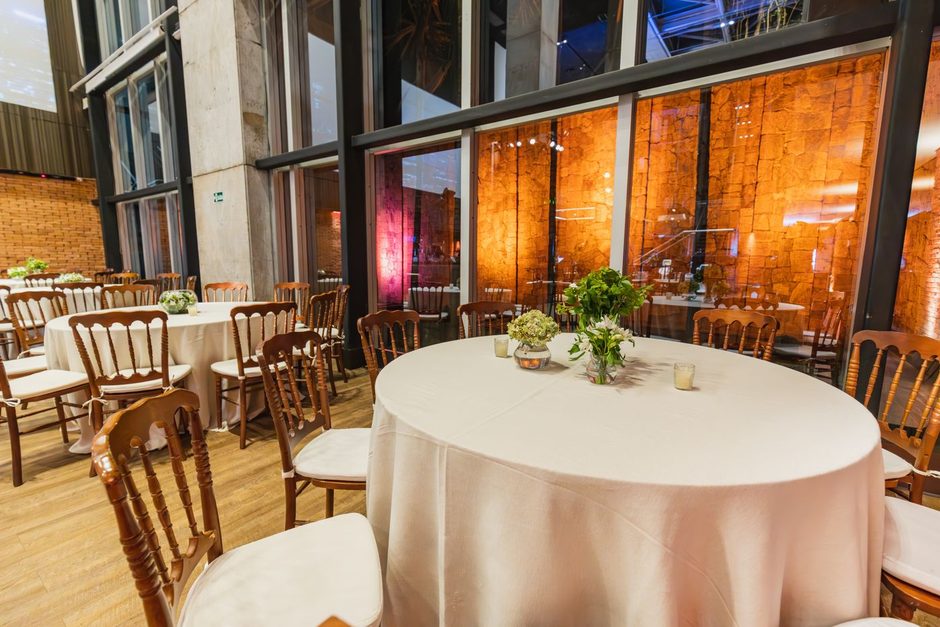
Walk into a well-run ballroom off Beach Road on a Tuesday morning and the floor looks ready. Stacked chairs, AV checked, sales deck polished. Online is a different story. A planner shortlisting rooms for 120 pax with breakout space and late catering still cannot find you between the hotel chains and the two operators who bothered to match how people actually search in Singapore.
That gap is rarely “we need more content.” It is a stack of local SEO mistakes that bury capacity, district, and proof under generic homepage copy. For venues and events firms here, organic demand is not a nice-to-have brand channel. It is how corporate planners, wedding couples, and agency producers start shortlists before anyone opens a WhatsApp chat. Get local SEO for venues and events Singapore wrong and you keep paying for awareness while competitors take the tour requests that were already in-market.
Below are the mistakes we still see on venue sites that look “done” but stay invisible where bookings start, plus the fix for each.
Ranking only for “event venue Singapore” while planners filter by capacity and district
Most venue sites still treat one national head term as the prize. “Event venue Singapore.” “Function room Singapore.” “Wedding venue Singapore.” Those queries matter for brand awareness, but the person ready to book is usually past that stage. They type “120 pax seminar room CBD,” “warehouse event space East Coast,” “solemnisation venue with outdoor area,” or “corporate retreat venue near Woodlands.” Intent is clustered around event type, headcount, layout, and where guests will actually travel from.
When every landing page says the same thing (“flexible spaces for any occasion in the heart of Singapore”), Google has nothing distinctive to rank and the planner has nothing useful to shortlist. You end up competing with every hotel ballroom on soft adjectives instead of on the operational facts that close a site visit. The failure mode is quiet: impressions on broad terms, almost no qualified form fills or WhatsApp enquiries that mention your real strengths.
Fix the architecture before you write another brand story. Build a thin set of intent pages that map to how buyers filter: by event type (board meetings, product launches, solemnisation, dinners), by capacity bands that match your real configurations, and by catchment (Central, East, West, North-East) only where you can genuinely serve travel patterns. Each page needs different proof: floor plans with seated and standing counts, ceiling height or load-in notes, AV included versus billed, nearest MRT, and sample packages in SGD with GST called out clearly when you publish rates.
Keyword research here is not a 200-row spreadsheet of vanity phrases. It is a shortlist of phrases that already imply a tour. If a query never produces a planner who asks about dates, F&B minimums, or layout options, it does not belong on a money page. Pair each cluster with one primary URL, internal links from the homepage and events menu, and title tags that lead with capacity or use case rather than the company slogan. That is the backbone of local SEO for venues and events Singapore that actually feeds the sales calendar.
Treating Google Business Profile as a listing instead of a booking surface
Plenty of operators claim “we are on Google Maps” and stop there. The profile photo is a dark night shot from 2019. Categories sit on the generic “Event venue” label when you also run as a wedding venue, conference centre, or banquet hall. Posts stopped after CNY. Questions from planners sit unanswered for a week. Meanwhile a smaller space in Tampines answers in two hours, refreshes photos monthly, and collects reviews that name the room and the coordinator.
Map pack visibility is not a side project for venues. A large share of high-intent local searches never hits page two of blue links. If your GBP is thin, wrong-category, or slow, you lose the tour request before your carefully designed website loads. The mechanism is simple: Google’s local ranking signals weight engagement signals - a profile that shows daylight layout photos, weekly updates, and reviews naming the coordinator and room type signals a real operating business in a way that a polished homepage cannot replicate.
Clean the profile like an operations asset. Primary and secondary categories should match what you sell, not what felt broad in setup. Upload daylight and layout photos that show real configurations (theatre 200, banquet 150, cabaret 80), not only styled launch nights. Turn on messaging if your team can hit a same-day response window; Singapore planners default to WhatsApp and expect speed. Ask for reviews after successful events and coach hosts to mention event type and room name so the text becomes searchable proof, not “great service!!!”
Then connect the profile to pages that convert. The website link should land on a dedicated venue or enquiry page with capacity and a short form, not a slow homepage carousel. UTM-tag that link so you can see map-driven sessions in analytics. If you run multiple distinct spaces under one brand, decide early whether one profile or separate entities better matches how people navigate the building. Confused structure splits reviews and weakens both.
Hiding proof on Instagram while ranking pages stay thin and slow
Your Instagram looks alive. Reels from last Saturday’s gala, stories of floral installs, tagged planners. The SEO pages that should convert that interest still read like a brochure from the first renovation. No named past events. No planner logos. No load-in diagrams. No “what is included” block. Mobile LCP crawls because the hero is an uncompressed 4MB hero video. Forms ask for twelve fields before anyone can request a showround.
Searchers who click still bounce. Google notices engagement and Core Web Vitals; fewer than half of origins pass all three thresholds, according to Google’s CrUX data, so a heavy venue gallery is not a free aesthetic choice. More important for revenue: the planner never sees the evidence that reduces risk. They leave, open a competitor tab, and your sales team never knows the session happened.
Move proof onto the URLs you want ranked. Case blocks with event type, headcount, and one constraint you solved (late licence, tight load-in, hybrid broadcast) beat adjective-heavy copy. Embed a simple floor-plan PDF or interactive map. Put package ranges or “from” figures in SGD where commercial policy allows; opacity forces another round-trip and kills momentum. Keep the primary CTA to tour request or WhatsApp enquiry above the fold on mobile, with optional detail fields later.
When traffic arrives but tours do not, stop guessing from heatless GA charts alone. Session-level behaviour shows whether people stall on pricing silence, fail to find capacity, or abandon a long form. HeyLead Insights is built for that post-click view: scroll depth, rage clicks, and form abandon on the exact venue pages you paid to rank. Fix the leak on the page before you commission another brand film. Pair that with technical basics (compressed media, stable layout, fast hosting) so mobile planners on lunch break do not wait on your hero loop.
If paid social or brand already drives awareness, organic pages still need to close the loop. A soft next step many teams take is a focused pass on SEO that prioritises venue URLs, map signals, and conversion paths over more blog volume for its own sake.
Get a free marketing audit - we review your search, ads, and landing pages and send back what to fix first.
Get a free audit
Publishing three blogs a year with no entity depth and no closed loop
The content calendar starts strong in January: “Top team-bonding ideas,” “How to choose a wedding venue,” “Year-end party trends.” By April it dies. Nothing is tied to your real rooms, districts, or operational strengths. Authors are unnamed. Pages never mention nearby landmarks, licensing realities, or peak-season booking windows. Six months later leadership asks why SEO “did nothing” while the site added twelve near-duplicate posts that could sit on any venue site in Asia.
Cadence without specificity is noise. AI-assisted drafts are already flooding SERPs - generic event advice has never been cheaper to produce or harder to differentiate. What still moves rankings and enquiries is information gain: detail only an operator in your building would know, updated packages, and proof Google can attribute to a real business entity. Zero-click search and AI overviews already siphon some informational traffic; the visits you do win must be high intent and easy to convert.
Run a publishing system you can sustain, not a burst of motivational titles. Useful pieces for this niche look like: “How we configure 80 pax cabaret with live band load-in in under four hours,” district guides that honestly describe parking and MRT trade-offs for your site, and post-event write-ups with numbers (covers, timeline, vendor list constraints). Interlink each piece to the matching capacity or event-type page. Refresh winners quarterly when packages or layouts change.
Most venue marketing teams cannot staff a full editorial desk. That is where a managed cadence helps. HeyLead’s Auto Blogger supports region- and niche-aware articles under human strategy so you keep shipping Singapore-relevant venue content without hiring a permanent writing bench. The point is not more URLs. It is steady entity depth that supports the money pages.
Close the measurement loop or you will misread success. Track organic sessions to tour-request thank-you pages, WhatsApp click-to-chat events, and qualified enquiries by landing page, not only rankings for vanity terms. Call-track or CRM-source the deals that started in organic. When a page ranks but never appears in closed-won notes, fix the offer and proof before you chase the next keyword.
If you want a sharper read on how this niche should show up across the full marketing mix, the Venues and Events marketing overview ties channel choices back to booked dates rather than traffic vanity.
Patterns we see in audits
The short quotes below are illustrative composites drawn from patterns in account reviews. They are not quotes from named clients.
A pattern we see repeatedly: a mid-size corporate venue near Raffles Place told us they were ranking for “event space Singapore” and still getting zero serious RFPs. The shift started when they built pages for 80-120 pax and actually put floor plans above the fold. Planners finally self-qualified before WhatsApp.
Another pattern we see repeatedly: a founder at an independent event loft in East Singapore found GBP messages sat for two days because sales thought website forms were “real” leads. Once they treated Maps enquiries like hot inbound, the same profile that looked dead started feeding site visits.
What the fix looks like in practice
Two quick scenarios show how the mistakes stack and how operators close the gap.
Scenario A: CBD seminar rooms invisible against hotels. A mid-size conference operator near Raffles Place ranked nowhere for “50 pax training room CBD” because every room lived as a photo gallery under one URL. They split three capacity-led pages, rewrote titles around headcount and day-delegate language, added GST-transparent package bands, and rebuilt GBP categories and weekly photo drops. Sales tagged enquiries by landing page. Within one planning cycle, organic tour requests named specific rooms instead of “saw you online somewhere,” and the team stopped bidding as hard on brand-minus generics that never converted.
Scenario B: East-side warehouse loft with strong Instagram, weak search. Beautiful feed, almost no map engagement. Reviews lived on a Facebook page planners did not open. The site homepage weighed 8MB on mobile. They compressed media, moved five event case studies onto a single “past events” hub linked from the homepage, shifted review asks to Google with event-type prompts, and cut the enquiry form to name, company, headcount, date window, and WhatsApp number. Organic-assisted bookings did not explode overnight, but qualified WhatsApp enquiries from search finally had a path that matched how producers already behave in Singapore.
Free tools
DIY free tools for this playbook
Run these on the pages and campaigns this article covers, then fix what they flag before you scale spend or content volume.
Run these on this playbook
If the checklist shows a leak you cannot close in-house, request a free marketing audit.
Frequently asked questions
How long before local SEO work shows up in tour requests for a Singapore venue?
Expect technical clean-up and GBP hygiene to move map engagement within weeks if the profile was neglected. New intent pages and content usually need a few months of consistent signals before they reliably feed qualified enquiries. Treat the first quarter as foundation and measurement setup, not a promise of a full calendar.
Do we still need a blog if our venue pages are strong?
You need information gain, not a blog for its own sake. Thin trend posts will not save weak capacity pages. Short, specific pieces that reinforce event types, layouts, and local logistics help entities and internal linking. Skip volume targets that your team cannot maintain with real operational detail.
Should every room have its own URL?
Only when rooms differ in capacity, layout, or use case enough that a planner would choose between them. Duplicate pages with swapped photo sets dilute authority. Merge similar configurations and use clear sections, or split only where search demand and sales conversations already separate the products.
What matters more: reviews on Google or case studies on the site?
Both, for different moments. Reviews and photos heavily influence map pack trust and click choice. Case studies and floor plans convert the click into a tour request. Running only one side leaves either discovery or conversion broken.
Can we rank if hotels dominate the head terms?
Head terms will stay competitive. Independent and mid-size venues win more often on capacity-plus-district, event-type, and proof-led queries where hotels look generic or expensive. Build for the searches that match your real book of business instead of only chasing the widest national phrase.
Putting it to work
Pull the last 60-90 days of enquiries and tag each by first landing page and source. List the top five organic landing URLs, note which ones ever led to a held date, and mark every high-intent query family (capacity, event type, district) that still has no dedicated page or a page with no floor plan, package signal, or fast WhatsApp path. That single audit usually exposes the exact SEO mistakes quietly keeping your calendar patchy.
If you want HeyLead to run the full loop - intent pages, GBP, proof content, and conversion fixes - email [email protected] and reference your venue type and current booking source split.
Free marketing audit, or reach Martin directly:
Get a free audit Chat with us on WhatsApp · [email protected]