

A resale 5-room in Punggol goes vacant on a Tuesday. The listing agent needs it photo-ready by the following week, and the shortlist of stagers is already forming on WhatsApp before the keys even change hands. That is the real buying moment in Singapore home staging and styling: short timelines, agent-led decisions, and a brief that often goes to whoever already shows up in search with the right proof.
Owners and founders in this niche do not lose work because their furniture looks wrong. They lose it because the agent or vendor never finds them when intent spikes. Instagram keeps the brand warm. SEO decides who gets the walkthrough when a condo in Tampines or a landed home in the East suddenly needs restaging for photos, viewings, and a faster sale.
This piece is about organic demand for home staging and styling in Singapore: the searches agents and homeowners actually type, the local and entity signals that make a small studio look bookable, the content and proof that convert a visit into a WhatsApp enquiry, and a publishing rhythm you can sustain without hiring a full editorial team.
Agents shortlist stagers long before the photographer is booked
In Singapore, staging demand clusters around listing velocity. Agents working HDB resale, condo inventory in the North-East or West, and occasional landed stock need a stager who can move fast, quote cleanly, and show recent local work. They do not browse endlessly. They search, skim two or three sites, check reviews, then drop a WhatsApp message with unit type, vacant or occupied, and target photo date.
If your studio only ranks for your brand name, you are invisible for the phrases that trigger those messages. Searches like home staging Singapore, vacant condo staging, HDB restyling for sale, and property styling for agents sit higher in the funnel than a direct referral. Paid social can still fill gaps, but the enquiries that already understand the service and arrive with a date attached tend to come from organic intent. Those leads book more cleanly because the buyer self-qualified before contacting you.
The failure mode is familiar. A staging firm invests in a polished portfolio site, shoots beautiful rooms in Central condos, and posts regularly on Instagram. Traffic looks fine in Analytics. The diary still has holes. What is missing is coverage of the jobs people search for when they need work done this fortnight: package pages by property type, location-aware proof, clear response paths (WhatsApp first, then call), and trust signals agents can forward to a vendor without awkward explanation.
Response speed and landing-page proof sit inside SEO, not beside it. An agent who lands on a generic homepage at 9 p.m. after a vendor call will bounce if they cannot see HDB or condo examples, a simple package range in SGD, and a one-tap WhatsApp button. You paid nothing for that click, and you still lost it. An agent who bounced from your homepage at 9 p.m. is in a competitor’s WhatsApp by 9:05. Rankings without a working contact path are just expensive wallpaper.
If organic is supposed to feed real installs, treat SEO as the system that captures agent and homeowner intent, not as a monthly report about impressions.
Map intent the way Singapore buyers actually search
Start with clusters, not a single head term. One cluster is agent and vendor commercial intent: home staging for property agents Singapore, vacant property staging, staging for sale photos, quick condo staging package. Another is homeowner and seller intent: home styling before selling HDB, restyle flat for viewing, interior staging cost Singapore. A third is service and proof intent: before and after home staging, furniture rental for staging, minimalist condo styling East side. Each cluster needs different page types and different proof.
Volume context matters for prioritisation. Primary terms such as “home staging Singapore” sit in a modest bracket - roughly the 100-400 monthly search range per GSC/Ahrefs benchmarks - meaning ranking #1 may yield only 30-80 clicks per month. Conversion rate on those clicks matters enormously; this is a low-volume niche where a tight WhatsApp path and proof above the fold are not optional extras.
Local and entity SEO matter more than most staging studios admit. Google needs to understand who you are, where you operate, and what category you belong in. That means a complete Google Business Profile with service areas that match where you actually take jobs (Central, East, West, North, North-East as real coverage, not vanity), consistent NAP details, photos tagged to real projects, and the right category string. In Singapore GBP, a dedicated “Home Stager” primary category is not available - studios typically win cleaner local relevance by setting primary as Interior Designer or Home Staging Service (where offered) and adding secondary categories that match furniture rental or interior styling rather than generic renovation. Reviews that mention property type and turnaround help more than five-star fluff. Separately, claim and complete business profiles on PropertyGuru and 99.co where your firm appears in agent-facing directories: those citations reinforce NAP consistency and are the Singapore-specific signals agents already trust, even when they are weaker pure ranking factors than GBP.
On-site, build pages that answer the brief before the brief is sent. A vacant HDB staging page should show 4-room and 5-room examples, typical timelines from key collection to photo day, what is included versus optional, and how you handle lift access and short notice. A condo styling page should speak to showflat-adjacent tastes without promising renovation. Landed home work can sit on its own URL when you have enough proof. Do not bury everything under one “Portfolio” gallery with no indexable text.
Content that ranks in 2026 still needs human specificity. Plenty of top pages mix AI-assisted draft with real operator detail; the ones that hold positions add information gain agents cannot get from a generic design blog. Write about how you stage a compact HDB kitchen for evening viewings, what you remove versus what you rent in, and how packages change when the unit is still partly occupied. That is the material AI summaries struggle to invent convincingly, and it is what earns citations and clicks when zero-click results steal the easy answers.
Track the searches that produce booked work, not vanity rankings. In Search Console, watch queries that mention staging, styling for sale, vacant, HDB, condo, and agent. In your CRM or even a simple sheet, tag every WhatsApp enquiry with landing page and query theme where you can. Over a quarter you will see which pages fund the diary and which only collect idle scrollers.
Get a free marketing audit - we review your search, ads, and landing pages and send back what to fix first.
Get a free audit
Pages, proof, and speed that turn visits into walkthroughs
Organic traffic fails most often after the click. The agent arrived ready to shortlist. Your page made them work. Fix the conversion layer with the same seriousness you give furniture placement.
Lead with proof above the fold: a recent before-and-after from a Singapore property type you want more of, a short line on typical turnaround, and primary CTA as WhatsApp. Secondary can be a form or call link. Put indicative package framing in SGD where you can without boxing yourself into rigid quotes. Agents forward screenshots; give them something clear to forward. Mention GST only where your commercial process already does, so nothing on the page contradicts how you invoice.
Trust is local. Name districts and property types in case studies. “Vacant 4-room near Tampines MRT, staged in five days for weekend open house” beats “beautiful living room makeover.” Include agent-attributed outcomes when you have permission: faster offer, stronger photo set, fewer dead viewing slots. Star ratings help; specific operational detail converts.
Page experience is not a side quest. Staging sites heavy on full-bleed images often fail Core Web Vitals on mobile, and the primary LCP culprit is almost always the before/after image slider - JS-heavy comparison widgets that block rendering above the fold. Replace those with CSS-only pairs or preloaded static before/after images for anything above the fold; reserve interactive sliders for lower on the page if you need them at all. WebP conversion on portfolio photography is the single highest-impact quick win for this content type. Lazy-load galleries below the fold and keep the enquiry path light. Mobile is where agents stand in lift lobbies and compare two stagers. If your gallery stutters, they message the competitor whose page just worked.
Behaviour data shows where trust leaks. Session recordings and heatmaps reveal rage taps on non-clickable room photos, forms abandoned when you ask for too much before a simple site visit, and scroll drop-off before pricing cues appear. That is the role of tools in the same family as Hotjar, and of analytics and behaviour insight work tied to real fixes: move proof higher, shorten the first WhatsApp prompt, replace vague “contact us” with “send unit type and photo date.”
For teams building a full demand engine around staging, tie this back to how you position Home Staging and Styling marketing overall: organic captures intent, the page earns the reply, and ops closes the loop on response time so SEO credit is not wasted overnight.
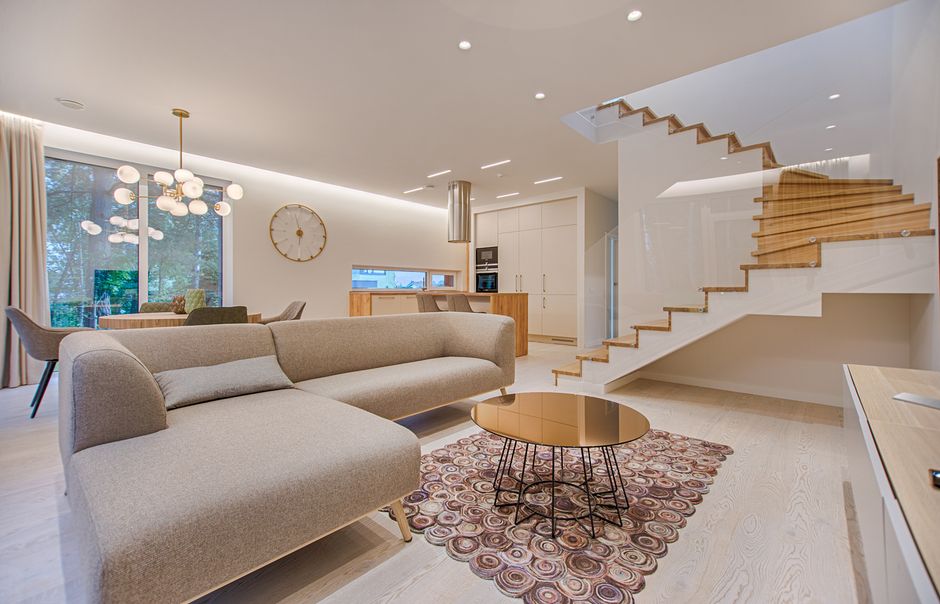
What a typical turnaround looks like
The two patterns below are composite illustrations drawn from common patterns we see across Singapore staging studios - not single named clients. They show how organic usually fills a diary when the fundamentals are in place.
A small styling studio with strong Instagram reach and almost no non-brand organic often sees enquiries arrive in unpredictable bursts after posts, then go quiet. The turnaround rebuilds around three indexable offers: vacant HDB staging, condo refresh for sale, and an agent partner page with process and SLA language. Each page uses two local project blocks, a WhatsApp deep link pre-filled with property type, and a short FAQ on access, inventory, and typical fees in SGD ranges rather than a single fake average.
Publishing daily is unnecessary. One useful article every fortnight for four months - staging a north-facing HDB living room for evening viewings, what to remove before photographer day, how condo staging differs when furniture stays - is enough cadence for a low-competition niche. Within roughly two to three months, non-brand organic enquiries typically move from a trickle to a steady share of the diary. The mechanism is simple. Agents searching under time pressure land on pages that already answer unit type, speed, and proof. The studio stops relying on whoever happened to see the latest Reel.
Steps worth repeating:
-
Refresh Google Business Profile photos with dated project shots and service-area clarity.
-
Add one new project block per month to the highest-intent service page, not only the homepage grid.
-
Tag each booked job with first-touch page so weak URLs get rewritten or merged.
-
Reply to every organic WhatsApp inside an hour during listing season evenings, when agents actually shortlist.
A second common pattern is the firm focused on condo stock in one corridor - Punggol and the wider North-East, for example - whose old site ranks for design terms that attract renovation tyre-kickers. Cutting those pages from the main nav, redirecting thin posts, and writing a tight cluster around “condo staging for resale” and “show-ready styling without full renovation” cools off the wrong traffic. A short agent checklist PDF gated lightly behind an email, followed by a human WhatsApp check-in rather than a drip sequence, keeps qualified interest warm.
Organic sessions do not double overnight. Qualified walkthrough requests rise because the right pages finally match the job. One concrete change matters most in this pattern: put “vacant vs occupied” as the first choice on the contact path. Occupied jobs get a different packing list and timeline; agents stop bouncing when they fear a one-size pitch. That single clarification typically lifts enquiry-to-site-visit rate more than another round of stock photography.
Neither pattern requires a full-time writer. Work from real jobs, short outlines, and a managed cadence. When volume needs to stay consistent across seasons, a capability like HeyLead Auto Blogger can keep region- and niche-aware articles shipping under human strategy so the site does not go dark between big projects.
What we see working with staging clients
From HeyLead’s work with Singapore staging and styling firms, the pattern is consistent: ranking for head terms like home staging Singapore still attracts tyre-kickers until a vacant HDB or condo page carries agent-relevant proof above the fold and a WhatsApp button that asks for photo date first. Briefs start landing when the page answers unit type, turnaround, and process before the agent has to ask.
We also see studios that treated Instagram as the whole marketing plan for years. Organic search often brings fewer messages at first, but those enquiries already understand the condo or HDB package shape and ask for a walkthrough slot instead of a mood board - which is why conversion-rate work on the landing page matters as much as the ranking itself.

Action checklist
Action checklist for home staging and styling firms in Singapore
Use this as a working checklist for home staging and styling firms in Singapore - specific steps you can run this week, not theory.
- Map the last 90 days of Search Console queries for home staging and styling firms in Singapore into intent clusters that match how buyers actually book (high-intent service terms vs pure DIY research).
- Pick one money page that should own the primary commercial query in your Singapore market. Demote or 301 any blog that outranks it for that term.
- Rewrite that page with a single primary CTA, proof above the fold, financing or pricing clarity where relevant, and a short form (name, phone, need, preferred time).
- Align Google Business Profile categories, services, hours, and real photos with the same money services (every location if multi-site).
- Add internal links from the top 5 support URLs into the money page with descriptive anchors.
- Track calls and forms by landing page for two weeks before you fund more content volume.
- Only then brief one support article that answers a pre-purchase question and links back to the money page.
Free tools - try these yourself
If the checklist shows a leak you cannot close in-house this month, request a free marketing audit - we will prioritize SEO, ads, and landing pages around the same outcome metrics above.
Frequently asked questions
How long before SEO produces booked staging jobs in Singapore?
GBP optimisation plus existing domain authority can surface local pack impressions within 4-6 weeks. Non-brand transactional page rankings in a low-competition niche like Singapore home staging - where primary terms sit in a modest monthly search range - realistically yield enquiries in 8-14 weeks with consistent publishing and internal links. What accelerates it: existing backlinks from property portals, agent directories, or press, plus strong project photography and a clean GBP already in place. Brand-new domains without those assets should plan toward the longer end and run paid alongside organic while the pages mature.
Should we prioritise HDB, condo, or landed content first?
Lead with the property types that already pay your bills and that you can prove with recent photos. For many Singapore studios that is HDB resale and mass-market condo. Landed pages help when you have real installs; thin landed galleries without proof waste crawl attention. Expand clusters after the primary pages convert.
Is Google Business Profile enough without a big website?
GBP is mandatory for local discovery, but agents still open a site to check process, packages, and portfolio depth before they recommend you to a vendor. Use GBP for proximity, reviews, and photos; use the site for intent pages and conversion. Neglecting either side leaves a gap competitors will fill.
Where do reviews matter most for staging SEO?
On Google first, then on the exact service pages agents land on. Reviews that mention turnaround, property type, and professionalism help both rankings and conversion. Ask after a smooth install while the agent still remembers the photo-day scramble you saved them from.
Can we rely on AI-written content to keep publishing?
Draft assistance is fine. Unedited generic posts are not. Staging buyers spot empty advice quickly, and thin pages struggle when search rewards information gain. Keep a human operator editing every piece with local detail, real constraints, and clear next steps into WhatsApp or a call.
Putting it to work
Execution sprint
This week
- Pull 30-90 days of performance for home staging and styling firms in Singapore (Search Console, ads, CRM, or call logs - whatever you have).
- Flag the top leak: wrong intent, weak page, slow response, or dirty conversion tracking.
- Ship one fix on the highest-traffic money path (page, campaign split, or response rule).
- Run the free tools below on that same URL or account and log the findings.
Free tools for this sprint
Next 30 days
- Expand the fix to the next one or two money paths only after the first one shows cleaner bookings.
- Align creative, keywords, or content with the same offer the page now states.
- Review booked outcomes weekly; cut anything that still only produces unqualified volume.
Next 30 days
- Expand the fix to the next one or two money paths only after the first one shows cleaner bookings.
- Align creative, keywords, or content with the same offer the page now states.
- Review booked outcomes weekly; cut anything that still only produces unqualified volume.
Next 30 days
- Expand the fix to the next one or two money paths only after the first one shows cleaner bookings.
- Align creative, keywords, or content with the same offer the page now states.
- Review booked outcomes weekly; cut anything that still only produces unqualified volume.
Free marketing audit, or reach Martin directly:
Get a free audit Chat with us on WhatsApp · [email protected]