
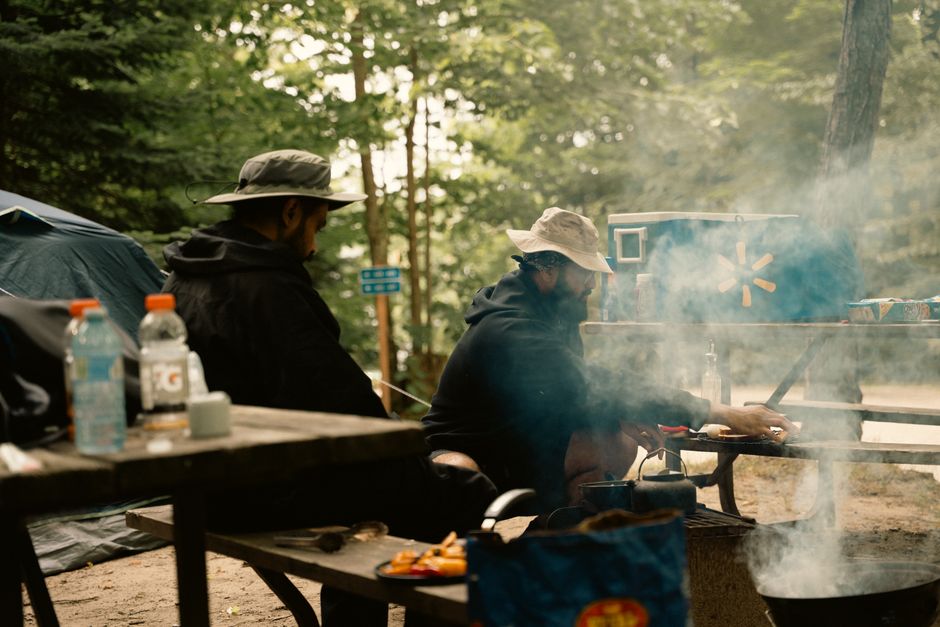
A dry forecast for Saturday shows up on someone’s phone on a Wednesday night, and by Thursday lunchtime they’re searching for a campsite with BBQ pits, space for two tents, and parking that isn’t a twenty-minute trek with a cooler box. That’s the whole buying moment. It lasts maybe 48 hours, and it’s gone the second the weather app flips back to rain clouds.
Most campsite and glamping operators in Singapore plan their marketing like it’s a year-round, evenly spread business. It isn’t. A scout troop might book a group camp three months out, but the family of four, the birthday group, the office team-bonding organiser, they’re deciding this week, often this afternoon, off the back of a weather notification and whatever shows up first when they type “campsite Singapore this weekend” into their phone. If your listing isn’t the one they see, no amount of ad spend fixes it after the fact, because by Monday the window’s closed and they’ve already paid someone else’s deposit.
Here’s the part that catches most owners off guard: the fix isn’t chasing the top spot for “camping Singapore” forever. It’s building your Google Business Profile, your pages, and your enquiry handling so they’re already sitting there, correctly set up, every single time that 48-hour window opens, whether that’s in dry-season February or a rare clear patch in the middle of the monsoon. Get that structure right once and it keeps catching bookings without you lifting a finger each time the forecast changes.
Why “camping Singapore” isn’t the search that fills your pitches
Type “camping Singapore” into Google and you’ll mostly see NParks permit pages, travel blogs ranking a list of “10 best campsites,” and a handful of chalet operators who happen to also allow tents. None of that traffic is close to booking. It’s research traffic, often from people planning for next year or just daydreaming on a boring Tuesday. If that’s the keyword you’ve built your whole SEO plan around, you’re fighting for attention from people who were never going to pay a deposit this week anyway.
The searches that actually convert look narrower and more specific: “glamping Singapore for birthday,” “campsite with BBQ pit near MRT,” “scout group camping package Singapore,” “corporate team bonding campsite,” “pet-friendly camping Singapore.” Each of those tells you something concrete about who’s searching and why. A birthday group wants photos, decor options, and a minimum headcount. A corporate organiser wants a quote template and a facilities list they can forward to finance. A scout leader wants pricing per pax and whether you issue the paperwork their unit needs. One generic “About Us” page can’t answer all of that, and Google increasingly won’t rank a page that tries to.
There’s a second layer most operators miss entirely: Singapore’s weather calendar splits your whole year into two very different selling seasons. From roughly February through September, dry spells are common enough that a good three-day forecast triggers genuine search spikes, people booking for that coming weekend. From November through January, the Northeast monsoon brings sustained heavy rain, and outdoor camping searches genuinely drop off, not because people stopped wanting to camp but because nobody’s pitching a tent in a thunderstorm. If your content calendar treats every month the same, you’re writing “book your weekend camp” posts in December when the better play is pushing sheltered glamping units, indoor-adjacent facilities, or corporate off-peak packages that don’t depend on clear skies.
The step-by-step setup that gets a Singapore campsite found and booked
None of this requires a big team or a six-month project. It requires getting a handful of things genuinely right, in the right order, and then keeping them current as the seasons turn. Here’s the sequence we’d run for a campsite or glamping operator starting from scratch.
How-to
- 1Claim or fix your Google Business Profile and set the category to "Campground" (or "Campsite" where that option exists), not "Park," "Tourist attraction," or "Event venue." Wrong categories are one of the most common reasons a correctly-named campsite never shows up in the local pack for camping searches.
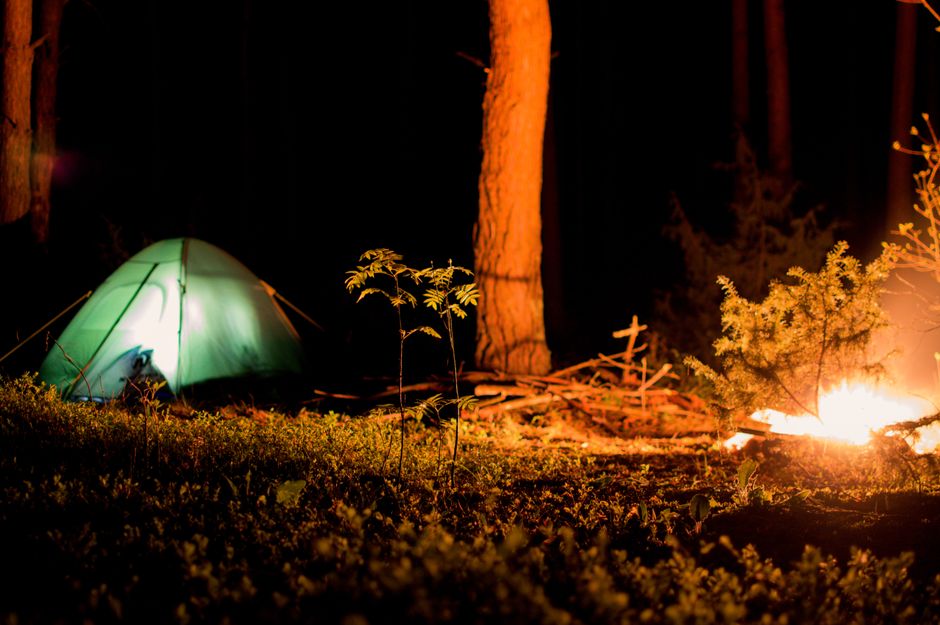
- 2Upload at least fifteen real photos: pitches from ground level, the BBQ pit area in use, the shower and toilet block, the car park, and at least two or three night shots. People searching after work at 9pm want to see what the site looks like after dark, because that's often when their trip will start or end.
- 3Audit your name, address, and phone number everywhere you appear: your website, Google Business Profile, Klook or Trip.com listings if you're on them, NParks partner pages, and any old directory listings. A phone number that changed two years ago but still sits on a travel blog will quietly split your map ranking.
- 4Build a separate landing page for each real occasion you host: scout and uniform group camps, corporate team-bonding days, birthday or celebration glamping packages, school holiday family camps. Each page needs its own pricing structure, minimum headcount, BBQ pit count, and a direct booking call-to-action, not a link back to a generic contact page.
- 5Map your content and keyword targets to the two selling seasons. From February to September, write toward last-minute, weather-triggered searches ("campsite this weekend," "available this Saturday"). From November to January, shift the same pages toward sheltered glamping, indoor-adjacent amenities, and corporate off-peak deals that don't depend on dry weather.
- 6Add a short, genuinely useful page or section answering the weather question directly, something like "what the forecast means for your weekend at [your site]." It sounds small, but it's exactly the content a hesitant booker is searching for 36 hours before they commit.
- 7Mark up your occasion pages with FAQ and LodgingBusiness or Event schema so pricing, amenities, and ratings have a chance to surface directly in the search result, not buried three clicks deep on your site.
- 8Run your key pages through a Core Web Vitals check. Campsite pages are usually photo-heavy, and a slow, image-bloated page falling apart on someone's 4G connection in a car park is a quiet but real reason bookings never get finished.
- 9Put a click-to-chat WhatsApp button on every occasion page, pre-filled with the date range and group size if you can manage it. For groups and families in Singapore, WhatsApp is the real booking channel, not a contact form nobody checks until Monday.
Once that’s live, the maintenance work is mostly about keeping the occasion pages current with real pricing and availability, and refreshing the weather-tied content as the seasons shift, not rebuilding the whole site every quarter.
DIY tools for this section
If you’d rather have someone run this build and keep it current through both seasons, that’s the kind of ongoing work our SEO services team handles for operators who don’t want to touch their listing every time the forecast changes.
Get a free marketing audit. We review your search, ads, and landing pages and send back what to fix first.
Get a free audit
Where these setups quietly fall apart
The first failure we see constantly: duplicate Google Business Profiles. It happens when an old staff member set one up years ago, a directory auto-created another from a phone book listing, and now Google can’t decide which one is real. Reviews and photos split across two or three listings, and neither one looks strong enough to rank. If you’ve never searched your own site name on Google Maps and counted how many pins come up, do that today.
The second is the WhatsApp link that goes nowhere useful. Plenty of operators add a click-to-chat button, point it at a personal number, and then that person stops checking messages after 6pm or goes on leave without anyone covering it. The booker who messaged at 8pm on a Thursday, right in their decision window, gets silence until Monday, and by then they’ve booked somewhere else. The button only works if someone’s actually watching it during the hours people are deciding.
Third, and this one’s purely a search problem: writing one broad “about our campsite” page and hoping it ranks for scout groups, corporate bookings, and birthday parties all at once. Google rewards specificity. A page that clearly answers “how much for a 20-pax scout camp with two nights and use of the hall” will beat a vague overview page almost every time, even if the vague page has more backlinks.
Fourth, image-heavy pages that load slowly. Campsite marketing leans hard on photos, understandably, people want to see the pitches before they commit. But an uncompressed gallery that takes eight seconds to load on a shaky 4G connection loses bookers before they even see your BBQ pit count. Fifth, and this one’s easy to miss: no tracking that tells you which page, which listing, or which weather pattern actually produced an enquiry. Without it, you’re guessing whether your dry-season push or your monsoon glamping push is the one actually paying for itself.
This last point is where a lot of operators underestimate the ongoing work. Knowing which page converts and which one just gets traffic requires watching real on-site behaviour, not just pageview counts. Tools like HeyLead Insights show where someone scrolls past your pricing table without clicking through, or abandons the enquiry form halfway, which tells you exactly where a page is leaking bookings rather than just guessing at it.
What campsite managers hear before a booking confirms
“We used to think people planned camping trips weeks ahead. Then I started actually asking callers when they decided, and it was almost always the same day the forecast changed. Our whole content plan was built for the wrong customer.”
Owner, private campsite and glamping operator
FAQ
How long does SEO take to produce actual campsite bookings in Singapore? Expect the Google Business Profile fixes and occasion pages to start showing movement within four to eight weeks, since local and map-pack results tend to respond faster than general organic rankings. Full content and authority gains across both selling seasons usually take a few months to settle, because you need to see how the pages perform through at least one dry stretch and one monsoon stretch to know what’s working.
Should I target “camping Singapore” at all, or only the specific terms? Keep one or two pages aimed at the broad term for brand visibility, but put your real content budget into the occasion-specific and weather-triggered searches. That’s where the actual bookers are, and that’s the traffic that converts into a deposit, not just a page view.
Does my Google Business Profile matter more than my website for a campground? For the last-minute, weather-triggered searches, yes, it’s often the first and only thing a booker sees before messaging you. Your website still matters for the occasion pages, pricing detail, and anything that needs to rank for scout groups or corporate bookings, where the decision takes a bit longer.
What should I do with SEO during the monsoon months when camping searches drop? Don’t pause the work, redirect it. Push your sheltered glamping units, indoor-adjacent amenities, and off-peak corporate packages, and use the quieter period to fix technical issues, rebuild slow pages, and get your schema and NAP consistency sorted before the dry season traffic picks back up.
Do scout groups, corporate bookers, and birthday parties really need separate pages? Yes. Each one searches differently, decides on a different timeline, and needs different proof (headcount pricing for scouts, a quote they can forward to finance for corporate, decor and photo options for birthdays). One generic page can’t rank well for all three, and it reads as vague to every one of them.
Putting it to work
Start this week by pulling your Google Business Profile insights for the last 90 days and lining them up against the weather: which weekends had clear forecasts, and did your enquiries actually spike then? While you’re in there, check your listing category is genuinely set to “Campground” and not something generic that’s been quietly limiting your visibility. That one check takes about twenty minutes and tells you more about where your bookings are actually coming from than most monthly reports ever will.
Catching that narrow, weather-driven booking window every single time it opens, and making sure the WhatsApp reply happens before the family or the group organiser moves on to the next search result, is exactly the kind of ongoing work HeyLead runs for operators who’d rather be running the campsite than refreshing their listing every time the forecast changes. Chat with us on WhatsApp.
Free marketing audit, or reach Martin directly:
Get a free audit Connect on WhatsApp · [email protected]