
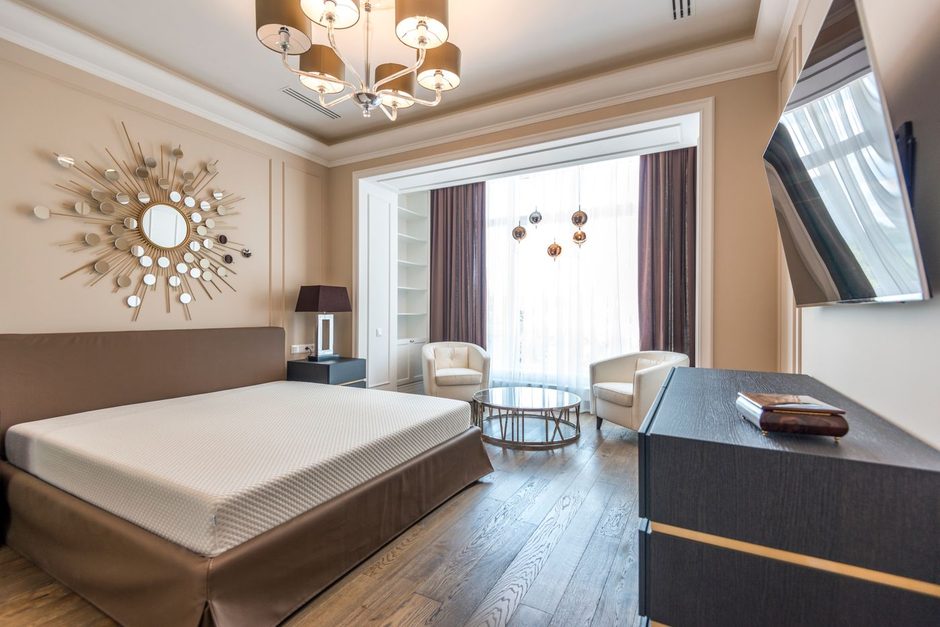
A guest comparing Orchard and Marina Bay properties at 11:20 p.m. is not browsing for inspiration. They are checking room photos against a conference start time, GST-inclusive totals, and whether WhatsApp still answers after the front desk soft-closes. That is the real market here: late, mobile, and ruthless about proof.
If you own marketing for a boutique hotel, serviced apartment block, or small group property here, you already feel how thin the gap is between “visible on Google” and “direct booking that clears OTA commission.” This piece is not another generic SEO sermon. It is a set of directional benchmarks and ranges you can use to judge whether your organic engine is healthy, expensive, or quietly leaking nights.
How Singapore hotel search actually behaves after the flight lands
Most high-intent demand in Singapore clusters around a few jobs to be done. Business travellers need a quiet room near a MRT line and a reliable late check-in path. Couples want a specific vibe plus clear cancellation language. Families weigh pool access, connecting rooms, and whether breakfast is priced in SGD without surprise add-ons. Short-stay guests hunting “hotel near Tampines MRT” or “boutique hotel Chinatown Singapore” rarely want a brand story first. They want distance, photos that match reality, and a booking path that does not bounce them into a third-party rate wall.
Organic search still fills a meaningful share of direct room nights when entity signals are clean: consistent NAP across your site and Google Business Profile, neighbourhood language guests actually type, and review velocity that does not stall for weeks. Paid can buy speed, but SEO compounds when you own the query clusters that return every week: location-plus-amenity, event-driven stays, and “near [landmark]” modifiers that OTA pages cannot personalise as well as you can.
Where teams misread the market is treating session growth as success. A good week for a 40- to 120-room property is not “traffic up 18%.” It is direct booking requests and completed stays that beat the blended cost of OTA nights, with response times short enough that the guest does not default to Booking.com. Directionally, many Singapore independent hotels see mobile driving the majority of organic hotel queries, yet desktop still converts more cleanly when the mobile booking form is heavy. If your analytics show organic sessions rising while direct booking rate is flat, the problem is almost never “more blog posts.” It is intent mismatch or post-click friction.
Local pack presence matters more than a long-tail article about “top things to do” when the stay is within 72 hours. Map pack clicks behave like high-temperature demand: guests tap call, WhatsApp, or directions. Your SEO programme has to treat GBP, reviews, and the primary location landing page as first-class inventory, not an afterthought under the brand homepage.
When rankings rise but direct nights stay flat
The failure mode we see most often is vanity rank without booking economics. A property climbs for broad terms like “hotels Singapore” or soft lifestyle content, then wonders why front office still depends on OTAs for weekday fill. Those broad terms are crowded, OTA-dominated, and often attract browsers who never intended to book direct. Meanwhile, the money queries (specific neighbourhood, “with parking,” “near Expo,” “pet friendly,” “late check-in”) sit on thin pages with stock photos and a generic enquiry form.
Another leak is slow human response on WhatsApp and web forms. Organic can deliver a qualified guest at a lower media cost than paid, then the property loses them because the reply lands 40 minutes later with a rate that is harder to parse than the OTA card they still have open. Directional ops range many hotels can use as a self-check: aim to acknowledge high-intent enquiries within 5-15 minutes during staffed hours, and under 30 minutes off-peak if you claim 24/7 support. Stretch beyond that and conversion quality drops even when SEO “won.”
Tracking gaps finish the mess. If Google Analytics counts thank-you page hits but you never reconcile against PMS direct bookings, you will celebrate form fills that were rate checks, school group spam, or incomplete stays. Marketing leaders then cut SEO because “it does not book,” when the real issue is that SEO was scored on the wrong outcome. Clean event design (booking start, booking complete, WhatsApp click, call click) plus a weekly match to actual room nights is non-negotiable if you want honest ranges for CPL-to-booked-stay, not just cost per form.
Page experience still filters demand. Hotel sites with heavy photo galleries are among the most frequent Core Web Vitals failures - treat INP and load stability as commercial metrics, not engineering trivia. A guest on mobile data near Changi will abandon a 6-second gallery long before they admire your brand film.
If you want a specialist lens on how SEO programmes should be scored against direct stays rather than raw rankings, that is the frame that keeps budgets honest.
Get a free marketing audit - we review your search, ads, and landing pages and send back what to fix first.
Get a free audit
Benchmarks that matter for hotel SEO in Singapore
Use ranges as gauges, not promises. Every property’s ADR, commission exposure, and mix of corporate versus leisure will move the numbers. Still, directional bands help you spot when something is off.
Local pack and GBP. For neighbourhood and “near [place]” queries, properties with complete profiles, fresh photos, and steady review flow tend to capture a disproportionate share of same-week intent. If you are invisible in the pack for your true catchment (Central corridor, East Coast access, near Woodlands checkpoint traffic for certain stays) while a weaker product outranks you, fix categories, services, posts, and review reply quality before commissioning another city guide article.
Organic CTR and zero-click pressure. AI Overviews and richer SERP blocks mean more searches end without a click. Visibility can rise while CTR softens. Track impression share and branded versus non-branded splits in Search Console, not only sessions. When non-brand impressions climb but CTR sits well below your historic brand CTR, rewrite titles and snippets around stay outcomes (distance, inclusions, GST-clear pricing cues) instead of clever headlines.
Content and AI reality. A large share of top-ranking pages now include AI-assisted copy. That does not mean “publish generic Singapore travel fluff at scale.” It means thin AI pages without on-property detail lose to pages with real photos, real room dimensions, real neighbourhood walking times, and honest trade-offs (construction noise windows, limited aircon in heritage wings, lift access). Information gain beats volume. One sharp page on “conference stay near Marina Bay with late dinner options” can outperform ten interchangeable listicles.
Conversion after the click. Healthy hotel landing experiences often see enquiry or booking-start rates in the low-to-mid single digits on cold non-brand traffic, with branded and high-intent location pages doing better. If you sit under roughly 1% on pages that rank for explicit booking language, look at form length, missing rate clarity, weak social proof, or mobile layout before you buy more content. For many independents, moving a key location page from about 1.4% to roughly 3.8% booking starts after proof and friction fixes is more valuable than ranking for three vanity head terms.
Publishing cadence. Sustainable local SEO for hotels Singapore is less “daily blog” and more “steady entity coverage”: room types, stay occasions, nearby demand drivers, FAQ blocks guests actually ask WhatsApp about. A realistic in-house load without a newsroom is often 2-4 high-quality pages or substantial updates per month, plus ongoing GBP and review ops. If you need multi-location or multi-theme coverage without hiring a full content team, HeyLead’s Auto Blogger can support region- and niche-aware publishing under human strategy so cadence does not collapse every peak season.
Core Web Vitals and on-page behaviour sit beside rankings. When heatmaps show rage taps on date pickers or early exits at the rate table, you are not looking at an SEO problem alone. Pair Search Console with behaviour tools such as HeyLead Insights so you see where proof, forms, and CTAs leak intent after organic traffic arrives.
A Central boutique and an East Coast property fix different numbers
Scenario one: a 52-room boutique near the Central business belt ranked well for brand and a few soft lifestyle terms, yet weekday direct mix stalled. The mechanism was simple. Their primary “business hotel near [MRT]” page led with brand manifesto copy, buried late check-in policy below the fold, and used a six-field form before showing any indicative rate band. Organic users bounced to OTAs that answered those questions in one screen.
What changed:
-
Rewrote the hero around distance, check-in window, and desk workspace photos shot in real rooms.
-
Moved review snippets with dates and stay purpose above the fold.
-
Cut the form to date range, guests, and WhatsApp-preferred contact, with PayNow or card notes only after availability.
-
Aligned GBP categories and weekly photo posts to actual inventory, not stock skyline shots.
Within roughly 11 weeks, non-brand organic booking starts on that URL moved from 1.6% to 4.1%. Rankings barely moved. The page finally matched the query.
Scenario two: a family-leaning property serving East and North-East leisure stays poured effort into long guides about island attractions. Sessions looked healthy. Direct family packages did not. Search Console showed impressions on “hotel near Punggol” and similar phrases, but the ranking URL was a generic homepage with no family room proof.
What changed:
-
Built a dedicated landing page for family rooms with bed configurations, pool hours, and cot policy in plain Singapore English.
-
Added internal links from attraction pages only where the stay decision was explicit, not every paragraph.
-
Started a review reply cadence that mentioned family amenities when guests did, feeding both trust and keyword-adjacent language naturally.
-
Instrumented WhatsApp clicks as a primary conversion for mobile organic users who refuse long forms.
Over 14 weeks, organic-assisted direct family bookings rose approximately 28% without a meaningful traffic increase. Intent pages did the commercial work. For operators who want channel work tied to room-night economics rather than vanity charts, a focused Hotels marketing programme keeps SEO, creative proof, and conversion in one loop.
Patterns we see in audits
The short quotes below are illustrative composites drawn from patterns in account reviews. They are not quotes from named clients.
“We were celebrating page-one for a soft head term while WhatsApp replies sat past 35 minutes. Direct nights only moved when we ranked the late check-in page and staffed replies like a revenue task.” - Head of Marketing, boutique hotel group, Singapore
“Our organic sessions looked fine in GA4, but PMS direct was flat until we stopped counting incomplete rate checks as wins and fixed the mobile date picker drop-off Insights highlighted.” - Founder, independent hotel, East Singapore
FAQ
What is a realistic timeline before hotel SEO moves direct bookings in Singapore?
Meaningful movement on competitive local and non-brand queries often takes 3-6 months of consistent technical, on-page, and review work. Faster “guarantees” usually chase easy brand terms you already partially own. Use interim gauges: Search Console impressions on money queries, pack visibility, and booking-start rate, not overnight rank screenshots.
Should we still invest in SEO if AI Overviews reduce clicks?
Yes, but score the programme differently. Prioritise entity clarity, citation-worthy on-property detail, and pages that win when a click does happen. Brand search strength and map pack presence remain critical for guests who skip long SERPs and go straight to a known property name.
How do we benchmark content volume without a large writing team?
Favour fewer pages with real inventory detail over high volume. Two to four substantial updates monthly, plus GBP hygiene, beats twenty thin AI posts. Automate drafting only when humans still own accuracy, photos, and rate or policy truth.
Which metrics should finance accept from hotel SEO?
Direct room nights and revenue influenced by organic landing pages, OTA commission avoided on those nights, booking-start and completion rates, enquiry response time, and non-brand impression trends. Average position alone is not a finance metric.
Do we need separate landing pages for every neighbourhood query?
Not every variant. Build pages where demand, product fit, and unique proof exist (business stay near a specific hub, family rooms for East Coast leisure, long-stay). Thin doorway pages for every MRT stop dilute authority and confuse guests.
Free tools
DIY free tools for this playbook
Run these on the pages and campaigns this article covers, then fix what they flag before you scale spend or content volume.
Run these on this playbook
If the checklist shows a leak you cannot close in-house, request a free marketing audit.
Putting it to work
Pull the last 90 days of Search Console queries that include neighbourhood, landmark, or stay-type modifiers, join them to landing-page booking-start rate and PMS direct nights, and flag any URL that ranks or impresses while converting under 1% or routing guests to a generic homepage. Fix the worst mismatch first with proof, faster WhatsApp handling, and clearer inclusions before you commission new content.
When you want a partner to own the unglamorous loop of local entity SEO, stay-intent pages, review and GBP operations, and conversion tracking that ties organic demand to real room nights for Singapore hotels, HeyLead can run that programme end to end. Reach out via [email protected].
Free marketing audit, or reach Martin directly:
Get a free audit Chat with us on WhatsApp · [email protected]