

The main contractor’s WhatsApp pings at 7:05 a.m. from a Punggol site: practical completion is tomorrow, the architect wants photo evidence by noon, and three cleaners already quoted “from $X” without walking the floor plan. That is how builders and post-construction clean work actually starts in Singapore. Not a leisurely brochure request. A diary slot, a crew size, and a price that has to hold after GST.
Owners who buy search ads for this niche are not chasing brand awareness. They need the person who typed “builders clean HDB after renovation Singapore” or “post construction clean condo East” to book a site walk or lock a date, preferably on a call or a fast WhatsApp reply, not a slow form that sits until the next office day. Google Ads can deliver that intent. It also burns SGD fast when the account treats every “cleaning” click like a booked job.
This piece walks through how paid search really behaves for builders clean operators here: what buyers type when the handover is real, where spend leaks, and three scenarios with the exact mechanism that broke (and what fixed it).
What Singapore buyers type when the handover is already on the calendar
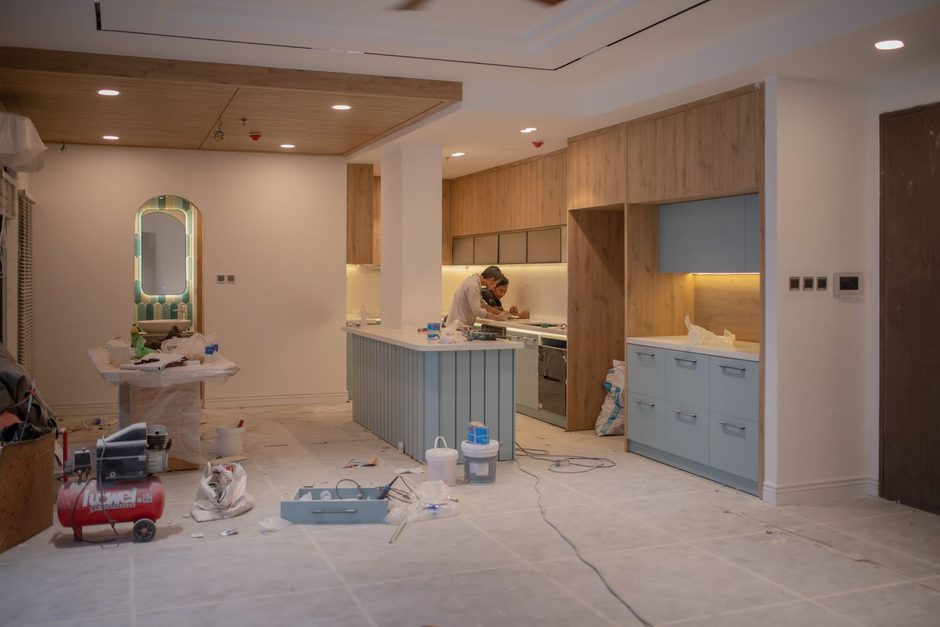
Post-construction clean demand in Singapore is bursty. It clusters around renovation snag lists, new condo keys, HDB resale makeovers, and commercial fit-outs in Central, West, and North-East corridors. The buyer is often a main contractor, project manager, interior firm coordinator, or a homeowner who has lived through weeks of dust and now needs the place photo-ready.
High-intent queries sound operational, not aspirational. Think “builders clean after renovation Singapore”, “post construction cleaning Tampines”, “deep clean after contractors condo”, “site clean before handover”, or “construction dust clean landed home”. People add estate or property type because the job scope changes hard: HDB corridors and common areas differ from a landed kitchen full of plaster, and commercial units bring after-hours access rules.
What does not book vans is soft research traffic. “How to clean paint dust”, “best vacuum for construction dust”, and generic “home cleaning Singapore” inflate impressions and click volume while your cost per booked job drifts up. If your campaigns still sit on broad match without aggressive negatives, you will pay for neighbours, maid agencies, office cleaners, and aircon servicing comparisons that never needed a post-build crew.
Call and WhatsApp enquiry paths matter more than pretty lead counts. Many PMs will not fill a long form on a dusty site. They want a number that rings during site hours, a clear price band or site-visit policy, and proof you have done similar square footage. PayNow deposit language on the landing page reduces tyre-kickers; vague “get a quote” CTAs invite price shoppers who already messaged four other firms.
Track the unit that pays wages: cost per booked site visit or cost per confirmed job, not cost per form. A cheap CPL that never becomes a diary entry is just expensive noise with better reporting cosmetics.
Where Google Ads spend dies before a van is booked
The common failure mode is simple. The ad promises a builders clean. The click lands on a generic homepage full of regular domestic cleans, office contracts, and aircon add-ons. Message match breaks in two seconds. Mobile bounce climbs. Smart bidding gets weak conversion signals and starts chasing the wrong “success” events, often form submits from people who wanted weekly housekeeping.
Negatives get neglected because the account “looks busy”. In accounts we’ve audited, 20-30% of spend routinely leaks into irrelevant queries when negatives and landing alignment lag. In this niche that leak shows up as clicks for spring cleans, move-out cleans without renovation context, and “part time cleaner” labour queries. CPCs in competitive Singapore search are not cheap; every wasted click hurts more when your true north is booked jobs after GST and crew cost.
Response capacity is the quiet killer. Ads run 24/7. Your estimator answers WhatsApp between 9 and 6 on weekdays. Overnight leads from condo owners go cold by morning because another firm replied at 10 p.m. Dayparting is not a nice-to-have. It is matching spend to the hours you can actually pick up the phone or clear WhatsApp within minutes.
Tracking gaps finish the damage. If you only fire a conversion on thank-you page loads, you optimise for forms. If calls are not imported or WhatsApp is off-platform, Google never learns which queries produced real handovers. Automated bidding then looks “efficient” on paper while your ops team complains the diary is empty.
If you want a structured build rather than another homepage dump of traffic, read how we approach SEM / Google Ads for operators who need booked work, not vanity CPL charts.
A search playbook that protects cost per booked job
Start with intent clusters, not one mega campaign. Separate pure builders and post-construction terms from general domestic cleaning. Give renovation and handover language its own ad groups. Mirror property types where volume exists: HDB, condo, landed, commercial fit-out. Exact and phrase match on core commercial terms still matter even as Google pushes broader signal-led delivery. You still need keywords; you also need clean conversion signals so bidding is not flying blind.
Write ads like a site brief. Lead with after-renovation or post-construction language, Singapore coverage or your real service belt (East, West, North), and a concrete next step: free site assessment, same-week slots, or WhatsApp quote with floor plan. Mention dust, paint residue, and handover standards if that is your proof. Skip vague “sparkling homes” copy that could belong to any maid service.
Send every high-intent click to a dedicated landing page. Show before and after photos from local jobs, typical crew size, what is included versus excluded (balcony glass, external façade, rubbish disposal limits), GST clarity, and a single primary CTA. Pair call tracking with a short form or WhatsApp deep link. Use HeyLead Insights session recordings and heatmaps when forms stall: you will often see users hit pricing opacity, buried contact buttons, or proof that never appears above the fold on mobile, then leave.
Build negatives weekly from search terms. Block domestic recurring cleans, carpet-only jobs you do not take, competitor brand tire-kickers if they never convert, job-seeker queries, and DIY how-tos. Review call recordings or WhatsApp transcripts against the same terms so you are not only cleaning the UI report.
Daypart to estimator capacity. If nobody answers after 8 p.m., stop paying peak CPC for silence or route to a monitored WhatsApp with a promised first-reply SLA. Cap budgets on pure research days if your crews are already full; empty diaries need different aggressiveness than a booked fortnight.
For niche positioning and offer clarity across the full funnel, see Builders and Post-Construction Clean marketing. Paid search works hardest when the page, the reply speed, and the job definition match what the query already decided.
Get a free marketing audit - we review your search, ads, and landing pages and send back what to fix first.
Get a free audit
Scenario one: Woodlands fit-out, broad match, and a homepage that sold the wrong clean
A founder running a small post-construction team out of the North had been spending roughly mid four figures SGD per month on Search. Leads looked healthy on the dashboard. Ops said most enquiries wanted weekly condo cleans or “auntie” hourly rates. The mechanism was blunt: one broad campaign mixed “cleaning Singapore” with a few builders terms, and every ad pointed at the homepage hero for general home cleaning.
What changed was not a magic bid strategy. They split a tight builders-clean campaign on phrase and exact themes around post-construction, renovation dust, and handover cleans. Negatives absorbed domestic and job-seeker language within the first fortnight of search term reviews. Ads mentioned site walk and photo handover proof. Traffic went to a single landing page with three local before-after sets, a WhatsApp button, and call-only hours labelled clearly.
They also stopped counting every form as a win. Primary conversion became a tracked call over 90 seconds or a WhatsApp thread that reached a scheduled site visit. Bidding finally had a signal tied to diary reality. Form volume dropped. Booked site walks rose. Cost per booked job became the weekly number the founder actually opened, not CPL.
Practical sequence they ran:
-
Export 30 days of search terms; negative anything without renovation, construction, handover, or builders language.
-
Clone the best converting builders queries into their own campaign with matched ad copy.
-
Replace homepage landing with a builders-clean page; put call and WhatsApp first on mobile.
-
Import calls; demote micro-conversions that never reached a visit.
-
Align ad schedules to the two estimators who answer before 7 p.m.
Scenario two: East-side condo handovers, night clicks, and replies that arrived too late
An operations lead supporting several main contractors around Tampines and the East corridor saw Google Ads produce enquiries after 10 p.m., mostly condo owners receiving keys. Morning replies got “already engaged someone”. CPC was not the villain. Latency was.
They cut overnight bid adjustments to near zero on weeknights, kept a modest Saturday daytime window when an on-call estimator watched WhatsApp, and rewrote the landing CTA to set expectation: “Site assessment slots confirmed within two hours during 8 a.m.-7 p.m.” Extensions highlighted call and chat only in those hours. They added a short mobile form for floor area and vacant access date so daytime staff could prioritise hot jobs without re-asking basics.
Proof on the page shifted to condo corridor and unit cleans with dust on window tracks and AC blower covers, details buyers recognise. Heatmap review showed users ignoring a long package table; they simplified to three scope tiers and a “not sure, send floor plan” path. Night spend fell. Same-day booked assessments rose because the firm stopped buying auctions it could not staff.
The lesson travels: in Singapore builders clean, Google Ads is a response-time product as much as a keyword product. If your diary and reply SLA cannot absorb the click, you are funding someone else’s booking.
Scenario three: Landed property handovers, form-only tracking, and Target CPA chasing the wrong win
A crew covering landed homes and the occasional commercial fit-out in the West had healthy click volume on “builders clean landed” and “post construction clean bungalow” themes. The dashboard showed Target CPA “on track.” Ops disagreed: vans were idle while the CRM filled with short forms that never answered a follow-up call.
The failure mode was tracking and bid strategy stacked together. Only a thank-you page fired as a conversion. Calls from the ad extension and WhatsApp deep links sat outside Google’s learning loop. Smart bidding therefore rewarded cheap form fills-often homeowners still mid-renovation, or queries adjacent to move-out cleans-while the high-intent PM calls that actually booked site walks were invisible. Landing proof was generic; it did not show plaster dust in kitchens, exterior debris limits, or after-hours access notes that landed and shop-house jobs need.
They rebuilt the conversion stack first: import calls above a minimum duration, count a WhatsApp thread only when a site date was agreed, and demote raw form submits to an observation metric. They paused Target CPA until two weeks of cleaner signals accumulated, then restarted on a tighter portfolio aimed at booked visits. Ads and the landing page called out landed and fit-out scope, rubbish disposal caps, and photo handover packs. Search terms picked up residual “part time cleaner” and spring-clean leakage; weekly negatives closed it.
Form count fell. Cost per booked site visit became legible. The diary filled from the same budget band because bidding finally optimised to jobs crews could invoice after GST-not to thank-you page loads.
Practical sequence they ran:
-
Audit every conversion action; keep only events tied to a scheduled visit or qualified call.
-
Import call tracking; tag WhatsApp outcomes manually or via a simple CRM stage until automation is ready.
-
Hold aggressive automated bidding until signal quality is stable; avoid Target CPA on noisy form-only data.
-
Refresh landed/fit-out proof and exclusions on the landing page so message match holds.
-
Continue weekly search-term negatives so domestic and labour queries cannot refill the leak.
What we hear from operators
Operators tell us the same patterns when we review accounts with them. One post-construction founder described celebrating a lower CPL until project managers pointed out that half the forms were weekly house cleans-the fix was split builders campaigns, no more homepage landings, and optimisation only to calls that became site walks. An ops lead on renovation support cleans in the East put it simply: night clicks from new condo keys looked cheap until they counted jobs lost by replying at 9 a.m.; dayparting to WhatsApp cover cut waste faster than another bid tweak. We treat those as paraphrased client feedback from work in this niche, not as independent press quotes.

FAQ
Should builders clean ads use Performance Max or standard Search first?
Start with standard Search on high-intent builders and post-construction themes so you control query shape, negatives, and landing match. Add broader formats only after conversion tracking reflects booked visits or jobs, not raw forms. Unscoped automation on mixed cleaning inventories usually rediscovers cheap domestic traffic.
What is a sensible primary KPI in SGD terms?
Use cost per booked site assessment and cost per confirmed job after your usual close rate. Layer CPL only as a diagnostic. Include GST and crew cost when you judge whether a CPC band is viable. Vanity lead volume hides unprofitable work.
Do I need separate pages for HDB, condo, and landed?
If volume supports it, yes for the top two property types you win. At minimum, one strong builders-clean page with clear sections beats a generic homepage. Match ad copy to the property language in the query whenever you can.
How fast should we reply to paid leads?
Treat paid WhatsApp and calls like live site issues: minutes, not hours, during advertised coverage. In Singapore’s builders clean market, competing firms in the East corridor have moved to automated WhatsApp acknowledgements within 5 minutes, with a human follow-up SLA of 30 minutes during site hours - set that as your floor, not your ceiling. If you cannot staff nights, do not buy nights. Publish the reply window on the page so expectations stay honest.
How often should negatives be reviewed?
Weekly on growing accounts, more often in the first month of a restructure. Builders clean query space collides constantly with domestic cleaning and labour searches. Skipping negatives is how budgets quietly rot.
Free tools
DIY free tools for this playbook
Run these on the pages and campaigns this article covers, then fix what they flag before you scale spend or content volume.
Run these on this playbook
If the checklist shows a leak you cannot close in-house, request a free marketing audit.
Putting it to work
Pull the last 14 days of Google Ads search terms beside your actual WhatsApp and call log, and tag each converting enquiry as builders or post-construction versus general cleaning. Pause or negative the clusters that never earn a site walk, and point remaining builders traffic at one dedicated page with call and WhatsApp first.
When you want that loop owned end to end, from intent clusters and negatives through landing proof, reply-path tracking, and cost per booked job in Singapore, HeyLead can run the Google Ads programme around the handover reality your crews already live. Reach us on Chat with us on WhatsApp.
Free marketing audit, or reach Martin directly:
Get a free audit Chat with us on WhatsApp · [email protected]