
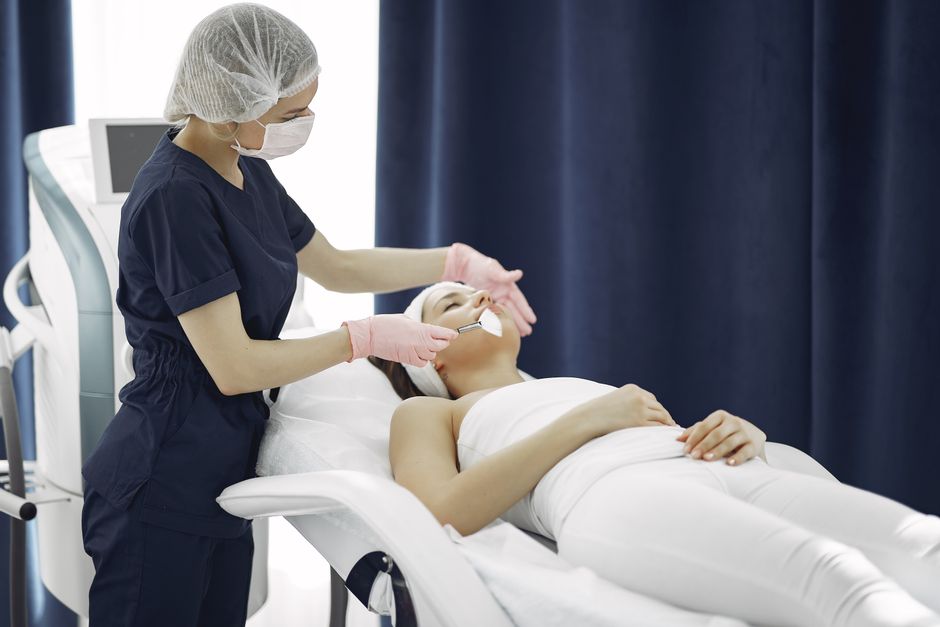
A 34-year-old professional in Tampines screens three clinic sites on her phone after a pigmentation flare. She types “Pico laser price Singapore”, skips two homepages that open with stock spa photos, and WhatsApps the clinic that shows before-and-afters, doctor credentials, and a clear consult fee in SGD. That path is the real market for paid search for Singapore aesthetics clinics: high-intent, mobile-first, and intolerant of vague offers. If your ads win the click and lose the booking, the diary stays thin even when the dashboard looks busy.
Clinic owners and marketing leads in Central, East, and North-East corridors already know demand exists. The harder problem is paid search that produces booked consultations, not form spam and tyre-kickers comparing every laser package on the island.
What Singapore aesthetics searchers actually do before they enquire
Most profitable Google Ads traffic in this niche is not “beauty clinic near me” in the abstract. It is treatment-led and decision-stage. People search for Pico, CO2, HIFU, Ultherapy, Botox, fillers, acne scar revision, melasma treatment, and laser hair removal with qualifiers like price, side effects, downtime, and clinic names they already half-trust. They bounce between Google, Instagram proof, and clinic Google Business reviews in the same sitting. A strong week for a skin clinic is not 80 raw enquiries. It is a full consult diary with patients who show up knowing the treatment category and roughly what they will pay.
Location still matters, but not the way generic local ads assume. A CBD professional will travel to Novena or Orchard for an injector they trust. A parent in Punggol may refuse to cross the island for a basic facial package. Your campaigns have to separate destination treatments from neighbourhood convenience work. Bundle everything into one broad Search campaign and you pay Orchard-level CPCs for enquiries that never book, while underfunding the exact treatment terms that fill your high-margin chairs.
Response channel is part of intent too. Many Singapore patients prefer a WhatsApp enquiry over a long web form, especially after 8pm. If your ad points to a slow page with a six-field form and no chat path, you train high-intent traffic to leave. Paid search does not fail only at the auction. It fails when the post-click path ignores how aesthetics buyers actually choose a clinic.
That is why vanity CPL is dangerous here. A $18 lead that never answers a call or ghosts after asking for the cheapest package is not cheaper than a $45 lead that books a $380 consult. Measure cost per booked consultation, show rate, and treatment conversion. Everything else is noise dressed up as performance.
Where Google Ads budgets leak in aesthetics clinics
The common failure mode is simple: campaigns optimise for enquiry volume while the clinic sells consult capacity. Agencies and in-house teams chase lower CPL by opening match types, stuffing every treatment into one ad group, and sending all clicks to the homepage. Then the front desk spends evenings fielding “how much is laser?” messages with no body area, no skin type, no timeline, and no seriousness. Spend climbs. Booked slots do not.
Irrelevant queries eat budget quietly. Searches for DIY serums, home IPL devices, training courses, job listings, and medical conditions your doctors do not treat still trigger broad or poorly negated keywords. Smart bidding then learns from the wrong conversions if your tag fires on thank-you page loads from tyre-kickers rather than confirmed bookings.
Landing page mismatch finishes the job. An ad promises “acne scar consultation with MOH-registered doctor” and lands on a pretty brand homepage with a carousel of facials, injectables, and wellness packages. The patient cannot find proof for the exact concern. Mobile load is sluggish. The CTA is “Contact us” with no price band, no doctor profile, and no next-available consult framing. You paid for intent and then diluted it.
If your paid search traffic lands soft and you cannot see where patients drop, behaviour evidence beats guesswork. Tools like HeyLead Insights show scroll depth, rage clicks, and form abandon on treatment pages so you fix the leak instead of raising bids on a broken handoff.
Dayparting and response capacity get ignored next. Ads run at full throttle at 1am while your team only answers WhatsApp from 10am. By then the patient has messaged two other clinics. Speed-to-lead in aesthetics is not a nice-to-have. It is the difference between a booked slot and a polite “already went elsewhere”.
When you need a tighter paid search build for this niche, a focused SEM / Google Ads programme should start from booked-consult economics, not from a generic lead form goal.
Scenario: a Novena injectables clinic that bought the wrong “laser” traffic
A founder-led aesthetics clinic near Novena ran Search ads for injectables and skin rejuvenation. Monthly spend sat around SGD 6,800. The Google Ads dashboard showed a healthy CPL near SGD 22. The operations manager was less impressed: consult show-ups were soft, and many enquiries asked about full-body laser hair removal packages the clinic barely offered.
The mechanism was keyword contamination. One ad group mixed “Botox Singapore”, “filler clinic”, “laser face”, and broad variants of “laser treatment”. Broad match on “laser” pulled hair removal, tattoo removal curiosity, and bargain hunters. Ads used generic clinic branding. The landing page was the homepage with equal weight on facials and injectables. Conversion tracking counted every WhatsApp click and form submit as equal success.
The fix was not “spend more”. It was structural:
-
Split campaigns by commercial intent: injectables, energy-based facial treatments, and a tightly capped laser hair removal test only for services they could actually deliver.
-
Rebuild exact and phrase themes around treatment + intent modifiers (price, consult, doctor, before and after), with aggressive negatives for jobs, courses, DIY, and non-served body areas.
-
Write RSA copy that named the doctor-led injectables offer and a transparent consult fee band in SGD, including GST context where the offer required it.
-
Send traffic to a dedicated injectables landing page with credentials, real before-and-afters, contraindications honesty, and a short form plus WhatsApp path.
-
Change the primary conversion to “booked consult confirmed” from the clinic calendar, with form submit as a secondary signal only.
Within one learning cycle the enquiry volume dropped, which panicked nobody who looked at the diary. Booked injectables consults in the following four weeks rose roughly 40% against the prior period while spend fell SGD 900/month on pruned laser terms. Front desk time freed up because messages arrived already framed around fillers or toxin, not “cheapest laser package?”. The useful metric became cost per attended consult, not cost per chat bubble.
For clinics selling doctor-led work, that split is non-negotiable. If the ad cannot name the treatment category cleanly, Google will fill the gap with whoever clicks cheapest.
Get a free marketing audit - we review your search, ads, and landing pages and send back what to fix first.
Get a free audit
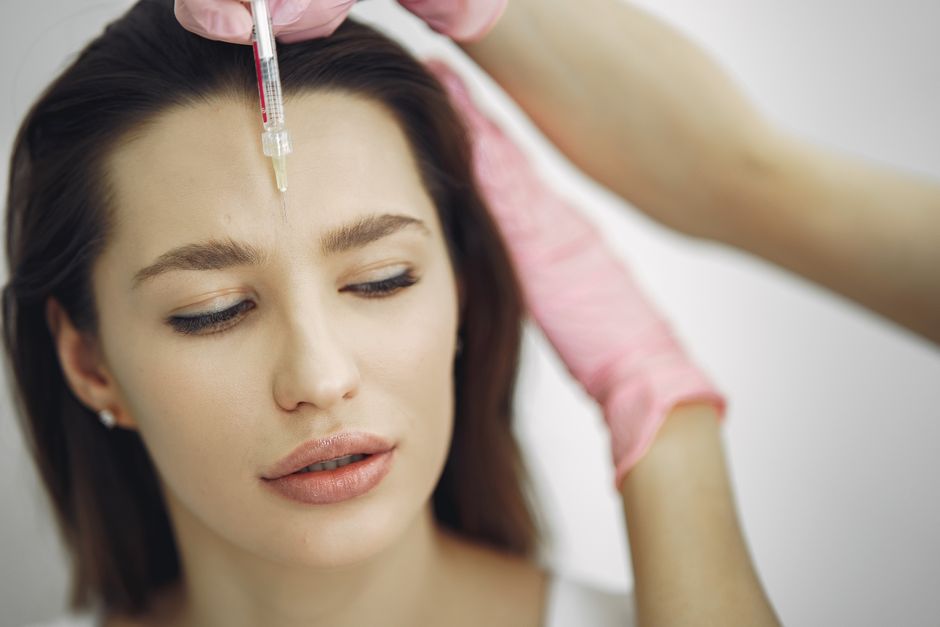
Scenario: an East side skin clinic that fixed lag, not just keywords
A multi-treatment skin clinic serving Tampines and nearby East estates had decent creative and a clean treatment menu: pigmentation, acne, and medi-facial packages. Google Ads brought steady mobile clicks after 7pm, which matched when working adults researched. CPL looked acceptable. Bookings did not. The owner assumed creative fatigue. The real break was operational lag after the click.
Patients submitted Instant-style short forms and WhatsApp enquiries at night. The clinic’s first human reply often landed after 11 hours. By morning, two competitor clinics had already quoted a consult slot. Negative keywords were thin, so student research queries and “home remedy” searches still burned budget during the day. The landing page asked for too much upfront medical history before offering any proof or next step, so mobile abandon sat high even when ads were relevant.
They changed three things in sequence, not all at once:
-
Installed a night triage rule: any paid-search WhatsApp or form received an immediate templated reply with two consult windows next day, doctor credentials link, and a PayNow-friendly deposit option for high-demand slots. A human followed within business hours, but the first touch was under five minutes via on-call rotation.
-
Cut form fields to name, mobile, treatment interest, and preferred time. Medical history moved to pre-consult. Proof blocks (case photos, device names, doctor bio) moved above the fold on mobile.
-
Added daypart bid adjustments tied to response capacity. Bids stayed competitive in evenings only when triage coverage existed. Midday student-heavy junk queries got heavier negatives weekly from search term reviews.
Booked consult rate from paid enquiries moved from a weak single-digit share to a workable mid-teens share of qualified chats. The clinic did not invent a new funnel. They stopped advertising like a 24/7 call centre while staffing like a 10-to-6 retail counter. In Singapore aesthetics, that mismatch is common and expensive.
If post-click proof and form friction are still fuzzy in your own account, pair search term hygiene with on-page behaviour review before you scale budgets. Dedicated Aesthetics and Skin Clinics marketing work lives or dies on that handoff, not on another layer of automated campaign types.
A practical Google Ads playbook clinics can run without vanity metrics
Start with offer architecture. Each major revenue line needs its own intent cluster: injectables, pigmentation or laser facial work, body contouring if you truly sell it, and entry medi-facials only if margin and capacity justify paid acquisition. Do not force Performance Max to “figure it out” while your conversion tag still celebrates every button click. PMax can carry volume later. It will amplify whatever signal you feed it, including bad ones.
Build search term defence as a weekly habit. Pull terms, mark bookable treatment language, and negative the rest. Protect brand terms separately so competitors cannot siphon patients searching your clinic name after seeing your Instagram proof. Use phrase and exact where unit economics are tight; use broader match only when landing pages, negatives, and conversion quality are already clean. Automated bidding is not magic if half your conversions are low-intent chats.
Match ads to pages with boring consistency. Headline promises treatment and outcome. Page opens on the same treatment, shows doctor or device proof, states what happens in the consult, and offers WhatsApp plus a short form. Include price bands or “from” consult fees when your commercial model allows. Singapore patients compare quickly. Silence on price often reads as “expensive and evasive,” not premium.
Align spend to capacity. If your injectors can take twelve new consults a week, buying forty soft leads helps nobody. Use ad schedules, geo emphasis around catchments that historically show up, and pause low-margin packages when chairs are full of higher-ticket work.
Track the funnel the operations team actually runs. Primary outcomes are qualified enquiry, booked consult, attended consult, and treatment started. Call tracking and WhatsApp source tagging matter because so much of this market leaves the website. If you only trust Google’s last click on form submits, you will scale the wrong campaigns and argue with your doctors about “lead quality” using incomplete data.
Paid search is a capacity-filling tool for clinics, not a trophy CPL contest.
Patterns we see in audits
The short quotes below are illustrative composites drawn from patterns in account reviews. They are not quotes from named clients.
Feedback we hear repeatedly from Singapore clinic owners managing paid search: cutting three broad “laser” ad groups after realising half the WhatsApp chats wanted full-body hair removal they do not even push often lifts booked pigment consults even when spend falls about 18%.
Another pattern we hear from East Singapore skin clinic founders: night enquiries were dying until a five-minute WhatsApp triage sat on paid traffic-same keywords, same landing page-and show rate was the metric that finally moved.
Organic visibility, page experience, and query research still shape how well paid clicks convert, so the checks below complement the Google Ads work in this playbook even when the tools themselves lean SEO.
Free tools
DIY free tools for this playbook
Run these on the pages and campaigns this article covers, then fix what they flag before you scale spend or content volume.
Run these on this playbook
If the checklist shows a leak you cannot close in-house, request a free marketing audit.
Frequently asked questions
What should we optimise for first in Google Ads: CPL or booked consults?
Booked and attended consults. CPL is a pacing metric. If front desk capacity and doctor calendars are the constraint, a cheaper unqualified chat is a cost, not a win. Set secondary goals for enquiries, but make budget decisions on diary outcomes and treatment start rate.
Are Performance Max campaigns enough for aesthetics clinics in Singapore?
Not on their own at the start. PMax can scale once conversion tracking reflects real bookings and you have strong creative and landing assets. Most clinics still need tightly themed Search campaigns for high-intent treatment queries and brand defence. Let PMax support, not replace, intent control.
How important are negative keywords for skin and aesthetics accounts?
Critical. Treatment language overlaps with DIY, training, employment, and unrelated medical searches. Without ongoing negatives, you fund research traffic that will never sit in your chair. Review search terms weekly in the first months, then keep a steady cadence as Google introduces new matching behaviour.
Should ads push WhatsApp or website forms?
Offer both, but design for mobile WhatsApp speed if that is how your patients already talk to you. Track each path separately. A form-only funnel that looks neat in analytics can underperform a fast WhatsApp path that your team actually answers. The channel should match response reality, not an agency template.
How fast should we reply to paid enquiries?
Minutes, not next morning, for evening mobile traffic. Aesthetics shoppers message multiple clinics in one sitting. Even a short qualified auto-reply with consult options and proof links protects the click you already paid for while a human takes over.
Putting it to work
Execution sprint
This week
- Pull 30-90 days of performance for aesthetics and skin clinics (Search Console, ads, CRM, or call logs - whatever you have).
- Flag the top leak: wrong intent, weak page, slow response, or dirty conversion tracking.
- Ship one fix on the highest-traffic money path (page, campaign split, or response rule).
- Run the free tools below on that same URL or account and log the findings.
Free tools for this sprint
Next 30 days
- Expand the fix to the next one or two money paths only after the first one shows cleaner bookings.
- Align creative, keywords, or content with the same offer the page now states.
- Review booked outcomes weekly; cut anything that still only produces unqualified volume.
Pull the last 30 days of Google Ads search terms alongside your consult calendar and tag each booked patient with the query theme and reply time that brought them in. You will usually find one contaminated theme, one slow-response window, and one landing page mismatch worth fixing before you touch budget upward.
If you want a partner to own that loop (treatment-themed Search structure, negatives, booking-quality tracking, and landing-page proof aligned to ads) for aesthetics clinics in Singapore, HeyLead can run it as an ongoing programme rather than a one-off account tidy. Reach out via [email protected].
Free marketing audit, or reach Martin directly:
Get a free audit Connect on WhatsApp · [email protected]