
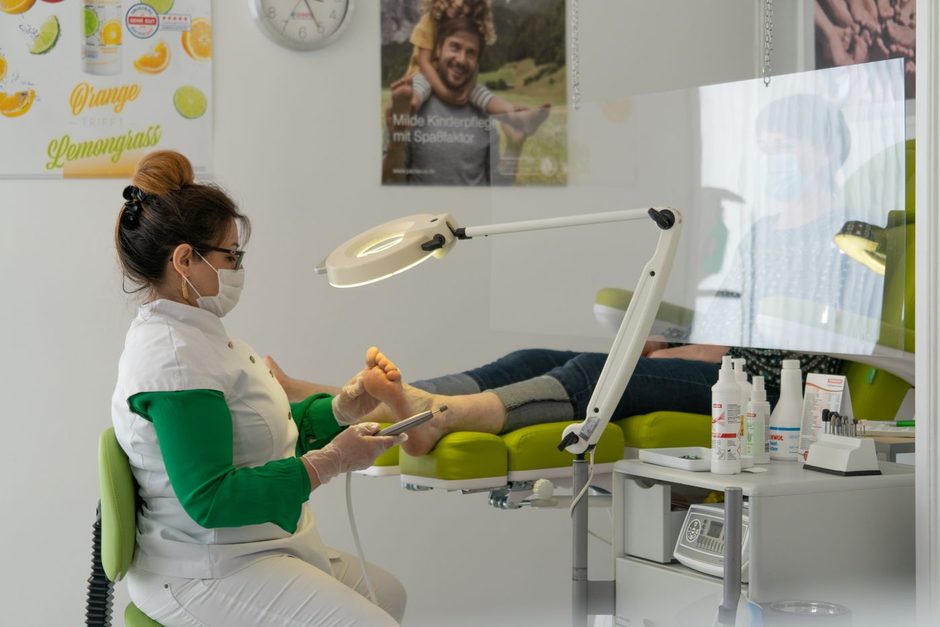
A runner in Bedok Googles “plantar fasciitis treatment near me” at 9:40pm after a half marathon that went wrong. A parent in Punggol types “kids ingrown toenail clinic” on WhatsApp while the school nurse still has the child on hold. A construction supervisor in Woodlands needs diabetic foot care that fits around shift work, not a brochure homepage that loads in five seconds and never mentions HDB parking.
That is the real demand surface for podiatry in Singapore. Organic search is where most of those queries still start, even when AI Overviews steal a chunk of the click. If your clinic’s pages are thin on intent, weak on local entity signals, or slow on mobile, you are paying for someone else’s bookings. This piece is a self-audit checklist for SEO for podiatrists Singapore: score yourself, find the leaks, prioritise fixes, then run a 30-day sprint you can actually finish.
Use it like an operations review, not a theory deck. Tick what is solid. Flag what is broken. Move budget and writing time toward the gaps that produce consults, not vanity rankings.
Where Singapore podiatry clinics lose organic demand they already earned
Most practices do not fail SEO because nobody “did keywords.” They fail because the site is built for a single generic term like “podiatrist Singapore” while patients search by problem, body part, urgency, and neighbourhood. Plantar fasciitis, heel pain, fungal nail, custom orthotics, sports injury, paediatric gait, diabetic foot screening, and post-surgery wound care are different jobs. One homepage cannot rank for all of them with equal honesty.
Local packing and Maps still decide a large share of same-week appointments. If your Google Business Profile categories, services, photos, and review replies look stale next to a clinic two MRT stops away, Maps will push them first. Clinic owners then blame “SEO” when the leak is incomplete NAP consistency across directories, missing service areas (East vs West vs North-East), or zero structured data on the booking page.
Content cadence is the quiet killer. A blog post every quarter about “foot health tips” does not survive a SERP full of problem-specific guides that answer prep, cost ranges in SGD, recovery timelines, and whether a GP referral is needed. With zero-click behaviour rising and AI Overviews on a growing slice of health queries, thin pages get summarised and skipped. You need pages that still earn the click when someone wants a human clinic, not a paragraph of general advice.
Tracking is often worse than the rankings. Forms fire, WhatsApp enquiries do not. Call buttons are not tagged. You cannot tell whether “orthotics Singapore” traffic booked a biomechanical assessment or bounced after reading a 2019 article with no CTA. Without that loop, you keep publishing the wrong topics.
If your organic pipeline already feels fragile, a focused SEO partner can rebuild service architecture and measurement without turning every associate into a part-time content manager. Treat that as optional capacity, not a lecture.
Scorecard: audit your podiatry SEO like a booked-consult system
Work through this scorecard in one sitting with your site open, Search Console open, and your Google Business Profile open. For each item, mark Pass, Partial, or Fail. Fail items that block bookings go first. Partial items that waste associate time go second. Vanity polish goes last.
Audit scorecard
-
Intent map vs real patient language
List the last 30 WhatsApp and phone reasons people booked. Map each to a search phrase cluster: acute pain, chronic conditions, paediatric, sports, diabetic care, nails and skin, orthotics. If your nav only says “Services” with no problem-led URLs, mark Fail. Pass means every high-volume cluster has a dedicated page that mirrors how patients speak in Singapore English, including “near me,” estate names when relevant, and clear next steps.
-
Service pages that sell the consult, not the specialty label
Open your plantar fasciitis, orthotics, and diabetic foot pages. Check for symptoms, what happens in the first visit, typical timelines, who it is not for, and proof (case-style outcomes without inventing medical claims). Fail if the page is three paragraphs and a stock photo. Pass if a sceptical patient can decide to enquire without calling reception first for basics.
-
Local entity and multi-location honesty
Confirm one accurate primary GBP category, secondary categories that match real services, hours that match the door, and service areas you can actually serve. If you operate Central and East clinics, each location needs unique photos, unique reviews, and unique landing content. Duplicate city-wide blurbs across two sites is a Partial at best.
-
Review proof that answers clinical trust
Scan the last 20 public reviews. Do replies name the care path without patient data leakage? Do pages quote themes (sports recovery, paediatric manner, wait times) with permission-safe summaries? Health buyers in Singapore weigh trust signals hard. A star average with empty clinic pages is Incomplete.
-
Technical baseline patients feel on mobile
Fewer than six in ten origins pass all three Core Web Vitals in recent global CrUX data - the share is no better in Singapore's mobile-heavy traffic mix. Podiatry traffic is heavily mobile. Fail if LCP is sluggish on 4G, if the booking widget jumps layout, or if WhatsApp and call CTAs fight each other. Pass if key templates stay stable and the enquiry path is thumb-friendly.
-
On-page hygiene: titles, H1s, metas, indexation
Every money page needs one clear H1, a title that matches the intent cluster, and a meta that states location and action without keyword stuffing. Check indexation for orphan blog posts and parameter URLs. Fail if “podiatrist” is the H1 on six different URLs competing with each other.
-
Schema and FAQ that match clinical reality
LocalBusiness or MedicalBusiness markup, service pages with FAQ only where answers are accurate, and consistent opening hours. Fail if FAQ invents prices you do not charge or promises outcomes you cannot defend. Pass if schema validates and supports the same facts shown on the page.
-
Internal links that push authority to booking URLs
Blogs and condition guides should route to the matching service page and the booking or WhatsApp path within two clicks. Fail if articles dead-end or only link the homepage. Pass if high-intent posts reinforce money pages weekly through natural anchors.
-
Content system you can sustain without a newsroom
List the last 90 days of published pieces. If nothing shipped, Fail. If AI drafts went live with no clinician review, Partial and risky. Pass means a backlog of Singapore-specific briefs (estates, sports seasons, school calendars, workplace standing jobs) with human clinical checks and a cadence you can keep.
-
Conversion and behaviour proof after the click
Know scroll depth on service pages, form field drop-off, and whether patients hit dead ends looking for fees, insurance notes, or first-visit prep. Tools like HeyLead Insights (session behaviour and heatmaps) show where trust collapses. Fail if you only watch ranking charts and never watch the page.
-
Closed-loop lead quality
Tag organic sessions to enquiries and, where privacy-safe, to attended first visits. Separate spam, wrong specialty, and true podiatry demand. Fail if marketing celebrates traffic while the front desk says “wrong calls all week.”
-
AI visibility without abandoning classic SEO
Check whether your clinic is cited or ignored on high-stakes queries. Information-gain content with clear clinician perspective still earns clicks when AI Overviews summarise generic answers and skip pages that say nothing distinctive. Pass is not “more AI.” Pass is distinctive, reviewed, local answers search systems can trust.
Score Fail as 0, Partial as 1, Pass as 2. Under 12 total and you have structural work before more blog volume helps. Between 12 and 18, fix conversion and local proof first. Above 18, lean into publishing velocity and internal linking.
Get a free marketing audit - we review your search, ads, and landing pages and send back what to fix first.
Get a free audit
Playbook fixes: rebuild the organic path from query to WhatsApp
Once the scorecard is honest, stop random posting. In Singapore’s allied health market, local trust - GBP completeness, MOH-aligned service labelling, and estate-specific landing pages - typically moves faster than pure content volume. Fix architecture and local proof before you increase publishing cadence. That sequence keeps associates from writing articles that cannot rank because the URL structure is a mess.
Action checklist
- Build a one-page intent matrix: column A patient job, column B primary URL, column C supporting articles, column D primary CTA (book / WhatsApp / call). Cap money URLs so each cluster owns one canonical page.
- Rewrite the top three revenue services first (often heel pain, nails, orthotics). Lead with the problem, show the visit flow, state who should seek urgent care elsewhere, and put contact options above the fold on mobile.
- Align GBP services and website services word-for-word where possible. Upload recent clinic photos, not stock corridors. Ask for reviews after successful first visits with a simple process front desk can run.
- Fix technical friction: compress hero images, defer non-critical scripts, keep sticky bars from covering the form. Re-test on a mid-range Android on mobile data, not only office Wi-Fi.
- Implement clean titles and unique metas. Run title and H1 checks so you are not cannibalising “podiatrist near me” across five thin pages.
- Add validated schema and a short FAQ block only for questions reception already answers daily (first visit length, what to bring, footwear after orthotics fitting).
- Wire UTMs on every organic campaign link you control, and make sure GTM fires on form submit, click-to-call, and WhatsApp click as separate events.
- Stand up a 30-day content cadence: two deep service improvements and two supporting articles that feed them. Clinician review is non-negotiable on medical claims.
- If writing capacity is the bottleneck, use a managed system such as HeyLead Auto Blogger under human strategy so Singapore podiatry topics ship on a schedule without a full in-house newsroom.
- Watch behaviour weekly: where users rage-click the fee section, abandon multi-step forms, or never reach the CTA. Fix copy and layout before you buy more awareness.
Free tools - try these yourself
Clinics that view podiatry marketing as a single-channel dashboard miss the point. Organic only pays when the page, the proof, and the response path agree. Same-day WhatsApp replies still convert better than a beautiful article with a 48-hour email lag.
Two Singapore scenarios: the leak and the fix
Scenario A: East-side sports clinic ranking for the wrong win. A practice near Tampines sat on page one for “podiatrist Singapore” and celebrated sessions. Front desk data told a different story. Most callers wanted same-week heel pain and custom orthotics; the ranking page was a generic about-us. Organic enquiry-to-attend rate sat near 19% because the wrong intent arrived.
They carved a dedicated plantar fasciitis URL, moved athlete case themes and first-visit prep above the fold, linked every sports blog to that URL, and tagged WhatsApp clicks. Within 11 weeks, organic enquiries for biomechanical assessments rose while generic head-term sessions fell - the mix shifted, not just the volume. The mechanism was simple: match the page to the job, stop harvesting curiosity traffic.
Steps they ran in order:
-
Exported Search Console queries filtered to heel, plantar, orthotic, running.
-
Merged three overlapping blog posts into one guide plus one money page.
-
Added clinic photos of the gait lab (with consent processes) instead of stock runners.
-
Set reception SLA: organic WhatsApp replies inside 15 minutes during open hours.
Scenario B: dual-location clinic with split entity signals. A group with rooms in the Central area and a lighter schedule in the North kept one website location block and one GBP that listed both addresses poorly. Maps trusted neither. Reviews mixed both sites, so parents searching paediatric gait near Woodlands bounced.
They split location pages, unique NAP, unique hours, and unique review guidance. Organic calls from the North catchment stabilised because the entity finally matched reality. No magic backlink campaign. Just local honesty Google could parse.
If you need a second pair of eyes after you score the card, keep it light: tighten the three worst Fail items before you expand publishing.

Patterns we see in audits
The short quotes below are illustrative composites drawn from patterns in account reviews. They are not quotes from named clients.
A pattern we see repeatedly: clinics ranking for a head term like “podiatrist Singapore” still face empty midweek mornings when the landing page is a generic about-us. The fix is usually a problem-led heel-pain or sports page that matches how runners actually message on WhatsApp, not another homepage rewrite.
Another recurring gap: Core Web Vitals can look fine on desktop while on mobile a booking sticky covers the form submit. Behaviour tools and heatmaps often settle that argument in a single afternoon and unlock consults already sitting in the impression data.
FAQs
How long before SEO for podiatrists in Singapore shows booked consults?
Expect meaningful movement on improved service pages in roughly 3-6 months if technical and local basics are clean. Faster spikes usually mean you fixed a conversion leak on pages that already had impressions, not that Google “switched you on” overnight.
Should we prioritise Google Business Profile or the website first?
If Maps is incomplete or wrong, fix GBP this week. Then align website service pages so the click from Maps lands on matching proof. Doing one without the other wastes the visit.
Is AI content enough for medical-adjacent podiatry pages?
No. Drafts can accelerate outlines, but clinician review, local detail, and real visit process copy are what protect trust and reduce thin, interchangeable pages. Systems that ship unreviewed clinical claims create compliance and reputation risk.
Which metrics matter more than rankings?
Qualified enquiries, attended first visits from organic, WhatsApp response time, and conversion rate on money pages. Rankings without those are vanity.
Do we need separate pages for every estate?
Usually no. Build strong service and condition pages, then support with honest location pages for real clinics. Fabricated estate doorway pages rarely help and can dilute quality.
Putting it to work
This week
-
Complete the 12-point scorecard with Pass / Partial / Fail in a shared doc.
-
Export Search Console queries for 28 days; highlight pain and treatment phrases that lack a dedicated URL.
-
Run Core Web Vitals and title/H1 checks on your top five URLs.
-
Verify GBP categories, hours, and photos against the physical clinics.
-
Instrument WhatsApp and call clicks as distinct events if they are missing.
-
Pick one Fail service page and outline the rewrite from patient language, not brochure language.
Next 30 days
-
Ship two rebuilt money pages and two supporting articles that link into them.
-
Close review-request gaps at front desk with a simple post-visit script.
-
Validate schema and fix indexation clutter.
-
Review behaviour recordings on the booking path and remove one friction field or layout issue.
-
Lock a sustainable publishing rhythm, with Auto Blogger-style support only if capacity is the constraint.
Pull your last 60 days of organic enquiries beside the scorecard Fail list and rewrite the single highest-revenue service page that still reads like a generic clinic brochure. If you want the full loop run operationally - architecture, local proof, content cadence, and conversion fixes - HeyLead handles it so your clinicians stay on patient care. Reach us on WhatsApp.
Free marketing audit, or reach Martin directly:
Get a free audit Chat with us on WhatsApp · [email protected]