
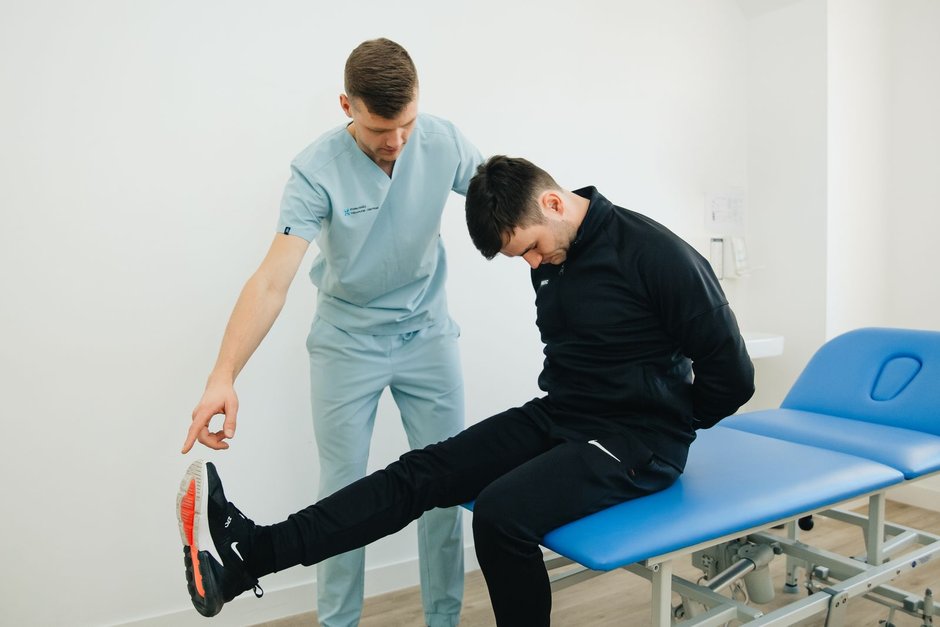
If your physio clinic’s ads sound like a gym’s ads, you have a compliance problem. “Pain-free in days,” “Singapore’s best sports physio” and a row of five-star patient quotes may work for a fitness studio. For a healthcare provider in Singapore, they can put you on the wrong side of the rules that govern how you advertise.
The fix is to change what you advertise, not to stop advertising. Physiotherapy Google Ads in Singapore work well when they are built around the condition a person searched for, such as back pain, a sports injury or rehab after surgery. The copy should state facts about who treats them, how and where. The ad then leads to a landing page that shows qualifications, pricing and an easy way to book.
This post shows you how to set that up. We are a marketing agency, not lawyers. Treat this as a practical guide, and check anything unclear with your professional body or a legal adviser.
The physiotherapy Google Ads Singapore rules in plain words
Singapore expects healthcare advertising to inform, not persuade. Several sets of rules can apply to your clinic. Physiotherapists are registered with the Allied Health Professions Council, and its professional code covers how you present yourself publicly. If your physio service sits inside a licensed medical clinic or hospital, the Ministry of Health’s healthcare advertising rules also apply. The general Singapore Code of Advertising Practice, administered by ASAS, covers all ads.
The details differ between these rules, but the healthcare advertising guidelines in Singapore point the same way:
- Be factual and verifiable. Your services, qualifications, location, hours and fees are fine to state.
- No superlatives or comparisons. “Best,” “top,” “No. 1,” “leading” and “better than other clinics” are the usual problems.
- No testimonials. Patient quotes, endorsements and star ratings used to promote treatment are generally restricted.
- No promises of outcomes. “Guaranteed recovery,” “fix your back for good” and “results in one session” claim something no clinician can promise.
- No fear or pressure. “Don’t let pain ruin your life” or “limited slots, book now before it’s too late” plays on emotion instead of giving information.
Google Ads has its own healthcare policies on top of this. Ads that pass Google’s review can still breach local professional rules, so approval in your account does not mean you are compliant.
Why fitness-style copy gets physio clinics into trouble
A lot of physiotherapy clinic marketing in Singapore is written by people who also write for gyms, pilates studios and supplement brands. Those businesses sell transformation, so their copy leans on before-and-after promises, customer praise and big claims. Paste that style into a physio ad and the problems pile up quickly.
Here are headlines we often see that need rewriting. Every factual alternative below fits within Google’s 30-character headline limit:
| Fitness-style line | Why it is a problem | Factual alternative |
|---|---|---|
| “Singapore’s #1 Sports Physio” | Superlative, unverifiable | “Sports Physiotherapy in Novena” |
| “Back Pain Gone in 3 Sessions” | Promises an outcome | “Back Pain Assessment” |
| “Our Patients Love Us: 5 Stars” | Testimonial-based | “AHPC-Registered Physios” |
| “Get Your Body Back” | Implies a guaranteed result | “Post-Surgery Rehab Programs” |
| “Don’t Suffer Another Day” | Fear-based pressure | “Open Weekdays and Saturdays” |
The factual versions are not weaker. Someone searching for help with a sore knee wants to know three things. Can you treat this? Where are you? Can I get in soon? A plain answer to those questions often beats a slogan.
Build campaigns around conditions, not hype
Your best keywords already describe the problem. People in Singapore search “physio for lower back pain,” “ACL rehab physio,” “frozen shoulder physiotherapy” or simply “sports physio near me.” Each of these signals a specific need, and each deserves an ad that speaks to that need directly.
Group by condition and service
Instead of one campaign with every keyword thrown in, split ad groups by what the patient needs:
- Back and neck pain: lower back pain physio, slipped disc physiotherapy, neck pain treatment
- Sports injuries: sports physio near me, ankle sprain physio, runner’s knee physiotherapy, ACL rehab
- Post-surgery rehab: knee replacement rehab, shoulder surgery physiotherapy, post-op rehab
- Other services you actually offer: women’s health physio, pediatric physio, home visit physiotherapy
When the keyword, ad and landing page all say the same thing, the searcher sees their problem named straight away. You don’t need any hype for that, just a precise match.
Target the areas you can realistically serve
Singapore is compact, but patients still care about travel. Someone in Woodlands may not cross the island for weekly sessions. Use location targeting around your clinic, and set it to people located in or regularly in your target area rather than people merely interested in it. If you have several branches, give each its own campaign or location settings so the ad shows the nearest address.
Add negative keywords early
Physio searches attract people you can’t help. Add negatives for things like “physiotherapy course,” “physiotherapist salary,” “physio jobs,” “physio assistant,” “free physio exercises” and “massage” if you do not offer it. This keeps your budget on patients rather than students and job seekers.
Factual ad copy that still earns the click
Responsive search ads let you write several headlines and descriptions, and Google mixes them. That means every single line has to be compliant on its own, because you never know which ones will show together. Each line also has a length cap: headlines are limited to 30 characters and descriptions to 90, so Google will reject anything longer.
Build your headlines from facts like these:
- The condition or service: “Sports Injury Physiotherapy”
- The location: “Physio Near Tanjong Pagar MRT”
- Who treats you: “AHPC-Registered Physios”
- Access: “Open Saturdays,” “Same-Week Appointments” (only if true)
- What happens: “Assessment and Treatment Plan”
Descriptions give you more room to explain the process, for example: “First visit: full assessment and a treatment plan explained in plain language.” and “Book online, call or WhatsApp us.”
Use assets that add facts, not claims
- Sitelink assets to separate pages for back pain, sports injury, post-surgery rehab and fees.
- Call assets so mobile searchers can ring the clinic during opening hours.
- Location assets, linked from your Google Business Profile, so your address and map show with the ad.
- Structured snippets listing services, such as “Services: Sports Rehab, Post-Op Rehab, Dry Needling, Women’s Health.”
- Price assets if you publish fees, showing initial assessment and follow-up session prices.
Avoid putting review stars or patient quotes anywhere in your ads, even when a tool makes it easy.
Landing pages that show qualifications, pricing and booking
The ad gets the click, but the landing page decides whether someone books. It also has to follow the same advertising rules, so treat it as part of the ad.
A compliant, high-converting physio landing page usually includes:
- A headline matching the search. If the ad was about ACL rehab, the page should open with ACL rehab, not a generic welcome.
- What you treat and how. Describe your assessment and treatment approach in plain terms. Avoid promising specific results.
- Qualifications. Name your physiotherapists, their degrees, AHPC registration and any relevant postgraduate training. This is your credibility, stated as fact.
- Clear fees. Show initial assessment and follow-up prices. Owners often hide prices, but in Singapore patients compare clinics and leave pages that make them guess. If your fees vary, explain what affects them.
- Insurance and payment information. If you work with certain insurers or accept corporate panels, say so factually.
- Easy booking. An online booking form, a click-to-call button and a WhatsApp button. Many Singaporeans prefer to message a clinic on WhatsApp before committing, so make that option obvious on mobile.
- Location and hours. Address, nearest MRT, parking notes and opening times.
Skip the testimonial carousel, the “voted best clinic” badges and any wording that sounds like a promise. If you want help building pages like this, our physiotherapy Google Ads and landing page service is designed around exactly this setup.
Setting it up step by step
Here is the order we would work in if we took over your account tomorrow:
- Audit your current ads. Export every headline and description. Flag any superlative, testimonial, outcome promise or pressure wording, and rewrite or pause it.
- Audit your landing pages the same way. Check the hero text, banners, pop-ups and footers too. Remove patient quotes and “best” claims from pages used for ads.
- List the conditions you really treat. Pick the four to six that bring in the most patients or the patients you most want.
- Build one ad group per condition with tightly matching keywords and a dedicated landing page for each.
- Write factual responsive search ads, making sure every headline stands alone as compliant and stays within 30 characters.
- Add sitelinks, call, location, structured snippet and price assets.
- Set location targeting and negative keywords before you launch.
- Track bookings properly. Count online bookings, calls from ads and WhatsApp clicks as conversions, so Google optimizes for patients rather than page visits. Our guide to conversion tracking setup explains how.
- Set a sensible starting budget. Our free Google Ads budget calculator helps you work out what to spend for the number of new patients you want.
- Review monthly. Check search terms, add negatives and pause ads that bring clicks but no bookings.
Frequently asked questions
Can I quote my Google reviews in my physio ads? We would not. Testimonials are generally restricted in healthcare advertising in Singapore, and quoting patient reviews in an ad or ad landing page is the kind of thing that draws complaints. Let your Google Business Profile hold your reviews, and keep your ads factual.
Is “sports physio near me” a keyword worth bidding on? Yes, if you actually treat sports injuries and have good location targeting. “Near me” searches come from people ready to book, so pair the keyword with location assets and a landing page that shows your address, nearest MRT and booking options.
Can I say “experienced” or “specialist” in my ads? “Experienced” is vague and hard to verify, so state the facts instead, such as the degree, training or areas of practice. Be careful with “specialist.” It can suggest a formal recognition your team may not hold, so check with your professional body before using it.
My clinic is inside a medical center. Do different rules apply? Possibly. If the physio service operates under a licensed medical clinic or hospital, the Ministry of Health’s healthcare advertising rules may apply on top of the AHPC code. Ask the licensee or your compliance contact which rules cover your ads.
Should I show prices if competitors don’t? In most cases, yes. Fees are factual information that the rules allow, and patients comparing clinics on their phones tend to book with the one that answers their questions. If prices vary, show a starting fee and explain what changes it.
Can I run promotions like a discounted first session? Be cautious. Discounts in healthcare ads can come across as inducements, and urgency wording like “limited time only” adds pressure. If you offer a lower first-visit fee, state it plainly as a fee rather than as a deal.
Your next step
This week, export every headline and description from your Google Ads account and highlight any line containing “best,” “guaranteed,” a patient quote or an outcome promise. Rewrite those lines using the factual alternatives above, then check the landing page each ad points to.
If you’d rather have us review your physio ads and landing pages with you, Chat with us on WhatsApp.