
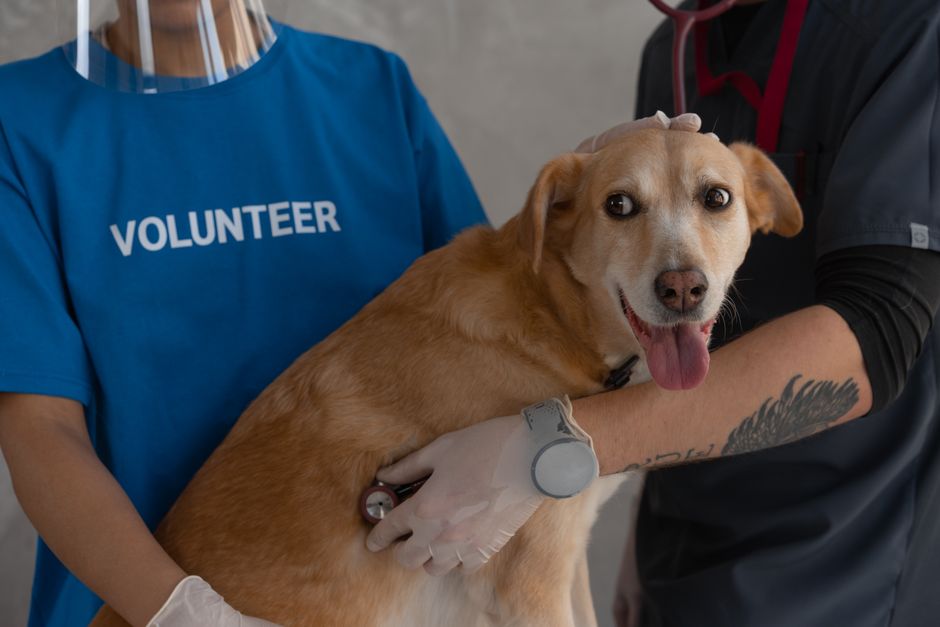
A cat stops eating on a Thursday afternoon, or a dog starts dragging its back leg across the kitchen tiles, and the owner’s first move isn’t a Google search. It’s opening WhatsApp, scrolling through old chats, looking for whichever clinic’s number got saved the last time something went wrong. If your clinic isn’t the one they find in the next ninety seconds, you’ve lost that booking before your front desk even knows it existed.
That gap costs more than a missed appointment slot. It’s a treatment room sitting empty at 4pm, a vet who could have squeezed in one more consult, an after-hours case that ends up at a competitor’s emergency line because your page made the owner dig for a phone number instead of just letting them tap and send. Adding more Google Ads spend on top of that doesn’t fix it. You’ll just pay more to send the same worried owner to the same page that loses them.
Here’s the part most clinic websites in Singapore get backwards: they’re built around a contact form, as if a panicked pet owner is going to sit down and type out a tidy case history. The real conversion event looks nothing like that. It’s a blurry photo of a swollen paw, sent on WhatsApp from the back seat of a Grab, with a message that just says “is anyone there.” Build the page around that moment, not around a brochure, and the booking conversation starts differently.
Before you touch the landing page: what has to be true first
A landing page rebuild fails fast if the groundwork underneath it isn’t sorted. We’ve seen clinics spend a few thousand dollars on a slick new page only to have it funnel enquiries into a WhatsApp number that still rings on a phone sitting in a drawer in the back office. Get these right before you write a single headline.
First, decide which number is the real enquiry line. Most Singapore vet clinics run WhatsApp Business already for existing clients, but the number that goes on a new patient’s landing page needs its own auto-reply, its own quick-reply templates for “is this an emergency,” and someone actually watching it during opening hours. Second, settle on a consult fee range you’re comfortable quoting before an exam, even if it’s a range rather than a fixed figure. Owners weighing up three clinics on their phone will skip the one that won’t say anything about cost.
Third, know which conditions deserve their own page and which don’t. A single “Our Services” page covering vaccinations, dental cleaning, and emergency care treats a routine booster shot the same as a dog that’s just eaten a box of raisins, and that’s not how a worried owner searches. Fourth, claim and tidy your Google Business Profile, with accurate hours for each outlet including whether you’re open on Sundays and public holidays, since that’s often the first thing checked before anyone lands on your site at all. Fifth, have basic tracking ready so you can see which page a WhatsApp click or phone tap actually came from, not just a blanket “contact” count in your analytics.
The build: a landing page that works the way Singapore pet owners actually message you
This is the part worth doing properly, because a page built for this moment behaves differently from a generic clinic website at almost every step. Work through these in order rather than jumping straight to design.
How-to: build the page
- 1Map one landing page to one worry, not one page to your whole service menu. Build separate pages for the searches that actually happen: "dog vomiting Singapore," "cat not eating for two days," "pet limping after a walk," "my dog ate chocolate." Each page speaks to that exact fear in its first line, not a generic "trusted vet care for your furry family member."
- 2Put the WhatsApp button above the fold, not in a footer or buried under a "Contact Us" menu item. Pre-fill the message text with context tied to the page, something like "Hi, I'm messaging about my dog's limping, is a vet free today?" so your front desk isn't starting from zero when the chat opens.
- 3Lead with the trust signals owners actually check at 11pm: your clinic's AVS licence and registered veterinarians' names, real photos of your treatment rooms, and your actual hours including whether a vet is physically on site or on call. Skip the stock photo of a golden retriever on a beach; it tells a stressed owner nothing about whether you can see their cat tonight.
- 4Show a consult fee range inclusive of GST, not a pre-GST figure buried on a PDF rate card. "Consultation from $XX, GST included" lets the WhatsApp conversation start with "can you see us now" instead of "how much do you charge," which saves your front desk a step on every single enquiry.
- 5Build for a slow connection, not your office wifi. Most of this traffic happens on 4G, one-handed, with the other hand holding a cat. Compress hero images, cut autoplay video, and strip any embedded Instagram feed or review widget that loads six extra scripts before the page is usable.
- 6Split "this can't wait" from "I'd like to book a visit" visually at the top of the page. A bleeding animal or a dog that's eaten something toxic needs a different instruction than a routine vaccination booking, and burying both under one "Book Now" button sends the wrong case down the slow path.
- 7Let WhatsApp carry the photo, not a form field. Owners want to send a picture of the rash, the swelling, or the stool sample straight away. A text box asking them to "describe the symptom" is slower and loses the one piece of information your vet actually needs first.
- 8Set up click tracking on the WhatsApp button and the phone number through Google Tag Manager, tied to the specific landing page URL. Without this, you'll know your "limping dog" page gets traffic but never know whether it actually turns into a booked consult.
- 9Add genuine social proof carefully: a live feed of recent Google reviews beats a vague claim like "Singapore's most trusted vet." Keep claims specific and current rather than resting on an unverifiable superlative.
- 10Test it the honest way: hand your phone to someone who's never seen the page, turn off wifi, and time how long it takes them to go from the search result to a tappable WhatsApp button. If it's more than ten or fifteen seconds, that's a case you're losing before they've even typed a word.
Free tools to check your own page before launch
If your current site was built years ago as a brochure for a single location, a full relaunch usually isn’t the fastest route to more booked consults. Rebuilding the two or three pages actually carrying your enquiry traffic, with proper web design attention paid to speed and the WhatsApp handoff, tends to move the needle faster than a ground-up redesign. We also run session recordings through HeyLead Insights on pages like these, because watching exactly where an owner’s thumb hesitates on a limping-dog page tells you more than a bounce rate ever will.
Get a free marketing audit. We review your search, ads, and landing pages and send back what to fix first.
Get a free audit
Where these pages quietly fail, and the case that goes to the clinic down the road
Most of the damage isn’t dramatic. It’s a dozen small gaps that each cost one or two bookings a week, and nobody notices because the clinic’s overall enquiry numbers still look fine on paper.
Multi-outlet clinics are the worst offenders here. A chain with three locations often runs one generic WhatsApp number across all of them, with no routing by postcode or clinic chosen. The owner messages, waits, and the reply comes from whichever outlet’s front desk happens to be free, sometimes twenty minutes later, sometimes from the wrong side of the island. By then the owner has already messaged someone else. Picture a two-outlet clinic in the east that ran exactly this setup for over a year: both branches shared one WhatsApp line, and the team only noticed the problem when they started asking new patients how they’d heard about the clinic and kept hearing “I messaged you guys an hour ago and nobody replied.” Splitting the number by outlet, with each page’s pre-filled message tagging the branch, fixed the routing overnight. No new ad spend involved.
Duplicate and mismatched listings cause a quieter version of the same problem. If your Google Business Profile says you close at 8pm but your website footer still says 9pm from a redesign two years ago, owners show up or message outside your real hours and conclude you’re unreliable before they’ve even spoken to anyone. Keeping your name, address, and phone number consistent across your website, Google Business Profile, and any pet directory listings sounds basic, but it’s the kind of detail that gets skipped in every website handover we’ve seen.
Then there’s the technical failure that nobody blames directly: a slow page. CrUX data from May 2026 shows only 55.9% of web origins pass all three Core Web Vitals thresholds, and clinic sites loaded with autoplay hero video and an embedded Instagram widget are rarely in that passing half. On wifi in your office it feels instant. On 4G in a taxi with a vomiting dog on someone’s lap, those extra three or four seconds are the gap between a tap and a bounce. The last failure point is the form itself: any page still asking for twelve fields including “pet’s full name” and “preferred appointment time” before a human responds is competing against a clinic down the road where the owner just sends a WhatsApp message and gets an answer in two minutes.
What front desk staff notice once the WhatsApp line is set up right
“The messages come in at all hours now, but at least they arrive with a photo and a clear question attached, instead of someone just typing ‘hello, anyone there’ at midnight and waiting.” - Practice manager, two-outlet vet clinic
“We stopped losing the limping-dog cases once that page had its own number and its own pre-filled message. Before that, everything landed in one inbox and we couldn’t tell which page it came from, let alone whether it turned into a visit.” - Clinic owner, single-location practice
FAQ
Should a vet clinic landing page have a WhatsApp button, a phone number, or a form? Lead with WhatsApp, keep the phone number visible as a backup for owners who’d rather call, and drop the long contact form entirely on condition-specific pages. A form adds friction at exactly the moment an owner wants a fast answer.
Do we really need a separate page for every symptom, like limping or vomiting? You don’t need twenty pages. Start with the three or four worries that bring in the most enquiries, usually something around vomiting or diarrhoea, limping or injury, and emergency or toxic ingestion, then expand once you can see which ones actually convert.
How do we show pricing without over-promising before we’ve seen the animal? Quote a consult fee range inclusive of GST and be upfront that further treatment is priced after examination. Owners aren’t expecting a fixed total before a diagnosis; they just want to know the consult itself is within reach before they message.
What’s a reasonable mobile load time for a clinic page in Singapore? Aim for the page to be usable, meaning the owner can see your hours and tap the WhatsApp button, within two to three seconds on a typical 4G connection. Anything built around autoplay video or a heavy carousel will struggle to hit that.
Should every location have its own landing page and its own number? Yes, if you run more than one outlet. Shared numbers and shared pages create exactly the routing delay that sends a nearby case to a competitor while your team figures out which branch should respond.
Putting it to work
This week, open your clinic’s own landing page on your phone with wifi switched off, and time how long it takes you to find your WhatsApp button, your hours, and your consult fee. Do it for your busiest page first, probably your homepage or your emergency page. If any of those three things take more than a few seconds to find, that’s the fix to prioritise before you spend another dollar sending traffic to it.
The gap between a worried owner’s WhatsApp message and a booked consult is exactly the kind of ongoing, hands-on work HeyLead takes on for clinics: building the condition-specific pages, wiring up WhatsApp click tracking properly, and watching the on-site behaviour to see where owners hesitate before they ever reach your front desk. Chat with us on WhatsApp.
Free marketing audit, or reach Martin directly:
Get a free audit Connect on WhatsApp · [email protected]