
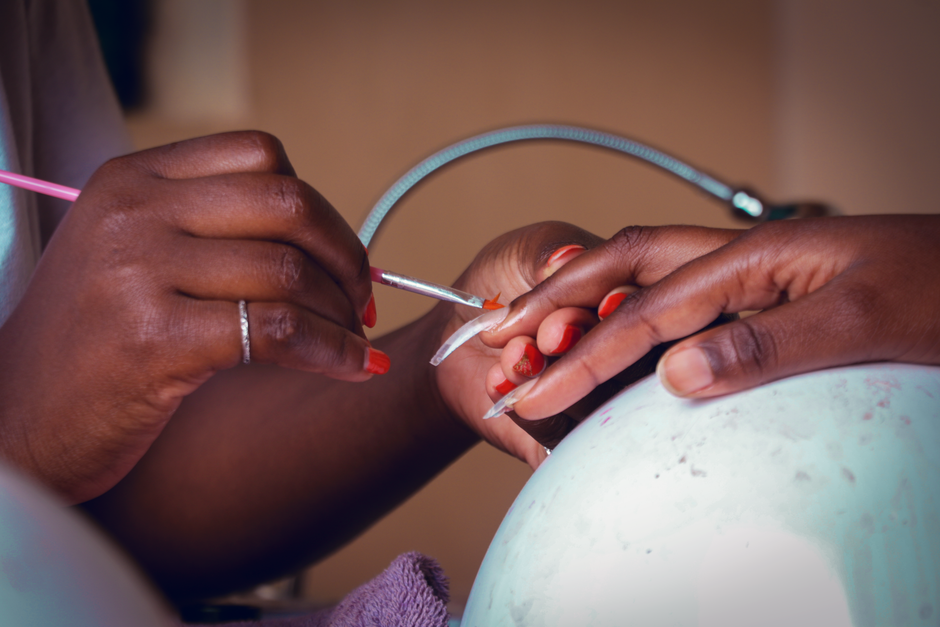
How Singapore nail salons set up Google search ads that actually book appointments
A mother in a Tampines HDB block opens Google at 7.40pm after the kids are down. She types “gel manicure near me” and “nail salon East” before she ever opens Instagram. She is not browsing trends. She wants a chair this Saturday, a clear price band in SGD, and a WhatsApp reply before she falls asleep. That search is worth real money to a Singapore nail salon. Most accounts still treat it like a cheap form fill.
Paid search works for nail salons when you build for booked appointments, not enquiry volume. Below is a practical how-to for owners and marketing leads who want Google Ads to fill the diary without burning budget on tire-kickers, wrong services, or leads that go cold overnight. Later we walk through Google Ads case studies from two Singapore nail salons with two different setups-neighbourhood volume versus appointment-led ticket-so you can see how the same rules flex in practice.
Singapore nail clients search when they are ready to sit down
Nail demand in Singapore is local, time-sensitive, and often last-minute. Clients in Central, East, West, North, and North-East do not behave the same way as someone planning a wedding six months out. A condo resident in Punggol will favour the salon that answers on WhatsApp in under ten minutes and shows real gel work on a phone-friendly page. A CBD client between meetings wants express manicure slots and a clear “book now” path, not a homepage carousel of every service you have ever offered.
High-intent queries look boring on a keyword list and expensive in the auction. Phrases like “gel extensions Singapore”, “BIAB nails near me”, “pedicure Tampines”, “nail salon open Sunday”, and “SNS dipping nails price” signal someone who already decided the category. They are comparing two or three salons, checking travel time from MRT or carpark, and scanning for hygiene proof, reviews, and whether you take walk-ins or appointment-only.
A good week for a busy salon is not “40 new form fills”. It is full chairs on peak days, healthy average ticket, and a waitlist that absorbs cancellations. That means your Google Ads setup has to respect capacity. If your team can only take eight new gel clients on Saturday and your ads run hard Friday night with no dayparting, you pay for enquiries you cannot serve well. Response speed collapses, no-shows rise, and your cost per booked job quietly climbs even while the Ads dashboard still looks “busy”.
Search is also where GST and pricing honesty matter. Clients notice when an ad promises “from $28” and the landing page only shows packages after a long scroll, or when the WhatsApp reply adds GST 9% as a surprise. Clarity in the ad-to-page path reduces back-and-forth and protects conversion rate on mobile, where most of these clicks happen.
Where nail salon Google Ads waste SGD before a single booking lands
The failure mode is predictable. Campaigns chase broad terms like “nails” or “manicure Singapore” because volume looks comforting. Click-through rate holds for a week. Cost per lead looks acceptable. Then the front desk reports the same pattern every Monday: people asking for acrylic when you only do gel, students hunting the cheapest basic polish, competitors’ brand names, job seekers typing “nail technician salary”, and wholesale queries for supplies. You paid for the click. You did not book the job.
Neglected negative keywords are a big part of that leak. For nail salons that often includes DIY, courses, kit, wholesale, home service when you do not offer it, “free”, “cheap” if that is not your position, and neighbouring services you do not run (lash lifts, brow lamination, hair colour) if those terms bleed in through broad match.
The second leak is the metric itself. Teams optimise for form submits or missed-call callbacks and call that success. The diary does not care. What matters is cost per booked appointment: the SGD you spent divided by clients who actually sat in the chair and paid. A $12 lead that never replies on WhatsApp is more expensive than a $35 call that books a $180 full-set with add-ons. If you cannot see booked work by campaign and keyword theme, smart bidding learns the wrong lesson and keeps buying the cheap, low-intent traffic.
The third leak sits after the click. Ads send people to a slow homepage with a buried menu, stock photos, and a contact form that asks for six fields. Mobile users bounce. Instant Form-style capture can look efficient until you realise half the “leads” never intended to travel to Woodlands on a weekday afternoon. Landing page match, proof (real work, reviews, hygiene, price bands), and response capacity are part of paid search, not a separate “website project” you postpone.
If you want a sharper view of whether your search programme is built around booked work rather than vanity CPL, a focused SEM / Google Ads review of keywords, negatives, and conversion setup usually surfaces the waste faster than another month of “we need more budget”.
Get a free marketing audit - we review your search, ads, and landing pages and send back what to fix first.
Get a free audit
Build the account around services people actually book in Singapore
Start with service themes that map to how Singapore clients talk, not how your menu is typeset on the wall. Separate campaigns or tightly themed ad groups for gel manicure and overlays, BIAB or builder gel, extensions and full sets, pedicure and spa pedi, SNS or dipping if you offer it, nail art only if ticket and margin justify paid clicks, and location modifiers where you truly serve a catchment (East Coast, Tampines, Orchard-adjacent, Jurong, and so on). Keep brand separate so you can protect your name without polluting non-brand learning.
Write ads that state the service, the area or access cue, and the next step. Mention appointment booking, WhatsApp enquiry, or same-week slots when that is true. Use ad assets for call, location, price where policy allows, and sitelinks to specific services rather than “About us”. Avoid vague lines about “luxury experience” with no proof of slot availability or what the client walks out with. The query already told you intent. Match it.
Match types need discipline. Exact and phrase on proven money terms keep control while you learn. Broad can work once conversion tracking is clean and negatives are aggressive, but launching broad on “nails Singapore” with a homepage landing page is how budgets disappear. Review search terms at least weekly in the first month, then on a steady cadence. Every irrelevant term becomes a negative or a new ad group if it is a real service you sell.
Bidding and budget should follow capacity and margin. If Saturday gel sets are full by Thursday, throttle or daypart Friday night rather than collecting enquiries you will reject. If weekday afternoons are soft, push then. Call extensions matter when staff can answer; if reception is thin during lunch rush, do not pay for clicks that only hit voicemail. Track calls with a dedicated number into the account so phone bookings are not invisible next to forms.
Conversion setup is non-negotiable. Count primary conversions as booked appointments or qualified WhatsApp conversations that meet a minimum quality bar, not every button tap. Import offline or diary outcomes where you can, even if the first version is a simple weekly match of lead source to booked clients. Without that loop, automated bidding optimises for the wrong event. Clean conversion signals beat constant campaign rebuilds that reset learning.
Landing pages, response speed, and proof that turn clicks into chair time
Send each major ad theme to a page that opens on that service. Gel searchers should see gel work, timing, aftercare basics, price band or package structure in SGD, GST clarity if you display prices, and a single primary action: book, call, or WhatsApp. Pedicure traffic should not land on a general “beauty services” dump. Message match is the cheapest conversion lift most salons skip.
A strong gel-manicure landing page does more than claim quality: it shows a recent photo of a specific set from your chairs, a Google review excerpt that mentions sterilised tools or punctuality, staff credentials if relevant, plain answers on hygiene, and a visible price line such as “Gel overlay from SGD 48, GST included,” then a short form-name, mobile, preferred service, preferred day-with WhatsApp as a first-class path if that is how your team already closes. Singapore clients compare quickly; if the page feels generic they bounce back to the SERP and your competitor with a clearer East or Central address wins the slot. Staff the response the same way you measure CPC: a lead at 9.15pm that gets a template reply at 11am next day has often already booked elsewhere, so script a fast first reply that confirms service, area, and two time options, and measure time-to-first-response beside media cost.
When traffic still fails after the click, stop guessing which block of copy is wrong. Watch real sessions: where people stall on price, abandon the form, or never reach the CTA. HeyLead Insights (session recording, heatmaps, scroll depth, form abandon, click patterns) shows those leaks with evidence instead of opinions. Fix the friction the recordings keep repeating before you raise bids again.
Page speed and mobile layout are part of media cost. A heavy gallery that crawls on 4G inflates bounce and trains the account that your traffic does not convert. Compress images, keep the booking action sticky on mobile, and test the page on a mid-range phone the way your clients actually browse after work.
For salon operators who want the full demand picture tied to beauty retail realities, our Nail Salons marketing page outlines how search sits next to creative, web, and measurement without treating paid clicks as a standalone gadget.
Google Ads case studies: two Singapore nail salons, two different setups
Scenario one: a two-chair salon near Tampines with strong weekend demand and thin weekday afternoons. They were spending on broad “manicure Singapore” traffic and routing everything to the homepage. Search terms showed courses, home service, and price-only shoppers. The fix was not a bigger budget. They split gel and pedicure themes, added negatives for DIY, course, kit, wholesale, and job-related terms, and paused ads after Saturday morning once the diary hit a set fill rate. Ads pointed to a gel page with price bands and WhatsApp. Reception logged which enquiries booked within 48 hours. Cost per booked job dropped because irrelevant clicks left the account and staff stopped chasing dead leads during peak hours.
What they changed, in order:
-
Rebuilt search terms into gel, pedi, and brand only, with a shared negatives list reviewed every week for the first month.
-
Switched the primary conversion from “form submit” to “booked appointment logged in the diary with source tag”.
-
Dayparted late Friday spend when no one could reply until Saturday noon.
-
Shortened the mobile form to four fields and pinned WhatsApp above the fold.
Scenario two: an appointment-only studio near the CBD selling higher-ticket art and extensions. Volume was never the goal. They wasted money on “cheap nails” adjacent queries and Instant Form leads from outside their travel radius. They tightened geo to realistic catchments, raised exact match on extension and art terms, and wrote ads that stated appointment-only and minimum ticket expectations in plain language. The landing page led with portfolio proof and a request form that asked for reference photos and preferred week, which filtered tire-kickers before the artist spent time quoting. Enquiry volume fell. Booked full-sets per week rose, and the team stopped measuring success by CPL alone.
Both cases share the same mechanism: align keywords, ads, page, and response rules to the job you want in the chair. Vanity lead count was the distraction. Booked work was the scoreboard.
Patterns we see in audits
The short quotes below are illustrative composites drawn from patterns in account reviews. They are not quotes from named clients.
The outcomes below are anonymised client results from Singapore nail and beauty accounts (names withheld at client request).
“We cut three broad ad groups and added thirty negatives in one afternoon. CPC looked worse on paper, but Saturday gel bookings from Google actually went up because the team finally stopped drowning in WhatsApp tyre-kickers.” - Owner, nail salon, East Singapore
“Call tracking showed half our ‘cheap’ leads never answered. Once we bid harder on exact gel-extension terms and staffed WhatsApp until 9pm on weeknights, cost per seated client made sense for the first time.” - Marketing lead, multi-outlet beauty group, Singapore
Action checklist
Free tools
DIY free tools for this playbook
Run these on the pages and campaigns this article covers, then fix what they flag before you scale spend or content volume.
Run these on this playbook
If the checklist shows a leak you cannot close in-house, request a free marketing audit.
Frequently asked questions
How much should a nail salon in Singapore spend on Google Ads to start?
A single-location salon in Singapore typically learns enough in 6-8 weeks on SGD 800-1,500/month split across two service themes (for example gel and pedi). Below SGD 500/month, the auction delivers too few clicks in a week to read search terms meaningfully. Actual spend still varies with catchment, ticket size, and how competitive your neighbourhood is, so treat the range as a starting anchor rather than a fixed rule: sustain it long enough to clean search terms and response process, then scale only after you know cost per booked appointment for each theme. If weekend capacity is already full, put money into weaker weekdays or higher-ticket services instead of buying more Saturday chaos.
Should we prioritise calls, WhatsApp, or website forms?
Use the channel your team actually answers fast. In Singapore, WhatsApp enquiries often close nail bookings if the first reply is quick and specific. Calls work when someone can pick up during ad dayparts. Forms help when you need structured details for art or extensions. Track each path into the same booked-job definition so you do not overvalue the easiest click.
Is Performance Max enough on its own for nail salons?
Performance Max can capture demand, but nail businesses still need search term visibility, negatives discipline, and service-level landing pages. Running PMax into a generic homepage with weak conversion signals usually produces messy leads. PMax in Singapore beauty accounts frequently surfaces spend on YouTube and Display placements that skew younger and browsing-only - fine for brand reach but poor for Saturday-booking intent. Check the asset group breakdown before assuming it’s all search. Keep a structured Search campaign on your money terms, feed clean booking conversions, and treat PMax as a controlled expansion only after Search is honest.
What negative keywords matter most early on?
Start with DIY, course, class, school, kit, wholesale, supplier, job, salary, vacancy, free, and services you do not offer (for example home service or mobile nails if you are studio-only). Add competitor brand terms only if you have a deliberate conquest strategy and margin to match. Refresh from search term reports; the first two weeks always surface local oddities you will not guess in advance.
How fast should we reply to a paid search lead?
Treat paid leads like a warm walk-in. Aim for minutes in peak hours, not next-day batch replies. After hours, an auto WhatsApp that sets expectation and captures preferred service still beats silence, but a human follow-up first thing matters. Measure response time beside CPC. Slow replies make “expensive” keywords look broken when the real break is operations.
Putting it to work
Pull the last 14 days of Google Ads search terms next to your diary or POS and mark which queries produced seated, paying clients versus tire-kickers. Build one shared negatives list from everything that never should have been paid, point your top two service themes at matched landing pages, and define a single primary conversion tied to booked appointments rather than raw form count.
When you want that full loop (high-intent search structure, negatives hygiene, landing page proof, and cost per booked job reporting) run as an ongoing programme rather than a weekend DIY patch, HeyLead can take the operational load for Singapore nail salons so you stay focused on chairs, artists, and ticket size. Reach out at [email protected].
Free marketing audit, or reach Martin directly:
Get a free audit Chat with us on WhatsApp · [email protected]