
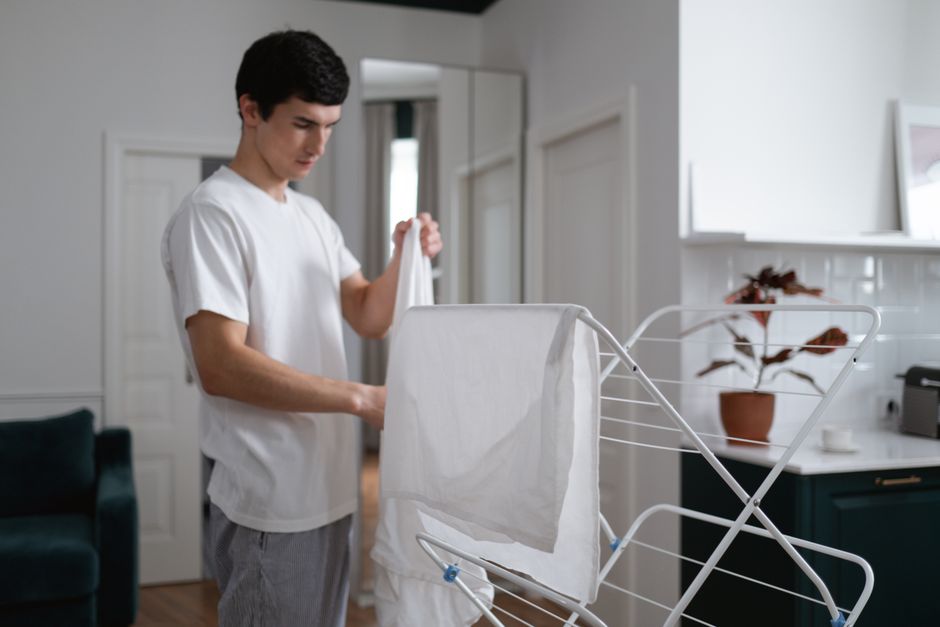
Friday evening in a Tampines HDB estate. A condo resident taps “Get quote” under a Reels ad for wedding-gown cleaning, fills a Meta Instant Form in under forty seconds, then switches to WhatsApp to ask a neighbour which cleaner they trust. By the time the plant replies Monday morning, she has already PayNow-ed a deposit elsewhere. The lead still sits in Ads Manager as a conversion. The rail never saw the gown.
That pattern is familiar across Singapore dry cleaning: Meta fills the inbox, the calendar does not fill. Owners watching Meta Ads spend in SGD see CPL that looks fine on paper and a booking rate that quietly wrecks unit economics. Search intent is different. Someone who types “dry clean wedding dress near me” is already mid-decision. Someone who pauses on Instagram is still scrolling. The creative stopped them. The form captured them. Nothing after that matched the speed or proof they needed to hand over a S$180 gown or a bag of office shirts.
This piece is about that gap: how dry cleaning firms in Singapore stopped treating Meta leads like Google leads, and rebuilt creative, forms, response, and on-site proof so enquiries actually became bags on the rail.
The scroll-stop lead that dies before the first WhatsApp reply
Meta demand for dry cleaning in Singapore is real. Parents need school-uniform runs. Expats need curtain and sofa cleaning after a move into a new condo. Brides need restoration quotes. The channel can surface all of that if the creative speaks to a specific job, not a generic “we clean clothes” line. Where accounts break is after the tap.
Plenty of plants still optimise for Instant Form volume because Meta rewards it and the dashboard looks busy. The form asks name, mobile, and “service needed,” then dumps the row into email or a shared inbox. No service area check. No photo upload for stains. No preferred pickup slot. Staff treat it like a slow website enquiry and reply when the counter quiets down. In a market where WhatsApp is the default, a two-hour lag feels like abandonment. The prospect has already messaged two other cleaners from East Coast or Orchard ads running the same week.
You will usually find a second leak in proof. The ad shows a spotless white dress under soft lighting. The destination is either a bare Instant Form or a homepage built for walk-ins: opening hours, a map pin, and a phone number. No before-and-after of wine on silk. No GST-inclusive price bands for shirts versus delicates. No mention of HDB corridor pickup windows or condo loading-bay rules. The person who stopped scrolling needed one more reason to trust a stranger with a bridal gown. They did not get it, so they ghosted.
Attribution makes the pain worse. Meta counts the form. Your operations team counts bags tagged and paid. When those two numbers diverge for three weeks running, the instinct is to cut budget or tighten audiences the old way. Creative fatigue is already showing up as rising CPMs while lead volume still looks “okay.” By the time booked work collapses, you have burned two learning phases and a month of spend. The failure mode is not “Meta does not work for dry cleaning.” It is Meta leads handled like low-urgency website traffic in a city that books services on WhatsApp the same evening.
Treat creative as targeting, then force every lead into a bookable path
The firms that fixed this stopped stacking interest layers and started treating creative as the targeting. Broad delivery with sharp hooks outperforms the 2020 lookalike stack when the video or carousel names a concrete job: “wine on a cheongsam before Chinese New Year,” “office shirts collected from your CBD tower on Tuesday,” “sofa cleaning for a 4-room HDB without the whole living room smelling of solvent.” One idea per ad. Local cues matter more than stock laundry footage. A 12-second clip of a gown bag being sealed in a Punggol unit beats a polished brand film that could be anywhere in Asia.
Run fewer campaigns, broader targeting, and a deliberate creative rotation. When CPMs creep up before lead volume drops, retire the hook. UGC-style phone video dies fast on Meta; plan replacements on a short cycle instead of waiting for the weekly report to declare fatigue. Pair each creative family with one clear offer: free stain assessment photo via WhatsApp, first-bag promo in SGD with GST stated, or same-week bridal quote. Vague “message us” CTAs collect browsers. Specific next steps collect people ready to schedule.
On the form side, Instant Forms still work if you design them for booking, not vanity volume. Ask for postal sector or nearest MRT so you can filter outside your catchment before a human spends time. Ask shirt count or garment type. Offer a preferred contact channel and default to WhatsApp. Route every submission into a shared WhatsApp Business or CRM queue with a response SLA measured in minutes during operating hours, not “by end of day.” After hours, an auto-reply that confirms receipt, states the next pickup window, and asks for a photo of the stain keeps the thread alive until morning.
When traffic should hit a page instead of a form, match the ad line for line. Bridal creative lands on bridal proof, price bands, turnaround, and a short form or WhatsApp deep link. Shirt plans land on corporate and HDB pickup rules. If you send everything to the homepage, you are asking a cold social visitor to reverse-engineer your services. Tools like HeyLead Insights help here: session recordings and heatmaps show whether people stall on missing price cues, bounce before the form, or abandon when the mobile layout hides the WhatsApp button. Fix the leak you can see, not the one you guess at in a post-mortem.
Retargeting closes the loop for people who engaged but did not book. Exclude converted customers. Show proof ads (reviews, before-and-after, PayNow and GST clarity) rather than the same cold hook. Keep frequency sane; dry cleaning is not an impulse snack purchase, and hammering the same prospect for ten days trains them to ignore you. For a fuller view of how this fits local service economics, see HeyLead’s notes on Dry Cleaning marketing.
Get a free marketing audit - we review your search, ads, and landing pages and send back what to fix first.
Get a free audit
Jurong West shirts vs East Coast bridal: two leaks, two repairs
A second-generation plant near Jurong West ran Meta hard for corporate shirt plans. Spend sat around S$2,400 a month. Instant Forms poured in. Booking rate hovered near 11%. The owner assumed “lead quality is bad on Facebook.” The mechanism was simpler: every form asked only name and mobile. Counter staff called from a landline during the lunch rush. Many prospects never answered unknown numbers. Those who did got a generic price list with no pickup slot.
They changed three things in twelve days:
-
Form fields added workplace area (Jurong, Tuas, one-north, CBD) and approximate shirt volume.
-
Every lead opened a WhatsApp thread within 15 minutes with a fixed script: confirm area, offer two pickup windows, request a photo only if stains were mentioned.
-
Creative shifted from “premium dry cleaning” to “shirt bags collected from your office lobby, returned in 48 hours, GST inclusive.”
Booked rate moved from 11% to 27% on the same weekly spend within a month. CPL looked slightly worse in Ads Manager because junk catchment leads were filtered earlier. Bags on the rail told the real story. The fix was speed and specificity, not a new audience taxonomy.
Across the island, a smaller East Coast shop chased bridal and delicate work. Their Reels stopped the scroll. Landing page conversion lagged. Heatmap-style review of on-site behaviour showed visitors watching the hero video, scrolling past a long “about the family business” block, and leaving before price or turnaround appeared. Forms that did complete sat in a personal Gmail the owner checked after closing.
They rebuilt one bridal landing page: three before-and-after stills, turnaround in working days, a S$ range for standard gown clean versus restoration, condo pickup note for Marine Parade and Siglap, and a sticky WhatsApp button. Instant Forms stayed only for simple shirt enquiries. Bridal traffic went to the page. Response moved to a staffed WhatsApp queue until 9pm on weeknights. They did not touch campaign structure for three weeks so learning could settle. Booked bridal jobs from Meta roughly doubled; the useful detail was not a tidy ROAS slide, it was that abandoned forms dropped once price and turnaround sat above the fold on mobile.
If your Meta account is still sending every creative to one homepage and one shared inbox, those two plants are a useful mirror. Different garments, same principle: match the promise, shrink time-to-first-human, and measure bags, not form rows.
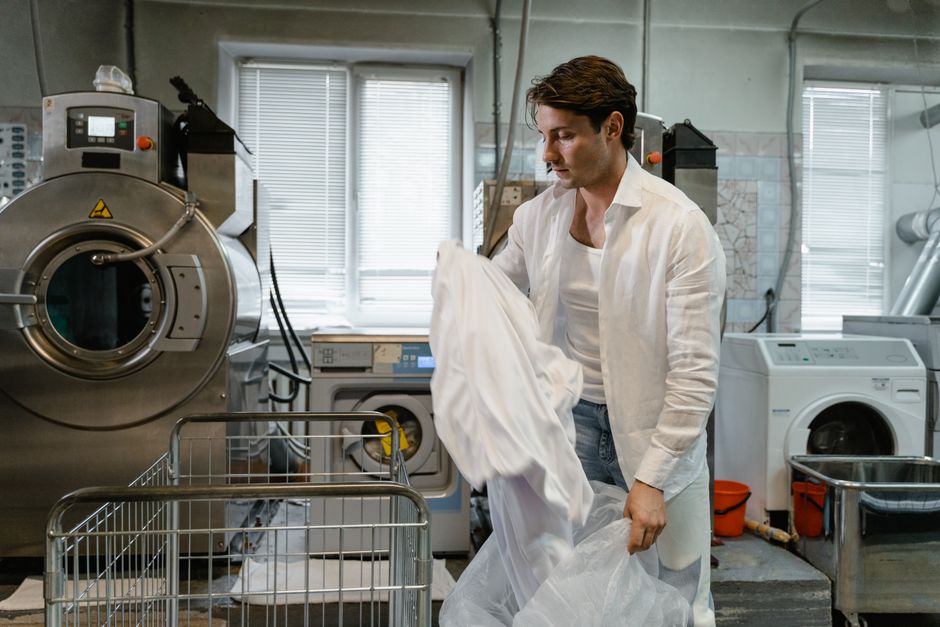
Curtain and sofa jobs after a condo move
A plant picking up post-move curtain and sofa work from Meta saw solid Instant Form volume from expats and new HDB owners, then slow booking. The ad promised curtain and sofa cleaning after move-in. The form captured name and mobile only. Staff replied with a general price list. Prospects needed to know whether take-down and rehang were included, whether solvent smell would linger in a small living room, and whether the team could work around a service-lift booking.
They adjusted in two weeks:
-
Form fields added job type (curtains, sofa, or both) and housing type (condo, HDB, landed).
-
First WhatsApp reply within 20 minutes sent a short checklist: fabric or upholstery photo, approximate track width or seat count, and whether take-down/rehang was required-plus two morning slots for the coming week.
-
Creative named the job in local terms: “sofa and curtain clean for a 4-room HDB without the whole flat smelling of solvent for days.”
Booked soft-furnishing jobs from Meta rose once the first message answered the practical objections. The new lever was not a tighter audience; it was qualifying the job type on the form and leading with take-down clarity and slot options on WhatsApp.
Meta booking questions operators still raise
Should dry cleaners in Singapore prefer Instant Forms or landing pages on Meta?
Use both with intent. Instant Forms suit simple, repeatable jobs (shirt bags, standard laundry plans) when fields capture area and volume and WhatsApp follow-up is fast. Landing pages suit higher-ticket or high-anxiety jobs (bridal, leather, curtains) where proof, price bands, and turnaround need room. Sending bridal traffic into a three-field form with no proof is how you buy leads that never book.
How fast do we need to reply to a Meta lead?
Treat social leads like live enquiries, not website forms. During open hours, aim for a first WhatsApp touch in minutes, not hours. After hours, automated acknowledgement plus the next pickup window beats silence. In Singapore, prospects often message two or three cleaners in one sitting; the first clear, human reply usually wins the bag.
Why does Meta show cheap leads while the plant feels empty?
Platform CPA counts the form event. Your P&L counts paid work. If staff delay replies, if catchment is wrong, or if the ad promise does not match the page, you will see healthy in-platform numbers and weak booking rates. Track cost per booked job from Meta separately, even if the spreadsheet is simple at first.
Is broad targeting safe for a local dry cleaner?
Broad can work when creative is specific and the form or page filters geography. Weak creative plus broad delivery wastes budget. Strong creative that names garment, location cue, and offer, plus postal-sector qualification, is how local plants use Meta without returning to brittle interest stacks that stop learning every time you edit them.
What should we test before raising spend?
Stabilise response SLA and one matched landing experience first. For a dry cleaner, that means confirming your bridal page shows turnaround and S$ range before you scale bridal creative spend, and that your shirt-plan form routes to WhatsApp within 15 minutes before you double the Jurong or CBD budget. Then test creative hooks and offers. Scaling budget into a slow inbox or a homepage dump multiplies the leak. A clean conversion setup and a booked-job definition matter more than another campaign in the account tree.

DIY free tools for this playbook
Run these on the pages and campaigns this article covers, then fix what they flag before you scale spend or content volume.
If the checklist shows a leak you cannot close in-house, request a free marketing audit.
Free tools
DIY free tools for this playbook
Run these on the pages and campaigns this article covers, then fix what they flag before you scale spend or content volume.
Run these on this playbook
If the checklist shows a leak you cannot close in-house, request a free marketing audit.
Putting it to work
Execution sprint
This week
- Pull 30-90 days of performance for how dry cleaning firms (Search Console, ads, CRM, or call logs - whatever you have).
- Flag the top leak: wrong intent, weak page, slow response, or dirty conversion tracking.
- Ship one fix on the highest-traffic money path (page, campaign split, or response rule).
- Run the free tools below on that same URL or account and log the findings.
Free tools for this sprint
Next 30 days
- Expand the fix to the next one or two money paths only after the first one shows cleaner bookings.
- Align creative, keywords, or content with the same offer the page now states.
- Review booked outcomes weekly; cut anything that still only produces unqualified volume.
Pull the last 30 days of Meta Instant Form and WhatsApp enquiries for your plant, tag each row booked or lost, and note time-to-first-reply in hours. The pattern usually jumps out in one sitting: slow replies, missing area fields, or bridal traffic landing on a generic page.
When you want someone to own that loop end-to-end - creative, form design, WhatsApp SLA, and booked-job tracking - that is what HeyLead does for dry cleaning plants in Singapore. Reach Martin at [email protected].
Free marketing audit, or reach Martin directly:
Get a free audit Connect on WhatsApp · [email protected]