
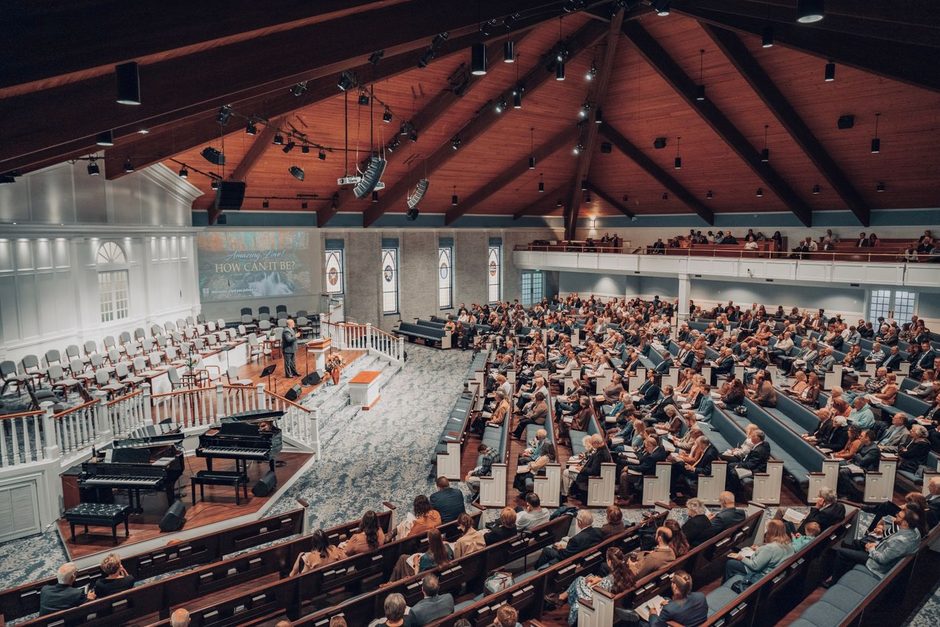
A couple planning a solemnisation on a Saturday in the East sends a WhatsApp at 9:14am asking about hall capacity, parking for guests from HDB blocks nearby, and whether a weekday rehearsal is free. Your Meta spend last week was a few hundred dollars in SGD. Organic search brought another dozen sessions to the wedding page. By Monday the diary has two site visits and one PayNow deposit, and nobody can show which channel earned which booking. That gap is the real problem behind lead tracking for churches Singapore teams keep funding without fixing.
Church marketing in Singapore is not a pure lead-gen SaaS funnel. Buyers mix Google searches, Instagram Reels, a friend’s recommendation, and a late-night WhatsApp ping. What counts as success is a confirmed next step in the hall diary: a tour, a deposit, a baptism class seat, a memorial booking. If your stack stops at form fills and in-platform conversions, you will scale the wrong traffic and starve the campaigns that actually fill seats.
This guide walks through how buyers decide, where measurement usually breaks, and the analytics and CRM integration work that ties clicks to booked work before you push budget harder.
How Singapore church buyers search, message, and decide
High-intent demand looks specific. Couples search variants of church wedding venues near Tampines, East Coast, or the Central region, then filter on guest count, solemnisation rules, and whether the space feels right for photos. Families look up baptism registration, infant dedication dates, or Chinese- and English-speaking services. Community organisers want hall hire for memorials, youth camps, or weekday classes. Seekers type Christmas service times, Alpha course sign-ups, or “churches near me with kids ministry” after moving into a condo or new BTO estate in Punggol or Woodlands.
A good week is not “47 form fills.” It is three solid site visits booked, two deposits received via PayNow, and a shortlist of warm WhatsApp threads where the coordinator answered inside an hour. Speed matters. When a couple is comparing three churches on the same afternoon, the first clear reply with parking notes, capacity, and available dates often wins the tour. Slow replies turn paid clicks into someone else’s booking.
Paid and organic both feed that behaviour. Search captures active planners. Meta and short video catch couples earlier, when they are still collecting options. Google Business Profile and maps matter for walk-up familiarity. None of that helps if every channel claims the same conversion or if WhatsApp stays outside the CRM. Marketing leaders need a shared definition of a qualified enquiry before they argue about CPC or ROAS. For churches, that definition almost always includes intent to visit or book a dated event, not a vague “tell me more” from a student project or a vendor cold pitch.
Landing pages have to match that intent. A wedding ad that lands on a generic homepage forces people to hunt for fees, floor plans, and solemnisation rules. Many leave. Others open WhatsApp and never fill the form you track. If you only measure the form, you under-count real demand and over-trust the channel that happens to push the form button. Measurement starts with knowing how people actually enquire in this market: call, WhatsApp, web form, and occasional walk-in after a Sunday visit.
The measurement gaps that make booked work invisible
Plenty of church teams still optimise for enquiry volume. Dashboards look healthy. The hall diary does not. The usual break is simple: the click is tracked, the first message is not, and the deposit never flows back to the campaign that started the conversation. WhatsApp enquiries sit in a staff phone. Calls hit a shared mobile with no dynamic number. Site visits get logged in a spreadsheet the ads account never sees. Offline conversions never upload. Smart bidding then learns from partial, noisy signals.
Privacy changes and ad blockers already strip a chunk of browser-side conversion data. When you add untracked messaging on top, the platform is guessing. You will see last-click credit pile onto branded search or a remarketing path while the cold campaign that introduced the couple looks weak. Pause the “weak” campaign and tour requests dip two weeks later. The report said one thing. Operations felt another.
Another failure mode is counting the same person three times. They click a Meta ad, submit a form, message on WhatsApp the next day, then call to confirm parking. Without a single person or household record, channel reports reward every touch as a new lead. Cost per lead looks fine. Cost per booked solemnisation or hall hire quietly climbs. Finance asks why marketing spend is up while deposits are flat. Marketing points at “lead quality.” Nobody can prove which creative or keyword produced the deposit because the deposit never became an offline conversion event.
Response handling multiplies the damage. If the wedding page converts at a respectable rate but the team answers WhatsApp only after evening service, hot leads cool off. Attribution will still show a conversion on the form. The diary will show a no-show or a polite “we went with another venue.” That is not a media problem first. It is a closed-loop data and operations problem. Fix the loop before you scale spend, or you will buy more of the same leak.
If you want a structured pass over tags, CRM fields, and offline import paths, analytics and CRM integration work is the layer that makes channel optimisations honest rather than cosmetic.
Closed-loop events, CRM fields, and offline signals that matter
Start by naming the events that equal progress for your church, not for the ad platform’s default template. A practical ladder looks like this: qualified enquiry (name, intent, date window, guest range), site visit or pastoral call booked, deposit or registration fee received, event completed. Map each step to a CRM stage and a timestamp. Until those stages exist, every pixel debate is premature.
Give every public path a trackable entry. Forms should pass UTM or gclid into hidden fields and into the CRM on create. Calls need a tracked number on paid landing pages so the first ring joins the same record. WhatsApp should not be a black hole: use a business number, a consistent first-reply script that captures occasion type and preferred dates, and a habit of logging the thread against the contact within the day. Walk-ins after Sunday can be tagged with “heard about us” plus a simple source list so organic brand and community referrals do not get blamed for paid waste or credited for paid wins incorrectly.
Then close the loop upstream. When a deposit clears via PayNow or a hall booking is confirmed, push that offline conversion back to Google Ads (and Meta where you have matched events) with the original click identifier where you still have it. Even a partial match rate beats pure last-click form spam. Enhanced conversions and first-party identifiers help when browser signals thin out. Google’s Enhanced Conversions for Leads hashes email/phone from the form and matches it server-side; Meta’s Conversions API does the same for Facebook/Instagram events - both require developer access to your CRM or website backend, not just a pixel change. The point is not perfect multi-touch philosophy. The point is teaching the auction which clicks become money in the building, not which clicks produce the fastest form.
Keep the CRM brutal about quality flags. Student enquiries, vendor pitches, and out-of-date-range wedding dates should not train bidding the same way a 120-guest solemnisation with a site visit next week does. Marketing and the bookings coordinator need the same field definitions. If “MQL” means “filled a form” for ads and “ready for a tour” for the office, your reports will fight each other every month.
Review cadence can stay light, but the questions should stay sharp: which campaigns produced deposits last month, which only produced unanswered WhatsApps, and which landing pages create enquiries that never book a date. That is measurement that books work. Everything else is vanity volume.
Get a free marketing audit - we review your search, ads, and landing pages and send back what to fix first.
Get a free audit
Landing pages and on-site behaviour: where qualified intent leaks
Channel data only tells you who arrived. On-page behaviour tells you why they left. Church wedding and hall-hire pages in Singapore often fail on practical proof: unclear max capacity, missing parking notes for guests driving from other regions, vague pricing bands, no sample floor plan, and a form that asks for a sermon-length life story before offering a simple date check. People open WhatsApp instead, or bounce to another venue’s site.
Session recordings and heatmaps make those leaks visible without guessing. You will see rage clicks on a non-working gallery, scroll drop-off before fees, and form fields abandoned when “preferred date” is required but the couple is still flexible. HeyLead Insights is built for that kind of evidence: scroll depth, form abandon, and click patterns on the exact pages paid and organic traffic hit. Fix the page when the recording shows confusion. Do not raise budget on a page that quietly rejects high-intent visitors.
Match the message from ad to page. If the creative promises a mid-sized sanctuary suited to 80-150 guests with weekday rehearsal options, the landing page should lead with that proof, not a generic “welcome to our family” hero. Include response expectations (“We reply on WhatsApp within one working hour on weekdays”) so buyers know the path. Mobile matters; a large share of paid clicks arrives on phones between commute and lunch, and clumsy forms punish you twice: fewer tracked leads and more untracked chats.
Treat proof as conversion infrastructure. Recent couples’ photos with permission, a short FAQ on solemnisation requirements, GST-aware fee notes where you publish packages, and a clear secondary CTA for “request a site visit” next to WhatsApp keep intent on a measurable path. When the page and the CRM agree on what a good lead is, media optimisation finally has a clean target.
Teams that want the full demand picture for venues, services, and community programmes can also ground their channel plan in focused Churches marketing rather than generic local-service playbooks.
Two Singapore booking paths traced from click to diary
First path: wedding venue demand in the East. A couple clicks a search ad for church wedding packages after comparing two other spaces. They land on a dedicated solemnisation page, skim capacity and parking, then WhatsApp instead of submitting the long form. In the broken setup, the ad platform only sees a bounce. In the fixed setup, the landing page uses a click-to-WhatsApp element with campaign parameters, the coordinator logs the chat against a new CRM contact within the hour, tags intent as “solemnisation, ~100 guests, Q3 date,” and books a Saturday morning tour. After the tour, a deposit arrives via PayNow. Ops marks the stage “deposit received,” and the offline conversion uploads against the original click. Bidding now has a real success event. Creative tests can favour the angle that produced deposits, not the angle that produced the most soft enquiries.
Practical steps for that path:
-
Use a wedding-only landing page with capacity, parking, fee bands, and a short form plus WhatsApp.
-
Capture source parameters into the CRM on first touch, including chat-origin clicks.
-
Define “site visit booked” and “deposit received” as the optimisation events that matter.
-
Reply fast on weekdays; note GST and package inclusions so finance and marketing tell the same story.
-
Upload offline conversions on a steady cadence so Smart Bidding is not starved.
Second path: community hall hire from the North-East. A resident in Punggol sees a short Meta video about weekday hall rental for a memorial gathering. They submit a form at 11pm. Without routing, the form sits until after midweek service. With routing, the CRM assigns the enquiry, sends an auto-acknowledgement, and alerts the bookings owner. The call next morning confirms date, setup time, and AV needs. The booking is marked confirmed with a source of that campaign. When you later compare Meta against search, you are comparing confirmed hall-hire revenue contribution, not form counts. That is the only comparison that should move budget.
In both paths the mechanism is the same: one person record, staged outcomes, messaging treated as a first-class lead source, and money events returned to the ad account. Skip any layer and the diary drifts away from the dashboard again.
Patterns we see in audits
The short quotes below are illustrative composites drawn from patterns in account reviews. They are not quotes from named clients.
One communications lead at an independent church in Singapore found that Meta could show 60 enquiries in a month while the hall only took four deposits. The miss was WhatsApp sitting on a personal phone with zero CRM logging, so the team kept scaling the creative that generated chats they never coded as wins or losses.
One operations manager handling church venue hire in Singapore found that search looked expensive on CPL until the team uploaded PayNow deposits as offline conversions. Two ad groups they nearly paused were responsible for most of the solemnisation tours that actually paid.

Free tools
DIY free tools for this playbook
Run these on the pages and campaigns this article covers, then fix what they flag before you scale spend or content volume.
Run these on this playbook
If the checklist shows a leak you cannot close in-house, request a free marketing audit.
Frequently asked questions
What should count as a conversion for church marketing in Singapore?
Count staged outcomes, not only form submits. At minimum track qualified enquiry, site visit or call booked, and deposit or registration paid. Optimise paid media toward the deepest stage you can reliably pass back, even if volume is lower.
How do we track WhatsApp enquiries without losing source data?
Use unique click-to-chat entry points on ads and landing pages, require staff to create or match a CRM contact on first reply, and store campaign parameters on that record. Unlogged chats will always break lead tracking for churches Singapore teams rely on for budget decisions.
Do we still need call tracking if most people message?
Yes, especially for older family members arranging memorials or baptism logistics. A tracked number on paid pages closes a common blind spot and keeps phone-led bookings in the same attribution picture as forms.
How fast should we respond to high-intent enquiries?
Aim for the same working day, and inside an hour when a coordinator is on duty. B2C lead response studies (e.g. Harvard Business Review’s oft-quoted finding of a roughly 7x drop in contact rates after the first hour) show how quickly intent decays, and in a small Singapore venue market where couples shortlist two or three churches at once, that window is even tighter. Slow replies turn measured clicks into unmeasured losses at other venues.
When is it reasonable to scale ad spend?
After you can show which campaigns produce site visits and deposits for at least one full booking cycle, and after landing pages stop leaking intent on mobile. Scaling on form volume alone usually inflates cost per booked job.
Putting it to work
Pull the last 30 to 45 days of enquiries and mark each one with a real outcome: no reply, replied but dead, site visit booked, deposit paid, or lost to another venue. Note the first-touch channel and whether WhatsApp or phone was involved. The pattern will show you whether you have a media problem, a response problem, or a tracking hole between the click and the diary.
When you want that closed loop built and kept honest, HeyLead can take on the messy middle of lead tracking for churches Singapore operators struggle with: event definitions, CRM handoff, call and chat capture, offline conversion feedback, and the on-page evidence that shows where bookings leak. Reach out via [email protected].
Free marketing audit, or reach Martin directly:
Get a free audit Chat with us on WhatsApp · [email protected]