
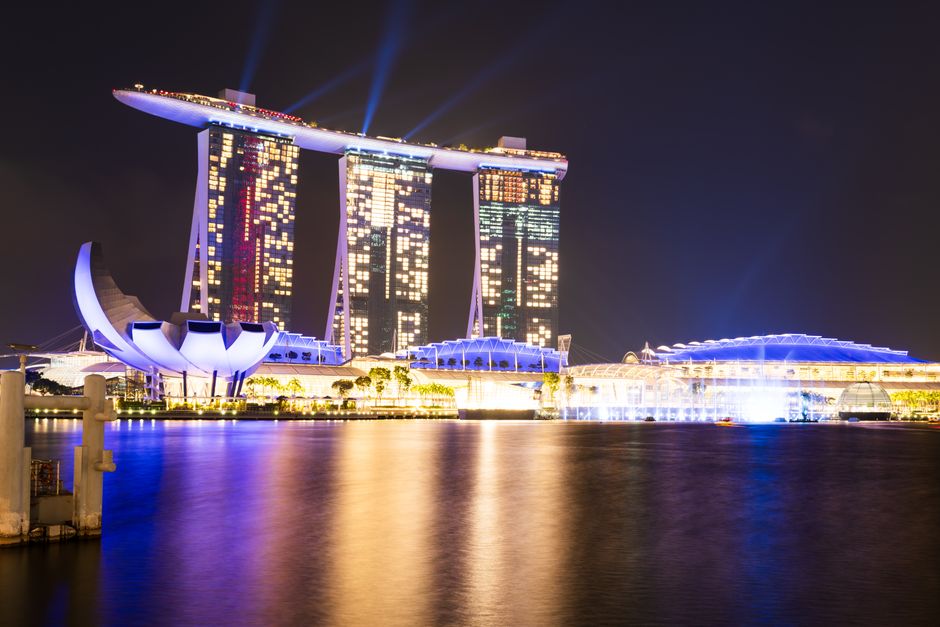
A planner in the CBD needs a 40-room block, two breakouts, and a dinner package for a regional offsite. They open Google, type a tight query, skim three properties, check recent reviews, then fire off a WhatsApp enquiry before lunch. If your hotel, resort, or venue never appears in that shortlist, you never get the chance to quote.
Organic search still fills a large share of staycations, MICE blocks, weddings, and direct leisure stays in Singapore. The problem is not that hospitality brands “need more content.” It is that most sites fail a basic audit: wrong intent clusters, weak local entity signals, brochure pages that never ask for the booking, and a publishing cadence that dies after Chinese New Year or the F1 window. This piece is a self-audit checklist for SEO for hospitality and resorts Singapore teams can score themselves against, fix in priority order, and run for the next 30 days without hiring a full editorial desk.
Score your organic demand before you rewrite a single page
Start with measurement, not a redesign brief. Pull the last 90 days from Google Search Console, Google Analytics (or your GA4 property), and your booking or enquiry CRM. Split organic landing pages into four buckets: room and stay queries, event and MICE queries, package and staycation queries, and brand navigational terms. If brand terms dominate sessions while non-brand commercial queries barely move, you have a visibility problem dressed up as a “traffic is fine” story.
Score each bucket from 1 to 5 on three lines only: impression share on the queries that match how guests and planners actually search, click-through rate on those queries, and enquiry or booking rate after the click. A property can sit on page one for soft destination language and still lose every high-intent room night. In Singapore that usually means ranking for scenic or neighbourhood language while “team offsite venue 50 pax with rooms,” “halal wedding venue east,” or “family staycation near Universal” go to competitors with tighter pages and clearer offers.
Add two operational checks before you celebrate organic sessions. First, response speed on WhatsApp and form enquiries that started in organic search. Planners in Central and East corridors often message three venues in one sitting; the first clear reply with availability often wins the shortlist, not the prettiest homepage. Second, whether you can attribute a booked block or room night back to the organic landing page. If sales only logs “website” or “WhatsApp,” you cannot prioritise SEO work. Call tracking, UTM discipline on organic landing templates, and a simple source field on the enquiry form close that loop without a full RevOps rebuild.
Write the scores on one page. Anything at 2 or below is a leak. Anything at 4-5 is a pattern to clone across properties or room types. You are not looking for vanity traffic growth. You are looking for the specific intent clusters where organic demand should already be booking work and is not.
Intent, local entities, and Google presence: the core checklist
Run this block as a yes/no audit. Every “no” is a ticket, not a vague “SEO opportunity.”
-
Commercial intent map: Do you have dedicated landing URLs for room blocks, day-use or meeting packages, wedding and solemnisation packages, staycations, and long-stay or corporate rates where those products exist?
-
Query language match: Do titles and H1s use the words planners type (pax counts, room counts, neighbourhoods, near-landmark language) rather than only brand slogans?
-
Multi-location clarity: If you run more than one property, does each location have its own entity signals, NAP consistency, and unique proof, or do you collapse everything into one thin brand site?
-
Google Business Profile hygiene: Categories, services, products, rooms, photos, posts, and Q&A updated in the last 30 days? Booking links and WhatsApp where Google allows them?
-
Review velocity and reply quality: Recent reviews that mention rooms, F&B, events, and staff by name, with owner replies that add facts (not only thank-yous)?
-
Internal links from high-traffic pages: Do blog posts and destination guides push equity and users into bookable package and enquiry pages?
-
Schema that matches reality: Hotel, Resort, EventVenue, FAQ, and offer markup only where the page truly supports it?
-
Mobile enquiry path: Can a guest on mobile start a WhatsApp or form enquiry in under two taps from the organic landing page?
Local and entity SEO matters more in Singapore than most regional templates admit. Guests and planners search with landmarks, MRT-adjacent language, and district cues. A resort on Sentosa, a business hotel near Changi, and a boutique property in the East do not compete for the same SERP, yet many groups reuse one template with the suburb name swapped. Unique photos, unique meeting-room specs, unique F&B proof, and unique neighbourhood copy are ranking and conversion assets, not fluff.
Google Business Profile is still the first impression for many mobile searches. Incomplete categories, stock photos, dead booking links, and ignored questions quietly suppress you while a smaller competitor with fresher posts and tighter reviews takes the call. Treat GBP as a live channel owned by marketing and ops together, not a one-time setup task for the agency of record.
If you need a specialist team to own technical fixes, content systems, and local entity work as one programme rather than scattered projects, HeyLead’s SEO work for Singapore properties is built around that full loop.
Get a free marketing audit - we review your search, ads, and landing pages and send back what to fix first.
Get a free audit
Pages, proof, and behaviour: where organic sessions fail after the click
Traffic that never enquires is not a ranking win. Hospitality landing pages in Singapore often fail for the same operational reasons: hero imagery without a clear next step, rate calendars buried below long brand stories, event pages that list ballroom dimensions but never show sample packages or past-event proof, and forms that ask for too much before the guest trusts you. GST-inclusive pricing clarity, PayNow or deposit notes where relevant, and a visible WhatsApp path reduce friction for local staycation and SME event buyers who already expect instant chat.
Proof beats adjectives. Use specific room counts, ceiling heights, load-in access, halal kitchen status, last renovation dates, and named event types you have hosted. Pair that with review excerpts that match the intent of the page. A wedding page needs wedding proof. A MICE page needs corporate planner language. Generic “world-class hospitality” copy does not move a shortlist at 11pm.
Page experience still filters revenue. Compress hero media, defer non-critical scripts, and keep the primary enquiry module light. Mobile drives most discovery; if the first screen does not load a usable CTA quickly, your organic CPC-equivalent cost is wasted even though the media was free.
Do not guess where users abandon. Session recordings and heatmaps show whether people hit a dead gallery, bounce from a slow rates module, or stall on a form field. HeyLead Insights is built for that on-site behaviour view so you fix the exact leak instead of rewriting the whole template. One tight change (sticky WhatsApp bar on package pages, shorter event form, proof block above the fold) often moves enquiry rate more than another round of keyword tweaks.
Soft check for multi-property groups: each organic landing page should answer one job. “Rooms near Marina Bay for business travellers” is a different job from “weekend family staycation with tickets.” When one URL tries to sell everything, rankings dilute and conversion confuses. Split the jobs, share design systems, keep unique proof.
Content cadence and two Singapore scenarios that show the mechanism
Seasonal bursts are the default failure mode. Teams publish a CNY staycation guide, a National Day package post, maybe an F1 teaser, then go quiet. Rankings and internal links decay. Competitors with thinner brands but steadier calendars collect the long-tail queries that feed WhatsApp all year. You do not need a newsroom. You need a sustainable cadence tied to real products: room types, event formats, neighbourhood guides that end in a bookable CTA, and FAQs that match sales objections (parking, load-in hours, corkage, child policies, corporate invoicing).
AI-assisted drafts are common now; many top-ranking pages include machine-generated text. That does not mean you can ship generic destination copy and expect to win. Google still rewards useful specificity and experience. Have revenue, F&B, and events leads inject real constraints and photos. A human editor should own claims, pricing frames, and E-E-A-T signals. For groups that cannot staff full-time writers across properties, HeyLead Auto Blogger supports niche- and region-aware article cadence under human strategy so Singapore hospitality pages keep shipping without a giant in-house desk.
Scenario 1: boutique business hotel, near Changi corridor. Organic sessions looked healthy on brand terms. Non-brand queries for “corporate rate hotel near Changi with meeting room” barely appeared. The fix was not more blog volume. The team built one dedicated landing page with meeting-room capacity, sample half-day packages in SGD (GST stated), airport transfer notes, and three anonymised planner quotes. They linked it from the rooms page and GBP products, added FAQ schema for parking and invoice timing, and trained front office to tag WhatsApp enquiries that mentioned Google. Within one planning cycle, sales could point to a higher share of shortlisted corporate blocks from that URL instead of only brand searches and OTA spillover.
Scenario 2: event-led resort with stay-and-meet packages. The site ranked for soft leisure terms but event pages were PDF menus and a phone number. Planners bounced. The mechanism that broke conversion was proof placement: capacity charts sat below three screens of lifestyle video. They moved a package grid and enquiry module above the fold, added recent event photo sets with pax ranges, and published two operational articles (load-in for East Coast venues; wet-weather plans for outdoor solemnisation) that interlinked to the package page. Organic event enquiries rose because the page finally matched how planners evaluate risk, not because a new domain authority trick appeared.
If you want the channel work tied to how hospitality brands actually fill rooms and function space, pair this checklist with a broader Hospitality and Resorts marketing programme so SEO, landing pages, and enquiry handling stay aligned.
Patterns we see in audits
The short quotes below are illustrative composites drawn from patterns in account reviews. They are not quotes from named clients.
“We were proud of ranking for pretty Sentosa language until sales showed almost every real block came from queries with pax counts and room counts we never built pages for.” - Marketing Director, resort group, Singapore
“The leak was not rankings. Heatmaps showed planners never reached the package table on mobile, so we fixed the first screen before we bought another content retainer.” - Head of Growth, boutique hotel portfolio, Singapore
Action checklist
Action checklist for hospitality and resorts SEO checklist for companies
Use this as a working checklist for hospitality and resorts SEO checklist for companies - specific steps you can run this week, not theory.
- Map the last 90 days of Search Console queries for hospitality and resorts SEO checklist for companies into intent clusters that match how buyers actually book (high-intent service terms vs pure DIY research).
- Pick one money page that should own the primary commercial query in your Singapore market. Demote or 301 any blog that outranks it for that term.
- Rewrite that page with a single primary CTA, proof above the fold, financing or pricing clarity where relevant, and a short form (name, phone, need, preferred time).
- Align Google Business Profile categories, services, hours, and real photos with the same money services (every location if multi-site).
- Add internal links from the top 5 support URLs into the money page with descriptive anchors.
- Track calls and forms by landing page for two weeks before you fund more content volume.
- Only then brief one support article that answers a pre-purchase question and links back to the money page.
Free tools - try these yourself
If the checklist shows a leak you cannot close in-house this month, request a free marketing audit - we will prioritize SEO, ads, and landing pages around the same outcome metrics above.
Frequently asked questions
How long before SEO work shows booked nights or events in Singapore?
Technical and conversion fixes on pages that already rank can move enquiries within weeks. New non-brand commercial landings and local entity repairs usually need a longer window, often a few months of consistent signals, reviews, and internal links. Treat 30 days as an audit-and-fix sprint, not a promise of full pipeline replacement.
Should we prioritise OTA rankings or our own site SEO?
Both matter, but they solve different jobs. OTAs capture comparison shoppers; your site should win brand trust, direct packages, corporate and wedding enquiries, and high-intent queries where commission savings and relationship matter. Starve owned SEO and you rent demand forever at OTA margins.
Do we need separate sites for each property?
Not always. What you need is clear entity separation: unique pages, unique proof, consistent NAP, and GBP assets per location. A single domain can work if architecture and content do not collapse every property into duplicated blurbs.
Is blogging still worth it for hotels and venues?
Only when posts map to bookable intent or remove a real objection and route to an enquiry page. Destination poetry without a CTA is a cost centre. Steady, specific pieces that support packages and events still earn long-tail demand and internal link equity.
What should we track weekly versus monthly?
Weekly: Search Console queries on commercial clusters, GBP actions, organic landing enquiry rate, WhatsApp response time on organic-sourced chats. Monthly: assisted room nights or event pipeline by landing page, review velocity, Core Web Vitals on key templates, and content shipped versus plan.
Putting it to work
Execution sprint
This week
- Pull 30-90 days of performance for hospitality and resorts SEO checklist for companies (Search Console), ads, CRM, or call logs - whatever you have).
- Flag the top leak: wrong intent, weak page, slow response, or dirty conversion tracking.
- Ship one fix on the highest-traffic money path (page, campaign split, or response rule).
- Run the free tools below on that same URL or account and log the findings.
Free tools for this sprint
Next 30 days
- Expand the fix to the next one or two money paths only after the first one shows cleaner bookings.
- Align creative, keywords, or content with the same offer the page now states.
- Review booked outcomes weekly; cut anything that still only produces unqualified volume.
Next 30 days
- Expand the fix to the next one or two money paths only after the first one shows cleaner bookings.
- Align creative, keywords, or content with the same offer the page now states.
- Review booked outcomes weekly; cut anything that still only produces unqualified volume.
Next 30 days
- Expand the fix to the next one or two money paths only after the first one shows cleaner bookings.
- Align creative, keywords, or content with the same offer the page now states.
- Review booked outcomes weekly; cut anything that still only produces unqualified volume.
Free marketing audit, or reach Martin directly:
Get a free audit Chat with us on WhatsApp · [email protected]