
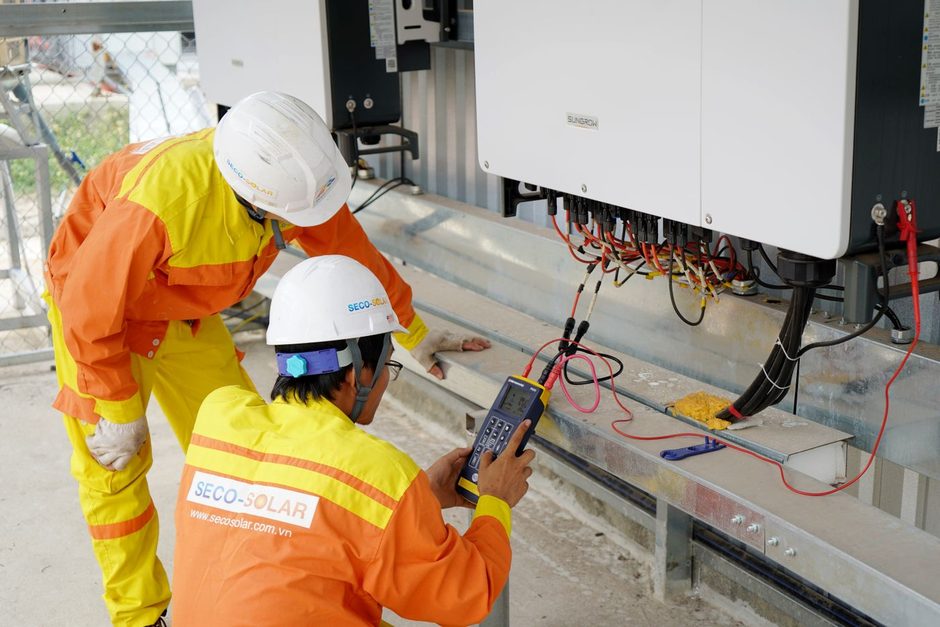
A facilities lead at a light industrial unit in Tampines does not open Google to “learn about energy storage.” The freezer line tripped twice last month. The backup UPS is past warranty. He types something blunt: emergency UPS replacement Singapore, or battery backup for 3-phase, and he wants a site visit this week, not a white paper.
That is the buyer you are paying for when you run ppc for battery and backup power singapore. Same auction also attracts students hunting for portable power stations, DIY shoppers comparing 12V packs, and people who will never approve a quote. The difference between a booked job and a form that dies in WhatsApp is almost never “more budget.” It is which queries you buy, what you promise after the click, how fast you answer, and whether you measure cost per booked install instead of cost per lead.
This piece is a straight comparison: the Google Ads patterns that turn Singapore battery and backup demand into site surveys and purchase orders, against the patterns that only fill CRMs while your CPC climbs in SGD.
Form volume looks healthy while your install calendar stays empty
Plenty of Battery and Backup Power accounts in Singapore look busy on paper. Search campaigns show leads every week. The dashboard CPL sits in a range the owner can live with. Sales still says the same thing in the Friday catch-up: half the enquiries want a consumer power bank, a third never pick up, and the rest already bought from a larger distributor who quoted faster.
That gap starts in the auction. Broad match on battery, UPS, and solar storage without tight intent filters pulls informational and price-only traffic. Someone comparing “best UPS for PC” and someone searching “UPS installation for HDB shop unit East” can both hit the same ad group if structure is loose. You pay for both. Only one was ever going to book a site survey.
Response speed makes it worse. Commercial UPS, inverter, and backup battery buyers in Singapore often message two or three suppliers in the same sitting. They use WhatsApp more than email. If your ad pushes a long web form and the office only replies after lunch, the job is already with the contractor who answered in under ten minutes with a clear next step: load estimate, site visit window, or ballpark range with GST noted. Forms are not evil. Slow forms with no call path are.
Tracking completes the failure mode. If every form submit, WhatsApp click, and phone call is dumped into one “conversion,” Smart Bidding learns to buy cheap form fills. You get more of what you reward. Cost per lead drops. Cost per booked job quietly rises. Owners then cut spend or blame “lead quality” when the real issue is that the account was optimising for the wrong event the whole time.
If you already suspect your account is optimised for inbox noise rather than site visits, a focused pass on structure and conversion design under SEM / Google Ads is usually worth more than another month of the same broad campaigns.
Search terms that signal a real UPS installation job in Singapore
High-intent Battery and Backup Power demand on Google in Singapore clusters around urgency, load, and place of use. Buyers name the problem: power trip, brownout, generator alternative, UPS for server room, battery backup for clinic, inverter for landed home gate and lights, commercial UPS replacement. They often add geography or property type: Jurong industrial, condo DB box, HDB shop, data closet CBD. Those modifiers are gold. They filter hobbyists and pure research.
Build campaigns around intent clusters, not one giant “battery” ad group. Separate emergency or replacement language from planning language. Separate residential backup (landed homes, larger condos with approved works) from SME and light industrial. Separate pure product SKUs you sell online from design-and-install work if both sit in the same business. When everything shares one budget and one set of bids, Google will push volume toward the cheapest clicks, which are rarely the ones that need a technician on site.
Match types still matter even as automated bidding takes more control. Exact and phrase on core job phrases protect you while you harvest search terms. Feed winners upward carefully. Keep a living negative list for the junk this niche always attracts: toy, RC, laptop battery only, phone, power bank under a consumer price, DIY schematic, course, salary, job vacancy, PDF, and pure solar subsidy research if you do not offer that scope. In Singapore you will also see aircon and electrical generalist queries bleed in when copy is vague. Negate what you cannot fulfil.
Ad copy should pre-qualify. Say what you install, where you attend (for example East and North-East industrial, or islandwide commercial), and what happens next: same-day callback, site survey, load assessment. Mention brands or capacities only if you truly stock or specify them. Weak ads that say “energy solutions for every home” win clicks from people who wanted a portable camping unit. Strong ads sound like the WhatsApp message a facilities manager would send a colleague.
Extensions are not decoration. Call extensions during staffed hours, location where relevant, and sitelinks to commercial UPS, home backup, servicing, and emergency replacement give high-intent users a shorter path. If your team can take calls, make the phone unavoidable on mobile. Mobile drives most paid clicks; for this niche a missed call is often a missed PO.
What wastes SGD: vanity CPL, fat queries, and homepage landings
Low-intent spend has a pattern. Campaigns target generic battery and power phrases with thin negatives. Ads promise “fast quotes” without stating commercial or residential focus. Everything lands on the homepage, which talks about the company story, five product families, and a contact form below the fold. The click was about a failing UPS in Woodlands. The page is about the brand. Bounce looks “fine” in averages. Pipeline does not.
Another waste pattern is measuring success as form count. A S$40 lead feels cheap until you learn three of four were retail battery enquiries you do not service. True unit economics for installers and specialists are cost per qualified site visit and cost per won job, inclusive of GST handling and the sales time burned on tyre-kickers. If finance only sees media CPL, you will keep scaling the wrong thing.
Dayparting and capacity get ignored too. Bidding the same at 1am as at 10am only helps if someone answers. For Battery and Backup Power in Singapore, commercial enquiries cluster in working hours. Residential spikes often hit evenings and weekends after a trip or storm-related outage. If your roster cannot cover nights, stop paying peak CPCs for calls that go to voicemail. Schedule bid adjustments and ad extensions around real response capacity, not around a 24/7 fantasy.
Performance Max and broad matching can work when conversion signals are clean and creative and feeds describe real install services. They amplify mess when the only pixel event is “submit.” You will hear that automated bidding inflates budgets without improving quality. That usually happens when the account taught the algorithm that a five-second form on a free checklist is equal to a booked survey for a three-phase UPS. Fix the signal before you blame the bid strategy.
Roughly 20 to 30 percent of SEM budgets in messy accounts still disappear into irrelevant queries, weak negatives, and mismatched pages. In a high CPC niche, that is not a rounding error. It is the difference between a month that fills the install calendar and a month that only fills HubSpot.
Get a free marketing audit - we review your search, ads, and landing pages and send back what to fix first.
Get a free audit

Landing pages that convert backup power clicks into site surveys
The ad sets a promise. The page has about five seconds to keep it. For battery and backup work in Singapore, the first screen should mirror the query: commercial UPS replacement, home battery backup, or industrial power protection. Lead with who you serve, response time, and a clear action: call, WhatsApp, or request a site survey. Put capacity ranges, example load types, and service areas where a facilities buyer can see them without scrolling through brand videos.
Proof beats adjectives. Show completed jobs with context: landed home backup in the East, SME server room UPS in Central, light industrial inverter work in the West. Display licences, brand partnerships, and safety notes where they are real. Price transparency helps even when you cannot publish a final figure: explain that quotes follow a load assessment, note GST at 9 percent on invoices (as of 2024), and say whether PayNow deposits apply. Buyers punish mystery more than they punish a higher but clear process.
Forms should be short for first contact: name, phone, property type (HDB shop, condo plant room, landed, industrial), rough load or pain (“trips weekly,” “needs 30 minutes runtime”), and preferred callback window. Offer WhatsApp as a first-class path. Many Singapore buyers will not finish a seven-field desktop form on a mobile commute. If you use click-to-call, track it as a conversion with a minimum talk time so pocket dials do not poison bidding.
Post-click leaks are visible if you look. Heatmaps and session recordings show where people stall: below-the-fold forms, weak trust near the CTA, or a “contact us” page that restates the menu. HeyLead Insights is built for that kind of on-site behaviour read: scroll depth, rage clicks, and form abandon on the exact pages your ads fund. Guessing which headline failed is slower than watching five sessions from the UPS replacement campaign.
Align one dedicated landing experience per major intent cluster. Send “emergency UPS” traffic to a page that stresses response and fault replacement. Send “home battery backup” traffic to a page that covers survey, installation constraints, and aftercare. Homepages are for people who already know you. Paid search buyers arrived with a job in mind. For niche go-to-market context across this vertical, see Battery and Backup Power marketing as the broader industry frame while your ads stay ruthlessly specific.
Two account patterns: the form factory and the job booker
Consider a specialist supplier selling commercial UPS and battery replacement across the island. Their old Google Ads setup used a handful of broad campaigns, one conversion action on any form, and a homepage landing experience. Weekly leads looked acceptable. The sales engineer’s notes told another story: consumer power stations, out-of-scope solar shopping, and contacts who vanished after asking for “cheapest price.” CPL sat near a comfortable number in SGD. Booked site surveys did not move.
They rebuilt around intent. Emergency and replacement phrases sat in their own ad groups with call-forward extensions during staffed hours. Negatives wiped retail battery and DIY queries within the first fortnight of search term reviews. Ads named commercial and SME use cases. Landing pages opened on load assessment and site survey booking, with WhatsApp deep links. They stopped counting raw form submits as the primary optimisation event and started counting qualified callbacks and booked visits. Lead volume dipped. Jobs on the board rose. That trade is the whole point of serious ppc for battery and backup power singapore work.
A second pattern shows up with a home-focused backup installer covering landed estates and larger condos in the North and East. Spend ran all day. Calls at midnight went unanswered. Forms arrived with no unit type and no fault description. Creative was generic “reliable power for your family” lines that attracted portable generator browsers.
Fixes were operational as much as media:
-
Split residential backup campaigns from any B2B leftover keywords still in the account.
-
Daypart bids toward evenings when homeowners actually research after work, but only while a duty phone was live.
-
Require property type and symptom on the form; route WhatsApp enquiries with a short template asking for photos of the DB and UPS label.
-
Add sitelinks for servicing existing systems versus new installs so mixed intent did not share one weak page.
Within a few weeks the team was not celebrating more leads. They were celebrating fewer junk chats and more Saturday survey slots filled. The mechanism was not a secret algorithm. It was match between query, ad, page, and human response.
Patterns we see in audits
The short quotes below are illustrative composites drawn from patterns in account reviews. They are not quotes from named clients.
In accounts we’ve audited, the pattern looks like this: teams celebrate a S$38 CPL on UPS terms until they check the notes. Most enquiries wanted a power bank under a hundred bucks. Once optimisation shifts to booked surveys, spend can look “worse” on paper while the install calendar finally fills - a common arc for commercial power-protection sellers in Singapore.
Another recurring observation: killing homepage landings for emergency queries does more than another bid tweak. Same budget, tighter negatives, WhatsApp in the first screen, and callbacks in under ten minutes consistently lift close rates for battery backup installers who make that operational change.
Action checklist

Free tools
DIY free tools for this playbook
Run these on the UPS, backup-battery, and commercial power-protection pages and campaigns this article covers, then fix what they flag before you scale spend or content volume.
Run these on this playbook
If the checklist shows a leak you cannot close in-house, request a free marketing audit.
Frequently asked questions
Should we optimise Google Ads for calls or forms in this niche?
Use both, but rank them by quality. Calls and WhatsApp during staffed hours usually sit closer to a booked job for Battery and Backup Power in Singapore. Forms work when they capture load context and property type and when someone replies fast. Train bidding on the events that become site visits, not on every click that pings your CRM.
How tight should keywords be for battery and UPS campaigns?
Tighter than a general electrical account. Separate commercial, residential, emergency replacement, and servicing. Keep an aggressive negative list for consumer electronics and DIY. Review search terms often in the early months; this category attracts cheap irrelevant queries that will drain SGD if you set and forget.
Is Performance Max a good idea for backup power installers?
It can be once conversion tracking reflects qualified jobs or surveys and you have clear assets that describe real services. If your only signal is a generic form on a homepage, Performance Max will find low-cost fills and call it success. Clean signals first, then give automation room.
What is a healthier north star than CPL?
Cost per qualified enquiry and cost per booked site survey, then cost per won job. Fold in response time and show-up rate. A slightly higher media CPL with strong booking rates beats a bargain CPL that never reaches the van schedule.
How fast do we need to reply to paid enquiries?
Treat minutes as the unit, not hours. High-intent UPS and backup buyers often message multiple suppliers in one sitting. A fast WhatsApp with a clear survey window outperforms a polished email two hours later more often than owners expect.
Putting it to work
Pull the last 30 to 60 days of Google Ads search terms, form notes, and call logs for your battery and UPS campaigns, and tag each enquiry as booked survey, qualified but lost, or out of scope. You will see quickly whether spend is buying jobs or only filling forms.
When you want that loop owned end to end, from intent structure and negatives through landing proof, call tracking, and bidding on booked work rather than vanity CPL, HeyLead can run the Google Ads programme around the exact handoff where Singapore Battery and Backup Power enquiries turn into site visits. Reach us via our contact form for a free marketing audit - we’ll follow up on WhatsApp or phone from our Singapore-facing team.
Free marketing audit, or reach Martin directly:
Get a free audit Chat with us on WhatsApp · [email protected]