
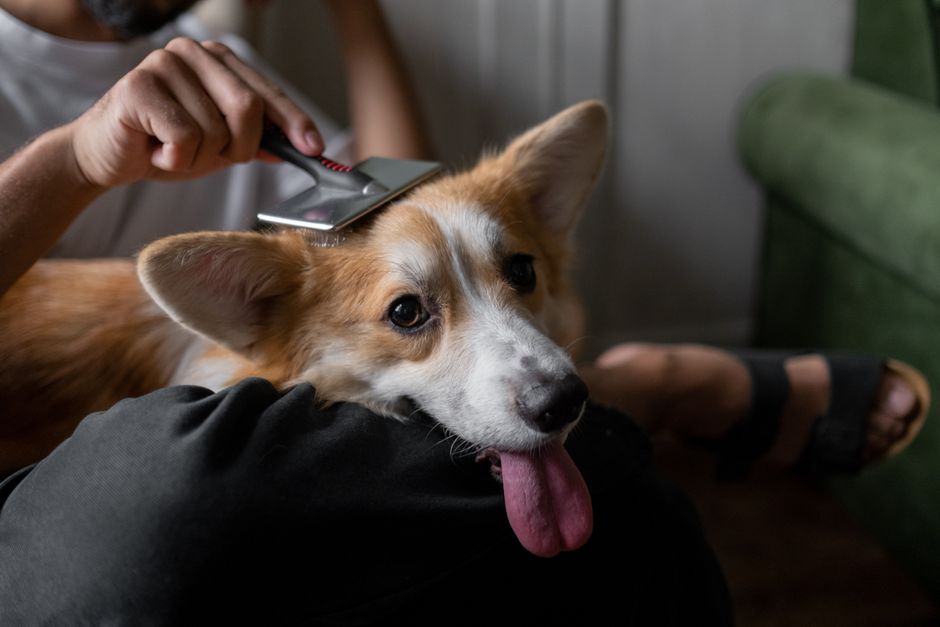
Saturday morning in Tampines, a matted Shih Tzu and a stressed owner are already on WhatsApp before the first table opens. The search was short and local: same-day dog groomer, mobile groomer East, cat groomer near HDB. Someone else clicked your ad, filled a long form, never answered the callback, and your dashboard still counted a “lead.” That pattern is how Google Ads for pet groomers in Singapore burns SGD without filling the diary.
PPC for pet groomers Singapore is not a traffic problem first. It is a booked-groom problem. High-intent queries sit next to tyre-kickers, DIY wash searches, and people hunting free advice. If match types, negatives, landing proof, and response capacity are loose, you pay for noise while the vans and tables that could take work stay quiet. Below are the mistakes we see most often, and the fixes that actually protect cost per booked job rather than vanity CPL.
Paying for “dog groomer near me” when the search never meant a booking this week
Broad and phrase match on generic terms looks efficient until you open Search terms. You will find hobbyists pricing their first clippers, people looking for dog wash at home, “groomer course Singapore,” and pet shop browsing. Every one of those clicks can sit in the same CPC band as a true same-week booking intent, especially in dense areas like Central and the North-East where competition is tight and mobile drives most paid clicks.
High-intent work for Singapore groomers usually sounds more specific: mobile dog groomer condo, cat groomer for anxious pets, deshed Labrador, puppy first groom, or groomer who can come to a landed home. Those queries still need guardrails, but they map closer to a paid job. The failure mode is dumping everything into one “grooming” campaign with Smart Bidding chasing volume. Smart Bidding will optimise to whatever you call a conversion. If that conversion is a form view or a soft enquiry, the algorithm will buy more of the same cheap noise.
Fix the structure before you raise budget. Split intent: mobile vs salon, dog vs cat where your ops differ, and urgent same-week language versus research language. Use exact and phrase on the money terms first. Review search terms weekly, not monthly, and add negatives the same day you spot a cluster. Measure success as cost per confirmed appointment on the calendar, with GST-aware revenue in mind, not cost per form. If a theme never produces a PayNow deposit or a locked slot within a few days, starve it.
Owners who only glance at impression share miss this. You can “win” the auction on weak queries and still lose the week. A sharper SEM build for local services starts with what Singapore pet owners type when the coat is already a problem, not with every keyword that contains “dog.”
Negatives that never catch boarders, vets, jobs, and free advice
Neglected negatives are one of the quietest budget leaks in local PPC. For groomers the list is predictable once you write it down: boarding, hotel, daycare without groom, vet, clinic, vaccine, adoption, for sale, job, salary, course, certificate, DIY, at home wash kit, and brand names you do not stock or service.
Match type mistakes compound the leak. Broad match on “pet groomer Singapore” without a mature negative list will pull adjacent services. Phrase match without account-level negatives still lets modifiers through. Shared negative lists across campaigns stop you fixing the same “grooming school” click three times. Build one master list, then campaign-level lists for mobile-only or cat-only lines so you do not block good traffic by accident.
Also watch competitor and location modifiers. Someone searching a rival salon name may convert if you truly have capacity and a clear offer. Someone searching a neighbourhood you never serve should not. If your vans cover East and North-East but not the far West every day, do not buy “mobile groomer Jurong” at full throttle just because the CPC looked acceptable. Geo radius and ad schedule should match where you can actually arrive on time.
If you want a second pair of eyes on structure without turning the account into a science project, a focused SEM / Google Ads review that starts from search terms and booked jobs usually surfaces the waste faster than another creative refresh.
Ads that promise same-day slots while the page sells the brand story
Click-to-page mismatch is expensive. The ad says same-day mobile groom, HDB-friendly parking, or anxious-cat experience. The homepage opens on a slow gallery, a long “about us,” and a contact form buried under packages with no dates. Mobile is most of paid search behaviour; if the first screen does not confirm service area, pet types, lead time, and how to book on WhatsApp or call, the click dies and you still paid.
Send paid traffic to a dedicated landing page for the offer in the ad. Proof that works for Singapore owners is concrete: recent Google reviews mentioning mobile or cats, photos of real vans or salon setups, clear coverage (Tampines, Punggol, Woodlands, and so on only if you mean it), price bands or “from” packages where you are willing to show them, and response expectations (“we reply on WhatsApp within X during service hours”). Soft CTAs to call or WhatsApp often outperform a ten-field form when the dog is already shedding on the sofa.
Post-click leakage is visible if you watch behaviour, not just bounce rate. Scroll depth that stops before proof, rage taps on non-clickable phone numbers, and form fields abandoned after the pet-weight question all tell you where intent drops. Tools like HeyLead Insights (session recordings, heatmaps, form abandon patterns) help you see those leaks without guessing. Fix the page before you scale bids. A cleaner handoff between ad and page is usually worth more than another keyword idea.
Teams building Pet Groomers marketing programs treat the landing page as part of the media buy, not a separate website project that waits for a redesign quarter.
Get a free marketing audit - we review your search, ads, and landing pages and send back what to fix first.
Get a free audit
Treating every form fill like revenue when the diary only moves on calls and WhatsApp
Many groomers still optimise Google Ads to “leads.” The CRM or spreadsheet fills up. The tables do not. In this niche, booked work often arrives by phone or WhatsApp enquiry, sometimes with a PayNow deposit to hold the slot. If call tracking is missing, WhatsApp is off-platform, and the only conversion tag is thank-you page views, Smart Bidding is flying half-blind. You will underpay for call-heavy traffic and overpay for form spam.
Set up call tracking on ads and the landing page. Track WhatsApp clicks as conversions only if your team actually answers and tags outcomes. Better: push a single “booked groom” or “qualified booking” event once the slot is confirmed in the diary. Feed that back if you can. Until then, at least separate micro-conversions (click to call) from money conversions (confirmed appointment). Report cost per booked job weekly beside CPL so nobody celebrates a cheap lead that never showed.
Response speed is part of the media plan. A lead at 11 a.m. when both mobile units are on jobs and nobody owns the inbox is not a media failure yet, but it becomes one if you keep buying peak clicks you cannot work. Route WhatsApp to a monitored number. Script a three-message reply that locks date, pet type, and address type (HDB, condo, landed). Owners who wait overnight often rebook the next ad they see.
Attribution will never be perfect on a short local journey. Still, last-click on a soft form is worse than a simple model that ties spend to calendar fills and average ticket. Prefer honest ranges over fake precision. If one campaign books at a sustainable cost and another only produces chats that ghost, the fix is pause and reallocate, not a prettier dashboard.
Running ads when vans, tables, and people cannot take the work
Dayparting is not a nice-to-have for pet groomers. Search demand spikes around owners’ free time. Your capacity does not. Ads that run late night or through the lunch rush when nobody can answer create clicks, missed calls, and bad reviews about slow replies. That loop raises your true cost per booked job even if CPC looks stable.
Map ad schedules to real operations: when phones and WhatsApp are staffed, when mobile routes can still add a stop, when the salon can take a walk-in or same-day squeeze. Use ad extensions with callouts for service hours. If Saturday mornings are gold and Wednesday afternoons are full, bid and budget should reflect that, not a flat 24/7 share.
Staffing and creative fatigue show up differently here than in pure e-commerce. You may not see CPM spikes the way social does, but you will see higher CPL when every click hits a full book. Pause or throttle when the diary is closed for the week. Turn spend back on when cancellations open slots. That discipline feels manual. It protects ROAS better than letting automation spend into a wall.
Two short scenarios show the mechanism. First, an East-side mobile groomer ran a single broad campaign to the homepage, counted every form as a conversion, and kept ads on until midnight. Search terms were full of courses and boarding. Forms arrived after hours. Cost per true booking drifted up until they split mobile keywords, added a same-day landing page with WhatsApp-first CTA, cut night hours, and only marked diary-confirmed jobs as conversions. Second, a condo-heavy Central salon blocked “cat” traffic by accident in negatives, then overpaid for dog-only volume they could not fit. Reopening cat exact terms on a cat-proof page and staffing one evening WhatsApp block filled gaps without raising total spend.
Patterns we see in audits
The short quotes below are illustrative composites drawn from patterns in account reviews. They are not quotes from named clients.
A Tampines mobile groomer cut cost per booked groom from SGD 38 to SGD 19 over six weeks by switching to WhatsApp-click conversions and cutting post-9pm spend.
A Central condo-area salon saw booked jobs move before touching bids once same-day claims in the ad pointed at a landing page with van coverage and a call button above the fold, instead of a homepage that loaded packages first.
Free tools
DIY free tools for this playbook
Run these on the pages and campaigns this article covers, then fix what they flag before you scale spend or content volume.
Run these on this playbook
If the checklist shows a leak you cannot close in-house, request a free marketing audit.
Frequently asked questions
What does good PPC for pet groomers in Singapore optimise for?
Optimise for confirmed appointments and revenue per booked groom, not raw lead volume. Track calls, WhatsApp outcomes, and diary locks. Use search terms and negatives weekly so you stop paying for courses, boarding, and DIY intent.
Should I use Performance Max as the main campaign for grooming?
Use it carefully and only with clean conversion signals and strong creative assets. Many local service accounts still need tightly managed Search for high-intent queries first. If Performance Max cannot see true bookings, it will chase softer actions. In Singapore, PMax with a location asset and Maps integration can surface well for mobile queries in dense estates - but only once your conversion signal is tied to confirmed bookings, not form views.
How fast should we reply to a paid enquiry?
During staffed hours, aim for minutes on WhatsApp or phone, not end-of-day callbacks. Paid clicks go cold quickly when another groomer answers first. If you cannot staff a window, do not buy ads in that window.
Do I need a separate landing page for Google Ads?
Yes for most accounts. Match the promise in the ad, show local proof and service area, and make call or WhatsApp obvious on mobile. Homepages bury the action and waste CPC.
What budget mistakes are common for small salons?
Spreading thin across every location keyword, running 24/7, and raising spend before negatives and conversion tracking are fixed. Stabilise quality and capacity match, then scale the themes that already book.
Putting it to work
Pull the last 30 to 60 days of Google Ads search terms next to your diary and tag each converting query as booked, quoted-only, or junk. Pause or negative the junk clusters, tighten schedules to staffed hours, and point top ad groups at a page that proves coverage and lets owners WhatsApp or call without friction.
If you want someone to own that loop - search terms audit, landing page match, diary-linked conversion tracking - email [email protected] with your current monthly ad spend and the district you cover. We’ll come back with what we’d fix first.
Free marketing audit, or reach Martin directly:
Get a free audit Chat with us on WhatsApp · [email protected]