

Most clinic owners treat a disapproved Google ad as the worst thing that can happen to their account. It isn’t. The ad that sails through Google’s review, books twenty consults in three weeks, and then gets forwarded to the Ministry of Health by a competitor or an unhappy patient is the one that actually costs you.
Here’s what that looks like in real terms. A campaign that was working gets pulled mid-month because the copy promised a result Singapore’s advertising rules don’t let you promise. The landing page with the patient testimonial carousel, the one converting at twice the rate of everything else, gets flagged in a compliance review and has to come down overnight. Meanwhile the front desk is juggling a WhatsApp thread full of “is this still on” messages from a promo that’s no longer running, and Thursday’s consult slots sit half empty because the enquiries that did come through were price-shoppers, not people ready to book. Mobile drives most of this traffic too: global benchmarks put mobile at well over 60 percent of paid search clicks, and conversion on mobile routinely lags desktop by 30 to 40 percent. In a clinic’s world, that gap is the enquiry that could have been a same-week consult sitting unanswered in a chat app at 11pm.
The fix isn’t cleverer ad copy. It’s accepting that Singapore’s Healthcare Services (Advertisement) Regulations, not Google’s ad review queue, set the real ceiling on what a body contouring or weight-loss ad can say here, and then building an account that converts well within that ceiling instead of bumping against it every few weeks.
Why “HIFU near me” fills your slate with price-shoppers, not consult-ready leads
Type “HIFU” or “body contouring” into Google from Singapore and you’ll see the same handful of high-volume keywords every clinic in town is bidding on. They look like a good idea because the search volume is real. What’s hiding inside that volume is the problem: people comparing five clinics on price alone, people searching a device name because they read about it on a wellness blog, people typing “how to lose weight without surgery” with no intention of paying for a programme this month.
Broad match and Performance Max have gotten better at reading signals instead of just matching words, and for plenty of verticals that shift toward letting creative and the landing page do the targeting genuinely works. For a regulated aesthetic clinic, it can quietly work against you. Broad delivery leans on your landing page and existing conversion data to decide who sees your ad, and if that page is written in the hedged, compliance-safe language that keeps your advertising compliant, Google reads the vagueness as broad intent and serves your ad to an even wider, lower-quality crowd. You end up paying premium clicks for searches that were never going to book a consult, let alone show up for one.
Industry estimates put wasted spend from mismatched search terms and neglected negative lists at 20 to 30 percent of a typical search budget. In an aesthetic clinic account, that waste concentrates in a predictable place: “free,” “cheap,” “promotion,” “course,” “jobs,” “DIY,” and treatment names paired with “review” or “side effects.” None of those searchers are booking a body contouring package this week, and every click from them is a click a genuine consult-seeker didn’t get because the daily budget ran out by 2pm.
If your service mix sits across several treatments, a disciplined Google Ads management structure, not another round of bidding on the same crowded keywords, is usually what turns an account like this around.
Building an account that MOH won’t flag and Google won’t throttle
The account structure that works for an aesthetic clinic in Singapore isn’t exotic. It’s disciplined, and it treats compliance as a design constraint from day one rather than a fire you put out after a warning letter arrives. Here’s the build we use when we take over or stand up a new account for a body contouring or weight-loss clinic.
Account build checklist
- 1Split campaigns by treatment, not by "aesthetics." HIFU, Pico laser, cryolipolysis or body contouring, and medically supervised weight-loss programmes each get their own campaign and landing page. Mixing them blurs Quality Score, and a compliance flag on one treatment drags the whole account's approval history down.
- 2Write ad copy around the consult and the process, not the outcome. "Find out if HIFU suits your skin type, book a consult" clears advertising rules far more reliably than a promise about inches lost, and it still converts because it answers the question a first-time searcher actually has: am I a candidate?
- 3Replace the testimonial carousel with credential proof: the doctor's name and MCR number, years performing the treatment, device registration status. Testimonials for medical and aesthetic procedures sit in restricted territory under Singapore's advertising rules. Credentials build the same trust without the risk.
- 4Send every ad to a dedicated landing page, never the homepage. One page per treatment, with the exact disclaimer language that treatment requires, matched word for word to what the ad promised.
- 5Track WhatsApp clicks and phone calls as conversions, not just form fills. Most aesthetic enquiries in Singapore start as a WhatsApp message or a tap-to-call. If that's not wired into the account as a conversion action, you're optimizing toward the minority of your real demand.
- 6Import consult-booked and consult-kept as offline conversions. A form fill or a one-line WhatsApp "hi" isn't a sale. Feed Google the outcome that matters, booked and showed, so Smart Bidding learns to chase that instead of cheap clicks.
- 7Build and maintain a negative keyword list weekly for at least the first two months: free, jobs, course, training, DIY, side effects, lawsuit, voucher, student, review.
- 8Turn on Enhanced Conversions and first-party matching. Ad blockers and privacy changes already cost most accounts a meaningful share of conversion data. Without a first-party signal, Smart Bidding is optimizing on guesses.
- 9Check the disapprovals and policy manager weekly, not monthly. A disapproval that's really a landing page problem, like an unregistered device claim or an implied guarantee, needs fixing on the page, not a copy edit on the ad.
DIY tools for this section
Once the testimonial carousel is gone, you need another way to know whether the page is actually doing its job. Session recordings are worth more than a guess here: HeyLead Insights shows you exactly where a visitor reads the credential block, scrolls past the disclaimer, and still leaves without tapping the WhatsApp button, which is usually a proof or layout problem you can fix without touching the ad at all.
Get a free marketing audit. We review your search, ads, and landing pages and send back what to fix first.
Get a free audit
What changed when one clinic stopped promising a dress size and started proving a process
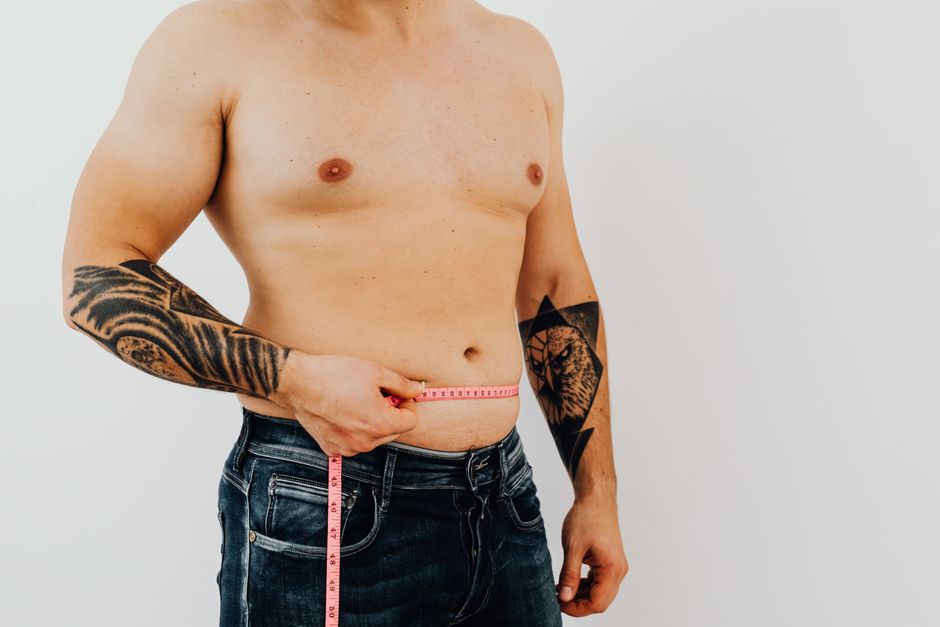
Picture a two-doctor aesthetic clinic running HIFU, Pico laser, and a medically supervised weight-loss programme out of one account, one blended “slimming and aesthetics” campaign, and a homepage that doubled as the landing page for every ad. The ad copy leaned hard on outcomes: a dress size, a jawline, a before-and-after gallery with a testimonial strip underneath. It converted well, right up until a compliance review flagged the testimonials and the implied guarantee in the HIFU ad in the same week, and both campaigns went dark while the clinic rewrote everything under pressure.
The fix wasn’t a smaller ambition, it was a different one. Each treatment got its own campaign and its own landing page built around the consult: what the treatment does, who’s a realistic candidate, what the doctor’s credentials are, and a clear next step to WhatsApp or book. The weight-loss programme ad stopped mentioning a specific injectable by name, since prescription-only medicines can’t be advertised directly to the public here, and instead offered a “medically supervised weight-loss consult,” which is both compliant and exactly what a serious enquirer wants to know exists. Price-shopper traffic from broad, generic searches dropped noticeably once the negative keyword list caught up. The no-show rate on booked consults came down too, because people arriving from a treatment-specific page already understood what the appointment covered, instead of showing up confused about what they’d actually enquired for.
A second, smaller example worth knowing: clinics that run ads mentioning named prescription weight-loss medications by brand almost always get disapproved, and even when an ad slips through, it puts the clinic’s own licence at risk, not just the ad account. Reframing the same offer as a supervised programme consult, with the medical conversation happening after booking rather than in the ad, tends to clear review and still convert, because the person searching for the drug by name is still the person your consult is built for.
What front desk teams notice once the WhatsApp thread goes quiet
Owners and practice managers tend to notice the same things once an account is actually built around compliant, consult-focused messaging instead of outcome promises.
“We used to get a burst of messages every time a promo ad ran, and most of them disappeared the second we explained the real price. Now we get fewer messages, but almost everyone who reaches out has already read the consult page and knows roughly what they’re walking into.” - Clinic manager, aesthetic and body contouring clinic
“The compliance review used to feel like a surprise every few months. Once we rebuilt the ad copy around the consult instead of the result, the reviews stopped being scary. There’s just less in the account that could get flagged in the first place.” - Owner, two-doctor aesthetic clinic

FAQs
Can we show before-and-after photos in Google Ads for body contouring treatments? Use them carefully and only with the disclaimers your advertising compliance framework requires. Google’s ad review may approve a before-and-after image that still breaches Singapore’s healthcare advertising rules, so the ad being live is not proof it’s compliant. Many clinics find it safer and still effective to lead with the consult and credentials instead, and save imagery for the landing page with proper disclosure.
Can we advertise prescription weight-loss medications like semaglutide-based injections? Generally no, not directly to consumers. Prescription-only medicines can’t be advertised by name to the public in Singapore. Framing the offer as a medically supervised weight-loss consult, with the specific medication discussed by the doctor after assessment, is the compliant route that still captures the demand.
Why do our ads keep getting disapproved even though we never mention results? Check the landing page, not just the ad copy. Google increasingly reviews the destination page for healthcare advertisers, and an implied guarantee, an unregistered device claim, or a testimonial buried in the page footer can trigger a disapproval even when the ad text itself is careful.
Should an aesthetic clinic use Performance Max? Cautiously, and only once the landing pages and negative keyword lists are solid. Performance Max leans heavily on your existing signals and page content to decide who sees your ads. Point it at a vague, overly hedged compliant page and it will find you vague, low-intent traffic. Point it at a specific, consult-focused page and it can perform well.
How do we track WhatsApp enquiries as a proper conversion in Google Ads? Set WhatsApp click-to-chat as its own conversion action, and where possible, follow up with an offline conversion import once that enquiry turns into a booked and kept consult. Treating every WhatsApp tap as equally valuable is how accounts end up optimizing for chat volume instead of filled consult slots.
Putting it to work
Start this week by pulling the last 60 to 90 days of your Search Terms report alongside your disapproval history. Spend half an hour sorting the search terms into two piles: genuine treatment or consult intent, and everything else (price, free, DIY, job searches, reviews). Add the second pile to your negative keyword list today. Then open your top three landing pages and check them against your own advertising compliance checklist as if you were MOH reviewing them cold, not as if you were trying to get Google’s approval. That single exercise usually surfaces both the wasted spend and the compliance risk in the same afternoon.
Keeping that balance right, between ads that convert and ads that stay compliant, is the ongoing part most clinics underestimate when they first set up their own account. HeyLead runs the account structure, compliant ad copy, and offline conversion tracking as a continuous programme so your team isn’t rebuilding campaigns every time a compliance review lands. If that gap between an approved ad and a consult-ready enquiry sounds familiar, Chat with us on WhatsApp.
Free marketing audit, or reach Martin directly:
Get a free audit Connect on WhatsApp · [email protected]