
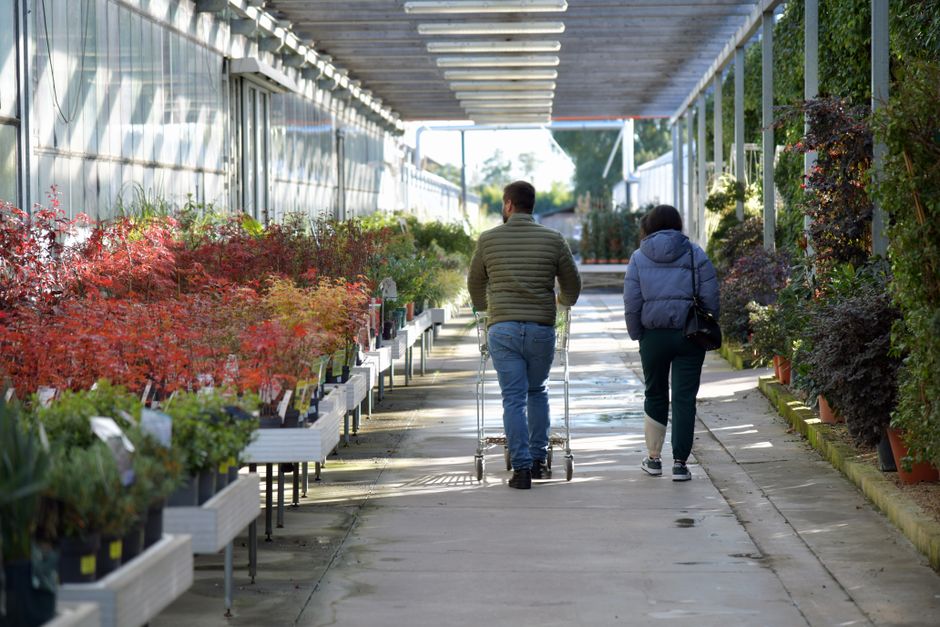
A Punggol condo couple opens Google at 8:40 p.m. after work. They need shade-tolerant balcony plants, a few bags of potting mix that will fit in a lift, and someone who can deliver this week. They do not browse the whole nursery catalogue. They type a short, practical query, scan three ads, and WhatsApp the first place that looks local, stocked, and quick to reply.
That is the real auction garden centres in Singapore are buying into. Not vague “green lifestyle” traffic. High-intent, small-radius, time-sensitive demand from HDB balconies, condo courtyards, and landed homes across the East, West, North-East, and Central belt. If you run PPC for garden centres Singapore without hard ranges for cost and quality, the dashboard can look healthy while the delivery van stays half empty.
This piece is a benchmarks-and-ranges guide for owners and marketing leads who need directional CPC, enquiry, and booked-job bands they can actually manage against, plus the quality filters that separate paid search that fills the diary from paid search that only fills a CRM.
What garden centre clicks in Singapore tend to cost
Local plant and garden retail sits in a mixed CPC band. Broad lifestyle terms (indoor plants, home gardening, balcony garden ideas) often look cheap on paper and convert like browsers. Transactional and service-adjacent terms cost more and behave better: potting mix delivery, soil and fertiliser bulk, landscape plants for landed property, fruit trees, hedge plants, outdoor pots with delivery, garden soil top-up, and plant installation for renovations.
As a working range in SGD, many garden centre accounts see something like this once junk queries are stripped out. Informational and hobbyist terms can land around SGD 0.80 to SGD 2.20 per click and rarely book same-week work. Mid-intent product terms (specific plant types, potting mix, outdoor pots, fertiliser) often sit nearer SGD 1.80 to SGD 4.50. High-intent commercial queries with delivery, bulk, installation, or “near me” modifiers commonly push SGD 3.50 to SGD 7.50, and peak weekends or festive periods (CNY greenery, housewarming spikes, pre-Hari Raya outdoor refresh) can stretch higher when several nurseries bid the same shortlist of terms. These are indicative planning ranges, not audited benchmarks-corroborate current bid pressure in your own account with Google Keyword Planner and auction insights before you lock budgets.
Those numbers are directional operating bands, not promises. Your actual CPC depends on Quality Score, landing page relevance, ad rank, and how aggressively competitors bid in Tampines versus quieter pockets up north. Mobile still drives most paid search taps, yet many buyers finish on WhatsApp or a phone call after a quick scroll. If your reporting only values form submits on desktop, you will misread both cost and quality.
ROAS benchmarks published across industries often sit around the mid single digits for Google Ads in aggregate. Garden retail is lumpier. A strong week can look like a 4x to 6x return on ad spend when you count cart value plus booked delivery and install jobs. A weak week looks fine on CTR and still loses money if half the spend hit “garden centre part time” or “horticulture diploma” searches. Cost without a quality frame is noise.
GST at 9% belongs in the unit economics, not as an afterthought. If you price bags, pots, and delivery inclusive for consumers, model contribution margin after GST, delivery labour, and breakage before you decide a CPC “feels fine.” A click that looks cheap against top-line sales can be expensive against net margin on low-ticket potting mix alone.
Why Google Ads enquiries don’t fill the delivery diary
The failure mode is familiar. Spend climbs. Form fills and WhatsApp pings rise. The team feels busy. Then the owner checks the week’s booked deliveries, install slots, and higher-ticket plant packages and realises the diary did not move with the chart.
Three leaks show up again and again.
Query Mix. Without aggressive negatives, you pay for job seekers, student projects, wholesale trade tire-kickers outside your model, and people hunting free advice or DIY tutorials. In Singapore that often includes searches around courses, careers, and generic “garden ideas” content that never intended to buy soil this week.
Offer Mismatch. The ad promises balcony plant delivery to condo and HDB addresses; the click lands on a homepage hero about the full nursery experience, cafe corner, and weekend workshops. Intent cools in three seconds.
Response Lag. A WhatsApp enquiry at 9:05 p.m. that gets a reply at 11:40 a.m. the next day has usually already paid a deposit elsewhere, often via PayNow to whoever answered first.
Vanity CPL is the metric that hides this. SGD 12 to SGD 25 per enquiry can look efficient until you score those enquiries. How many named a plant type, volume, delivery estate, or install need? How many were “just checking prices” with no address and no timing? How many became a booked job with a date, a drop-off window, and a payment? Cost per booked job is the number that pays for clicks. Cost per form is theatre if your team cannot staff the replies.
Dayparting and capacity matter as much as bids. If your strongest converters are evening condo buyers and Saturday morning landed-home owners, but the account spends hard at 2 p.m. on a quiet Tuesday when only one part-timer is on WhatsApp, you are buying silence. Match spend shape to reply shape. If nobody can answer between 1 p.m. and 4 p.m., do not pretend Smart Bidding will fix staffing.
If you want a tighter read on whether your current structure is buying work or noise, a focused pass through SEM / Google Ads for local retail usually starts with search terms, negatives, and conversion definitions before anyone touches budgets.
Get a free marketing audit - we review your search, ads, and landing pages and send back what to fix first.
Get a free audit
Quality ranges that separate browsers from booked work
Treat quality as a scored range, not a vibe. For garden centres in Singapore, a practical filter set looks like this.
On the cheap end, an “enquiry” that only says “price?” with no plant category, no estate or postal side of island, and no timing is low quality even if CPL looks pretty. Mid quality names a category and a constraint: “bird’s nest ferns for shaded HDB balcony, delivery to Punggol,” or “10 bags potting mix, condo loading bay, Saturday morning.” High quality adds purchase readiness: volume, budget band, install help, replacement plants after reno, or a photo of the space. Your team should mark outcomes in the CRM or a simple shared sheet within 24 hours: replied, quoted, booked, paid, no-show, junk.
Directional conversion bands from managed accounts, useful for planning rather than vanity decks: dedicated intent-matched pages for delivery terms typically convert at 3-6% to a serious enquiry; homepages fed the same traffic often sit at 1-2% because the visitor has to hunt. Call and WhatsApp rates beat long forms for this niche. A short form that asks plant need, delivery area (HDB / condo / landed), and preferred contact method usually outperforms a ten-field “tell us your dream garden” questionnaire.
Build negatives like a weekly discipline, not a one-off clean-up. Start with jobs, salary, course, diploma, internship, free, DIY only where you do not monetise content, wholesale (if you are retail-only), and competitor brand terms you refuse to bid. Add estate-level waste only when search terms prove it. Keep exact and phrase structures on the money terms that historically book: delivery, bulk soil, outdoor pots, fruit trees, privacy plants, and install. Let broader discovery run only if you have the margin and the team to triage.
Bidding should follow quality, not ego. Manual or constrained automated bidding helps while conversion volume is thin and tracking is messy. Once you have clean booked-job signals, smart bidding can work, but only if the signal means money. If “conversion” still means any form open, automation will buy you more of the wrong thing faster. Enhanced Conversions and proper call tracking reduce the 20%+ signal loss many accounts quietly accept from blocked tags and incomplete mobile paths.
Creative and extensions are part of cost control. Sitelines for delivery areas, call extensions during staffed hours, and structured snippets for plant categories reduce wasted clicks by setting expectations before the tap. Ad copy should name the job: balcony-friendly plants with condo delivery, bulk potting mix, landed garden top-ups. “Premium nursery experience” is brand language. Buyers searching at night want stock, price clarity, and a human on WhatsApp.

Landing page quality for Singapore garden centre PPC, and two spend paths that diverged
Post-click is where good CPC bands die. The ad promised shade plants with delivery; the page opens on a slow gallery, no delivery radius, no WhatsApp sticky, and a form buried under brand story. Core Web Vitals still matter here-mobile plant shoppers abandon heavy pages fast when LCP, CLS, or INP slip. Show stock proof, delivery rules for HDB lifts and condo loading bays, price bands or “from” pricing where you can, recent project photos from local estates, and one clear next step: WhatsApp, call, or short form.
When traffic does not convert, stop guessing which block failed. Session recordings and heatmaps from HeyLead Insights make the leak visible: rage taps on non-clickable price text, scroll drop before delivery info, form fields abandoned when you ask for full address too early. Fix the proof order before you raise bids.
Case A: East/North-East nursery, SGD 4,800/month. A mid-size garden centre serving the East and North-East was spending roughly SGD 4,800 a month. Blended CPC sat near SGD 3.10. Enquiry CPL looked respectable at about SGD 18. Booked jobs told a harsher story: under 22% of enquiries became paid deliveries because the landing page pushed a general catalogue and the night WhatsApp queue sat until morning. They split campaigns by intent (potting mix and soil; balcony plants; larger outdoor / landed), wrote matching pages with estate delivery notes, cut unstaffed hours from ad schedules, and added a two-question WhatsApp opener template for the team. Eight weeks later CPC ticked up slightly on tighter terms, but cost per booked delivery fell hard because junk queries and slow replies stopped eating the budget. Outcome: slightly higher CPC on tighter terms, materially lower cost per booked delivery.
Case B: West-side nursery, volume-chasing broad terms. A West-side nursery chased volume on broad plant terms and sent everything to the homepage. CTR looked fine. Weekend form spikes looked exciting. The operations lead noticed most “leads” were price checks on single small pots with no delivery fee tolerance. They rebuilt around three offers only: bulk media, privacy screening plants for landed edges, and condo balcony packs with a clear delivery surcharge. Negatives removed course and job traffic that had been quietly taking 15%+ of spend. They stopped celebrating CPL and reviewed a simple weekly score: booked jobs, average order value, and reply time under 15 minutes during staffed windows. Spend flattened. Diary density improved. Same category, different definition of a win. Outcome: flatter spend, denser delivery diary, clearer definition of a win.
For operators who want the commercial story tied to the niche rather than generic retail tips, Garden Centres marketing is the deeper industry view of how traffic, offer, and fulfilment have to move together.
Patterns we see in audits
The short quotes below are illustrative composites drawn from patterns in account reviews. They are not quotes from named clients.
A pattern we see repeatedly: teams celebrate a low CPL on Google until someone tags a few weeks of WhatsApps and finds a large share were course or job queries that were never negatived-so real cost per booked balcony delivery runs far higher than the dashboard suggested.
Another pattern we see repeatedly: the fix is often not a bigger budget. It is cutting ads after hours when nobody staffs replies, and putting delivery-to-HDB proof above the fold. Booked jobs move before CPC does.

Free tools
DIY free tools for this playbook
Run these on the pages and campaigns this article covers, then fix what they flag before you scale spend or content volume.
Run these on this playbook
If the checklist shows a leak you cannot close in-house, request a free marketing audit.
Frequently asked questions
What monthly Google Ads budget makes sense for a Singapore garden centre?
Enough to collect learning without starving operations. Many single-location nurseries learn little below a few thousand SGD a month once CPCs on commercial terms sit in the multi-dollar range. The better question is whether budget matches reply capacity and stock. If you can only fulfil 15 delivery slots a week, buying 80 thin enquiries helps nobody.
Should we prioritise calls, WhatsApp, or website forms?
For this niche in Singapore, WhatsApp and calls usually carry higher purchase intent than long forms. Track them properly. Missed-call and chat response time belong next to CPC in the weekly review. Forms still help for bulk or commercial quotes, but keep fields short and mobile-first.
How do we stop paying for job and course searches?
Mine search terms every week at the start, then cadence down as the list stabilises. Add negatives in phrase and exact where needed. Separate brand, product, and service-adjacent campaigns so a leak in discovery does not contaminate high-intent delivery terms.
Is Performance Max a shortcut for garden retail?
It can scale product feed and remarketing-style demand when tracking and creative assets are clean. It is a poor place to hide broken conversion definitions. If your primary need is controlling local service and delivery queries with tight negatives, start with structured Search, then expand.
What quality score should we target before raising bids?
Chase message match and landing relevance more than a vanity QS number. When ad copy, keyword, and page all speak to the same job (for example bulk potting mix delivery), CPC pressure eases even if competitors stay loud.
Putting it to work
Pull the last 30 to 45 days of Google Ads search terms, enquiries, and booked deliveries side by side. Tag each converting query as booked job, quote-only, junk, or job/course waste, then write your real cost per booked job by intent cluster before you change a single bid.
Paid search also works harder when Google Business Profile and the local pack are in good shape. Estate-level intent-“potting mix delivery Punggol,” “balcony plants near me”-often starts in Maps or the local results before a paid click, so GBP categories, hours, photos, and review response complement your ads rather than compete with them. Keep district coverage and delivery notes consistent across the profile and your landing pages so paid and organic local signals reinforce each other.
When you want a partner to own the messy middle of PPC for garden centres Singapore, from query hygiene and dayparting through landing match and booked-job tracking, HeyLead runs that Google Ads operating loop with you so cost ranges stay tied to diary outcomes. Reach us on WhatsApp.
Free marketing audit, or reach Martin directly:
Get a free audit Chat with us on WhatsApp · [email protected]