

Most waterproofing companies here think their biggest problem is too few enquiries. It usually isn’t. The real problem is that a good chunk of what lands in the WhatsApp inbox or the contact form was never going to turn into a job, and nobody on the team has set things up to tell which enquiries are worth an estimator’s afternoon and which aren’t.
That gap costs more than a wasted site visit. An estimator who drives to a condo in Bukit Timah to measure a podium deck, only to learn the managing agent needs three quotations for an MCST tender that won’t be decided for six weeks, has lost half a day that could have gone to a homeowner with an active leak who wants work done this month. Multiply that across a small team and you’ve got a diary that looks full on paper and a pipeline that’s quietly thin. Throwing more budget at Google or Meta doesn’t fix this. It just produces more of the same mismatch, faster.
Here’s the insight most waterproofing marketing in Singapore misses: an HDB owner with water seeping through the bathroom ceiling and a condo MCST chasing quotations for common-property works are not the same buyer, and they should never be treated as one audience in your campaigns or on your site. Almost every mistake below traces back to that single oversight.
Why an HDB bathroom job and a condo MCST tender need different ads
An HDB flat owner with a leaking toilet is in a hurry, and he’s paying out of his own pocket. He’s searching on his phone at 9pm, he wants to know roughly what it costs, and he wants someone who can come look within a few days. He doesn’t know what “cementitious waterproofing” means and he doesn’t need to. He wants a straight answer and a price range, and WhatsApp is almost always how he’ll make first contact once he’s found you, not a form he has to fill in and wait for a reply to.
A condo managing agent dealing with a leaking roof or a planter box issue is a completely different buyer. The work usually touches common property, which means it needs MCST council approval and often has to go through a tender process with two or three quotations before anyone signs off, sometimes drawing from the sinking fund. That agent isn’t in a rush the same way. She wants a proper written quotation, a method statement, proof of insurance and past condo work, and she’s comparing you against other contractors on paper, not on how fast you pick up the phone.
Run one Google Ads campaign and one landing page for both of these people and you’ll satisfy neither. The ad copy that gets the HDB homeowner to call (“Leak today? We can come this week”) reads as unserious to a managing agent who needs a formal submission. The page built for the tender buyer, full of certifications and case studies, buries the thing the homeowner actually wants: a phone number and a rough price. Most of what goes wrong downstream in a waterproofing account, wasted spend, dead leads, quotes that never close, starts with this one unresolved split.
Six mistakes eating the budget in Singapore waterproofing accounts
We see the same handful of errors across waterproofing accounts in Singapore, regardless of whether the company does mostly HDB bathroom work, condo roofing, or industrial projects. None of these are exotic. They’re the kind of thing that gets set once and never revisited.
Common mistakes
-
1One campaign trying to serve both homeowners and MCSTs
The same ad group, the same keywords, the same landing page for "waterproofing singapore" regardless of who's searching. The fix is a straightforward split: one campaign and page built around urgency and price for homeowners, a separate one built around credentials, method statements and tender documents for condo and commercial buyers. It's an afternoon of restructuring, not a new strategy.
-
2No negative keywords, so budget leaks to the wrong searchers
Terms like "waterproofing course singapore," "waterproofing membrane supplier," "waterproofing paint DIY," and "waterproofing jobs" all look close enough to your core keywords that broad or phrase match will pull them in. None of those searchers want a quote. Build a negative list that excludes courses, suppliers, materials, DIY intent, and job seekers, and review the search terms report monthly, not once at setup.
-
3No way to tell which channel actually produced the job
Enquiries arrive by phone, WhatsApp, a web form, and sometimes a Google Business Profile message, and most waterproofing companies can't say which of those turned into an actual signed job. Without call tracking numbers per channel and a simple log of enquiry source against outcome, you're deciding next month's budget on gut feel. That's how good channels get cut and weak ones keep getting funded.
-
4One corporate homepage standing in for every job type
A single page listing roof waterproofing, bathroom waterproofing, planter box repair, pond and water feature work, and concrete repair all together forces the visitor to do the work of figuring out if you handle their problem. A homeowner with a wet bathroom ceiling wants a page that talks about exactly that, with photos of similar jobs and a price range, not a general services list. Condition-specific pages convert better because they answer the one question the visitor actually came with.
-
5WhatsApp enquiries going in without any job detail or tracking
An ad that clicks straight through to a bare WhatsApp chat gets more taps, but the estimator receives "hi, got leak" with no address, no photo, and no sense of urgency or budget, and has to chase basic details before anything can be scheduled. A short form or a structured WhatsApp flow that captures the block or unit type, the location of the leak, and a photo before the chat opens saves the back-and-forth and tells you faster whether it's worth a visit.
-
6Inconsistent business details hurting your spot in the map pack
A different company name on one directory, an old shopfront address on another, a phone number on your Google Business Profile that doesn't match the one on your website. Each inconsistency quietly erodes how much Google trusts your listing for local map results, which matters enormously for "waterproofing near me" type searches. Audit every listing you can find, fix the mismatches, and keep your Google Business Profile updated with current photos and service areas.
If your landing pages are part of the problem, it helps to watch where visitors actually drop off rather than guessing. HeyLead Insights shows scroll depth and where people abandon a form, which is often the difference between a page that reads fine to you and one that quietly loses the homeowner three seconds before he would have sent a WhatsApp message.
Get a free marketing audit. We review your search, ads, and landing pages and send back what to fix first.
Get a free audit
What to fix this month, and what can wait
Not all six of those mistakes carry equal weight, and trying to fix everything at once usually means nothing gets fixed properly. Tracking comes first, always. If you can’t see which channel and which campaign produced a booked job, every other decision you make is a guess dressed up as a strategy. Spend the first week getting call tracking numbers assigned per channel and a simple spreadsheet or CRM field where someone logs enquiry source against whether it became a paying job.
Negative keywords and the HDB/MCST campaign split come next, because they stop the bleeding without requiring a new website or a bigger budget. These are structural fixes inside your existing ad account, usually a few hours of work once you know what to look for. Condition-specific landing pages and the WhatsApp intake flow come after that; they take longer because they usually involve writing new copy or briefing a developer, but they compound every month once they’re live. NAP consistency and Google Business Profile cleanup matter for the long game of local ranking, but they won’t move this month’s numbers, so they’re the thing that’s fine to tackle in week three or four rather than week one.
Picture a small waterproofing outfit doing a mix of HDB bathroom jobs and the odd condo roof project. For a stretch, every enquiry went through one Google Ads campaign and landed on the same page, and the owner noticed his estimator was spending whole mornings quoting condo jobs that then vanished into an MCST tender process and never came back. The fix wasn’t a bigger budget. It was splitting the campaign in two, building a short page aimed at homeowners that led straight to WhatsApp with a price range up front, and a separate page for commercial and MCST enquiries that led to a proper quotation request form instead of a chat. The estimator’s time went back to jobs that closed in days, not months, and the tender enquiries that did come in arrived already knowing what the formal process would look like. No new strategy, just the right buyer sent to the right door.
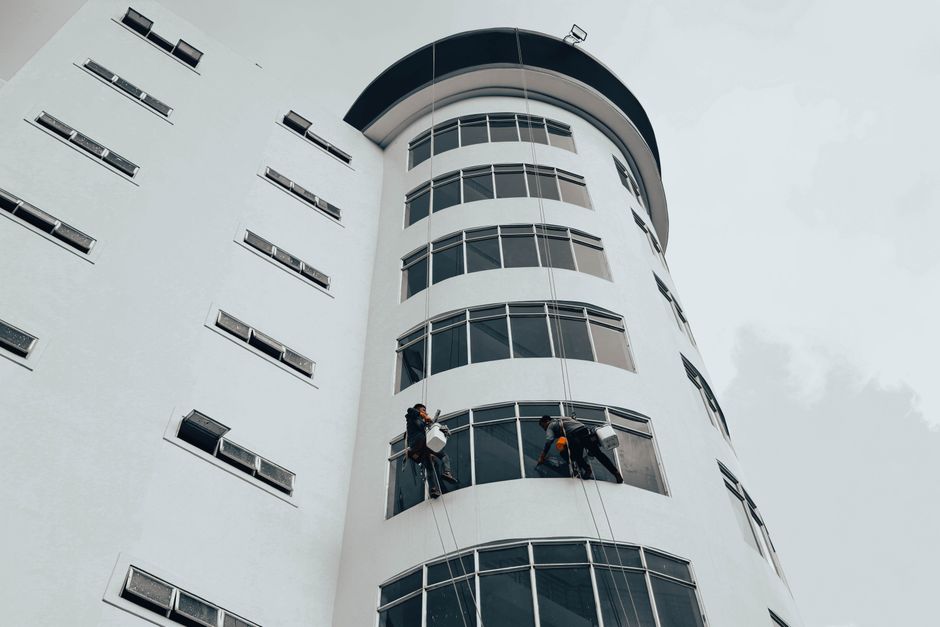
What waterproofing crews say about leads that never book a site visit
“We used to get maybe one in four calls from the website turn into an actual site visit. Once we split the HDB ads from the condo ones and stopped sending condo enquiries straight to a chat, that ratio flipped. The ones that do call now already know roughly what we charge and what we need from them.” - Owner, two-man waterproofing outfit
“Our biggest headache wasn’t bad leads, it was not knowing where the good ones came from. We’d cut a campaign that was actually working because the CRM didn’t say which job paid for which click.” - Operations manager, waterproofing and roofing contractor
A short checklist and the tools to run it yourself
You don’t need an agency to run a first pass on most of this. The work is mechanical once you know what to check, and a handful of free tools will get you most of the way there.
DIY first pass
- 1Pull your Google Ads search terms report for the last 90 days and flag anything related to courses, materials, DIY, or jobs, then add those as negatives at the campaign level.
- 2Check every directory, review site, and your Google Business Profile for your company name, address, and phone number, and fix any that don't match exactly.
- 3Open your website on a phone, time how long the bathroom-leak or roof-leak page takes to load, and check whether the WhatsApp or call button is visible without scrolling.
- 4Assign a separate tracking number or UTM-tagged link to each channel so next month's reporting shows source, not just total enquiries.
Free tools for this checklist
If you’d rather have someone else own the ongoing side of this, from campaign structure to landing pages to the measurement that tells you what’s working, our SEM team handles exactly this kind of account cleanup for trades businesses across Singapore.

FAQ
Do I really need separate ads for HDB homeowners and condo MCST jobs? Yes, if you want either side to convert well. The buying process, the language, and the urgency are different enough that one ad and one page will underperform for both.
How much should a waterproofing company in Singapore spend on Google Ads? There’s no single right number, it depends on your service area and how many jobs you can actually handle. Start by fixing tracking and the campaign split above before increasing budget, since more spend on a broken setup just produces more of the same wasted clicks.
Should WhatsApp enquiries go straight to chat, or through a form first? A short form or structured flow that captures the job type, location, and a photo before the chat opens saves your estimator time and filters out enquiries that aren’t ready to book. Pure “click to chat” ads get more taps but more low-quality ones too.
How long before SEO brings in jobs, compared to Google Ads? Google Ads can produce enquiries within days once the campaign structure is right. Organic rankings for terms like bathroom waterproofing or condo roof waterproofing usually take a few months to build, so most companies run both at once rather than waiting on one before starting the other.
Putting it to work
Start this week by pulling the last 60 days of enquiries from your form, WhatsApp, and phone line, and sorting them into two piles: HDB homeowner and condo or commercial. Note how many from each pile turned into a booked job. It usually takes an hour, and it’ll tell you immediately whether your current ads and pages are actually built for the buyer who’s asking, or just for whoever happens to click.
The gap between an enquiry and a booked site visit is exactly the thing HeyLead works on with trades businesses, splitting campaigns by buyer type, building the condition-specific pages that match them, and setting up the tracking that shows which channel actually pays for itself. Chat with us on WhatsApp.
Free marketing audit, or reach Martin directly:
Get a free audit Connect on WhatsApp · [email protected]