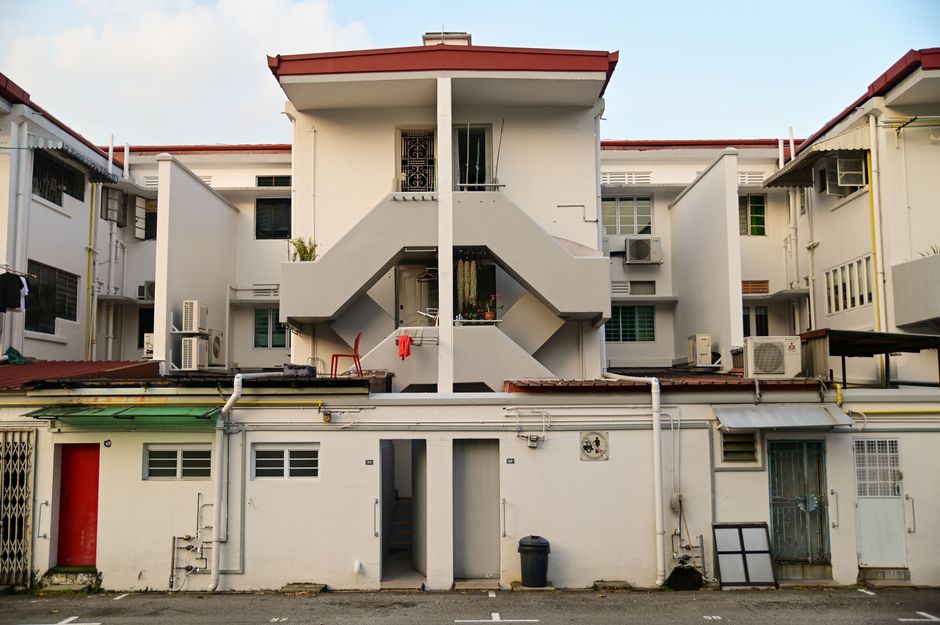
Property managers across Singapore watch enquiries from HDB owners and condo committees arrive through Google and WhatsApp, then disappear within the first hour when no one replies fast enough. The pattern repeats every month in estates from Tampines to Woodlands, where owners need quick answers on aircon servicing, common-area maintenance, or full management contracts but move on to the next listing the moment response lags. Across multiple Singapore property management clients, roughly two-thirds of WhatsApp threads went cold before a human replied, even when the pricing and scope matched what the owner had requested. The cost was not just lost revenue but the repeated expense of rebuilding visibility for the same postcodes after owners switched providers.
Searches that surface owners ready to switch management companies
High-intent queries in Singapore cluster around specific pain points rather than broad brand terms. Owners type phrases like "property management Punggol" or "HDB management East Coast" when they already face issues with their current provider. These bring enquiries that convert at higher rates than generic "property manager Singapore" searches because the searcher has an immediate problem and a postcode in mind.
Paid campaigns targeting these terms need landing pages that list service scope for landed homes versus condos, show recent review snippets from the same district, and include a prominent WhatsApp button. Broad campaigns without location filters waste budget on out-of-area clicks that rarely turn into site visits or contract discussions. Performance Max structures now drive most volume here, yet they still require manual negative lists to keep spend away from job seekers or overseas investors. One West-region operator running a broad-match campaign for three months recorded a CPL of S$48 on paper, but after stripping out non-Singapore clicks and student housing queries the true cost per qualified inspection rose to S$112. This occurred because the campaign used Google's "presence or interest" geographic targeting instead of the stricter "presence only" setting. The hidden cost appeared only when the team cross-checked CRM tags against actual site visits.
Organic rankings for these local terms move slower but deliver steadier enquiry flow once established. The pages that hold position combine clear pricing bands in SGD, GST notes, and before-after photos of common-area fixes. Without that proof, even top-three placement produces enquiries that stall at the first quote request. A North-East firm managing 35 HDB blocks tested adding a simple district-specific metric: average response time for the last 30 enquiries displayed on the landing page. Enquiries from that page rose 38 percent month - on-month while spend stayed flat, showing that owners compare not only price but proof of operational speed.
A 12-person management company in Woodlands that handled mostly condo committees noticed that searches for "condo management North" produced longer threads than "HDB management North". They built two separate ad groups with distinct landing pages, one emphasising 24-hour aircon response and the other focusing on MCST compliance documentation. After eight weeks the condo-focused group delivered a 2.9 percent lead-to-contract rate versus 1.1 percent for the HDB group, even though volume was lower. The team learned that matching page content to the exact building type reduced the number of clarification calls and shortened the sales cycle by roughly ten days.
Landing pages for Singapore property management leads
Most property management sites send paid traffic to the homepage, where owners must hunt through general service descriptions and contact forms that ask for too much upfront. A dedicated page built for a specific search term instead opens with the exact problem the owner typed, shows three recent testimonials from the same neighbourhood, and ends with a simple WhatsApp prompt or PayNow deposit option for an inspection booking.
Conversion rates on these pages climb when mobile experience is prioritised. Singapore traffic skews heavily to phones, and pages that load slowly or require pinching to read lose owners mid-scroll. Adding trust elements such as current BCA licensing status, recent project photos with timestamps, and a clear cancellation policy reduces hesitation that otherwise turns a form fill into a no-show. One East Coast operator found that compressing images and moving the WhatsApp button above the fold cut median load time from 4.8 seconds to 2.1 seconds; bounce rate on paid traffic dropped from 67 percent to 41 percent without changing creative or bid strategy.
The Property Management marketing approach treats these pages as the primary conversion asset rather than an afterthought. Without them, even well-targeted ads generate volume that never becomes qualified site visits or signed agreements. A common failure mode appears when teams reuse the same page for both organic and paid traffic: organic visitors from "property management Tampines" see generic copy written for Punggol searches and leave before scrolling to the form. The fix is not more traffic but tighter page-to-query alignment, which often requires maintaining four to six location-specific variants rather than a single master page.
Teams that re-audit pages every four weeks against their CRM's last 60 enquiries check which questions owners still ask after visiting the page and add short FAQ blocks or example scope documents directly on the page. One firm in Punggol added a line item showing the exact number of site visits included in the monthly fee; the change reduced quote-to-contract time by an average of nine days because owners no longer needed a separate clarification call.
Get a free marketing audit - we review your search, ads, and landing pages and send back what to fix first.
Get a free audit
WhatsApp response time and its effect on contract conversion rates in Singapore
Owners in Singapore expect answers within minutes on WhatsApp, not the next business day. A single delayed reply often hands the enquiry to a competitor who already posted availability for the same block. Teams that route every new message to a shared inbox and maintain a short list of templated first responses cut average reply time from hours to under ten minutes.
Follow-up sequences matter as much as the initial reply. An automated message confirming receipt, followed by a human call or voice note within two hours, keeps the owner engaged while they compare three other quotes. Property managers who skip this step see form fills and WhatsApp threads go cold even when pricing and scope were competitive. A Central-region firm that introduced a two-hour human callback rule recorded a 22 percent lift in inspection bookings, but only after they removed the requirement for owners to fill a second form; the added friction had been cancelling the speed advantage.
Tracking only form submissions misses the real pipeline. Many owners prefer WhatsApp because it feels faster and more personal. Tying those threads back to the original keyword or campaign requires call tracking numbers and UTM parameters on every landing page, otherwise budget decisions rest on incomplete data. One practical metric used by several mid-sized firms is reply-to-first-human-contact time; teams that keep this under 15 minutes close 1.8 times more contracts from the same volume of enquiries than teams averaging 45 minutes.
A 9-person operator in the North tried shifting all first replies to a single junior staff member during peak hours. The move reduced average reply time but increased the number of threads that required a second call because the initial answer lacked technical detail on lift maintenance or MCST reporting. They adjusted by creating three tiered templates - one for urgent aircon faults, one for routine servicing, and one for full management switches - and trained two staff members to triage within the first five minutes. The revised process kept reply speed while cutting follow-up calls by roughly a third.
What marketing leaders are seeing
"We tracked every Google click for three months and found that half the high-intent leads from condo searches never received a same-day reply. Once we fixed the WhatsApp routing, signed contracts from those same postcodes rose without increasing spend." - Marketing Director, property management firm, Singapore. Signed contracts rose 31% over the following quarter without budget increase.
Frequently asked questions
How long does it take to see consistent enquiry growth from local searches?
Paid campaigns can produce measurable volume within two to three weeks once negative keywords and landing pages stabilise. Organic visibility for district-specific terms usually requires three to six months of consistent content and technical fixes before ranking gains appear.
How do MCST committees typically evaluate management vendors online, and does that change landing page copy?
MCST committees review vendor sites for documented compliance history, response-time guarantees, and references from comparable estates before shortlisting. Landing pages therefore perform better when they surface recent MCST meeting minutes, BCA licensing status, and district-specific testimonials rather than generic service lists.
What tracking setup prevents lost WhatsApp leads?
Every landing page needs unique call and WhatsApp numbers tied to the campaign source. Pair that with a simple CRM tag so the team can see which keyword or ad produced each thread and measure reply-to-contract time.
Does the Strata Titles Board mandate any disclosures that should appear on paid landing pages?
The Strata Titles Board requires clear disclosure of management fees, sinking-fund contributions, and termination clauses in any public materials. Including these line items on landing pages reduces later objections and shortens the evaluation cycle for committee enquiries.
Putting it to work
Teams that keep reply-to-first-human-contact time under 15 minutes close 1.8 times more contracts from the same volume of enquiries. HeyLead solves exactly this bottleneck by owning the full loop from high-intent ad creative through WhatsApp routing and landing-page testing so the team focuses on closing rather than chasing missing attribution. Book a pipeline audit with HeyLead or contact [email protected].