
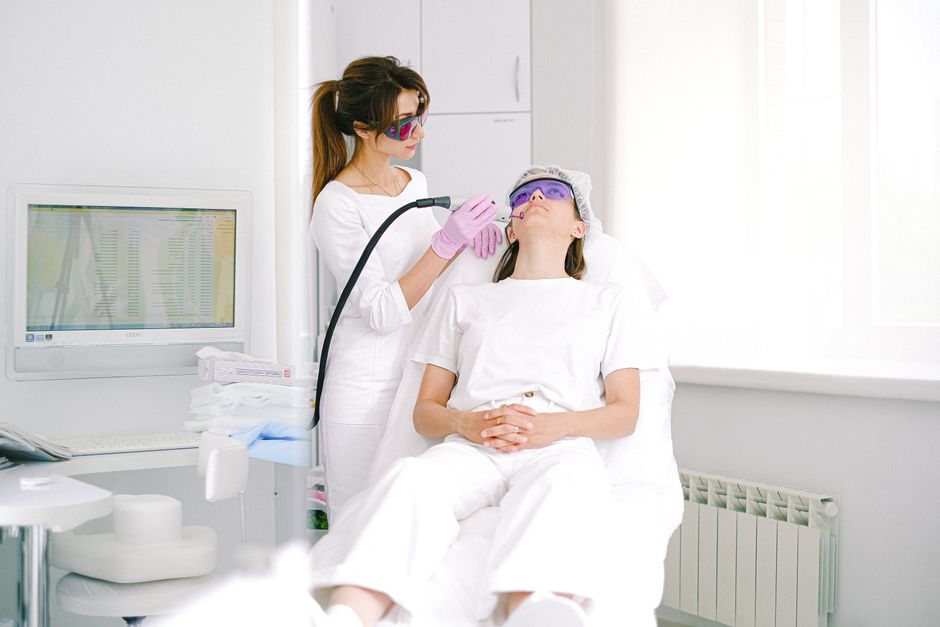
A mole on a patient’s shoulder sat quietly for two years, then started changing shape. The first thing that patient did wasn’t phone a clinic. It was photograph the mole, open WhatsApp, and type a message to a dermatology practice’s business number: “is this something to worry about?” Nobody books a dermatology consult because an ad was clever. They book because something on their skin finally scared them enough to ask a stranger for a straight answer, fast.
Here’s what that moment costs a clinic when it goes unanswered for three or four hours. The patient who messaged first isn’t waiting around. She’s already sent the same photo to two other clinics by lunchtime, and she’ll book whichever one replies with a clear next step, not whichever one ran the best Google Ads campaign last month. Your ad account will never show that enquiry as “lost.” It just quietly disappears, and the spend that generated the click looks less efficient than it actually was, because the leak happened after the click, not in the bidding.
The channel that decides whether a dermatology clinic in Singapore fills its diary this week isn’t Google or Meta. It’s whichever app a worried patient’s photo lands in, and what happens in the few minutes after it arrives. Get that part right and the rest of the marketing engine, the ads, the content, the Google Business Profile, has something to funnel into. Get it wrong and you’re paying to generate enquiries that evaporate before a doctor ever sees them.
Why the WhatsApp chat, not the ad, decides who gets seen this week
Singapore patients don’t fill out long contact forms if there’s a faster way to get an answer, and there usually is. A Google search for “mole check singapore” or “eczema specialist near me,” an Instagram ad for pigmentation laser, a referral from a GP’s own WhatsApp broadcast: all of these roads tend to end at the same door, a “Chat on WhatsApp” button. That button is where the real conversation starts, and it’s also where most dermatology marketing programmes stop measuring anything useful.
There are really two different patients arriving through that door, and they need to be treated differently from the first message. One is urgent and medical: a suspicious mole, a child’s eczema flare that hasn’t settled after a week of over-the-counter cream, an acne breakout that’s turned cystic. This patient wants a same-week slot and a doctor’s name, not a price list. The other is elective: pigmentation, a HIFU consult, a first Botox enquiry, a scar that’s bothered her for years but isn’t urgent. This patient is comparing two or three clinics on tone, photos, and price before she commits to anything. Run both intents through the same ad copy, the same landing page, and the same generic WhatsApp auto-reply, and you’ll under-serve both of them.
On the compliance side, Singapore’s Healthcare Services (Advertisement) Regulations under the Healthcare Services Act shape what a clinic can say before that WhatsApp click even happens. Dramatic before-and-after imagery and patient testimonials for medical procedures sit in genuinely restricted territory, and that affects the ad creative and the landing page copy, not just the consult room. A clinic that leans on testimonials in its Meta ad because “it converts better” is building its funnel on ground that can get pulled, and a paused ad account mid-month is its own kind of lost revenue. Add the Personal Data Protection Act into the mix: a patient’s WhatsApp number and the photo of their skin condition are personal data, which means consent and storage practices around that chat thread aren’t a technicality, they’re part of how the clinic is allowed to operate.
What a working enquiry engine looks like, and what’s worth ignoring
What good actually looks like
A dermatology clinic that has this dialled in usually has three things true at once. First, the WhatsApp Business account isn’t living on one staff member’s personal phone. It’s set up with quick replies for the predictable questions, routed so someone sees new messages within minutes during clinic hours, not whenever the front desk gets a free moment between patients. Second, the clinic knows which ad, which search term, or which referral source produced each conversation, because the “Chat on WhatsApp” buttons on the website and in ads carry a tag that survives the handoff from click to chat. Third, the Google Business Profile is doing its job: category set correctly to dermatologist rather than a generic “skin clinic,” hours accurate, and new reviews coming in at a steady drip rather than in a single panicked burst after a bad month.
Landing page speed matters more here than most clinic owners assume, because a meaningful share of this traffic arrives on a phone, often straight from an Instagram story or a WhatsApp forward from a friend. A page that takes several seconds to load before the patient can even see the WhatsApp button loses patients who were ready to message. Mobile load time and how responsive the page feels when someone taps that button are worth auditing before touching ad budgets at all.
This is also where a lot of clinics discover their real drop-off point isn’t the ad, it’s the page the ad sends people to. We’ve watched session recordings on dermatology landing pages where a patient scrolls straight past the pricing section, hesitates on the WhatsApp button for several seconds, then leaves without clicking. That hesitation usually means something specific is missing, a reassurance about whether the consult includes a doctor’s assessment, a sense of what happens after they message. HeyLead Insights is built for exactly that kind of question: watching where real visitors stall on a page, rather than guessing from a bounce rate.
What’s not worth your attention
Impressions and reach are the first things to stop checking obsessively. They tell you an ad was shown, not that a patient with a real problem saw it and acted. Follower counts on the clinic’s Instagram are close to irrelevant to the diary; plenty of well-followed aesthetic accounts in Singapore have thin appointment books because the following doesn’t convert into messages. Last-click attribution on its own is also worth a healthy dose of suspicion: a patient who first found the clinic through an organic search result for eczema symptoms, then came back two weeks later via a retargeting ad, then finally messaged after seeing a Google review, had three touchpoints, and crediting the whole thing to the last one tells you almost nothing about what actually earned the appointment.
Chasing viral reach on TikTok or Reels, without a plan for what happens when a stranger who saw the video opens WhatsApp, is a similar trap. A video that gets attention but routes nobody into a tracked, triaged conversation is entertainment, not marketing. And broad-match keywords with no negative list attached will happily burn budget on searches like “free mole removal” or “dermatology jobs singapore,” clicks that were never going to become a booked patient.
If you’re weighing whether to tighten the ad account or rebuild the website first, start with the page the ads actually land on. A clean SEO strategy paired with a landing page that doesn’t match the ad’s promise still leaks patients at the same rate.
Get a free marketing audit. We review your search, ads, and landing pages and send back what to fix first.
Get a free audit
A short audit you can run before touching your ad budget
None of this requires a full rebuild to start. Most Singapore dermatology clinics can run through the checkpoints below in an afternoon and come away knowing exactly where their enquiry engine is actually losing patients.
Audit scorecard
- 1Google Business Profile accuracy
Confirm the category is set to dermatologist, not a generic skin or beauty category, and that the clinic name, address, and phone number match exactly across the website, GBP, and any directory listing. Mismatches here quietly drag down local rankings.
- 2Click-to-WhatsApp tracking
Check whether every "Chat on WhatsApp" button on the site and in ads carries a tag that identifies the source. If you can't tell a Google click from a Meta click once the chat opens, you're flying blind on which channel is actually filling the book.
- 3MOH-safe ad and page copy
Review current ad creative and landing pages for testimonials, exaggerated before-and-after claims, or discounted-procedure language tied to medical treatments. Flag anything that reads as a promise of a specific outcome rather than a description of a service.
- 4Response time by intent
Pull a week of WhatsApp conversations and sort them into urgent medical and elective cosmetic. Time how long each waited for a first reply. Urgent enquiries answered after an hour are enquiries you're handing to a competitor clinic.
- 5Review velocity
Check whether new Google reviews are arriving steadily or only in clusters after a promotion. A consistent trickle reads as more credible to both patients and Google's local ranking signals than a pile that appeared overnight.
- 6Mobile page speed
Load the landing page on a phone, on mobile data, not clinic wifi. If the WhatsApp button isn't visible and tappable within a couple of seconds, that's a direct drag on conversion, especially for patients arriving from Instagram or WhatsApp forwards.
- 7Enquiry-to-booking loop
Trace ten recent WhatsApp enquiries through to whatever system holds bookings. If that handoff is manual and undocumented, you have no reliable way to tell your agency or your own team which campaigns produced patients who actually sat in the chair.
DIY tools for this section
Free tools to run the audit yourself
Score each checkpoint honestly rather than generously. Most clinics we look at pass two or three of the seven on the first try, which is normal. The point of the audit isn’t to feel bad about the gaps, it’s to know which ones are actually costing you patients this month, so you fix the WhatsApp handoff before you spend more on ads that feed into it.
What dermatology clinic coordinators notice once WhatsApp gets tracked like a channel
“We used to think our ads just weren’t working. Turned out half the enquiries were sitting unread on a phone at the front desk overnight, and we had no idea which ones came from Google versus Instagram until we started tagging the chat links.” - Clinic coordinator, two-doctor dermatology practice
“Patients don’t call anymore unless it’s urgent. Once we split urgent and cosmetic enquiries into different WhatsApp flows, the front desk stopped treating a mole photo the same way as a Botox price question, and that alone changed how fast the right people got seen.” - Practice manager, medical and aesthetic dermatology clinic
FAQs
Can a Singapore dermatology clinic use before-and-after photos in Meta or Google ads? Treat this carefully. The Healthcare Services (Advertisement) Regulations restrict how medical procedures can be advertised, and dramatic before-and-after imagery or patient testimonials for medical treatments sit in genuinely risky territory. Educational, non-promotional content about a condition tends to be safer ground than imagery promising a specific result.
Is it compliant to collect patient photos and numbers through WhatsApp? It can be, but it has to be handled properly under the Personal Data Protection Act. That means clear consent for how the photo and chat history are stored and used, and ideally those conversations feeding into a proper system rather than sitting indefinitely on a personal device.
How fast should a clinic reply to a WhatsApp enquiry? For anything that reads as urgent, within minutes during clinic hours is the standard worth aiming for. For elective enquiries, same-day is usually acceptable, but the clinic that replies first with a clear, specific answer tends to win the booking over the one with the fancier ad.
Should urgent medical and cosmetic enquiries run through the same campaigns? No. They have different search terms, different urgency, and different decision processes. Separating the keyword and ad structure for “mole check” style searches from “pigmentation laser” style searches means each gets copy, a landing page, and a WhatsApp flow built for how that patient actually thinks.
Does GST affect how a clinic should price services shown in ads or on the landing page? Private healthcare services are subject to GST, and patients notice when a quoted price on a landing page doesn’t match what they’re asked for on arrival. Being explicit about whether a price includes GST, or showing a clear “from” price with the basis explained, avoids a conversation that erodes trust right before the consult.
Next steps
Start this week by pulling the last 30 days of WhatsApp conversations and tagging each one with its source, Google, Meta, referral, or walk-in, and its intent, urgent or elective. Sort them by how long the first reply took and how many turned into a booked, kept consult. Give it about an hour. You’re looking for where the drop-off concentrates: is it slow replies, unclear pricing, or enquiries that never got a second message after the first one went unanswered?
That gap between a worried patient’s first WhatsApp message and a booked, kept consult is exactly where most dermatology marketing budgets quietly go to waste. HeyLead builds the tracking, the ad structure, and the landing page handoff that closes that gap, so enquiries get triaged and followed through instead of disappearing into a chat thread nobody owns. Chat with us on WhatsApp.
Free marketing audit, or reach Martin directly:
Get a free audit Connect on WhatsApp · [email protected]